OEM Diesel Engine Parts vs. Custom: Which is Better?

Fleet managers and procurement engineers constantly face a critical maintenance decision. Should you invest in original equipment manufacturer (OEM) components or opt for customized aftermarket alternatives? The choice directly impacts engine longevity, compliance, and total cost of ownership (TCO).
Diesel engines operate under extreme thermal and mechanical stress. Component failure leads to costly unplanned downtime. Selecting the right replacement part requires balancing upfront costs with long-term reliability. This guide breaks down the technical differences, application scenarios, and performance trade-offs to help you make data-driven procurement decisions.
What Are OEM Diesel Engine Parts?
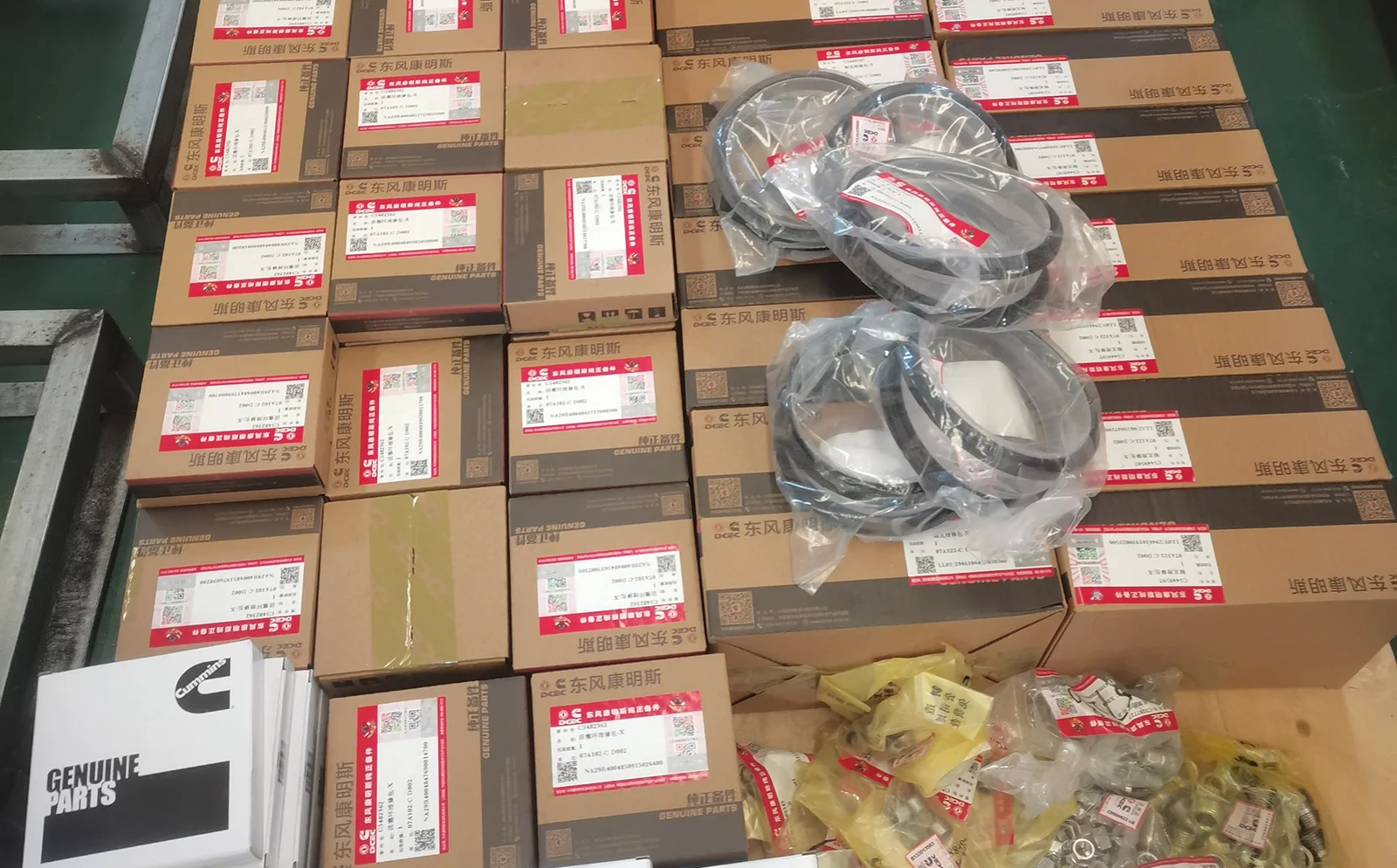
OEM diesel engine parts are components manufactured by or for the original engine builder. They are built to the exact specifications, metallurgy, and tolerances of the parts installed on the factory assembly line.
These components undergo rigorous testing to meet specific regulatory and performance standards. Manufacturers design them to ensure seamless integration with the engine’s existing systems. Buying OEM guarantees that the part will function exactly as the original did.
Key characteristics of these components include:
- Strict adherence to original engineering blueprints.
- Proprietary metallurgical compositions for thermal resistance.
- Pre-certified compliance with EPA and Euro emission standards.
- Comprehensive manufacturer warranty coverage.
Technical Differences: OEM vs. Customized Components
Evaluating replacement components requires looking beyond the price tag. The fundamental differences lie in engineering constraints, material selection, and production intent.
Customized parts are not necessarily inferior. In some cases, specialized aftermarket manufacturers re-engineer parts to fix known flaws in the original design. However, consistency varies widely across different suppliers.
The table below highlights the core technical differences.
| Feature | OEM Components | Customized / Aftermarket |
| Tolerances | Exact factory specifications | Variable; depends on supplier |
| Metallurgy | Standardized alloy compositions | Can be upgraded or downgraded |
| Availability | Subject to factory supply chains | Often faster lead times |
| Unit Cost | Generally 20% to 50% higher | More cost-effective |
| Warranty | Backed by engine manufacturer | Backed by the part supplier |
When to Strictly Rely on OEM Diesel Engine Parts
Certain operational scenarios demand strict adherence to factory-original parts. High-stress internal components carry a high risk of catastrophic engine failure if tolerances are even slightly off.
You should prioritize original parts during the engine’s active warranty period. Installing third-party components can void manufacturer support if the aftermarket part causes a failure.
Critical fuel system components also require original specifications. Modern common-rail diesel injection systems operate at pressures exceeding 30,000 PSI. Slight deviations in injector nozzle machining can alter fuel spray patterns. This leads to incomplete combustion, increased soot, and potential piston damage.
Always choose OEM for:
- Electronic Control Modules (ECM) and critical sensors.
- High-pressure fuel injectors and pumps.
- Internal rotating assemblies (crankshafts, camshafts).
- Emission control systems (DPF, SCR components).
Scenarios Where Customized Engine Parts Excel
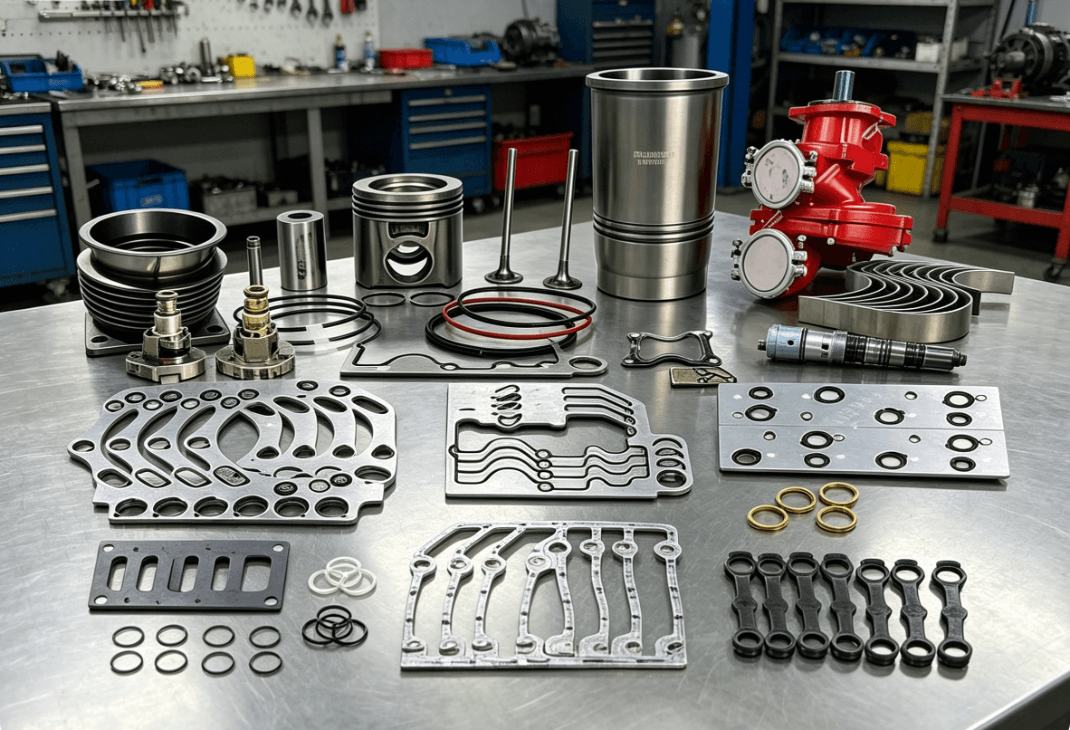
Customized parts offer distinct advantages in specific maintenance situations. Legacy engines often outlive their original parts supply. When factory components become obsolete, custom machining is the only viable way to keep the equipment running.
Specialized operational environments also benefit from custom engineering. If a fleet operates in extreme cold or high-dust mining environments, standard factory parts might wear out prematurely. Custom manufacturers can upgrade specific components. They might use higher-grade alloys or apply specialized anti-wear coatings that the original manufacturer deemed too expensive for mass production.
Cost-effective fleet maintenance is another driver. For non-critical external components, high-quality aftermarket parts provide substantial savings without compromising safety.
Consider customized alternatives for:
- Brackets, housings, and external mounts.
- Specialized filtration and cooling system upgrades.
- Older engine models facing OEM part obsolescence.
- Applications requiring heavy-duty material upgrades.
Material and Performance Trade-offs in Procurement
Procurement teams must evaluate the total lifecycle cost rather than just the initial purchase price. A cheaper custom part might save money upfront but increase maintenance frequency.
Material selection is the primary cost driver. OEM diesel engine parts use specific steel forgings and aluminum alloys tested for thousands of hours. Custom manufacturers might use cast alternatives instead of forged metals to reduce costs. This reduces the part’s tensile strength and thermal fatigue resistance.
Conversely, some custom parts use superior materials. Upgraded head gaskets with advanced elastomeric coatings can resolve known factory leak issues. Procurement engineers must request material test reports (MTR) from aftermarket suppliers. Verifying the exact alloy and heat treatment process ensures the custom part meets or exceeds operational demands.
Evaluating Engine Parts for Your Fleet
Choosing between OEM and custom components requires a reliable supply chain partner. You need a supplier who understands the intricate technical requirements of heavy-duty diesel platforms.
When sourcing replacements, evaluate the operational duty cycle of your equipment. Reviewing a comprehensive engine parts catalog helps you compare available configurations. Look for suppliers that clearly state their manufacturing standards and material specifications.
For complete overhauls or specialized fleet requirements, exploring broader engine parts and accessories ensures you find compatible external components. Proper filtration and cooling accessories are just as critical as internal engine parts.
If your fleet operates legacy equipment or requires specific material upgrades, direct consultation is essential. You can contact technical support teams to discuss custom machining capabilities, verify tolerance matches, and ensure your procurement strategy aligns with your reliability goals.
FAQ
Will using customized aftermarket parts void my diesel engine warranty?
Under laws like the Magnuson-Moss Warranty Act in the US, a manufacturer cannot void a warranty simply because you used an aftermarket part. However, if the customized part directly causes an engine failure, the manufacturer will likely deny the warranty claim for that specific repair.
What is the typical price difference between OEM and custom diesel parts?
OEM parts typically cost 20% to 50% more than standard aftermarket alternatives. This premium covers the manufacturer’s R&D, testing, and brand markup. However, highly specialized custom parts engineered for extreme performance may actually cost more than factory originals.
How can I verify the quality of a customized diesel component?
Always request documentation from the supplier. Ask for Material Test Reports (MTR) to verify alloy composition. Ensure the manufacturer holds relevant quality management certifications, such as ISO 9001 or IATF 16949, which indicate strict quality control processes.
Are custom parts better for older, legacy diesel engines?
Yes. Engine manufacturers often phase out production for older engine series. Customized or high-quality aftermarket parts are frequently the only reliable way to source replacements, prevent equipment retirement, and maintain fleet operations.
Reference Sources
- ISO 9001:2015 Quality management systems – Requirements (iso.org)
- IATF 16949:2016 Automotive Quality Management System (iatfglobaloversight.org)
- SAE International – Diesel Engine Performance and Design Standards (sae.org)
- US Environmental Protection Agency (EPA) – Heavy-Duty Highway Diesel Program (epa.gov)