Diesel Water Pump Engine Price: Complete Buying Guide for 2026

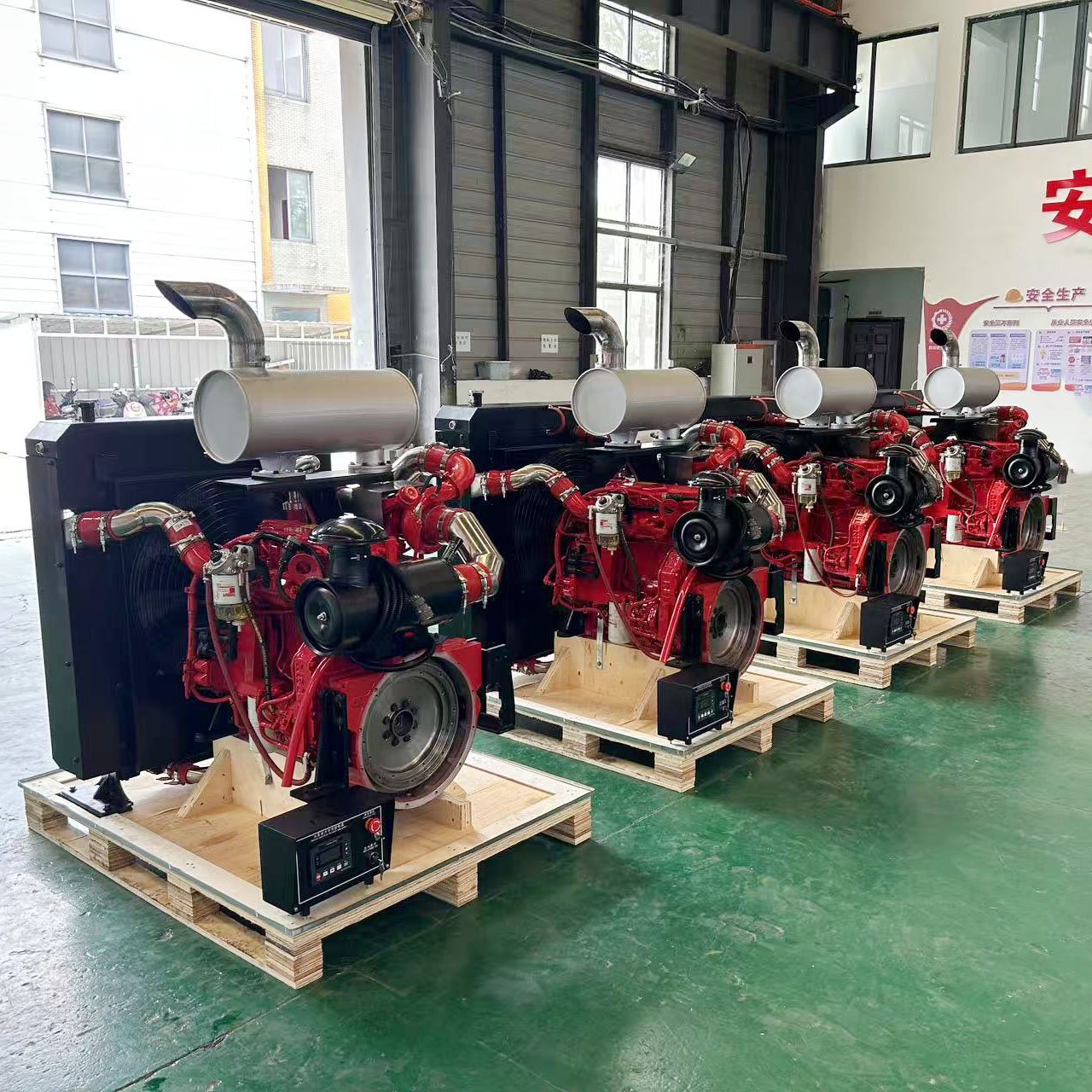
When pricing a diesel water pump engine for fleet, OEM, or project procurement, decision teams need a structured RFQ workflow that separates supplier claims from verifiable performance and contractual controls. This guide focuses on the commercial decision process for diesel water pump engine price evaluation and the RFQ checklist procurement teams should use to avoid downstream surprises.
Below are practical evaluation steps, a single-model comparison table reflecting supplier-page facts, a supplier-qualification checklist you can drop into an RFQ, targeted FAQs, and a short call to action to close the gap between specification and purchase.
Key decision drivers for diesel water pump engine price
Procurement must translate price quotes into a total-cost-of-ownership view. Primary cost drivers include engine power rating and compatibility with the selected pump driver, emissions controls, cooling and mounting interfaces, fuel-system complexity (for example, high-pressure common-rail versus mechanically governed systems), and contractual items such as warranty scope and lead time. Maintenance practices and monitoring systems affect lifecycle fuel consumption and uptime; the U.S. EPA notes that proper engine maintenance can optimize fuel economy, extend engine life, and reduce harmful emissions [1]. Monitoring and telematics can also change operating cost assumptions; the U.S. DOE AFDC recommends monitoring systems to manage fuel use, maintenance schedules, and fleet performance [2].
Separate facts, supplier-page information, and RFQ-confirmation items
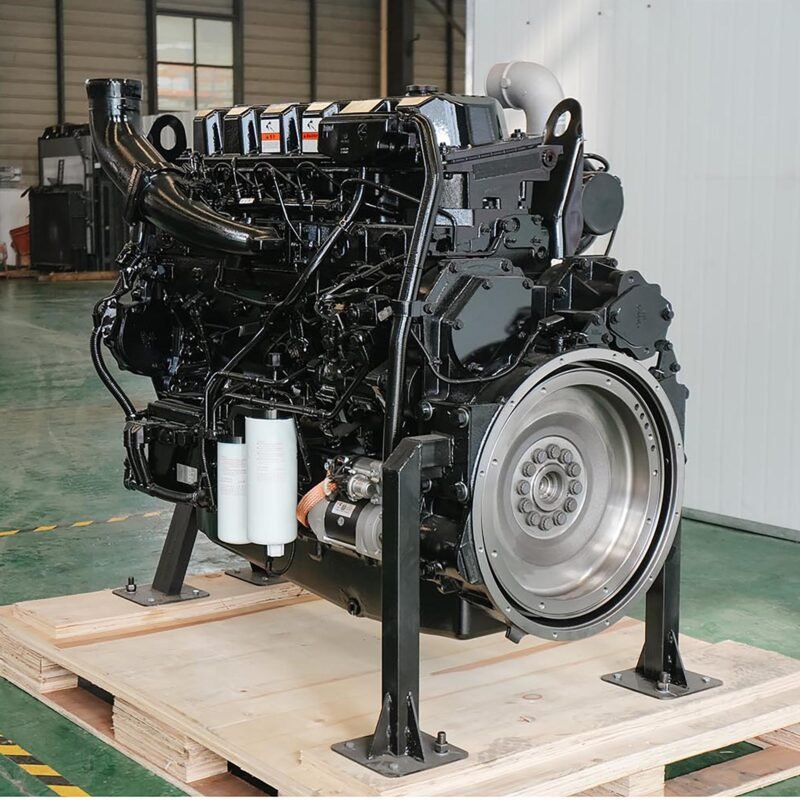
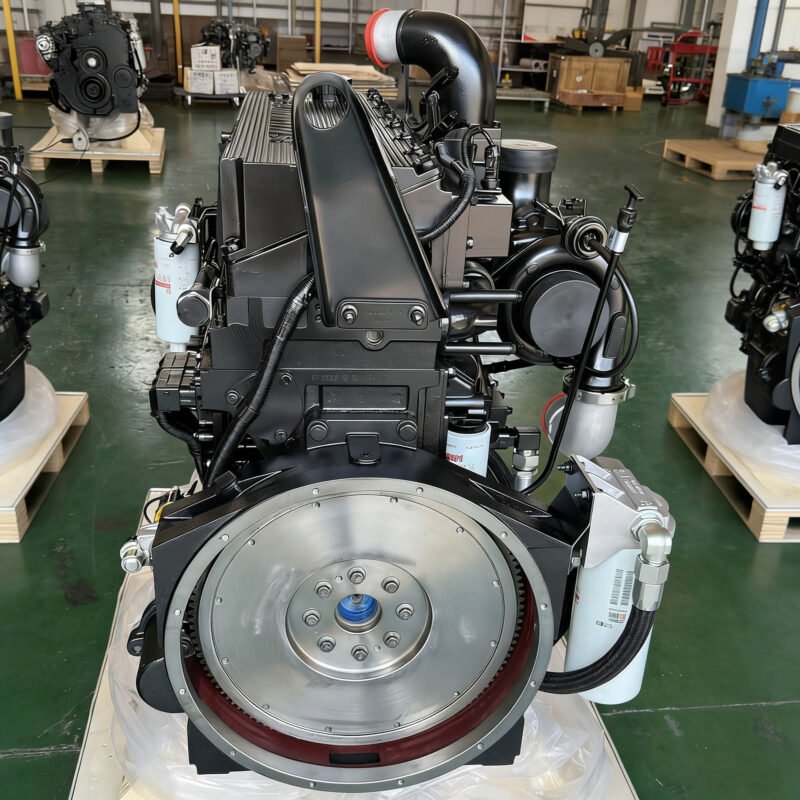
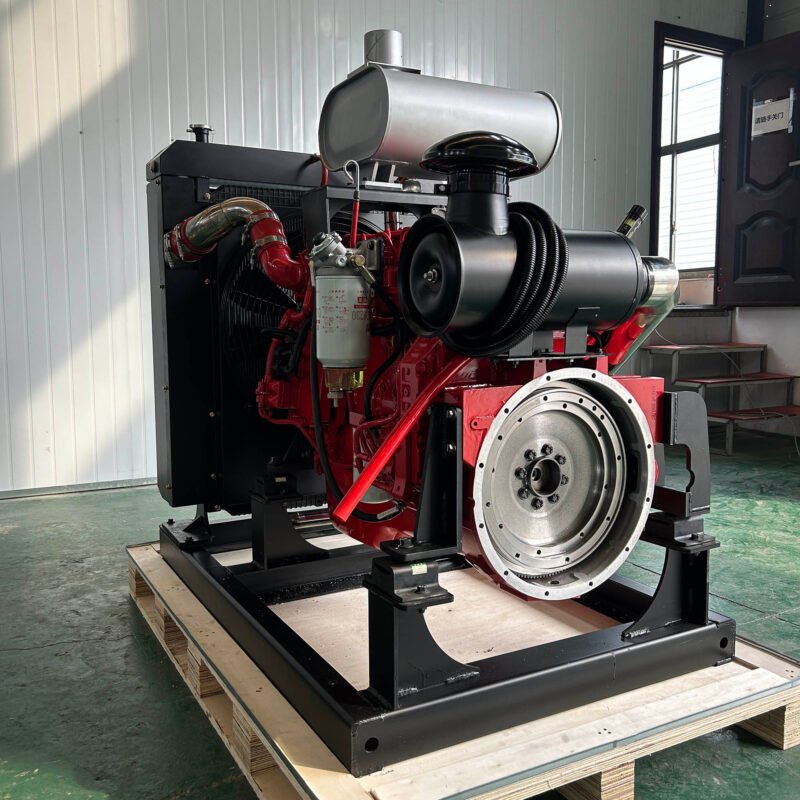
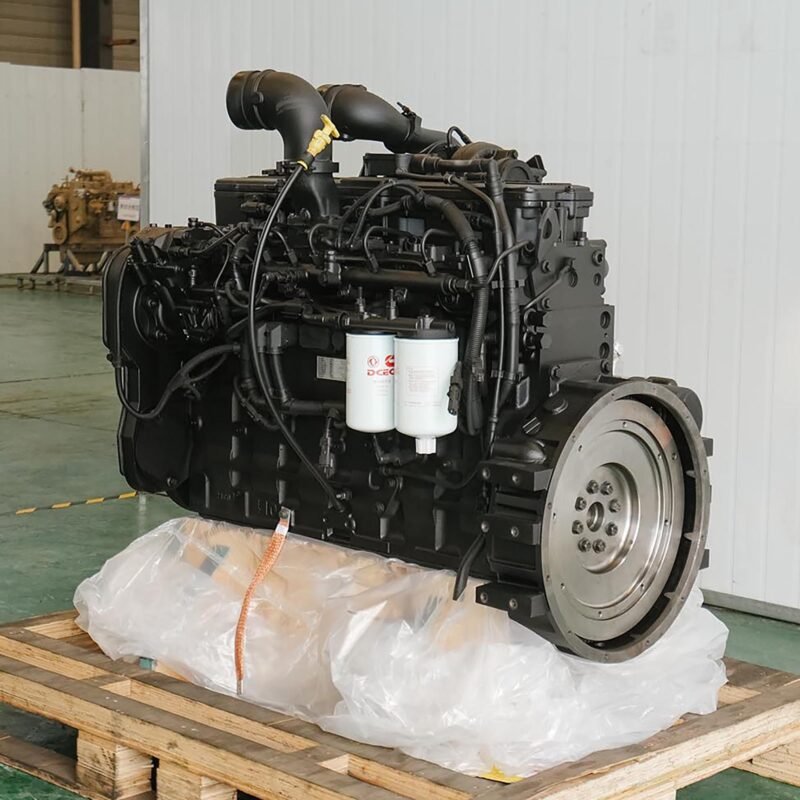
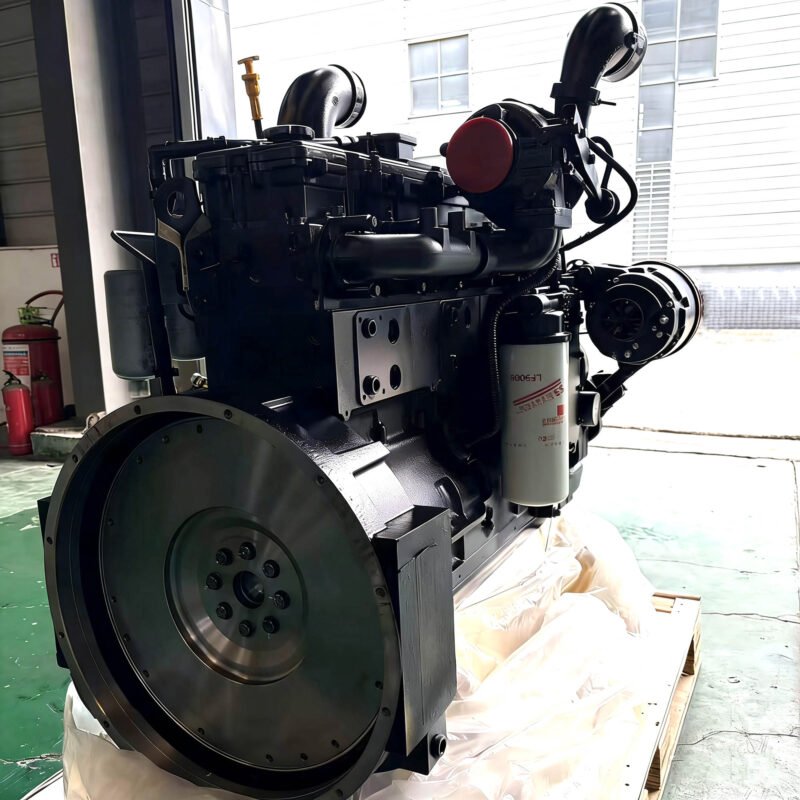
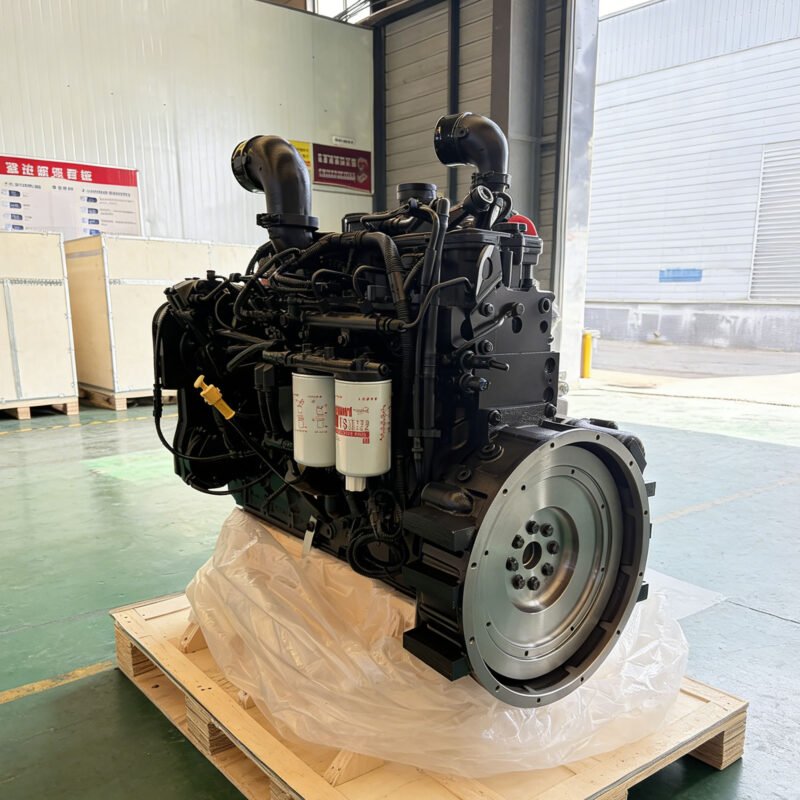
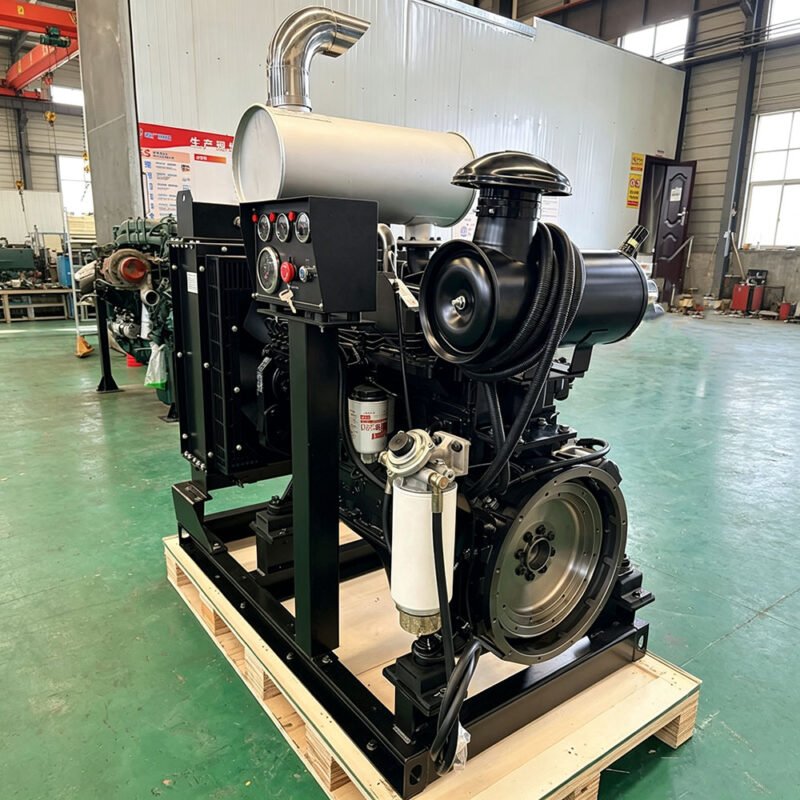
- Supplier-page facts: Use only statements that appear on the supplier’s published product page. For example, the QSB6.7 Water Pump Engine page lists a 6.7 L inline six-cylinder configuration, 250 kW at 3,000 rpm, a high-pressure common-rail fuel system, and applications including fire-water pump sets, industrial circulation, municipal emergency supply, and building water supply. Treat these as supplier-provided data points.
- Independent facts: Use verifiable facts from neutral authorities for operational guidance, such as maintenance and monitoring benefits [1][2].
- RFQ-confirmation required: Any claim not in the supplier page—final pump curve, driver interface details, transient-load capability, emissions-family certification scope, control-panel integration, lead time, warranty terms, and price availability—must be listed as “RFQ confirmation required” or “to be confirmed with the manufacturer.”
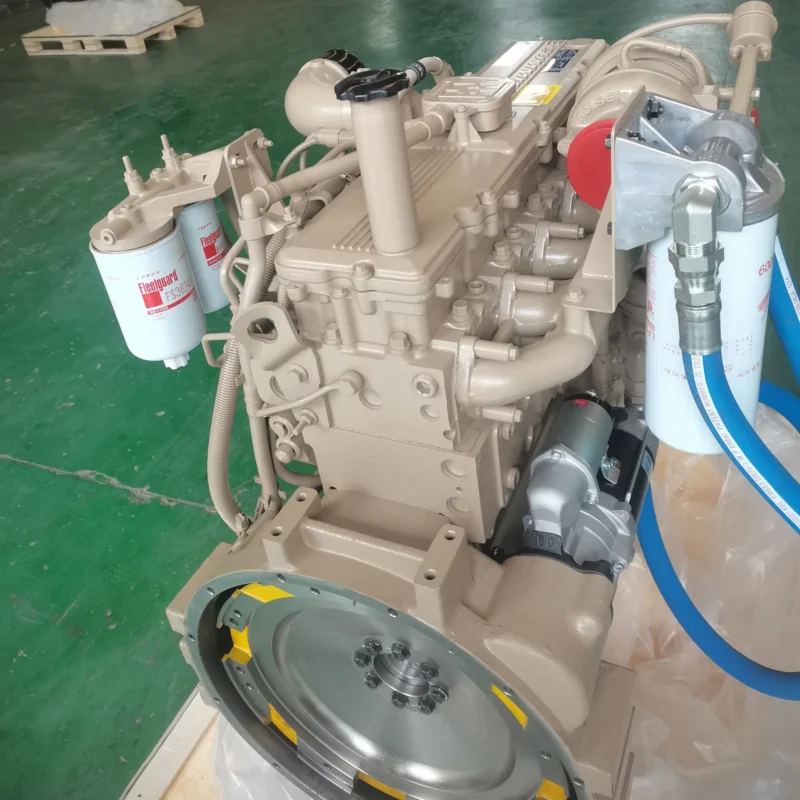
Practical comparison: decision-factor table
| Decision factor | QSB6.7 (supplier page) | RFQ / procurement checkpoint |
|---|---|---|
| Displacement / configuration | 6.7 L, inline six-cylinder | Confirm block model and mounting pattern; request CAD interface |
| Rated power | 250 kW @ 3,000 rpm | Specify required continuous power, prime vs standby duty, and testing standard |
| Fuel system | High-pressure common-rail | Confirm fuel-quality tolerances and filtration needs |
| Typical applications | Fire-water pump sets, industrial circulation, municipal emergency supply, building water supply | Match to duty cycle and required transient response |
| Emissions and certification | Supplier page lists emissions controls — details not specified | Emissions family and certificates: RFQ confirmation required |
| Pump curve / coupling compatibility | Not published on supplier page | Pump manufacturer curve and shaft/coupling spec: RFQ confirmation required |
| Warranty / lead time / price | Not published | Warranty terms, lead time, and exact price: RFQ confirmation required |
RFQ and supplier-qualification checklist
- Reference: include the exact model name and supplier product page link (e.g., QSB6.7 water-pump engine) and the category landing page (Kangjin Power water-pump engines).
- Request verification of rated power at stated rpm, with test protocol and certificate.
- Demand a pump-coupling interface drawing and recommended pump curve match; include vibration and torsional analysis scope.
- Require explicit emissions-family documentation and regional certification statements; note that additional local approvals are to be confirmed with the manufacturer.
- Specify duty cycle (continuous, prime, standby), ambient temperature, altitude, and expected transient load profile; require supplier transient-response test data or test plan.
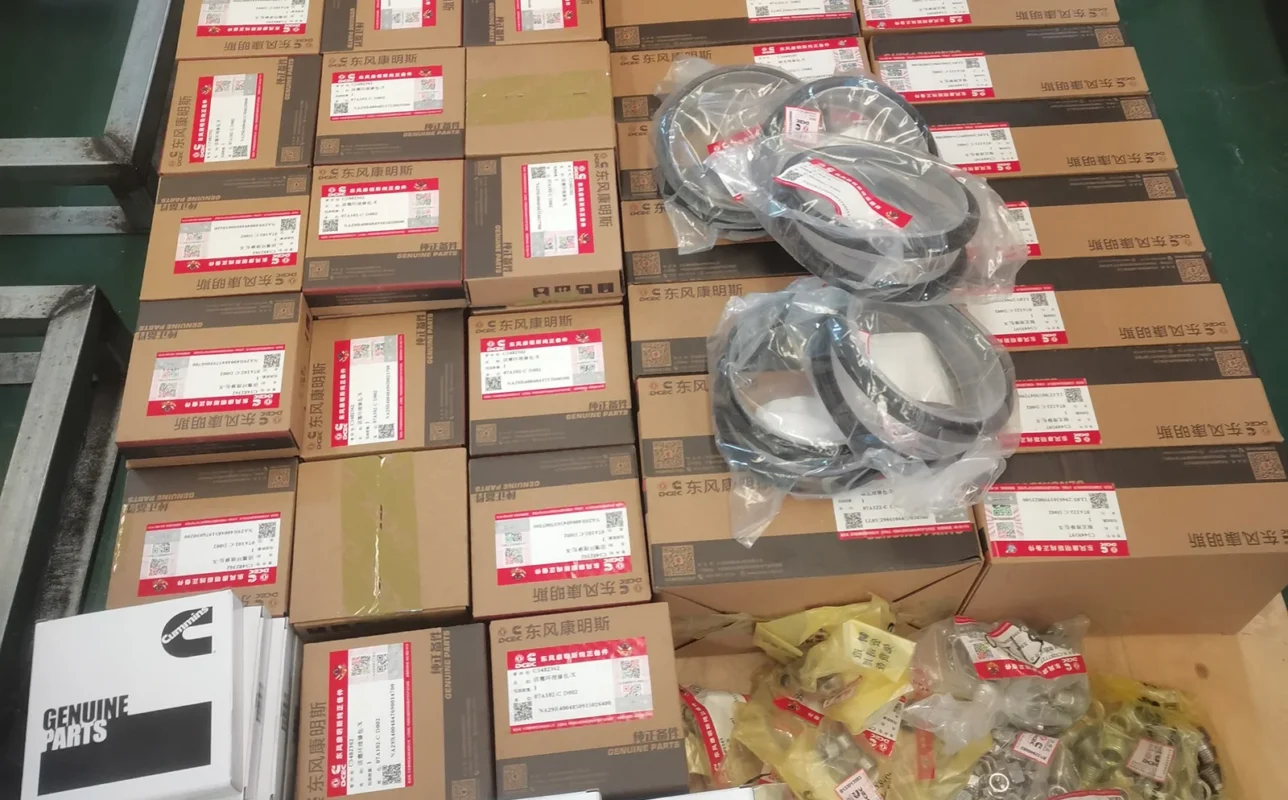
- Request detailed warranty terms, spare-part list with part numbers, and typical lead times for spare parts and engine supply (RFQ confirmation required for actual lead-time figures).
- Ask for service-network map, recommended maintenance schedule, and compatible monitoring/telematics options; include requirement for defined fuel-consumption figures and maintenance-related fuel-economy assumptions.
- Require sample service-level agreement (SLA) and defined acceptance test procedure (factory witness or third-party test options).
- Insist on a firm price structure: base unit price, options, shipping/incoterm, taxes, and currency; state that any unverified price claims are RFQ confirmation required.
- Include compliance attachments: material specs, paint/finish requirements, and hazardous-material documentation for transport.
Operational controls and diagnostics
Operational cost modeling should include scheduled maintenance, fuel-system diagnostics, and remote monitoring. The DOE AFDC notes that monitoring systems can help manage fuel use and maintenance schedules, which reduces total operating cost risk [2]. When requesting vendor proposals, specify required telematics outputs (hours, fuel flow, coolant temp, alarms) to make price comparisons on an apples-to-apples basis.
FAQs
1. How should I compare vendor prices when specifications differ?
Normalize quotes by specifying the exact duty cycle, engine configuration, control package, and test requirements in the RFQ. Require bidders to price optional items separately (e.g., control panel, telemetry). Treat any missing specification as “RFQ confirmation required.”
2. Can I rely on supplier product pages for emissions and performance claims?
Supplier pages provide useful baseline facts, but certificates and test reports must be requested in the RFQ. Emissions-family certificates and transient-load performance are common RFQ-confirmation items.
3. What maintenance information should be mandatory in an RFQ?
Include recommended service intervals, consumables list with part numbers, and a dealer/service-network map. Proper maintenance is proven to optimize fuel economy and extend engine life [1].
4. Is it acceptable to accept a lower initial price for a less-specified engine?
Only if you quantify the resulting changes in lifecycle costs, service intervals, and potential downtime. Lower capital cost can be offset by higher operating or replacement costs; require scenario-based TCO calculations from bidders.
Next step / call to action
Use the checklist above as the RFQ appendix and require bidders to answer each line item explicitly. For model-level reference and to check supplier-published specs, consult the manufacturer product pages linked earlier and mark any missing or unclear items as “RFQ confirmation required” when assembling bids. For detailed technical or compliance interpretation, consult your engineering and legal teams to finalize RFQ language before release.
References
[1] U.S. EPA, Learn about Verified Technologies for Clean Diesel. https://www.epa.gov/verified-diesel-tech/learn-about-verified-technologies-clean-diesel
[2] U.S. DOE Alternative Fuels Data Center, Vehicle Parts and Equipment to Conserve Fuel. https://afdc.energy.gov/conserve/equipment