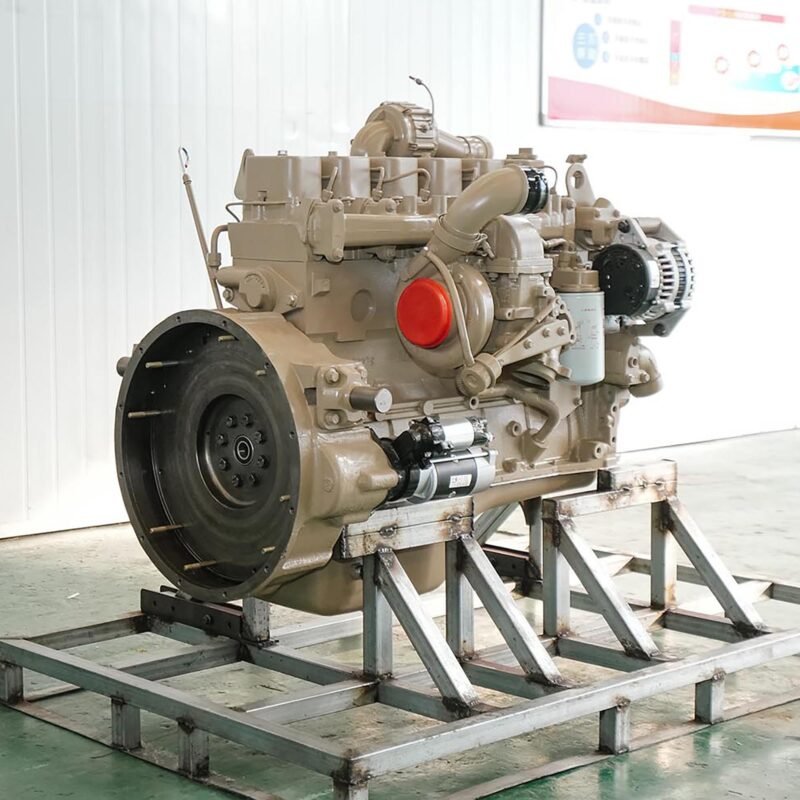
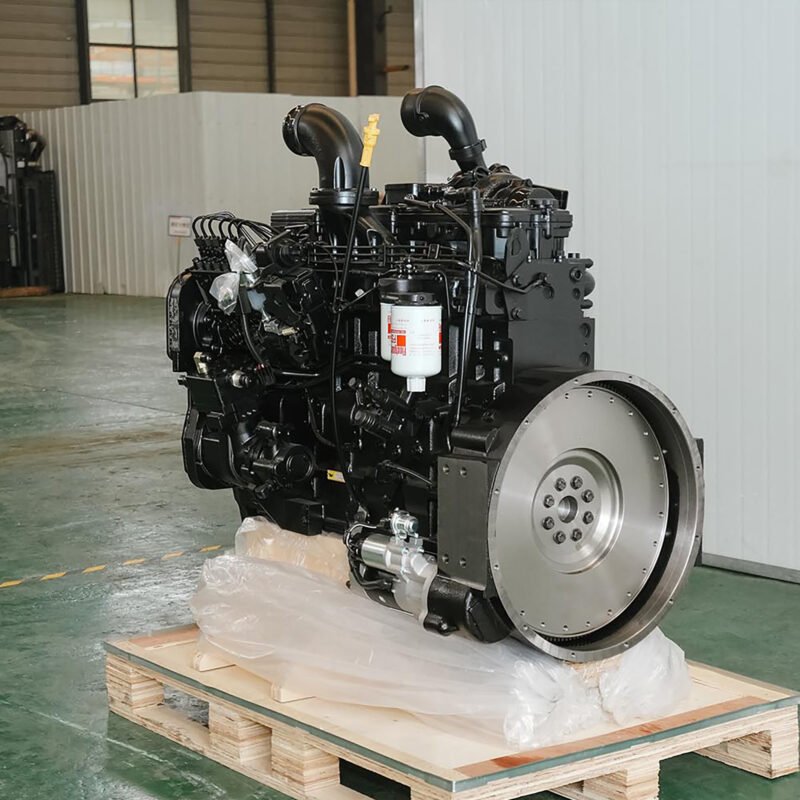
Diesel Engine for Fishing Boat: B2B Sourcing Guide

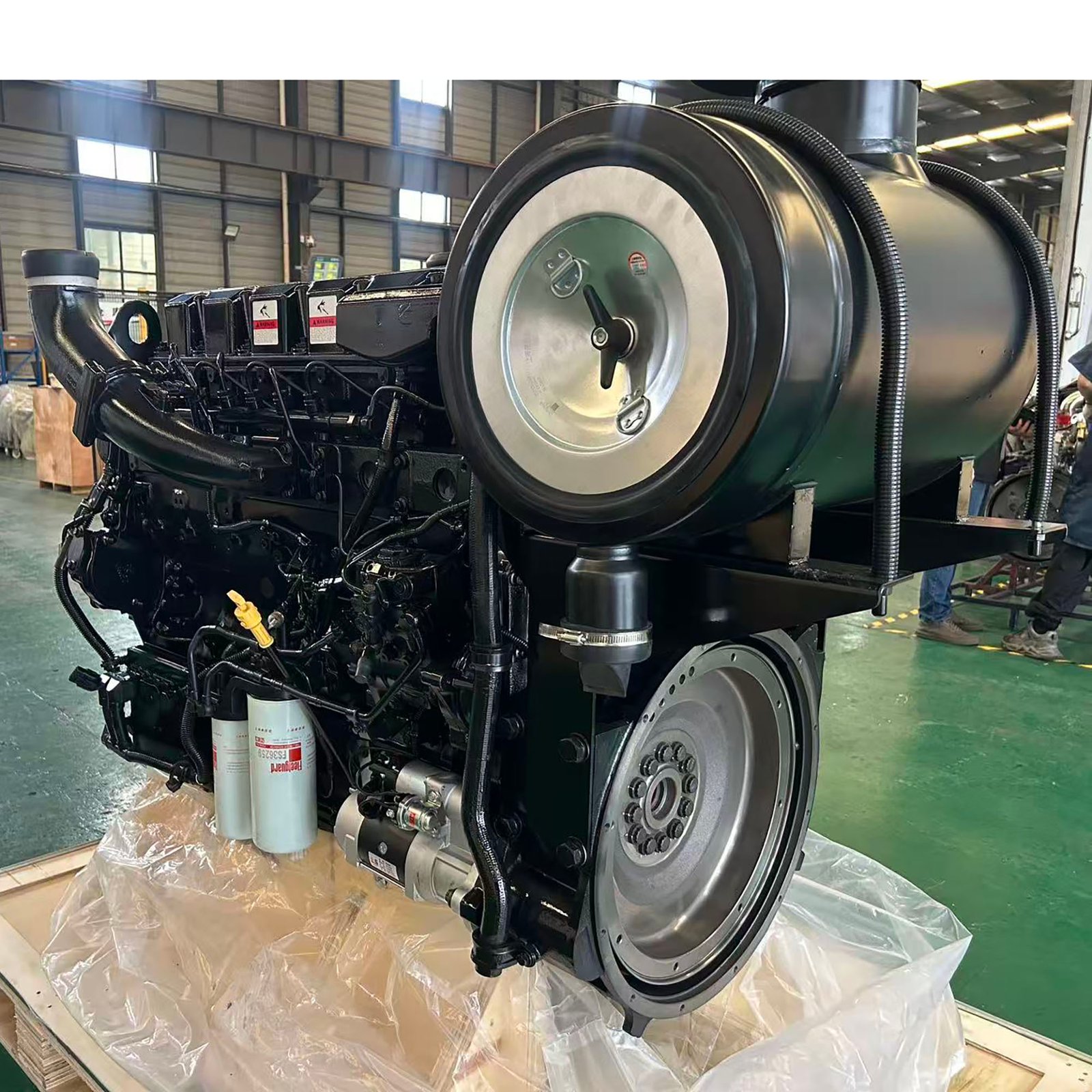
Selecting the right diesel engine for fishing boat operations requires strict technical evaluation. Commercial marine vessels operate under extreme continuous duty cycles. Fleet managers must prioritize brake horsepower, torque curves, and long-term reliability.
Miscalculating hull displacement or ignoring emission compliances can cause severe operational delays. Poor engine selection directly impacts fuel profitability and vessel uptime. This guide breaks down power matching, fuel economics, maintenance cycles, and B2B procurement logic.
How Does Hull Displacement Dictate Marine Engine Power?
Engine output must precisely match the vessel’s hydrodynamic drag. Overpowering a hull wastes fuel and increases thermal stress on internal components. Underpowering prevents the vessel from reaching its designated displacement speed safely.
Marine engines are strictly classified by their operational duty ratings. Commercial fishing vessels typically require Continuous Duty specifications. This rigorous rating ensures the engine can run at full throttle for unlimited annual hours.
Engine Selection Workflow:
- Calculate theoretical hull speed using the waterline length.
- Determine total hull resistance at the target operating speed.
- Select a reduction gear ratio that optimizes propeller efficiency.
- Specify an engine with a continuous output matching the required shaft power.
- Verify the Power Take-Off (PTO) capacity for hydraulic winches.
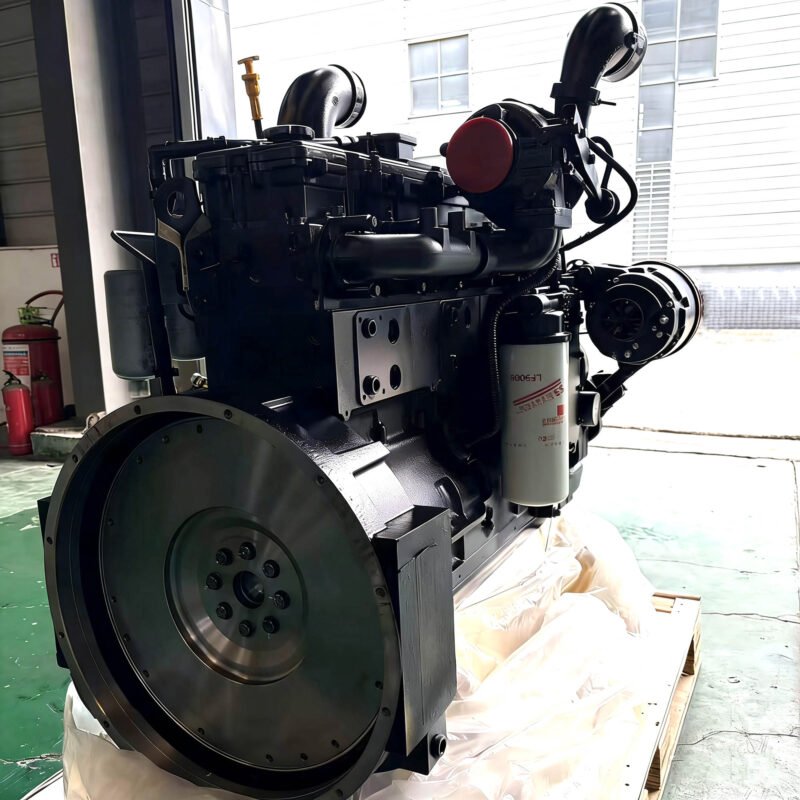
Engine block construction matters deeply in these heavy-duty scenarios. High-strength cast iron alloys are preferred to dampen vibration and resist fatigue. Proper material selection ensures structural integrity during violent ocean swells.
Evaluating Fuel Consumption Rates in Marine Environments
Fuel expenses represent the absolute highest operational cost for commercial fishing fleets. Evaluating the Brake Specific Fuel Consumption (BSFC) is mandatory for procurement. BSFC measures mechanical fuel efficiency by calculating grams consumed per kilowatt-hour (g/kWh).
A highly efficient diesel engine for fishing boat applications operates around 200 to 210 g/kWh. Operating continuously within the engine’s peak torque curve minimizes fuel waste. Engine calibration must align with the vessel’s most frequent cruising RPM.
Fuel Economy Comparison by Load:
| Operating State | Engine Load | Estimated BSFC (g/kWh) | Expected Fuel Efficiency |
| Idle / Maneuvering | 10% – 20% | 250 – 280 | Poor |
| Cruising Speed | 60% – 75% | 200 – 215 | Optimal |
| Full Throttle | 90% – 100% | 220 – 240 | Moderate |
Modern electronic fuel injection systems dramatically improve fuel atomization. Common rail fuel systems maintain high pressure across all engine speeds. This technology reduces exhaust smoke and ensures compliance with strict maritime emissions limits.
Continuous Duty Environments: Trawling and Longlining
Different commercial fishing methods demand distinct mechanical performance profiles. Trawlers drag heavy nets through the water for extended periods. This specific application requires massive low-end torque and substantial front- PTO capacity.
Engine blocks must withstand intense thermal loads during these low-speed, high-resistance operations. Conversely, longliners need highly reliable cruising speeds. They must reach distant, deep-water fishing grounds as quickly as possible.
Marine cooling systems must also adapt to the specific application environment. Tube-and-shell heat exchangers are standard across the industry. However, keel cooling is highly preferred in debris-heavy or shallow coastal waters.
Keel coolers prevent abrasive raw water from ever entering the engine block. This closed-loop configuration drastically reduces internal corrosion risks. It requires external hull mounting but saves significant downtime during harvest seasons.
Maintenance Workflows for Saltwater Operating Conditions
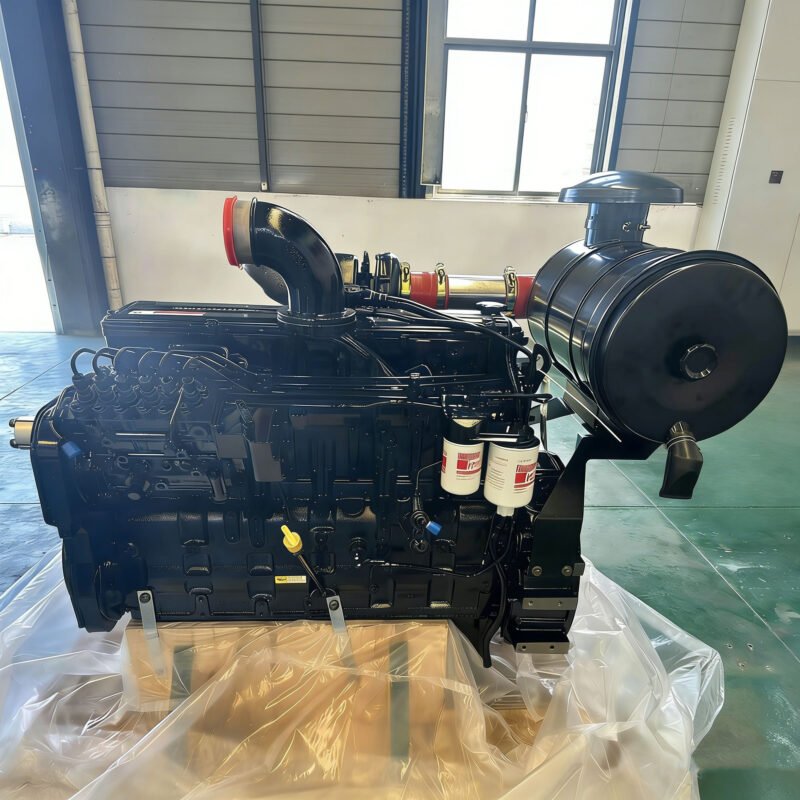
Saltwater environments introduce severe metallurgical corrosion and constant lubrication challenges. Strict preventive maintenance schedules dictate overall vessel uptime and commercial profitability. Engineers must aggressively monitor zinc anodes within the raw water circuit.
These sacrificial anodes prevent galvanic corrosion from destroying critical engine metals. Routine oil sampling should occur every 250 to 500 operating hours. Spectrometric oil analysis detects early bearing wear or dangerous fuel dilution issues.
Routine Maintenance Schedule Guidelines:
- Daily: Check coolant levels, inspect raw water strainers, and drain water separators.
- 500 Hours: Replace lubricating oil, change fuel filters, and inspect sacrificial anodes.
- 1000 Hours: Clean heat exchanger bundles and verify mechanical valve clearances.
- 5000 Hours: Calibrate fuel injectors and inspect turbocharger bearing tolerances.
Marine-grade electrical systems require equal attention to prevent failure. Alternators should utilize dual-wire isolated returns to stop stray electrical currents. Copper-nickel (CuNi 90/10) alloys should be mandatory for all heat exchanger tubing.
OEM Sourcing: Lead Times, Compliance, and RFQ Workflows
Purchasing a commercial marine engine involves complex B2B supply chain evaluations. Buyers must verify that the selected engine meets International Maritime Organization (IMO) standards. Depending on the region, Tier II or Tier III compliance is legally required.
Factory production capacity directly impacts project lead times and shipyard schedules. Standard marine engine blocks usually require 6 to 8 weeks for assembly. Customizing the PTO, alternator size, or cooling configuration can extend delivery timelines.
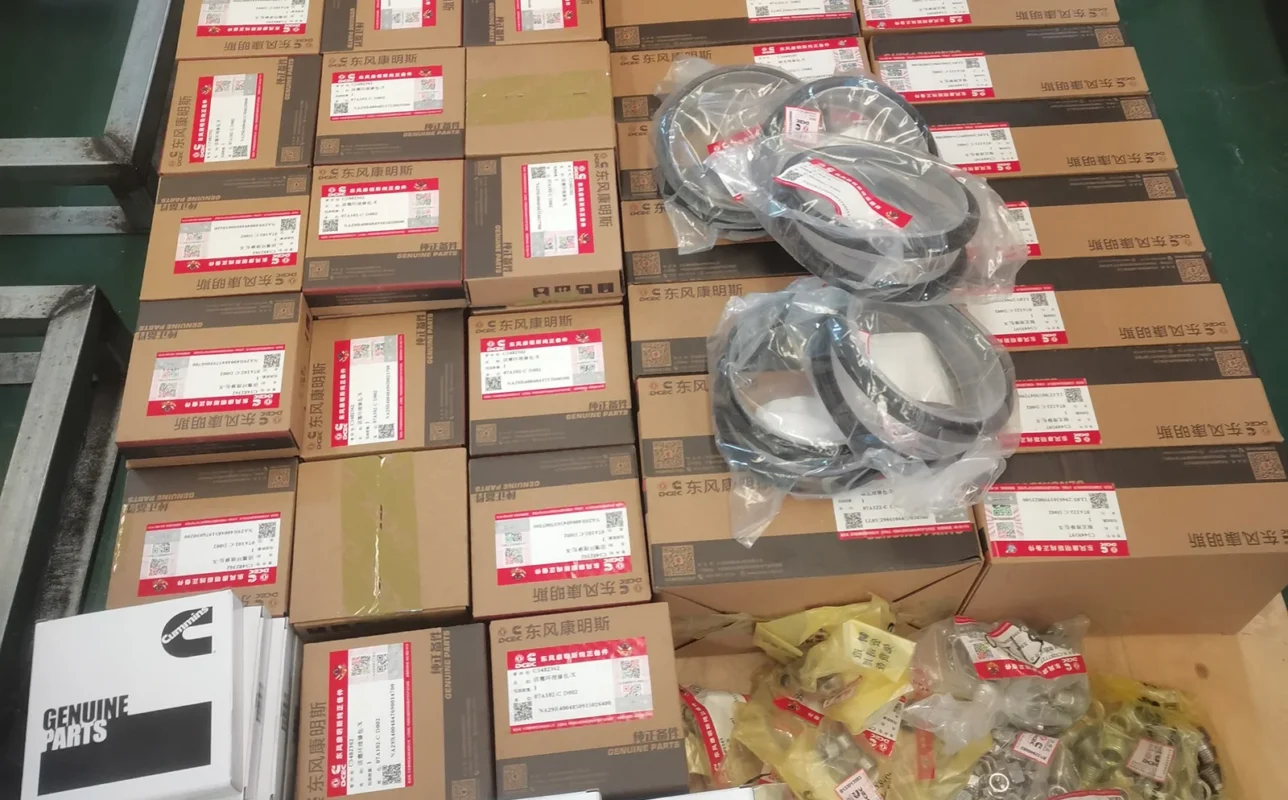
During the Request for Quote (RFQ) process, demand exact engine torque curves. OEM partners must also provide comprehensive warranty terms and global spare parts availability. Sourcing locally available replacement filters and injectors prevents catastrophic seasonal downtime.
Building a Power Partnership with Kangjin Power
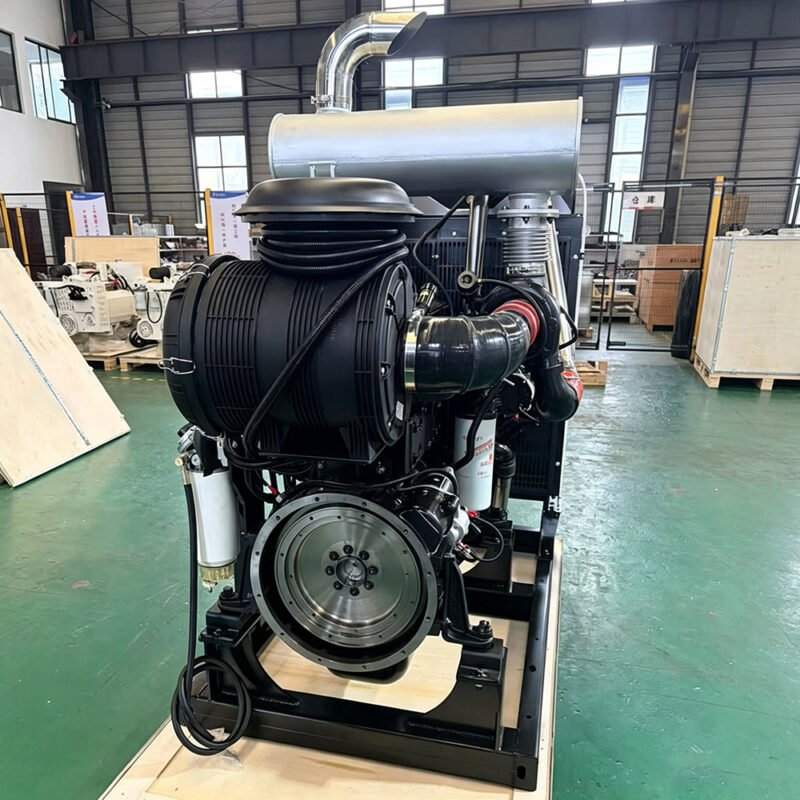
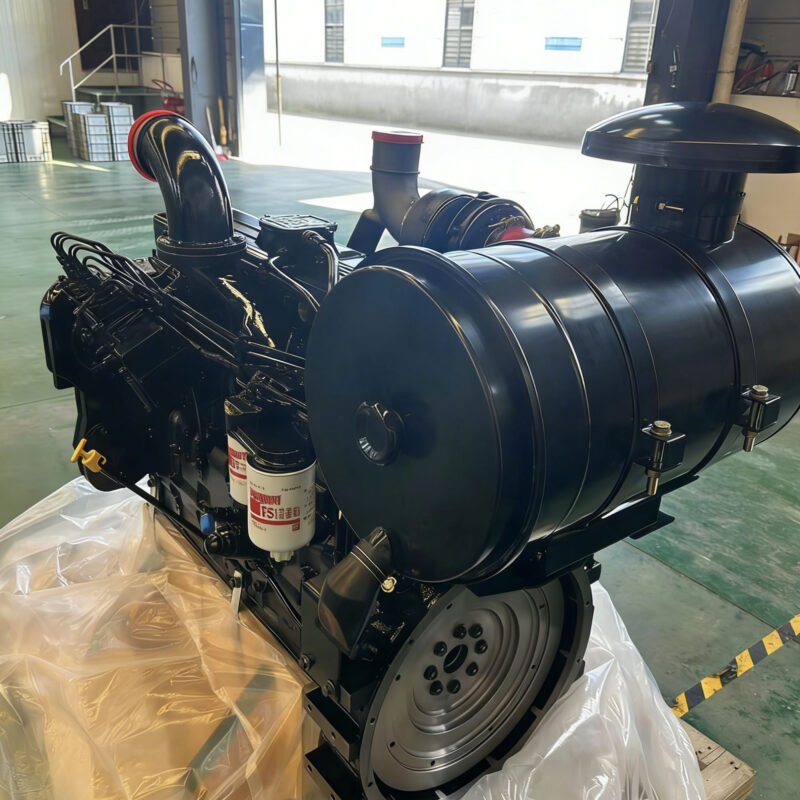
When sourcing a reliable diesel engine for fishing boat fleets, manufacturer expertise is crucial. Xiangyang Kangjin Power Technology Co., Ltd. provides robust engine solutions trusted by global customers. Their manufacturing logic ensures extreme reliability under continuous heavy loads.
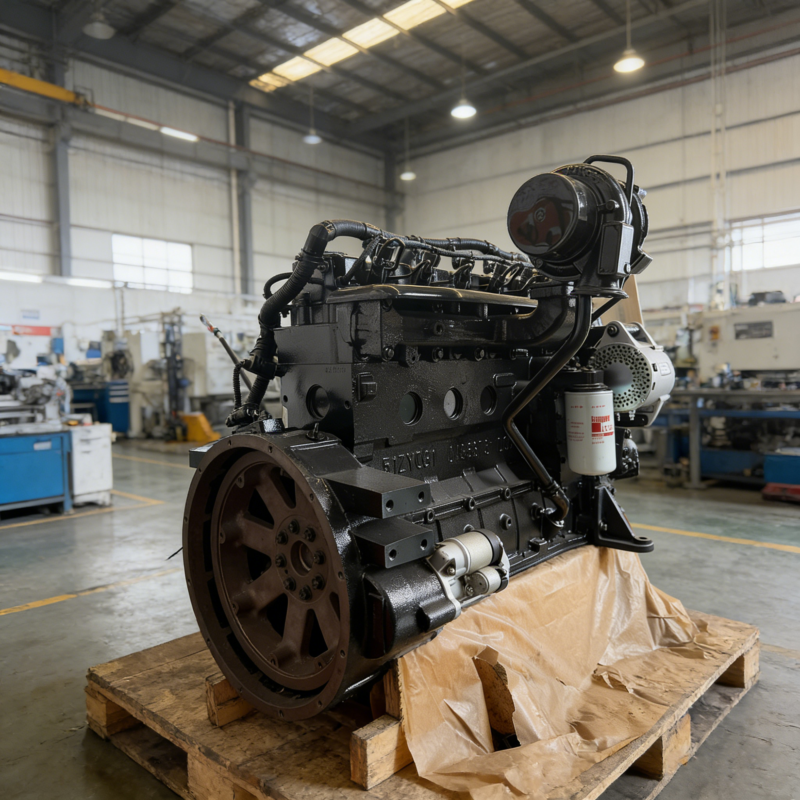
Their engineering capabilities extend across multiple heavy-duty industrial sectors. For instance, the high durability found in their construction machinery engines utilizes rugged block architectures. This core technology is highly adaptable for rigorous marine propulsion requirements.
Buyers looking to integrate dependable power systems can initiate a trial order. Their team offers professional advice, fast responses, and customized export support. Visit their Contact Us page to submit an RFQ and receive technical specifications today.
FAQ
What is the standard MOQ for customized marine diesel engines?
Most OEM manufacturers accept a Minimum Order Quantity (MOQ) of one unit for large marine engines. However, volume pricing discounts typically apply for fleet procurement exceeding five continuous units.
How long does the RFQ and factory production process take?
Initial RFQ technical evaluations usually take 48 to 72 hours. Standard engine production lead times range from 30 to 45 days. Modifications to the PTO or flywheel housing can extend this timeframe.
Do these marine engines comply with IMO and EPA emission standards?
Yes, reputable manufacturing facilities provide engines certified to IMO Tier II, Tier III, and EPA standards. You must specify your vessel’s operating region during the RFQ to ensure legal compliance.
What details are required to configure the front PTO system?
Buyers must provide exact hydraulic pump specifications, required torque limits, and rotational direction. The factory engineering team will then match the engine’s front gear train to your equipment.
Can the factory provide customized marine cooling solutions?
Yes, OEM suppliers can configure engines for either heat exchanger or keel-cooled operations. You must clarify your hull design and operating water conditions prior to placing the order.
Reference Sources
- ISO 8665: Marine propulsion engines and systems — Power measurements and declarations.
- IMO MARPOL Annex VI: Regulations for the Prevention of Air Pollution from Ships.
- ASTM D975: Standard Specification for Diesel Fuel Oils and marine applications.
- IEEE 45: Recommended Practice for Electrical Installations on Shipboard.