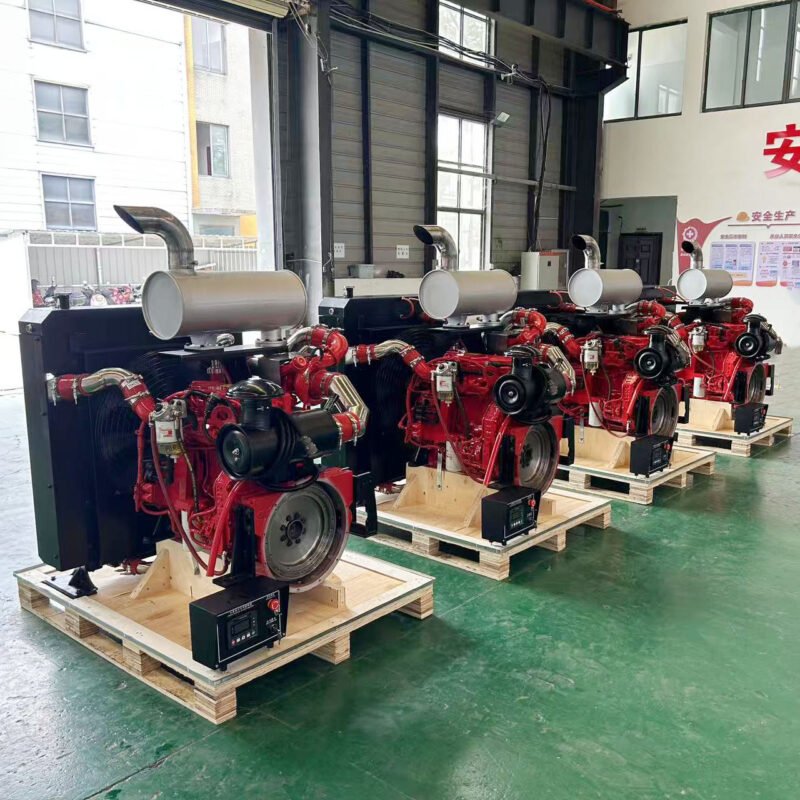
Diesel Engine for Excavator: Power & Selection Guide

An excavator relies entirely on its power plant to drive high-pressure hydraulic pumps and track motors. Selecting a diesel engine for excavator applications requires precise matching of gross horsepower with hydraulic load demands. Operating in high-dust and heavy-shock environments means these engines need specialized cooling and torque characteristics.
For OEM project managers and fleet maintenance directors, choosing the right engine impacts machine uptime and operating costs. A poorly matched engine will suffer from hydraulic stalling during heavy digging. Conversely, an oversized engine leads to unnecessary fuel consumption and emissions compliance issues. Procurement teams must evaluate torque curves, power-to-weight ratios, and physical mounting constraints before approving a replacement.
What Determines the Power Requirements for Excavators?
Engine power requirements scale directly with the operating weight of the excavator and the displacement of its hydraulic pumps. An engine must generate enough rotational force to maintain RPMs when the hydraulic system demands maximum pressure.
Engineers calculate power needs based on hydraulic parasitic loads. A standard hydraulic system operates at 300 to 350 bar (4,350 to 5,075 psi). The engine must overcome this resistance without dropping below its peak torque band.
The table below outlines typical power configurations for different excavator weight classes:
| Excavator Class | Operating Weight | Required Power (kW) | Typical Displacement |
| Compact / Mini | 3 to 8 Tons | 20 to 50 kW | 1.5L to 3.3L |
| Mid-Size | 15 to 25 Tons | 90 to 130 kW | 4.5L to 6.7L |
| Heavy-Duty | 30 to 45 Tons | 150 to 260 kW | 8.3L to 9.0L |
| Mining / Mass | 50+ Tons | 300+ kW | 11.0L to 15.0L |
When selecting an engine block, the displacement must align with the machine’s primary function. Heavy trenching requires higher displacement to produce low-end torque, whereas finish grading relies more on responsive engine RPMs.
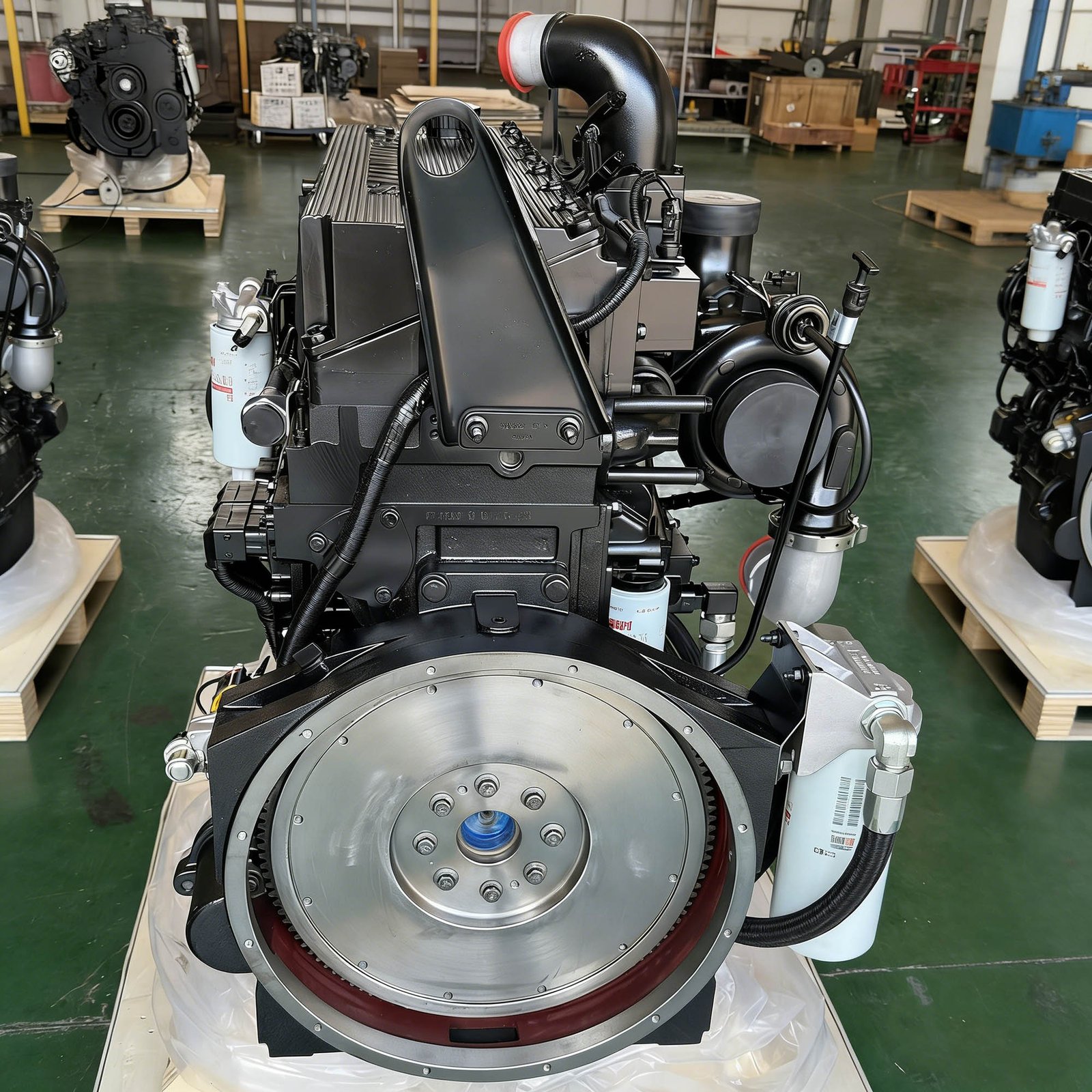
Key Selection Criteria for Construction Machinery Engines
Sourcing a reliable power plant requires looking beyond basic horsepower ratings. Industrial buyers must evaluate the specific physical and mechanical traits that dictate field performance.
Low-End Torque and Torque Rise
Excavators experience sudden, severe load spikes when a bucket strikes bedrock. The engine must feature a high torque rise percentage. This allows the engine to recover RPMs quickly under heavy lug-down conditions without stalling.
Flywheel and PTO Compatibility
Hydraulic pumps mount directly to the engine’s rear gear train or flywheel housing. The replacement engine must feature the correct SAE bell housing standard. Common sizes for mid-size excavators include SAE #2 or SAE #3 housings. Verifying the spline count on the Power Take-Off (PTO) ensures seamless pump integration.
Cooling System Capacity
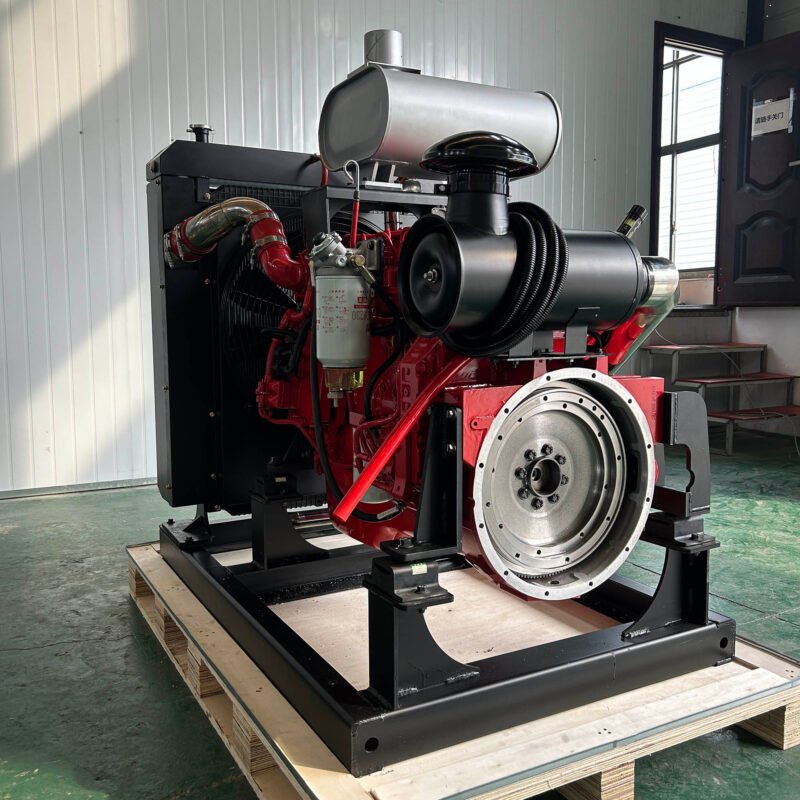
Construction sites generate severe dust and debris, which restricts airflow through radiators. A proper diesel engine for excavator use features a high-capacity water pump and a specialized cooling fan drive. Engines designed for stationary generators often fail in excavators due to insufficient thermal management under variable loads.
Emissions Compliance Standards
Regulatory compliance strictly dictates engine selection. Machines operating in North America or Europe require EPA Tier 4 Final or EU Stage V engines. These utilize complex aftertreatment systems like DPF (Diesel Particulate Filters) and SCR (Selective Catalytic Reduction). Fleet managers operating in non-regulated regions often prefer Tier 3 mechanical engines for their simplicity and tolerance of high-sulfur fuel.
Excavator Engine Replacement vs. Rebuild: Cost Drivers
Equipment owners eventually face a critical decision: rebuild the failing engine or purchase a complete drop-in replacement. This evaluation depends heavily on shop capacity, machine downtime costs, and the extent of the internal damage.
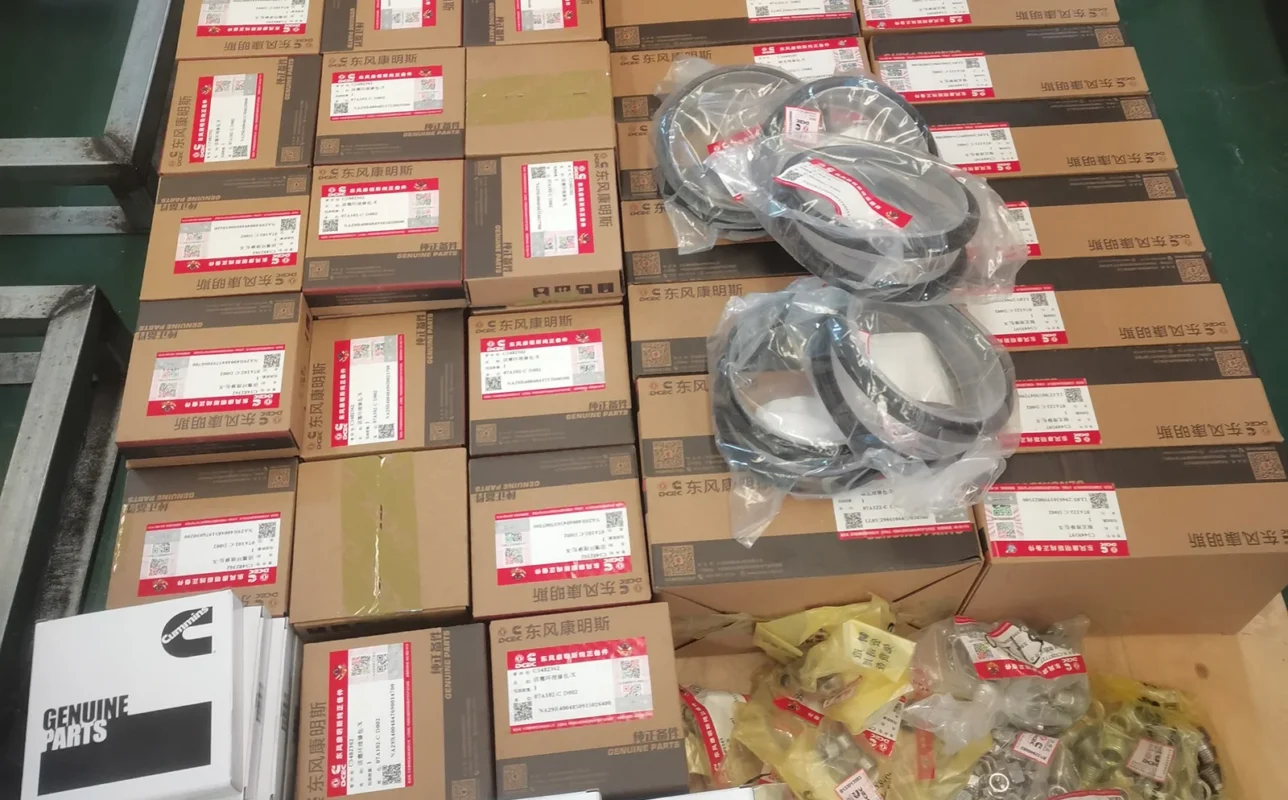
Rebuilding is viable when the engine block and crankshaft remain intact. It requires sourcing individual rebuild kits containing pistons, rings, bearings, and gaskets. However, rebuilding ties up shop space and requires highly specialized labor. Delays in parts availability can keep a machine offline for weeks.
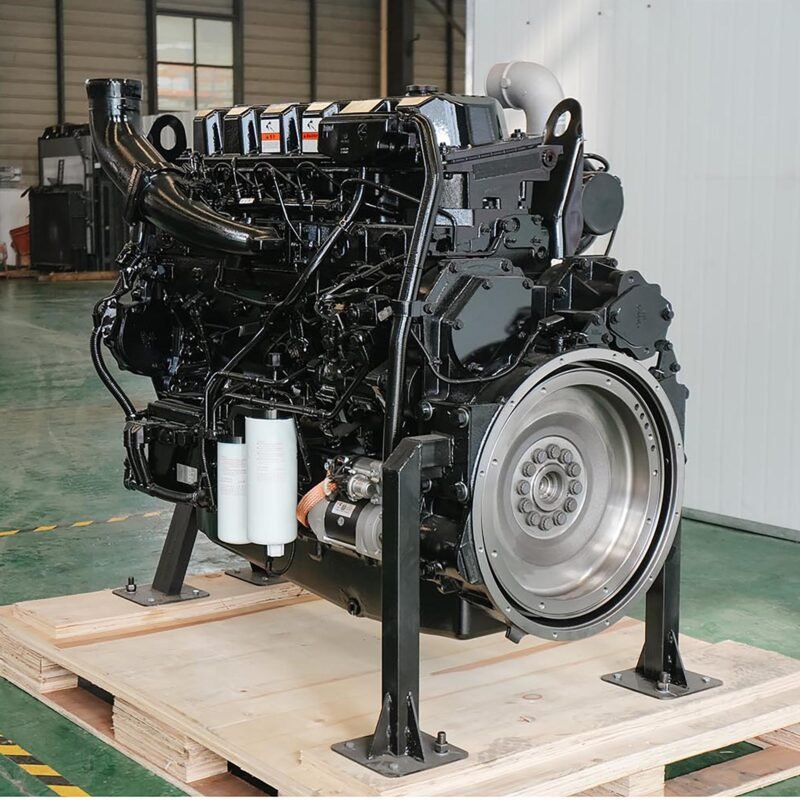
Purchasing a complete replacement engine accelerates the repair timeline. A drop-in assembly arrives fully timed, tested, and ready to bolt into the chassis. While the upfront capital expenditure is higher, the reduction in machine downtime often offsets the cost for active construction fleets.
If the original engine suffered a catastrophic failure—such as a thrown connecting rod or a cracked block—replacement is the only structurally safe option.
Application Scenario: Sourcing the Right 8.3L Engine
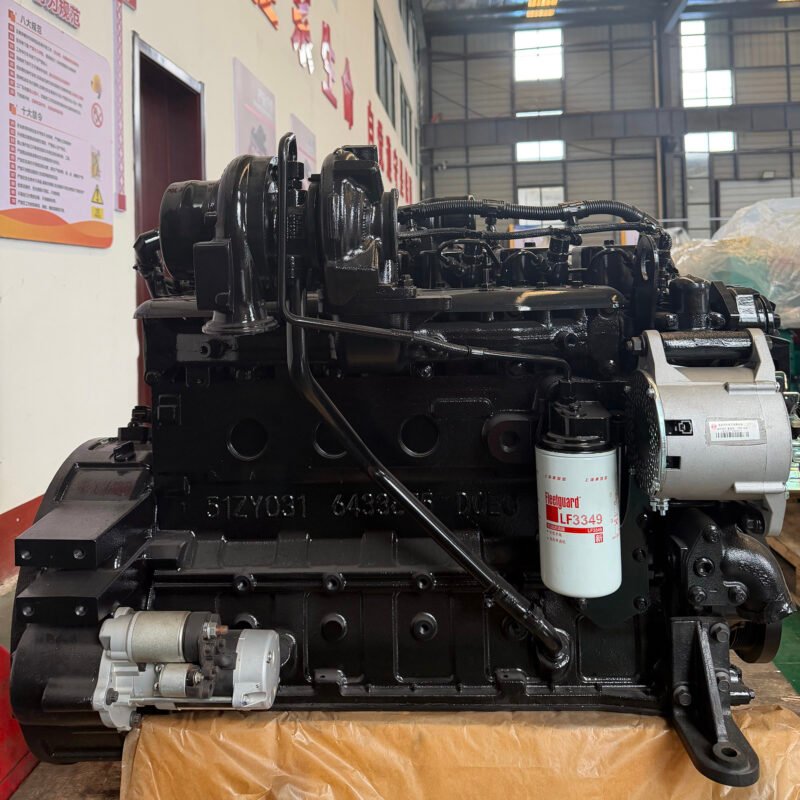
Matching the exact engine family to an existing excavator chassis minimizes fabrication work. The 30-ton excavator class frequently utilizes 8.3-liter power plants due to their proven power-to-weight ratio and mechanical reliability.
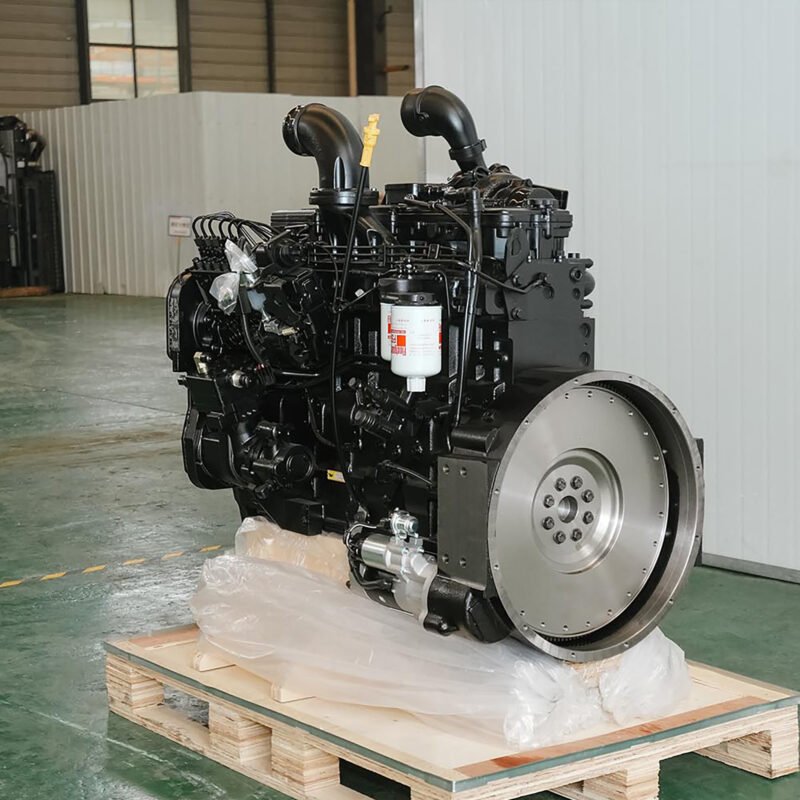
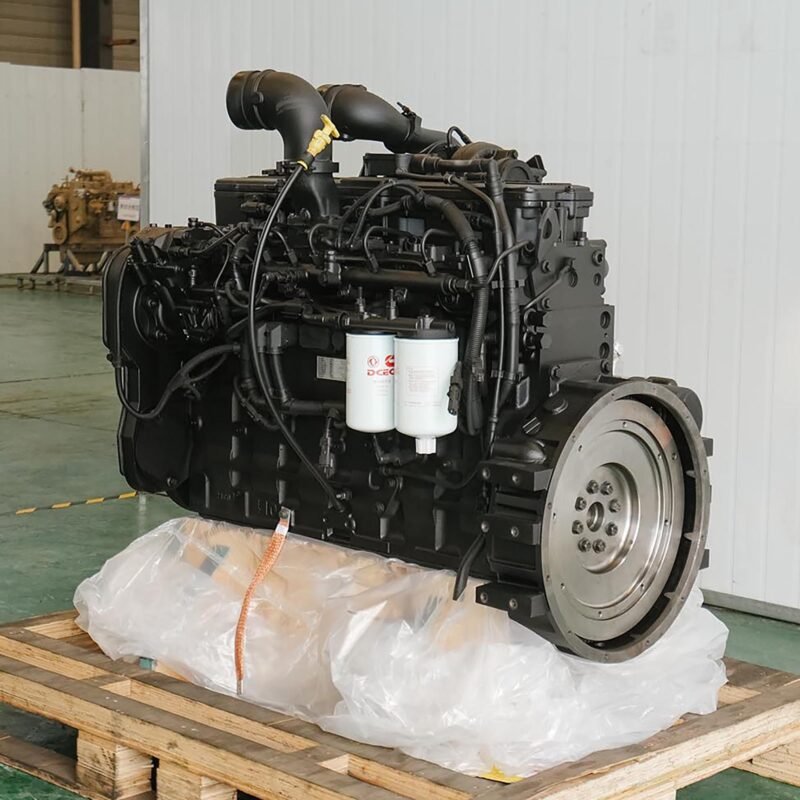
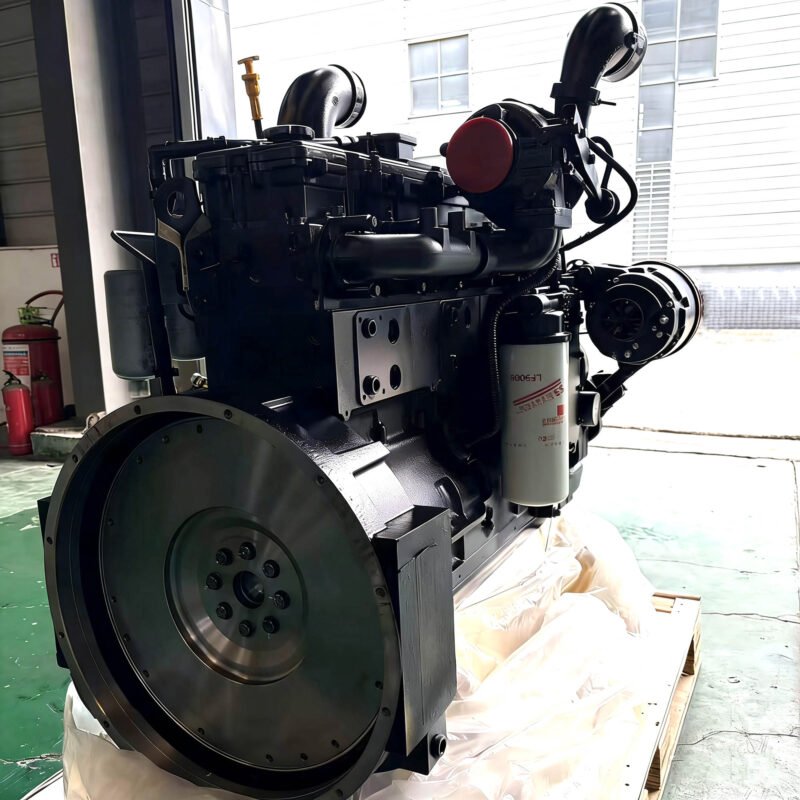
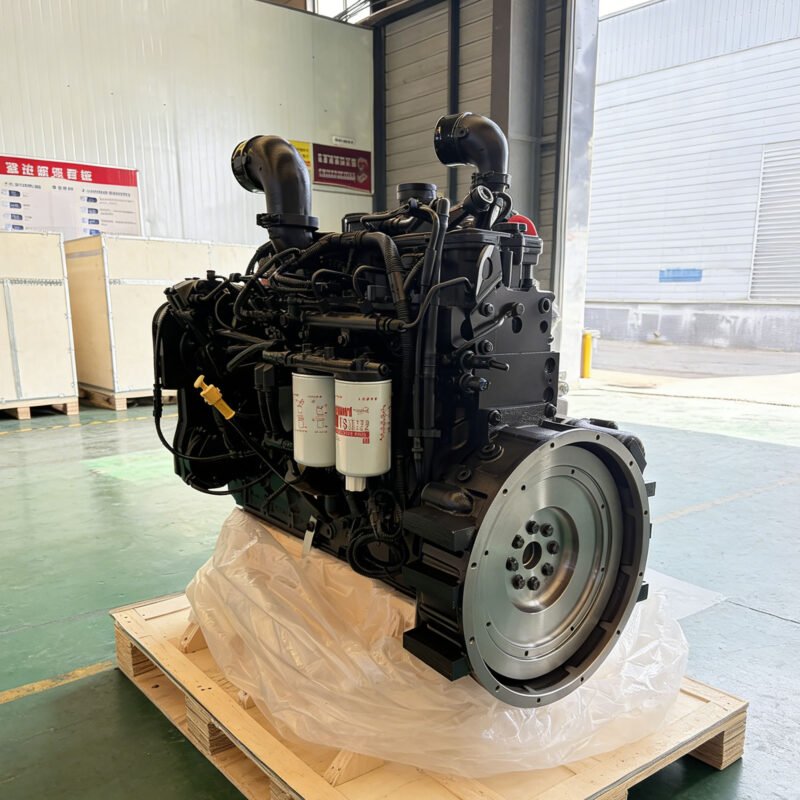
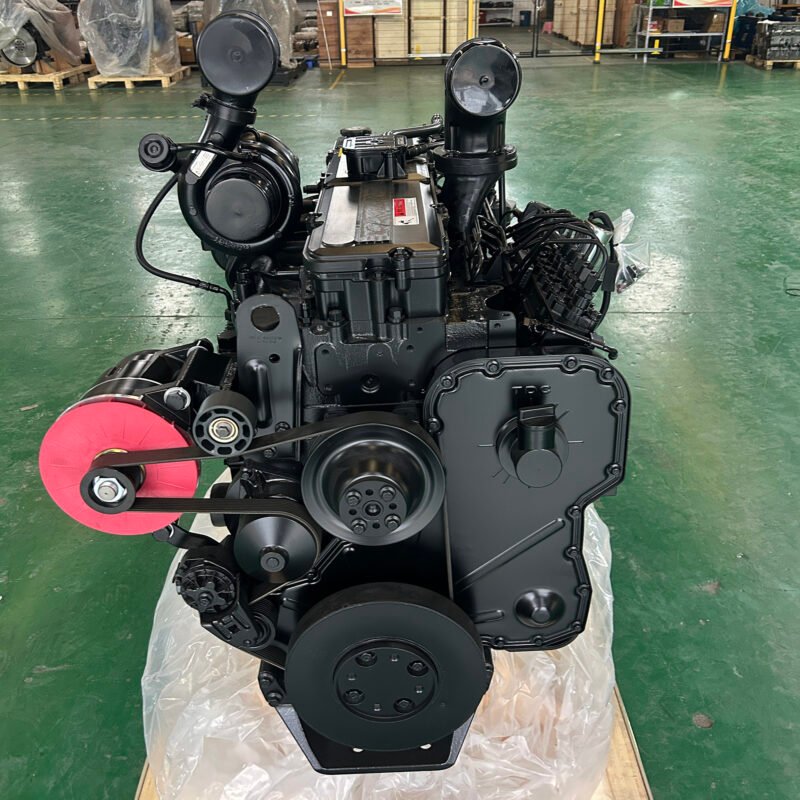
A prime example is the 6CTA8.3 diesel engine. This inline 6-cylinder, turbocharged unit is a recognized workhorse in heavy construction equipment. It delivers exceptional low-end torque required for high-flow hydraulic pumps. Its direct-injection fuel system handles varying fuel qualities found on remote job sites.
When fleet directors evaluate construction machinery engines, they must confirm the engine configuration matches the original OEM specs. This includes verifying the turbocharger mounting position, the oil pan profile, and the exhaust manifold routing. An incorrect oil pan profile can cause interference with the excavator’s lower frame crossmembers.
Suppliers offering these industrial engines should provide comprehensive technical specifications. Procurement teams looking to secure replacement engines or confirm dimensional compatibility can contact technical support to ensure the selected unit aligns with their hydraulic pump interfaces and cooling system constraints.
FAQ
How do I match a hydraulic pump to a replacement excavator engine?
You must match the SAE flywheel housing number and the flywheel bore dimensions. The hydraulic pump adapter flange bolts directly to this housing. Checking the rotational direction and PTO spline configuration is also mandatory before installation.
What is the typical lead time for sourcing a complete drop-in engine?
Lead times vary based on configuration and inventory. Standard mechanical engines may ship within days if stocked locally. Highly customized engines or those requiring specific Tier 4 aftertreatment assemblies can take several weeks to assemble and test.
Can I replace a Tier 4 Final engine with a Tier 3 engine?
In highly regulated regions like the US and EU, emissions tampering laws prohibit replacing a certified Tier 4 machine with a lower-tier engine. Export machines or equipment operating in unregulated territories can legally utilize Tier 3 mechanical engines.
What is the difference between an excavator engine and a generator engine?
Excavator engines are tuned for variable speeds and rapid load acceptance. They feature structural oil pans to withstand chassis torsion. Generator engines are governed for a constant RPM (typically 1500 or 1800 RPM) and lack the structural reinforcements required for mobile machinery.
Reference Sources
- SAE International (SAE J617): Engine Flywheel Housings and Standard Dimensions. Used to determine standardized mounting interfaces for heavy-duty fluid power pumps.
- U.S. Environmental Protection Agency (EPA): Nonroad Compression-Ignition Engines: Exhaust Emission Standards. Outlines the regulatory requirements for Tier 3 and Tier 4 Final compliance in construction machinery.
- ISO 3046-1:2002: Reciprocating internal combustion engines — Performance. Specifies standard reference conditions and declarations of power, fuel, and lubricating oil consumption.