How to Choose Diesel Engine for Heavy Equipment: Spec Guide

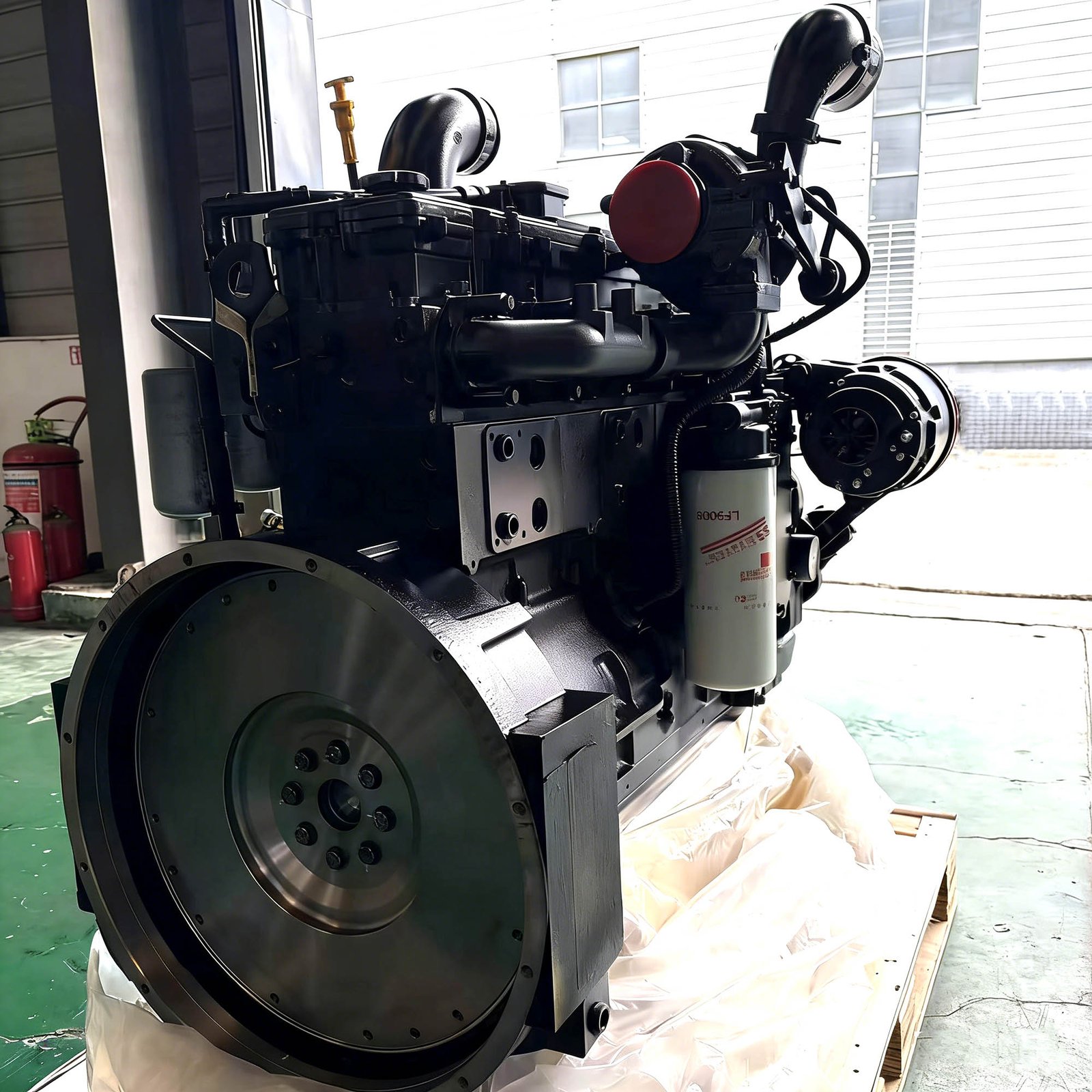
Selecting the right powerplant for construction machinery dictates operational lifespan. Engineers must balance torque characteristics and emission regulations daily. This guide explains how to choose diesel engine for heavy equipment accurately.
You will learn to evaluate mechanical parameters and environmental constraints. Matching engine specifications to exact manufacturing requirements reduces long-term maintenance costs. Correct sizing prevents unexpected downtime on demanding job sites.
How Torque Curves Dictate Heavy Equipment Performance
Horsepower determines top speed, but torque generates the required pulling force. Heavy equipment relies on low-end torque during digging or lifting phases. Peak torque must occur at lower engine speeds.
- Peak Torque RPM: Industrial engines must achieve maximum torque between 1,200 and 1,500 RPM.
- Torque Rise: A high torque rise prevents stalling under sudden mechanical loads.
- Duty Cycle: Engines must sustain 80% of maximum load without thermal degradation.
Smaller displacements require forced induction to meet high torque demands. Large-capacity engines rely on sheer displacement volume for stability. Evaluating torque-to-weight ratios ensures chassis stability without compromising payload capacity.
Emissions Compliance: EPA Tier 4 Final vs. EU Stage V
Modern engine procurement requires strict adherence to regional emission regulations. Failing to integrate compliant powerplants causes severe customs rejections. It also leads to heavy operational fines.
- EPA Tier 4 Final: Mandates drastic reductions in particulate matter using Selective Catalytic Reduction.
- EU Stage V: Adds a strict particle number count limit requiring standard particulate filters.
- Unregulated Markets: Regions without strict laws often prefer Tier 2 engines with mechanical injection.
OEMs must factor in the physical footprint of aftertreatment systems. These exhaust components take up significant space under the machine hood. Heat dissipation from these modules requires advanced cooling configurations.
Matching Displacement to Construction Machinery Applications
Different construction environments demand highly specific engine capacities. Oversizing an engine wastes fuel constantly. Undersizing accelerates internal mechanical wear and reduces lifespan.
Properly sizing a diesel engine for heavy equipment requires strict capacity planning.
| Equipment Type | Recommended Displacement | Common Engine Series |
| Compact Excavators (5-10T) | 3.0L – 4.5L | QSB4.5, 4BTA3.9 |
| Mid-Size Loaders (15-25T) | 5.9L – 6.7L | QSB5.9, QSB6.7 |
| Heavy Mining Trucks (30T+) | 8.3L – 13.0L | QSC8.3, QSM11, QSZ13 |
For standard earthmoving operations, mid-range blocks offer great balance. The 6.7-liter series provides excellent power and fuel economy. Mining applications require heavy-duty engines exceeding 10 liters.
Always align engine power density with machine hydraulic pump capacity. This ensures smooth operation during combined digging and lifting motions. Proper calibration prevents hydraulic stalling under heavy resistance.
Fuel Injection Systems: Mechanical vs. Electronic Common Rail
Mechanical fuel injection offers high reliability in remote areas. These robust systems tolerate poor-quality diesel fuel without catastrophic failure. However, they struggle to meet modern strict emission standards.
High-Pressure Common Rail (HPCR) systems dominate modern engine designs. They deliver fuel at extreme pressures for optimal atomization. This precision dramatically improves fuel efficiency and reduces exhaust smoke.
- Injection Pressure: Modern HPCR systems operate above 30,000 PSI for complete combustion.
- Multiple Injections: Pilot injections reduce diesel knock and lower overall engine noise.
- Fuel Filtration: Common rail systems require strict micron-level filtration to prevent injector scoring.
Engineers must assess the target market’s fuel infrastructure. Exporting HPCR engines to regions with high-sulfur fuel causes rapid degradation. Always match the injection technology to the local fuel quality.
Understanding Power Take-Off (PTO) and Drivetrain Integration
Heavy equipment engines do more than just turn wheels. They must drive massive hydraulic pumps to operate booms and buckets. This requires robust Power Take-Off (PTO) capabilities from the engine.
- Front Engine PTO (FEPTO): Drives auxiliary hydraulic pumps directly from the crankshaft.
- Rear Engine PTO (REPTO): Mounted near the flywheel for heavy-duty hydraulic integration.
- Side Mount PTO: Utilized for smaller auxiliary components like air compressors.
Manufacturers must calculate the parasitic load of these hydraulic systems. If the PTO draws too much power, driving capabilities suffer. Accurate load profiling ensures the engine maintains RPM under dual stress.
In large-volume production, standardizing flywheel housings saves significant engineering time. Most industrial engines adhere strictly to SAE housing dimensions. This standardization ensures seamless coupling with hydraulic transmissions.
Cooling Systems and High-Temperature Resistance Constraints
Heavy machinery frequently operates in dust-heavy, extreme-temperature environments. Standard automotive cooling configurations fail rapidly under these harsh industrial conditions. Specialized thermal management is non-negotiable.
Industrial engines require heavy-duty radiators and high-flow water pumps. Engineers must specify tropical-grade cooling if equipment operates above 40°C. Maintaining optimal oil viscosity is critical here.
- Air-to-Air Aftercooling: Cools compressed intake air to improve combustion efficiency.
- Cast Iron Blocks: Provide superior thermal mass and block distortion resistance.
- Debris Management: For outdoor applications, reversing fans prevent radiator clogging.
Validating continuous operating temperature limits ensures mechanical integrity. Heavy-duty seals must withstand sustained thermal cycling without degrading. This prevents costly fluid leaks during field operations.
Validating OEM Capabilities When Sourcing Diesel Engines
Integrating a new engine into a chassis requires tight collaboration. Standard off-the-shelf engines rarely fit custom hydraulic layouts directly. Physical modifications are almost always necessary.
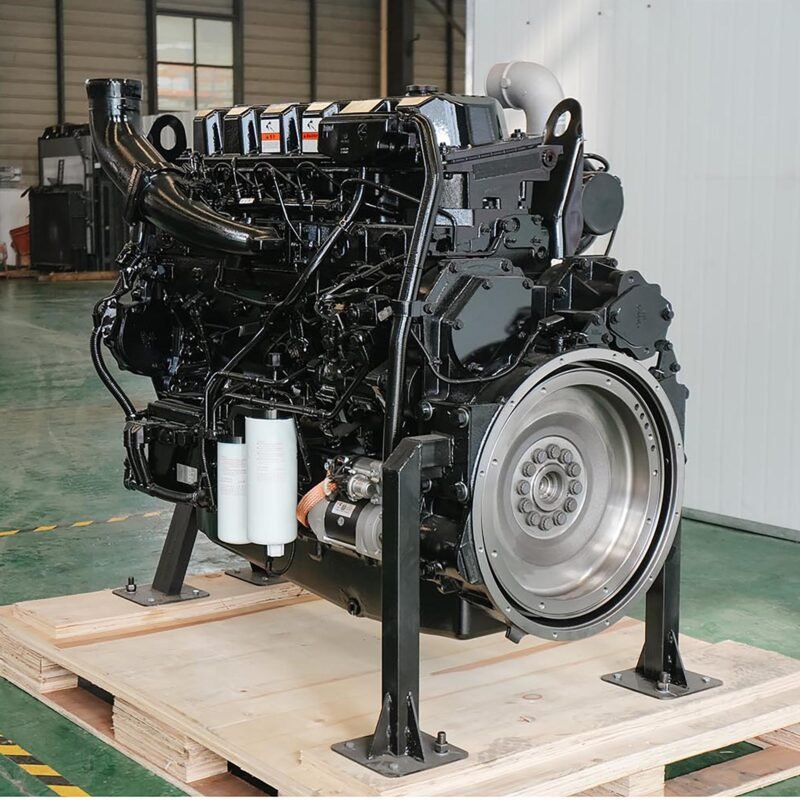
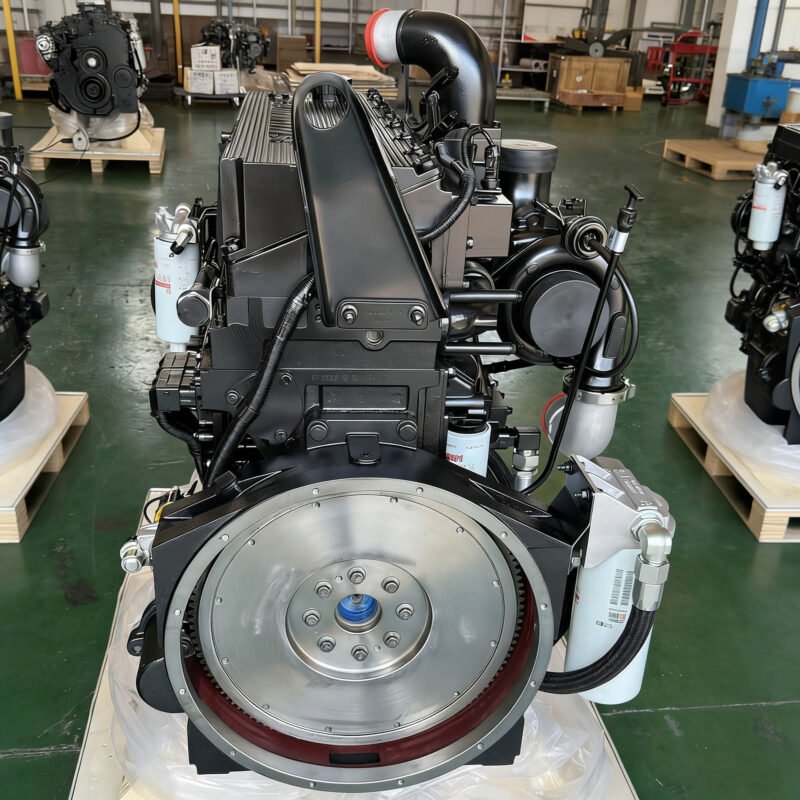
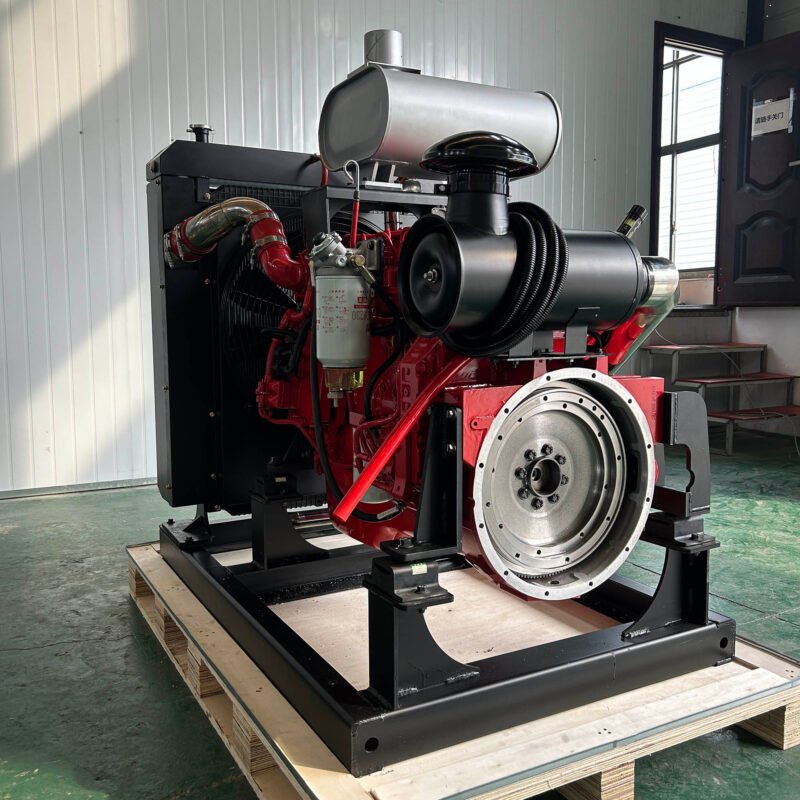
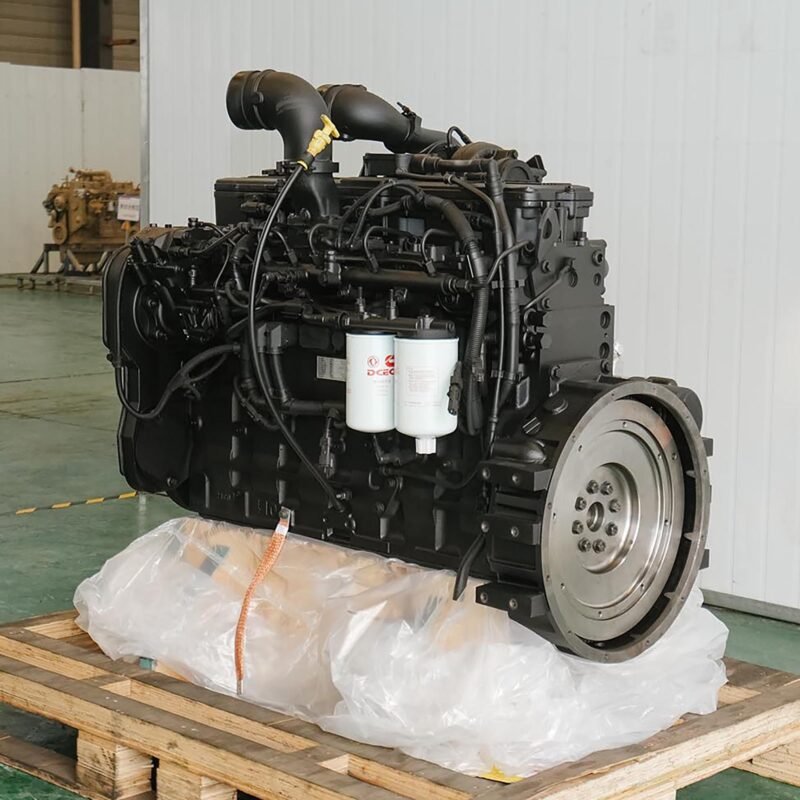
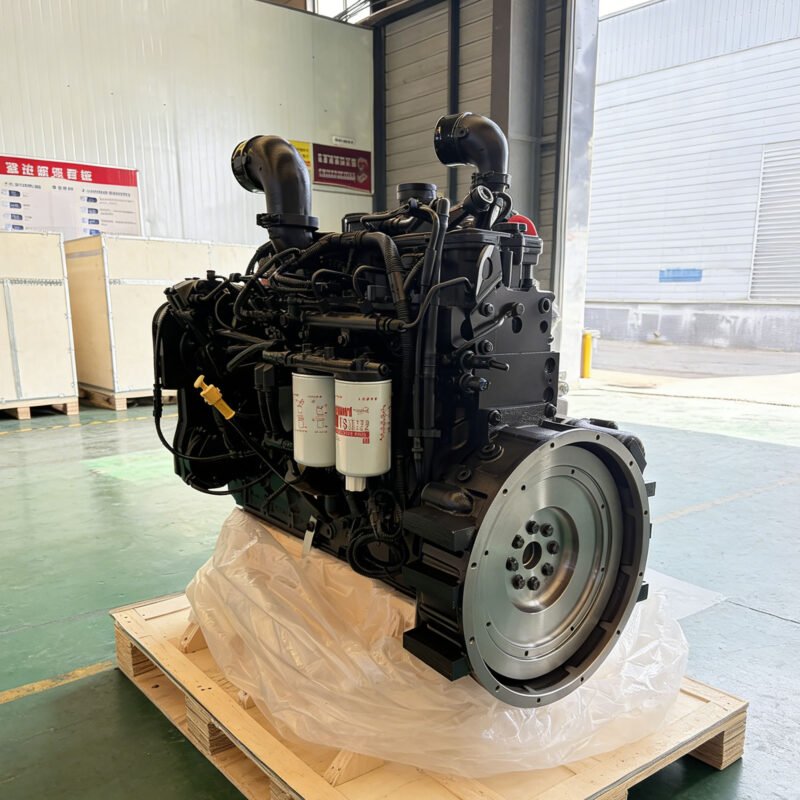
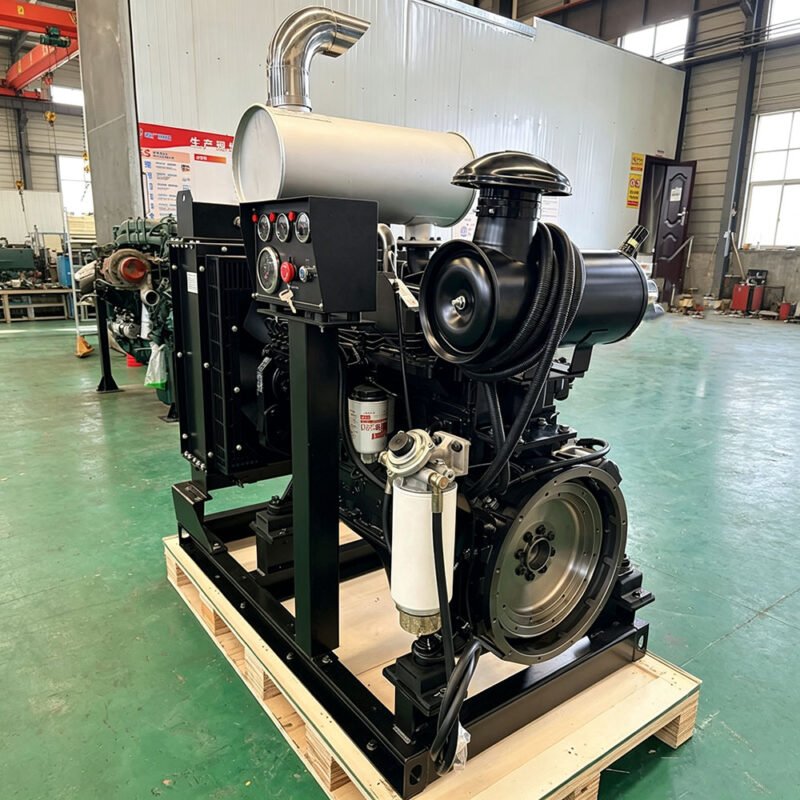
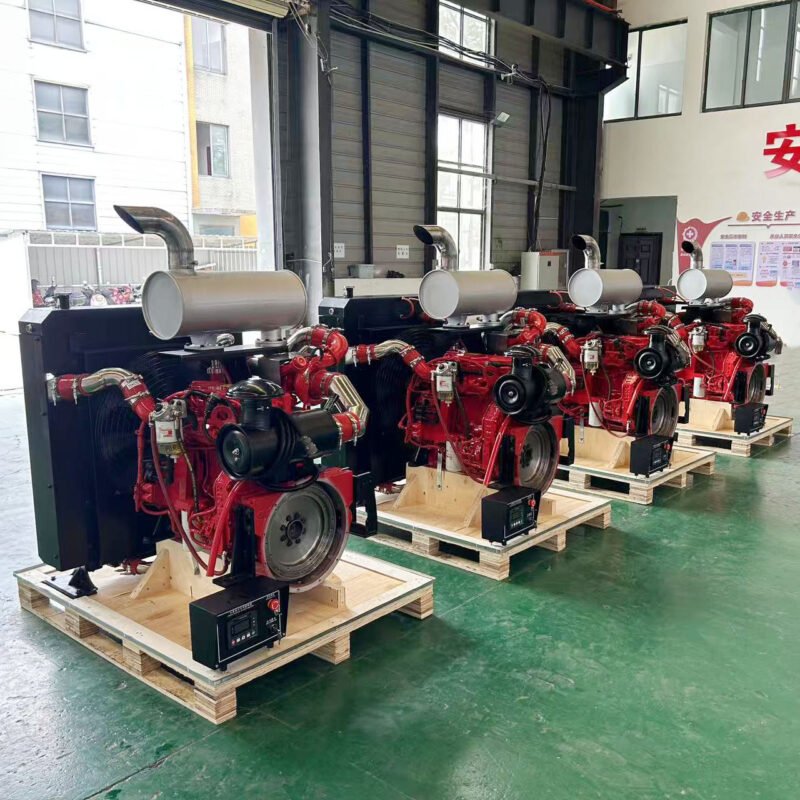
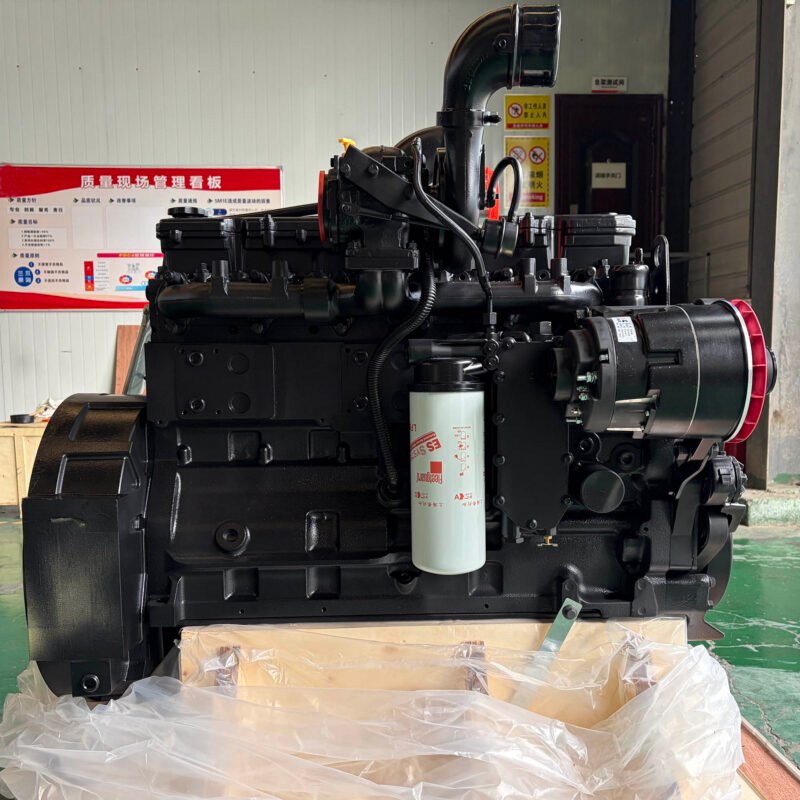
When evaluating custom powerplants, selecting a specialized B2B partner matters. Suppliers like Kangjin Power provide dedicated construction machinery engines. They offer OEM/ODM customization for reliable Cummins models like QSB6.7 and QSM11.
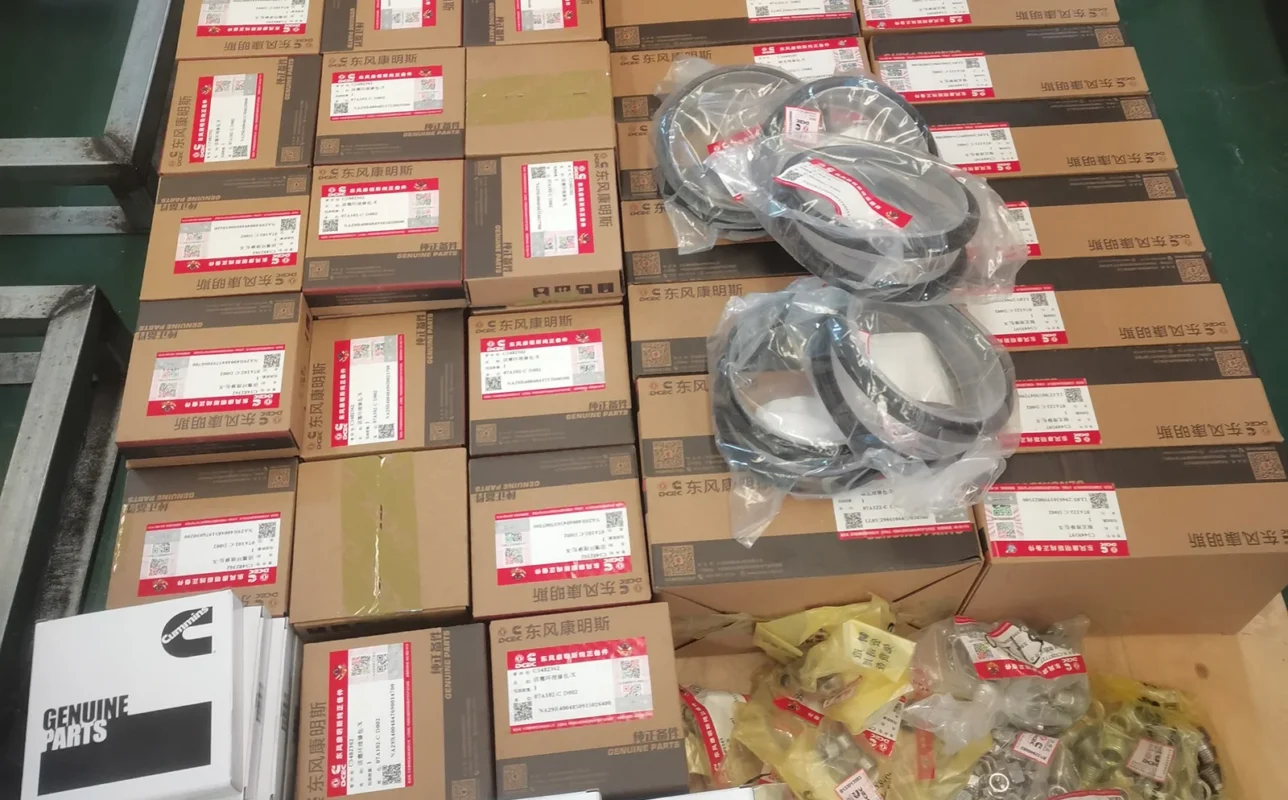
Sampling delays may occur when custom ECU parameters misalign with hydraulic flow. Sourcing from a specialized provider prevents these integration bottlenecks. They guarantee tailored mounting brackets and compatible spare parts.
Engineers should verify export qualifications before placing trial orders. Reviewing technical documentation ensures compliance with local machinery directives. A proven engine partner secures long-term manufacturing stability.
FAQ
Q: What makes an industrial diesel engine different from automotive types?
A: Industrial engines prioritize continuous high torque at low RPMs. They feature heavier cast iron blocks and specialized PTO connections. Automotive engines focus on horsepower and rapid acceleration.
Q: How does altitude affect heavy machinery engine performance?
A: High altitudes contain thinner air, which reduces oxygen intake. Turbocharged engines compensate by forcing compressed air into the cylinders. This maintains power output in mountainous mining sites.
Q: What certifications are mandatory for importing industrial engines?
A: Importing requires EPA certification in North America. European markets demand EU Stage V compliance. ISO 9001 validates the manufacturer’s quality control systems.
Q: Can OEM suppliers provide custom ECU tuning for hydraulic pumps?
A: Yes. Professional suppliers offer custom ECU mapping services. This synchronizes the engine’s power delivery with your specific hydraulic flow rates.
Q: What is the minimum order quantity (MOQ) for custom OEM engines?
A: MOQs depend on the level of physical customization required. Standard block configurations often allow single-unit trial orders. Complex bracket or oil pan modifications may require higher volumes.
Reference Sources
- ISO 8178: Reciprocating internal combustion engines — Exhaust emission measurement.
- US Environmental Protection Agency (EPA) – Tier 4 Nonroad Diesel Engine Standards.
- European Commission – Stage V Engine Emissions for Non-Road Mobile Machinery.
- SAE International – J617 Engine Flywheel Housings Standard.