Cummins Marine Engine Supplier Guide: OEM Sourcing & Specs

Selecting a commercial marine propulsion system requires strict evaluation of technical limits and factory capabilities. For large fishing vessels, cargo ships, and tugboats, the engine serves as the core power driving daily operations. Procurement managers must carefully vet any prospective Cummins marine engine supplier before issuing purchase orders.
In large-volume production and single-vessel retrofits alike, a mismatched engine block causes catastrophic downtime. Operating in harsh marine environments demands highly specific engineering parameters and thermal management protocols. This guide details exactly how to evaluate supplier capabilities, focusing on custom power tuning, structural constraints, and factory testing protocols.
What Defines a Qualified Manufacturing Partner?
In high-temperature, high-salt marine environments, standard industrial engines fail rapidly. An authentic manufacturer must demonstrate deep expertise in marine-specific system modifications. This includes applying multi-layer anti-corrosion treatments to key components and implementing waterproof sealing designs.
Saltwater corrosion destroys unprotected engine blocks within months of continuous offshore exposure. A professional B2B marine equipment supplier utilizes high-nickel alloys for valve stems, exhaust manifolds, and turbocharger housings. These specialized metals prevent premature thermal degradation during continuous peak load operations.
Electrical harness integrity is equally important for modern marine propulsion control units. Marine-grade wiring harnesses feature heavy-duty waterproof connectors and specialized internal shielding. This meticulous sealing design prevents moisture intrusion, ensuring uninterrupted data transmission across the engine control module.
Structural Tolerances in Heavy-Duty Marine Applications
The propulsion needs of offshore working vessels demand exceptional impact and mechanical fatigue resistance. Commercial engine blocks must feature high-strength cast iron paired with forged steel crankshafts. These structural upgrades allow continuous heavy-duty operation across highly volatile sea conditions.
Evaluating lifecycle maintenance costs is critical for commercial fleet operators and project managers. Top-tier engine configurations can achieve overhaul intervals up to 20,000 hours. Reinforced piston and cylinder liner designs minimize wear during sudden load changes in complex ocean currents.
Tugboats and cargo ships specifically require robust low-speed torque characteristics. High power density designs deliver stronger output within strictly limited engine room spaces. The table below outlines standard benchmarks for an 8.9-liter commercial marine engine.
| Technical Parameter | Marine Specification Benchmark |
| Configuration | 6-cylinder in-line, four-stroke |
| Displacement | 8.9 liters |
| Bore × Stroke | 114 mm × 145 mm |
| Aspiration | Turbocharged + water-to-air aftercooled |
| Max Torque | 1000–1200 N·m (at 1500 rpm) |
| Overhaul Interval | Up to 20,000 hours |
Technical Modification Capabilities: Cooling and Exhaust
A crucial metric for evaluating any OEM factory is their structural modification capability. Marine vessels utilize varying hull shapes that dictate specific cooling and exhaust layouts. A competent factory offers modular component designs to accommodate these strict physical hull constraints.
Wet exhaust systems are heavily utilized in marine propulsion to manage extreme heat. Injecting raw seawater into the exhaust stream significantly lowers the external exhaust gas temperature. This engineering process prevents severe fire hazards within confined, unventilated ship hulls.
Engine cooling architectures also require precise customization based on the vessel’s operational profile. Keel-cooled systems use a network of pipes attached to the hull’s exterior for thermal exchange. Conversely, heat exchanger systems draw external seawater directly into the engine room to cool the closed-loop freshwater.
Commercial maritime operations often require synchronized auxiliary power and heavy-duty generator sets. Large cargo vessels rely heavily on integrated marine generator sets to power navigation equipment and deck cranes. Sourcing both propulsion and auxiliary systems from the same manufacturer standardizes the onboard spare parts inventory.
Evaluating Kangjin Power for Commercial OEM Propulsion
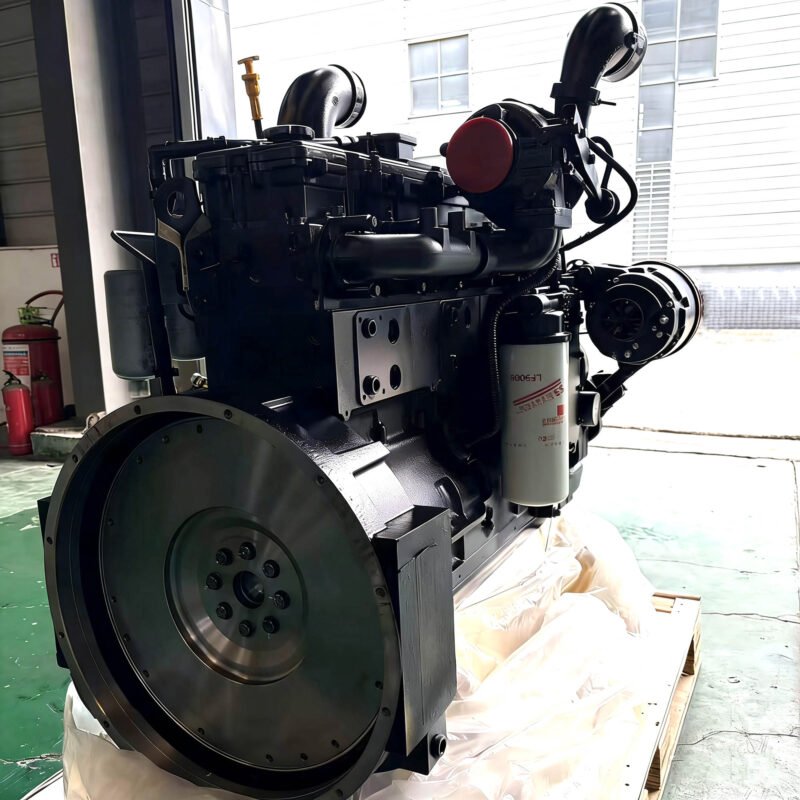
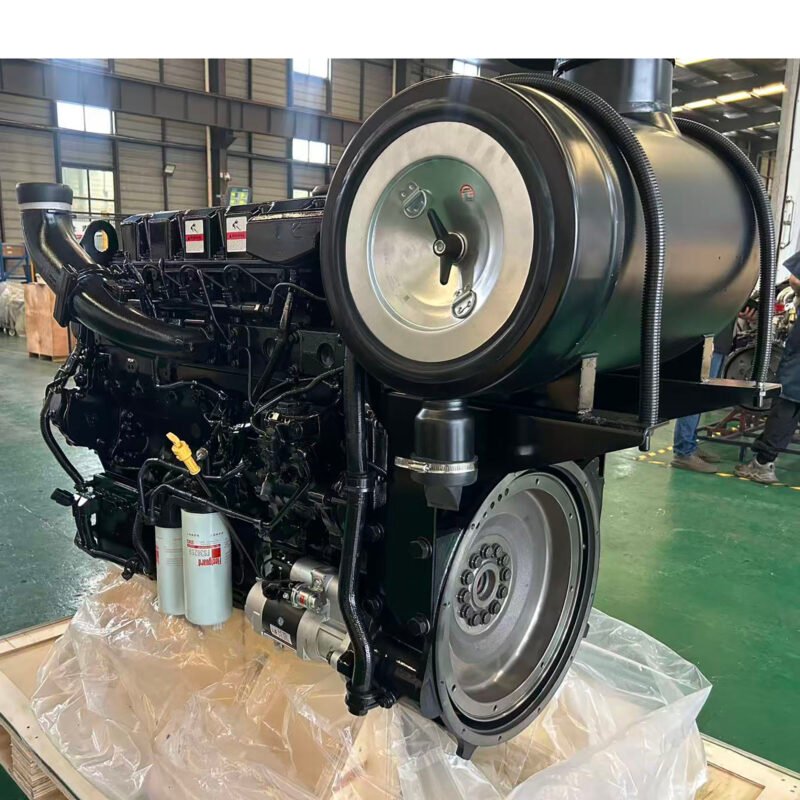
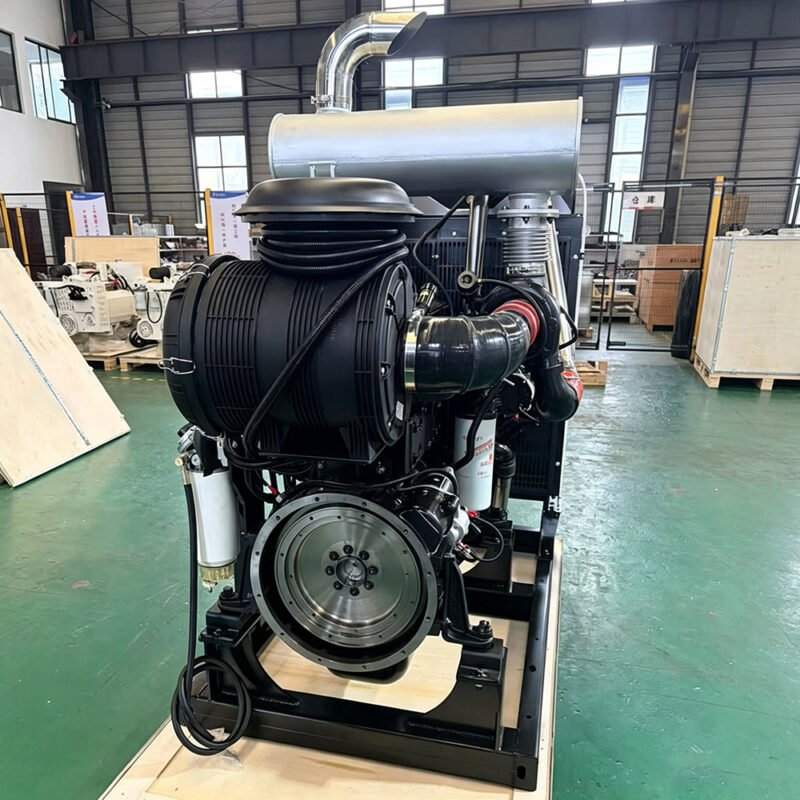
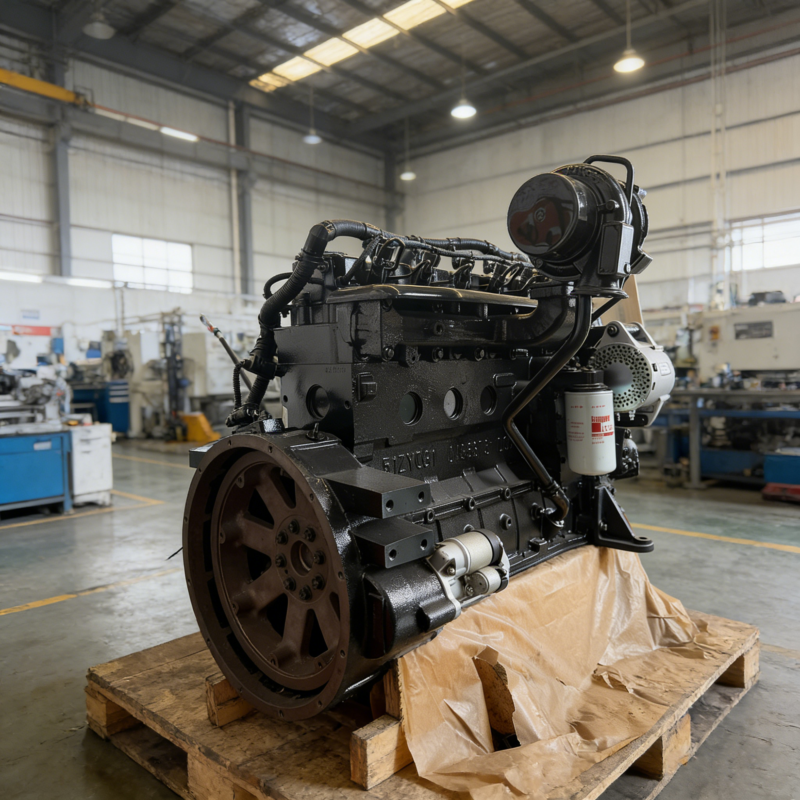
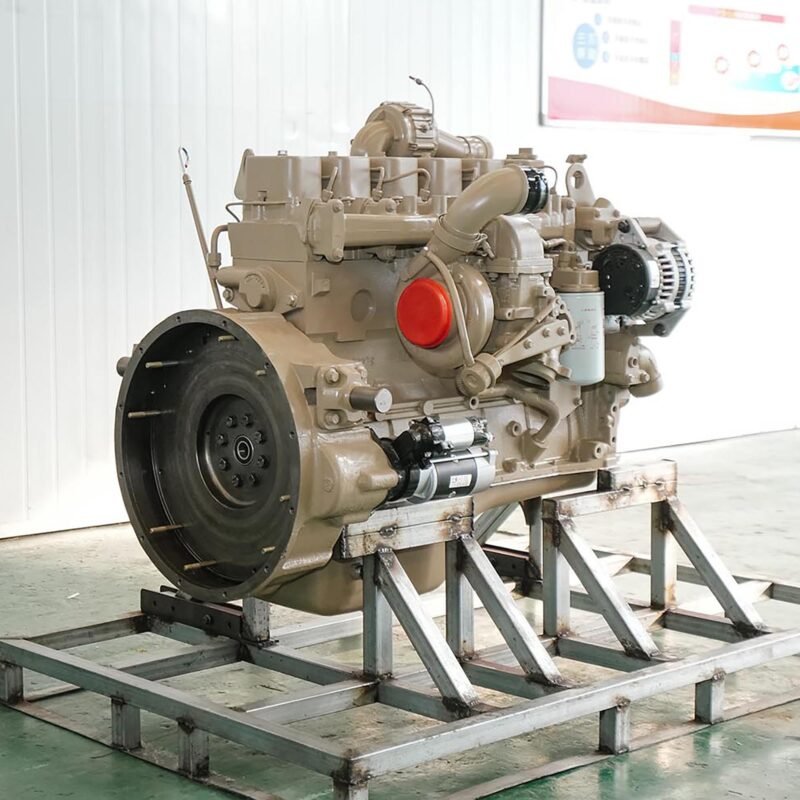
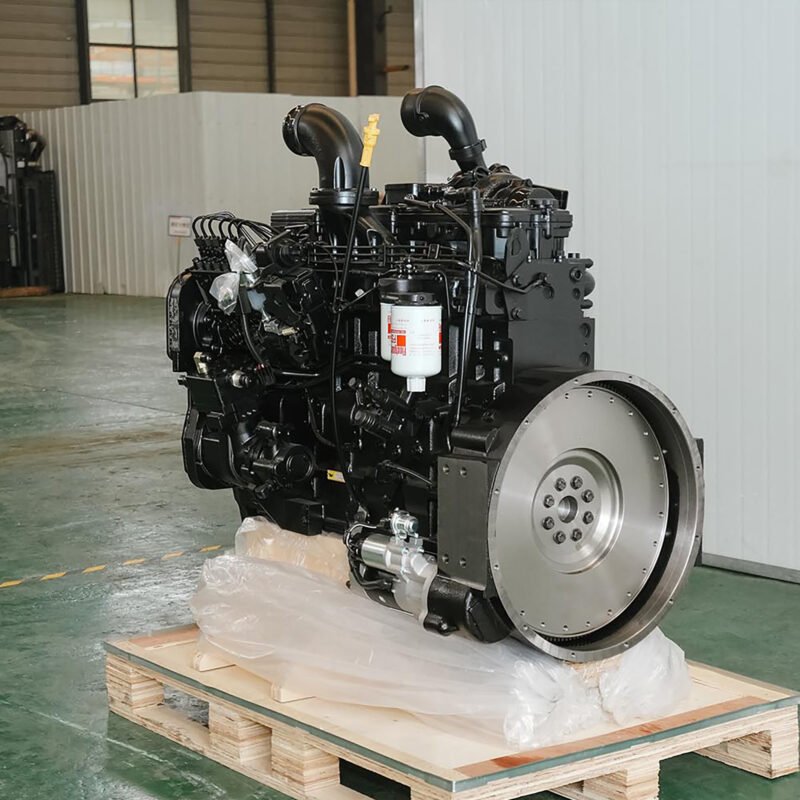
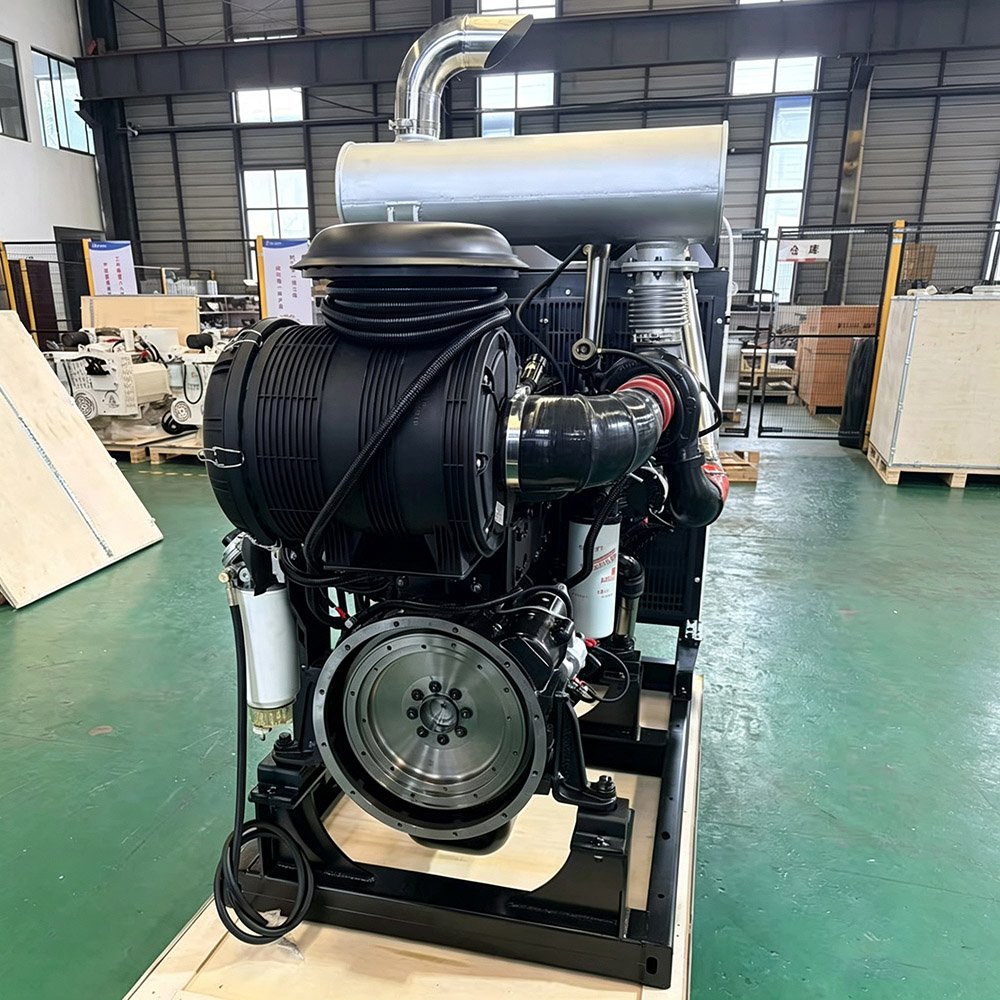
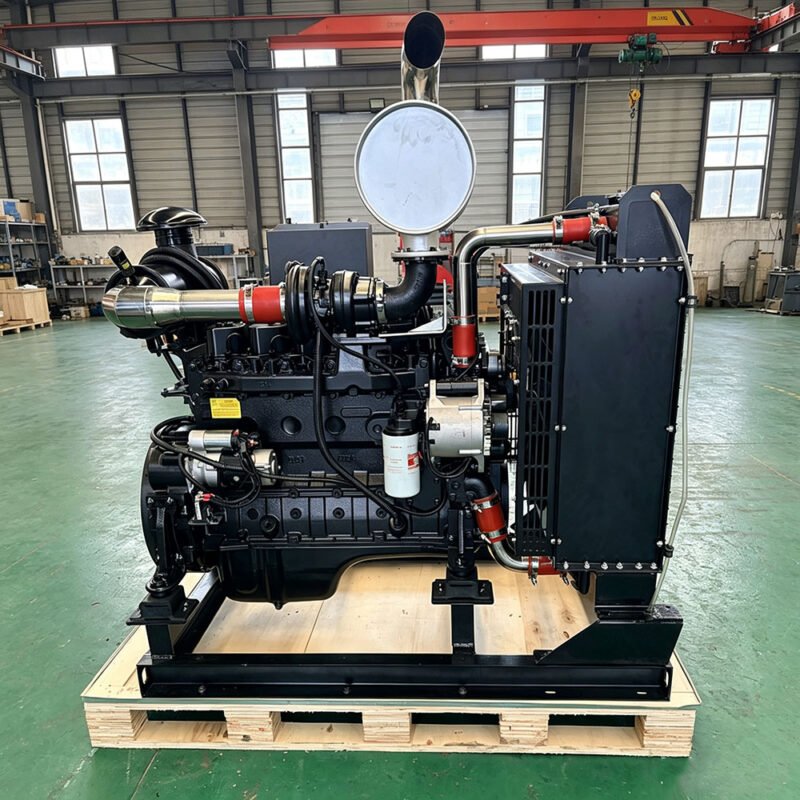
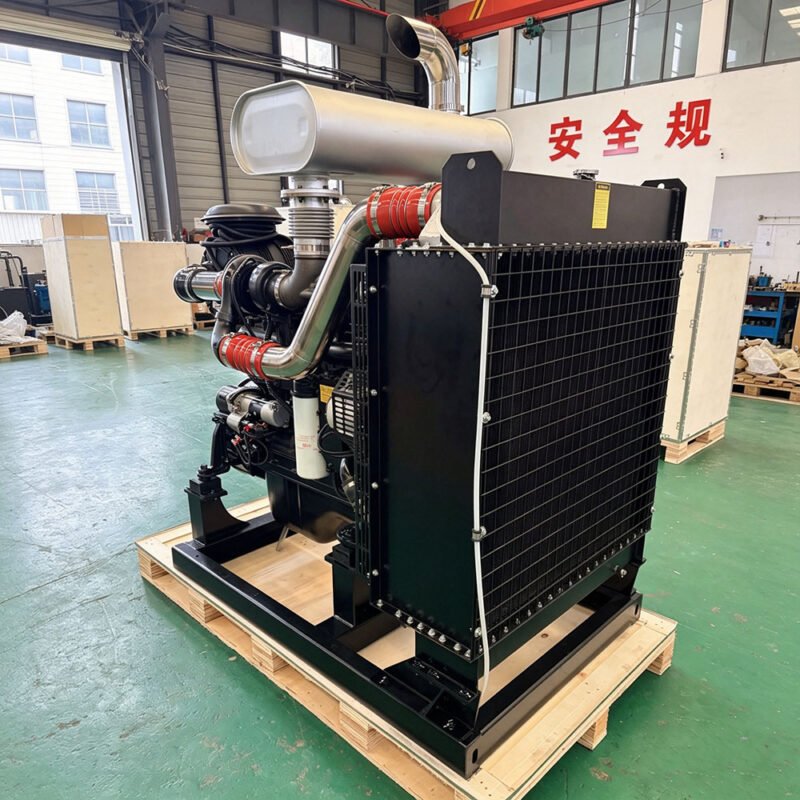
When reviewing a specific manufacturing partner, B2B buyers must analyze their direct OEM capabilities. Kangjin Power specializes in robust propulsion platforms like the 6LTAA8.9 marine engine. This 8.9-liter turbocharged unit is engineered specifically for offshore working vessels, passenger ferries, and tugboats.
Their manufacturing process focuses on multi-scenario adaptability and precise power tuning. The 6LTAA8.9 delivers rated power optimized for continuous heavy-duty cycles, reaching maximum efficiency at specific operational RPMs. The factory supports both single-engine propulsion and twin-engine parallel operations for varying hull tonnages.
Flexibility in procurement is highly beneficial for OEM project managers handling custom marine builds. Kangjin Power maintains an accessible Minimum Order Quantity (MOQ) of exactly one unit. Their customized power tuning perfectly balances raw power density with strict fuel efficiency targets required by commercial fleets.
Quality assurance protocols dictate the final viability of commercial marine power procurement. The factory subjects every marine unit to rigorous performance testing before global shipment. Technicians provide clients with detailed test videos and electronic load data to verify exact output parameters.
B2B Procurement Workflow and RFQ Checklists
Sourcing a heavy-duty marine engine requires a structured RFQ process to avoid operational mismatches. Procurement teams should never purchase complex marine power units based solely on theoretical horsepower. You must align your vessel’s displacement profile directly with the manufacturer’s verified testing data.
Implementing a strict procurement checklist prevents costly installation errors at the shipyard. Ensure your purchasing department verifies exact mounting dimensions and PTO (Power Take-Off) compatibility. Follow this exact RFQ workflow when contracting a marine equipment factory:
- Define Core Specifications: Specify the required rated power, operational speed limits, and exact vessel application scenario.
- Determine Cooling Architecture: Choose between standard liquid-cooled heat exchangers or custom keel-cooling structural modifications.
- Specify Exhaust Requirements: Request a wet exhaust configuration if the engine room lacks sufficient dry ventilation routing.
- Audit Factory Acceptance: Demand rigorous factory performance testing and request comprehensive video documentation before shipment.
- Confirm Logistics and Warranty: Verify global export terms (FOB, CIF, DDP) and confirm the six-month main component warranty alongside standard wooden box packaging.
By strictly following this commercial workflow, fleet managers can drastically mitigate mechanical integration risks. A reliable supplier will continuously support export logistics, parts availability, and technical troubleshooting throughout the vessel’s lifecycle.
FAQ
What is the standard MOQ for a customized commercial marine engine?
For highly specialized B2B suppliers, the MOQ for a customized marine engine is typically 1 unit. This low volume requirement allows OEM project managers to prototype propulsion systems for single-vessel retrofits. Larger volume discounts generally apply when scaling up fleet-wide power configurations.
How do suppliers validate marine engine performance before export?
Top-tier factories conduct rigorous factory acceptance testing (FAT) prior to crating the power unit. The manufacturer connects the engine to a dynamometer to verify rated power, maximum torque, and cooling efficiency. Buyers receive comprehensive test videos and electronic performance data as absolute proof of compliance.
What specific components are covered under a commercial marine engine warranty?
Standard B2B warranties typically cover the main engine block, cylinder heads, and critical internal structural components. The standard coverage period spans 6 months from the date of factory delivery. Consumable parts and mechanical failures caused by improper maritime operation are strictly excluded.
Can an OEM factory modify the fuel injection system for different load types?
Advanced manufacturers can easily adapt the fuel delivery architecture to match operational load demands. Suppliers offer either mechanical inline fuel injection pumps or electronic unit injectors depending on the application. This flexibility ensures immediate power response for towing or heavy-load commercial navigation.
Reference Sources
- ISO 3046-1: Reciprocating internal combustion engines — Performance requirements.
- International Maritime Organization (IMO) — MARPOL Annex VI Engine Emission Standards.
- American Bureau of Shipping (ABS) — Rules for Building and Classing Marine Vessels.
- Kangjin Power 6LTAA8.9 Marine Engine Technical Specifications.