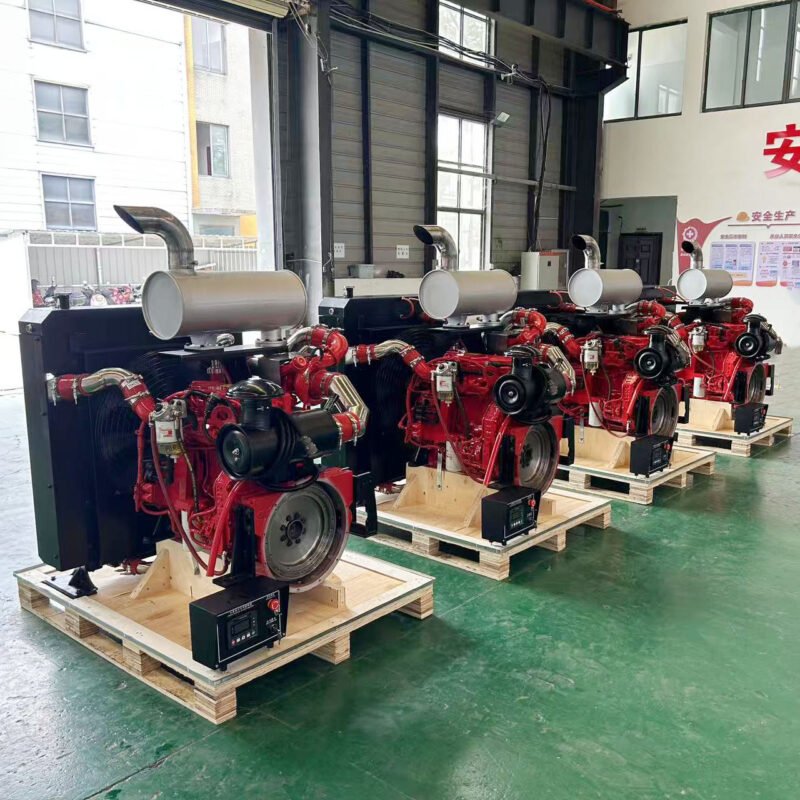
Industrial Diesel Engine Supplier China: OEM Selection Guide

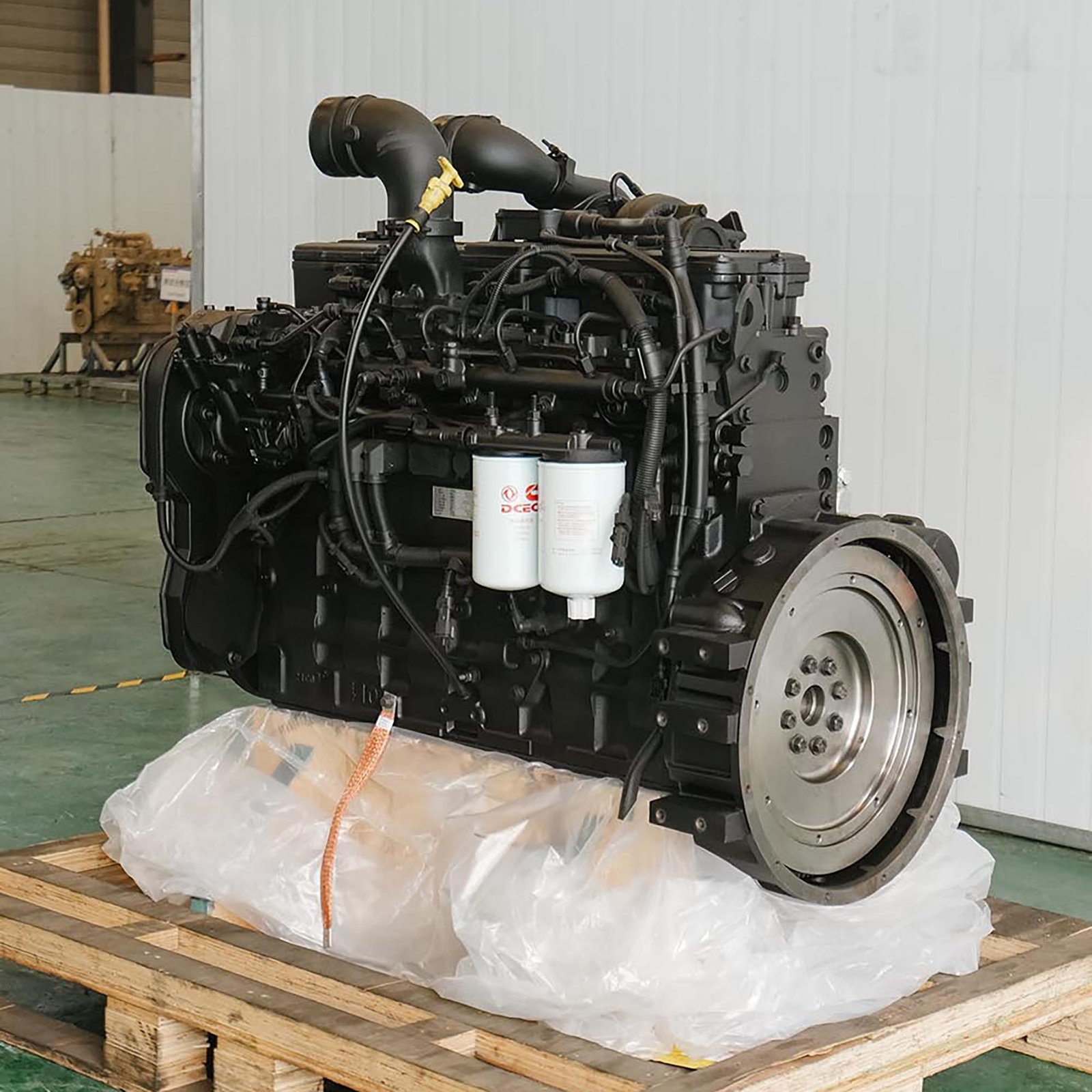
The global demand for reliable heavy machinery continues to grow rapidly. Sourcing an industrial diesel engine supplier in China requires strict technical evaluation. OEM project managers must verify manufacturing capabilities and emission compliance carefully.
A reliable manufacturing partner ensures your equipment meets rigorous operational demands. The Chinese industrial sector offers extensive engine configurations and competitive pricing structures. However, finding a factory capable of true OEM integration remains challenging.
Buyers must thoroughly evaluate assembly precision and component authenticity. This guide details supplier evaluation metrics and industrial application matching processes. Proper procurement strategies prevent costly downtime and stressful warranty disputes.
Evaluating Factory Capabilities and Quality Systems
Evaluating an industrial diesel engine supplier in China goes beyond basic pricing. Procurement consultants must analyze factory capacity and quality management systems. Emission standards remain a critical benchmark for global buyers.
Suppliers must align with regional environmental regulations perfectly. Ask if their engines meet EPA Tier 4 Final or EU Stage V standards. Non-compliant units risk immediate rejection at international customs checkpoints.
Assess their testing protocols and dynamometer facilities carefully. A competent manufacturer conducts rigorous load testing before authorizing shipment. Consider these key evaluation metrics when auditing a potential factory:
- Quality Certifications: Verify ISO 9001:2015 and IATF 16949 system compliance.
- Supply Chain Transparency: Check if they utilize authentic OEM internal components.
- Testing Infrastructure: Ensure they perform 100% full-load bench testing.
- Technical Support: Look for localized maintenance and warranty support channels.
Supplier transparency is vital during the initial screening phase. Request virtual factory tours if on-site visits are currently impossible. Review their export qualifications to avoid unwanted logistical delays.
Engine Testing Standards and Durability Verification
Engine reliability depends on strict quality control during manufacturing. Top suppliers implement comprehensive inspection protocols at every assembly stage. Visual inspections alone cannot guarantee long-term operational durability.
Advanced testing includes dynamometer load testing and exhaust emission analysis. Every unit should undergo a run-in period to properly seat piston rings. This process verifies that oil pressure and cooling temperatures remain stable.
OEM buyers should request detailed testing reports for their specific batches. These reports must show engine performance under simulated real-world loads. Look for suppliers who strictly adhere to these industrial testing standards:
- ISO 8178: Standard for exhaust emission measurement in non-road engines.
- ASTM D975: Standard specification for diesel fuel oils used during testing.
- Vibration Analysis: Ensuring the crankshaft and flywheel are perfectly balanced.
- Thermal Imaging: Detecting potential hotspots within the cast iron block.
Strict adherence to these standards reduces warranty claims significantly. It also ensures full compliance with stringent international engineering specifications.
Sourcing Authorized Cummins Configurations for OEM Integration
Many buyers seek specific engine platforms like the popular Cummins B or C series. Working with an authorized dealer provides significant quality and pricing advantages. Using unverified aftermarket parts can lead to catastrophic engine failure.
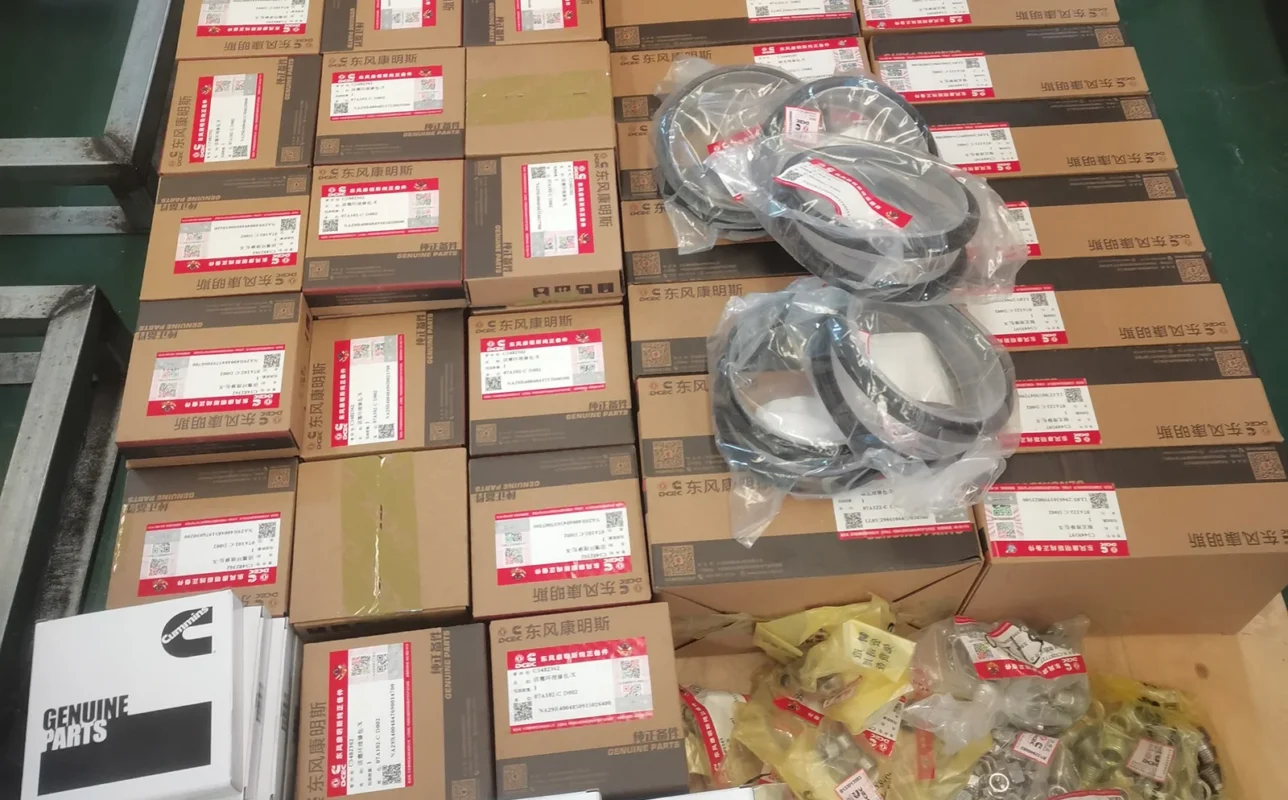
Xiangyang Kangjin Power Technology Co., Ltd. operates as a verified Cummins spare parts dealer. Their engineering team possesses over 20 years of dedicated industry experience. By exploring more about their manufacturing capabilities and history, buyers can verify their strategic location within the main Xiangyang Cummins production base.
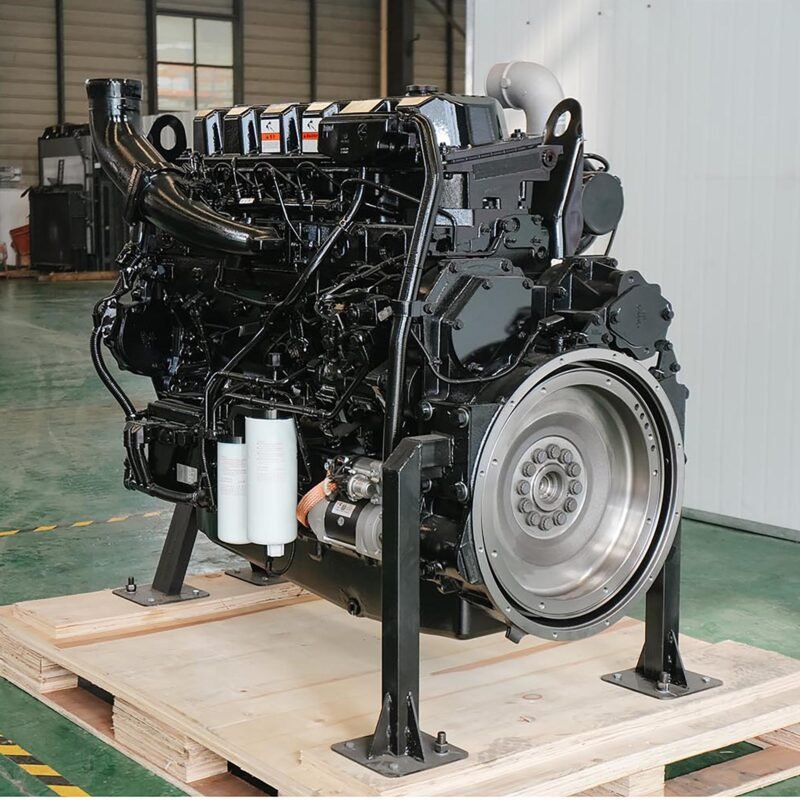
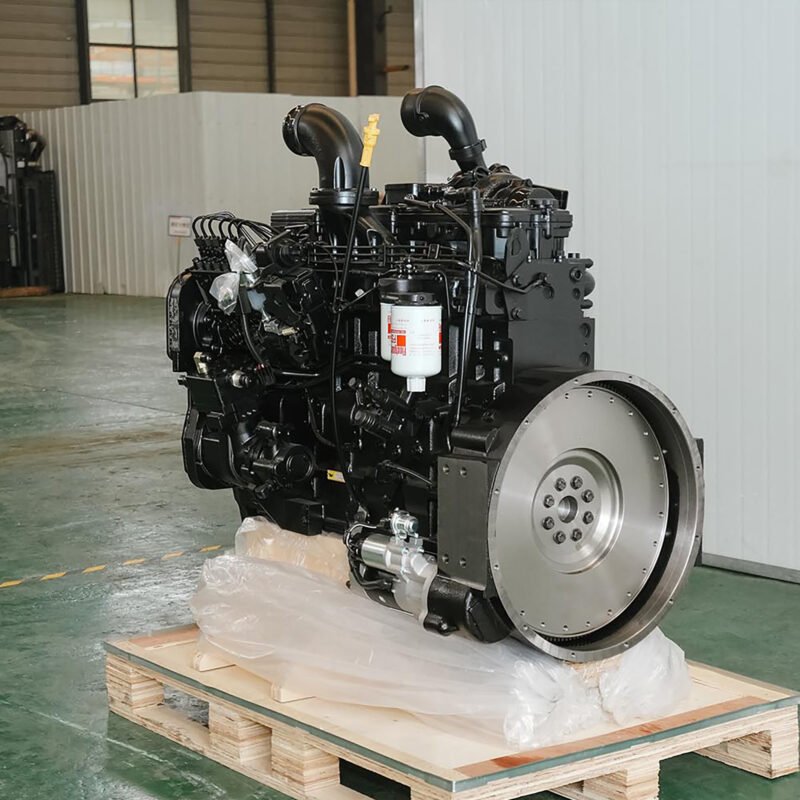
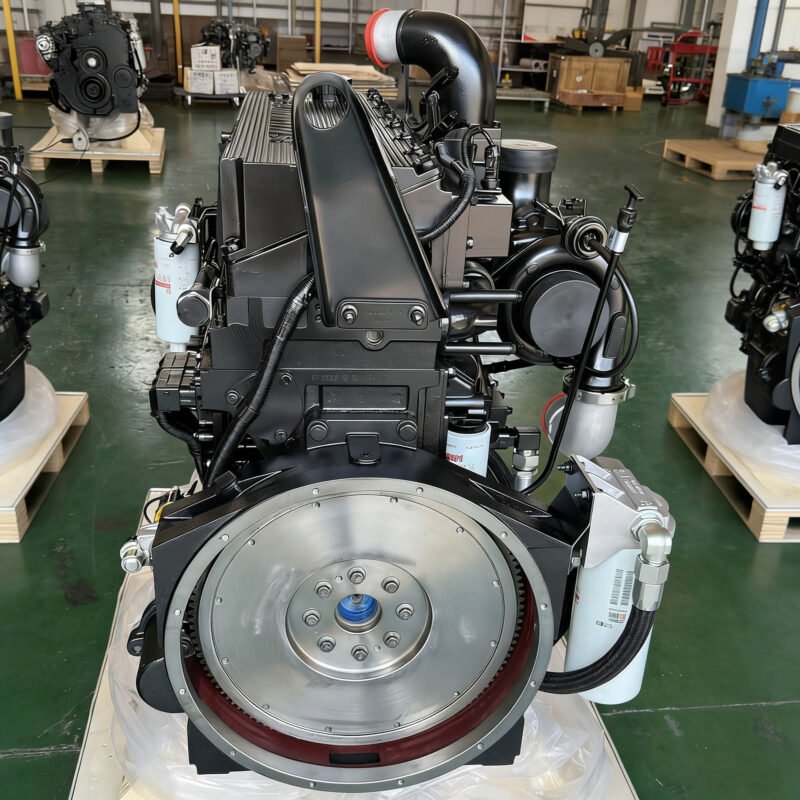
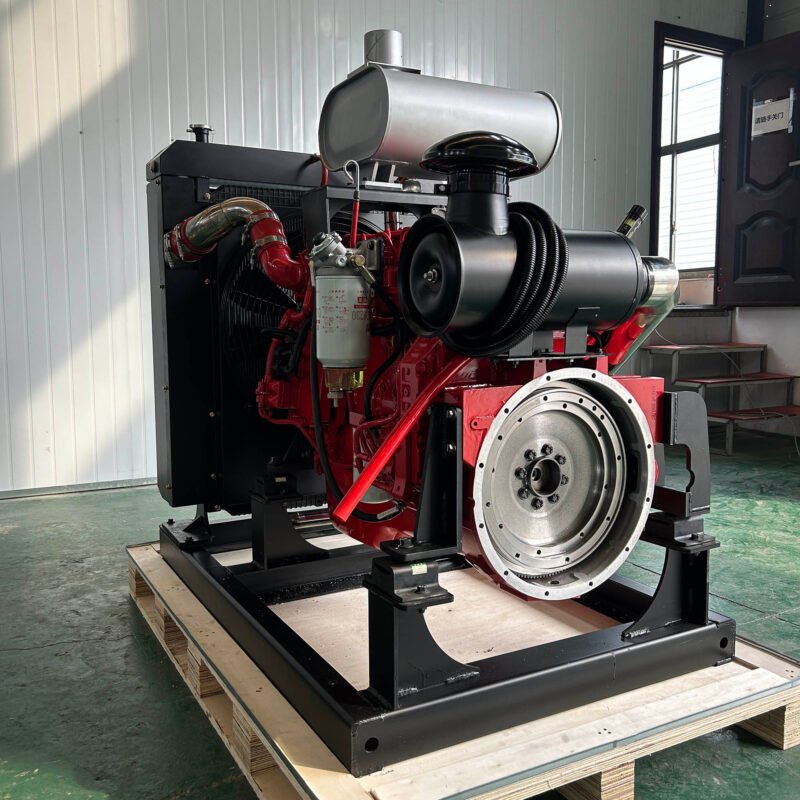
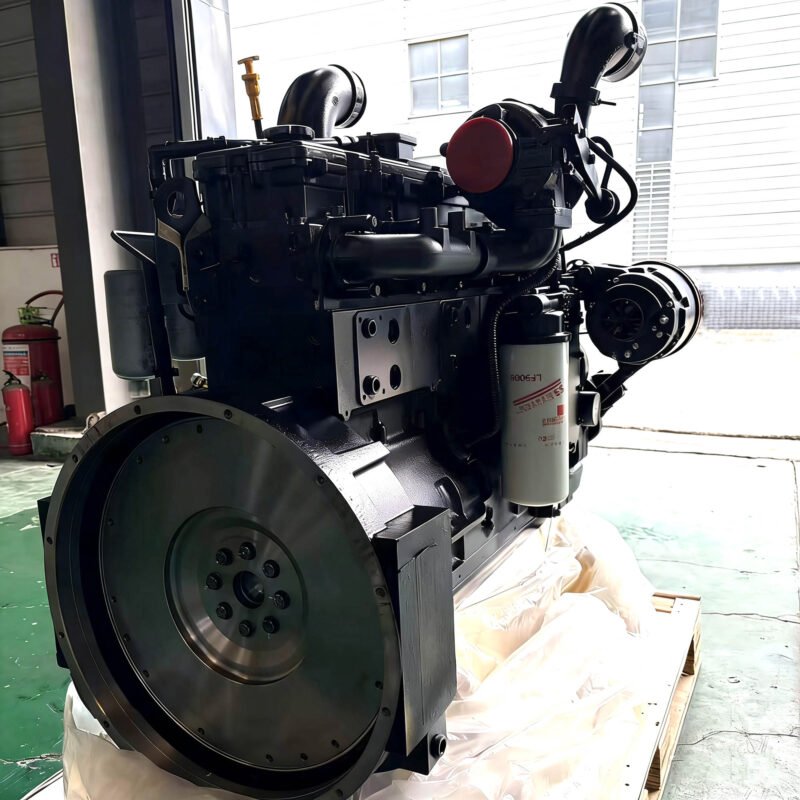
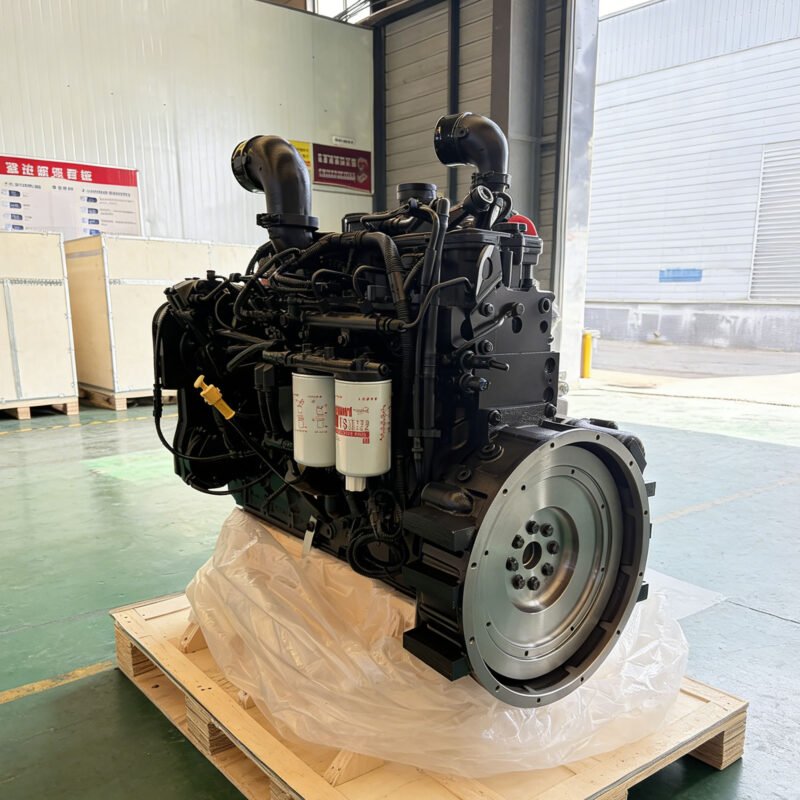
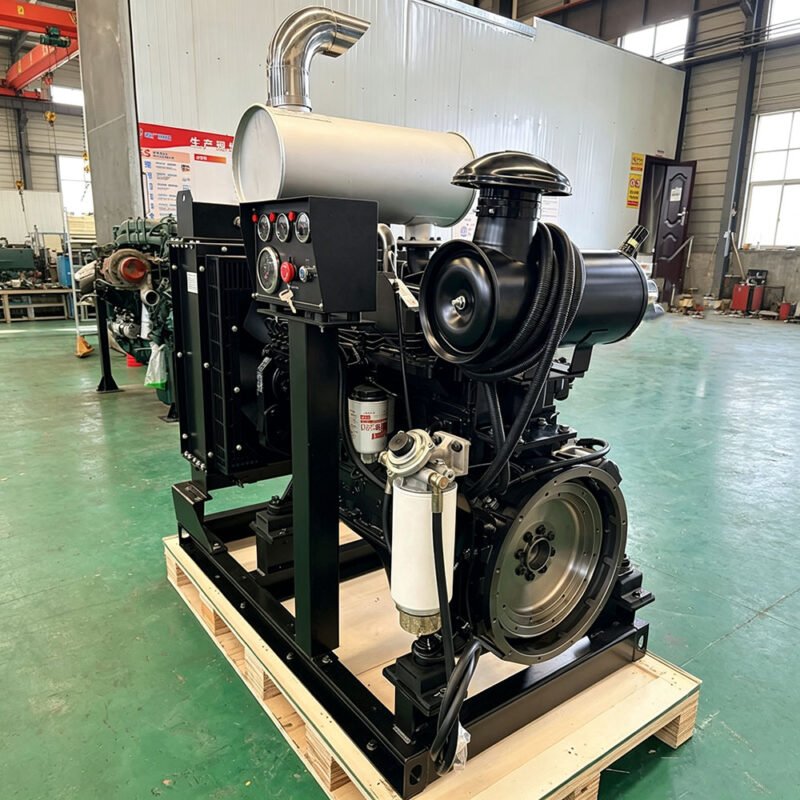
They integrate research, production, and direct sales for global clients. When browsing their industrial diesel engine products, procurement managers will find core models like the 4BTA3.9 and 6CTAA8.3 series. These specific configurations are highly sought after for heavy machinery.
Working directly with authorized factory operations ensures distinct commercial benefits. OEM buyers secure factory-direct supply pricing for volume orders. This strategic partnership also guarantees:
- Genuine component integration for high-stress operational environments.
- Robust OEM/ODM engineering support for custom engine assemblies.
- Immediate replacement parts availability to minimize costly downtime.
- Full-process technical support from selection to final maintenance.
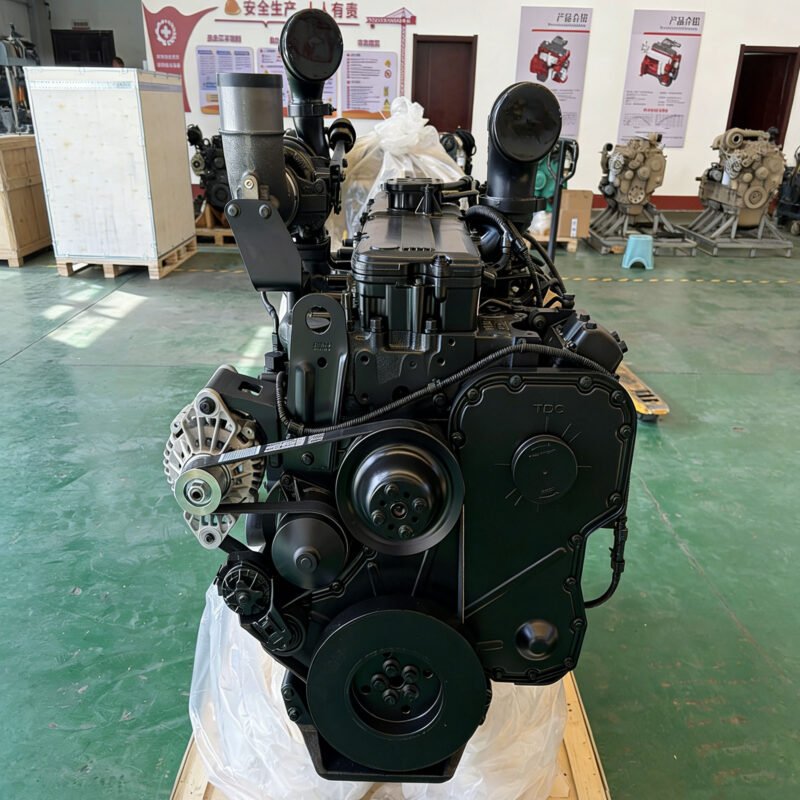
Engineering Modifications for Heavy Construction and Marine Use
Industrial diesel engines must withstand incredibly harsh operational environments. Automotive applications differ drastically from stationary power generation units. Understanding these engineering differences drives much better procurement decisions.
In construction environments, engines face continuous vibration and heavy dust. Models like the 6LTAA8.9 must feature heavy-duty air filtration. Excavators require high low-end torque for effective digging operations.
Marine engines face a different set of severe operational challenges. Saltwater corrosion requires specialized surface treatments and distinct heat exchangers. Marine propulsion units also demand specific classification society certifications.
Water pump drives require continuous duty cycles and stable RPM management. Power generation engines need precise speed governing and rapid transient response. Consider these application differences when selecting your heavy equipment:
| Application | Key Operational Requirements | Typical OEM Modifications |
| Construction | High torque, extreme dust filtration | Heavy-duty dual-stage air cleaners |
| Marine Propulsion | Saltwater corrosion resistance | Cupronickel heat exchangers |
| Power Generation | Precise constant speed governing | Electronic fuel injection tuning |
| Water Pumps | Continuous high-load duty cycles | High-capacity structural oil pans |
Cost Drivers and OEM Customization Workflows
Understanding cost drivers helps buyers negotiate better procurement contracts. The base block price represents only a fraction of the total cost. Auxiliary systems and customization heavily influence the final formal quotation.
Emission control technologies add significant costs to modern industrial engines. Tier 4 Final compliance requires expensive Diesel Particulate Filters (DPF). Selective Catalytic Reduction (SCR) systems also increase the overall unit price.
Raw material fluctuations directly impact the pricing of cast iron components. Volume discounts apply when purchasing container loads instead of single units. Key cost factors include the following technical and commercial elements:
- Emission Technology: Advanced aftertreatment systems increase manufacturing costs.
- Component Brands: Authentic parts command higher prices than generic alternatives.
- Customization Level: Specialized oil pans or cooling systems require custom tooling.
- Order Volume: Larger MOQs reduce the per-unit production cost significantly.
Off-the-shelf engines rarely fit complex OEM machinery perfectly. A specialized supplier must offer true customization. This includes modifying cooling systems, oil pans, and electronic controls.
Engineers must evaluate tooling limitations and thermal dynamics carefully. Modifying a 6CTA8.3 engine for extreme cold requires specialized block heaters. The supplier must validate these changes through rigorous thermal testing.
Production scalability is another vital factor for continued OEM success. Suppliers must handle trial orders while retaining capacity for volume scaling. A standard OEM customization workflow involves these crucial steps:
- Technical Specification: Defining power curves, dimensions, and exact emission targets.
- Prototype Assembly: Building a custom sample unit for initial field testing.
- Bench Calibration: Tuning fuel injection for the specific load profile.
- Mass Production: Scaling output while maintaining strict quality control.
Clear communication during the prototype phase prevents expensive engineering redesigns. Establish strict tolerance limits for vibration and thermal output early.
Structuring Your RFQ for Bulk Diesel Engine Procurement
The RFQ process for industrial engines demands highly specific technical documentation. Vague requests lead to inaccurate pricing and extended sampling delays. Always specify the exact application, duty cycle, and target emissions.
Lead times vary heavily based on specific customization requirements. Standard block assemblies might ship within 30 to 45 days. Custom ECU mapping or specialized PTO configurations will extend production timelines.
For large-volume production, establish clear minimum order quantities (MOQ). Negotiate third-party inspection rights prior to container loading. Ensure the supplier provides these essential deliverables upon order completion:
- Detailed technical drawings (CAD/STEP files) for seamless physical integration.
- Performance curves detailing exact torque output and fuel consumption.
- Clear warranty terms covering both replacement parts and technical labor.
- Comprehensive export documentation for smooth global customs clearance.
Payment terms often involve a deposit with the balance before shipment. Securing letters of credit (LC) offers vital financial protection for large transactional orders.
FAQ
Q1: What is the standard MOQ for sourcing an industrial diesel engine?
Most Chinese suppliers allow a trial order of a single unit for testing. However, securing factory-direct wholesale pricing typically requires higher volumes. Standard mass production MOQs often start at 10 to 20 units per order depending on the manufacturer.
Q2: How do suppliers ensure EPA or EU Stage emission compliance?
Reputable manufacturers utilize advanced electronic control units (ECUs) and high-pressure common rail injection. They also integrate necessary aftertreatment systems like SCR or DPF. Buyers must request official certification documents before placing any bulk orders.
Q3: Can an industrial diesel engine supplier in China provide custom OEM branding?
Yes, verified manufacturers offer comprehensive OEM and ODM branding services. This includes custom paint jobs, branded nameplates, and tailored export packaging. Customization requires detailed technical specifications during the initial RFQ phase.
Q4: What specific details should be included in an engine RFQ?
A professional RFQ must list the required power output, torque curve, and specific RPM. It should also specify the operating environment and target emission requirements. Providing details about the driven equipment ensures accurate product matching.
Q5: What are the typical lead times for custom engine production?
Standard industrial engine models often ship within 15 to 30 days. Custom configurations or complex OEM modifications can take 45 to 60 days to finalize. Final shipping times depend heavily on container availability and international port logistics.
Reference Sources
- ISO 9001:2015 Quality management systems – Requirements
- EPA Emission Standards for Nonroad Engines and Vehicles
- ASTM D975 Standard Specification for Diesel Fuel Oils
- Kangjin Power Official Products Catalog
- Kangjin Power Company Operations & Manufacturing Base