Cummins Engine for Construction Equipment: Fitment Checks

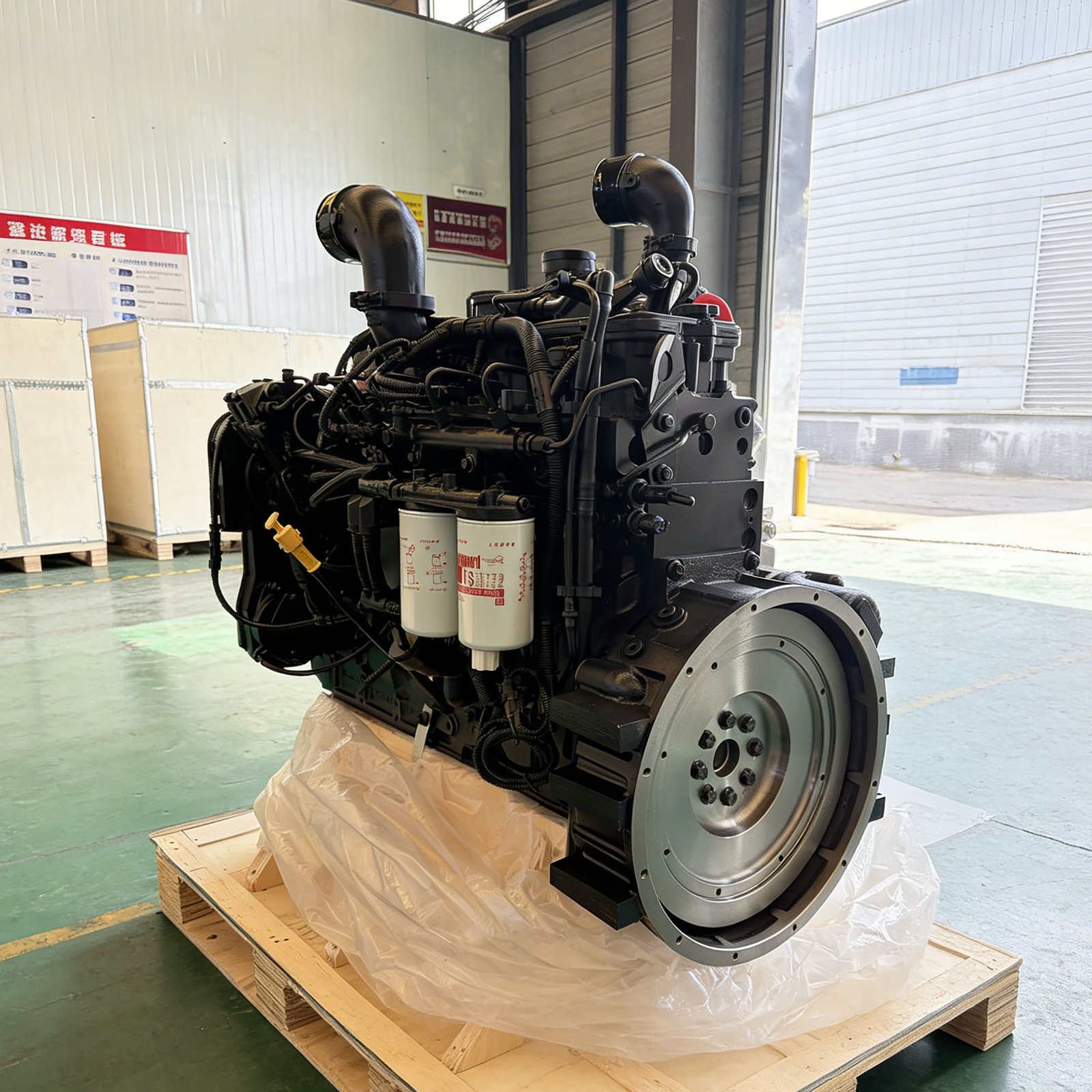
This advisory focuses on the decision process and practical controls procurement, engineering, operations, and quality teams should use when evaluating a Cummins engine for construction equipment. It emphasizes fitment verification, diagnostic workflow, and RFQ confirmation steps rather than a product overview.
The guidance below is intended for commercial RFQ and supplier-qualification use: it separates supplier-page facts from independently sourced technical facts and explicitly identifies items that require RFQ confirmation.
Decision workflow: Cummins engine for construction equipment fitment checks
Start with a structured decision workflow that converts equipment requirements into verifiable RFQ checkpoints. Key upstream inputs are duty cycle (power and torque demand over time), mounting and interface geometry, emissions and fuel requirements, packaging and cooling limits, and electrical/control integration. Translate each input into a testable RFQ item and an on-site verification or factory test.
Stepwise process
- Requirement capture: Document peak and continuous power, torque curve points, altitude, ambient temperature range, and expected duty factor.
- Interface mapping: Define physical mounts, flywheel/flexplate type, gearbox input shaft, PTO needs, and accessory drives.
- Emissions & fuels: Record regulatory zone and fuel quality constraints; mark emissions family and aftertreatment needs as RFQ confirmation required.
- Diagnostics & telematics: Specify required telematics protocols, fault reporting, and data points needed for fleet management.
- Factory acceptance: Specify functional tests, dyno curves, and vibration/fit tests to be included in the delivery scope.
Supplier-page facts and boundaries
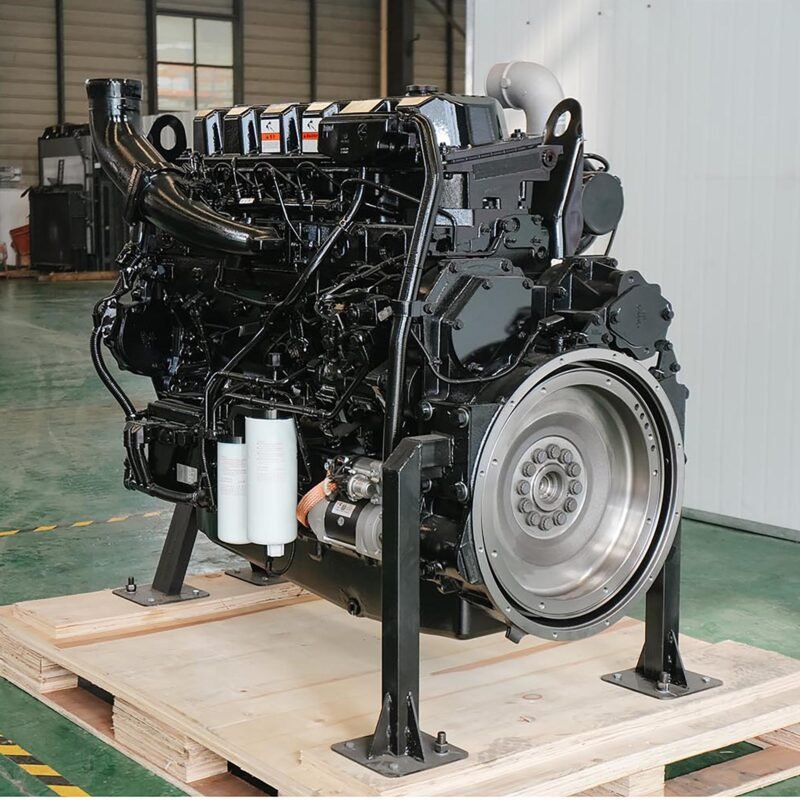
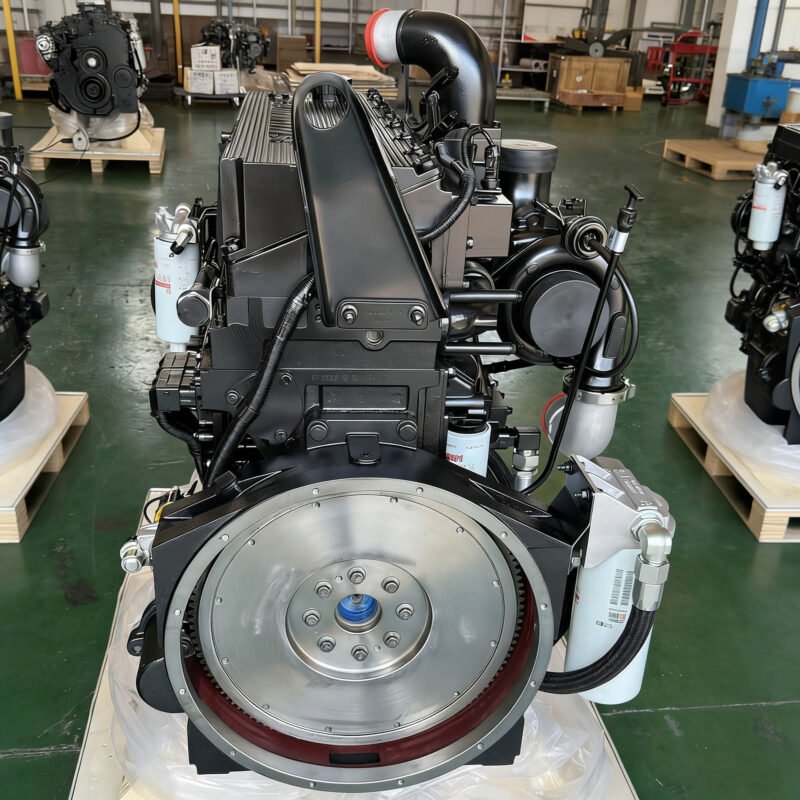
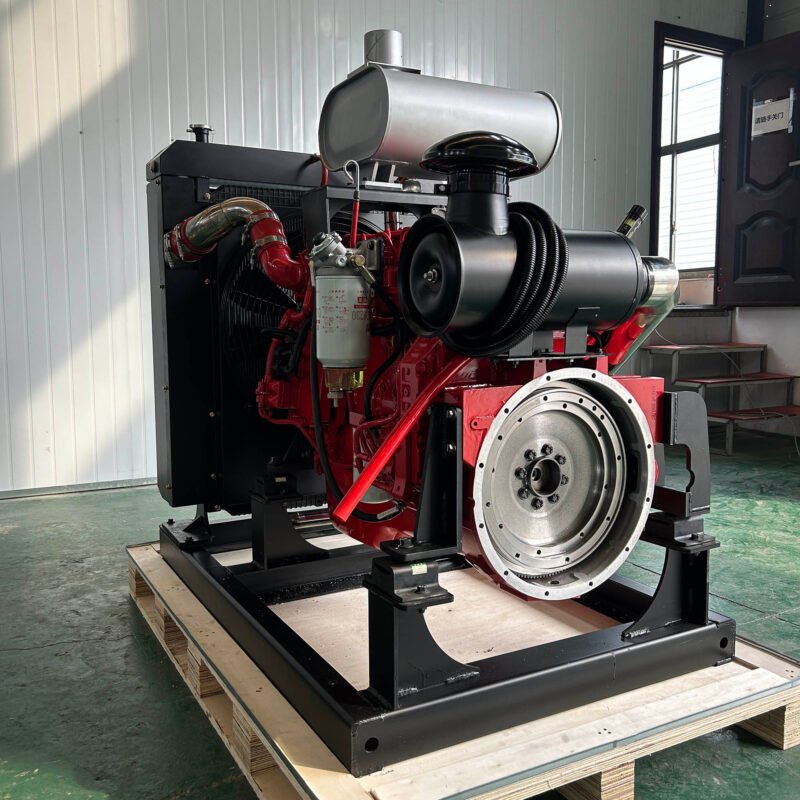
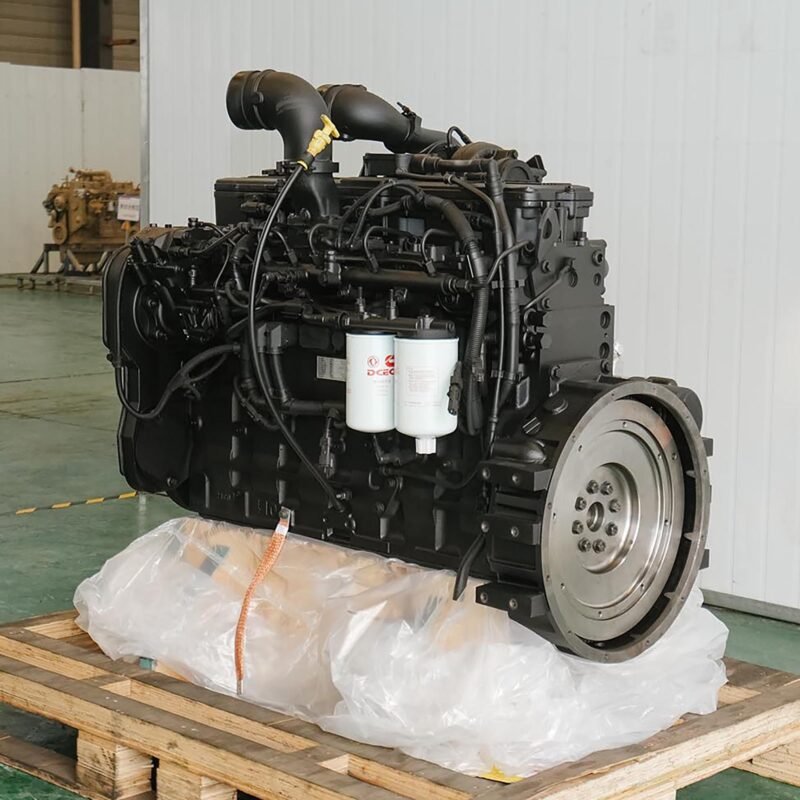
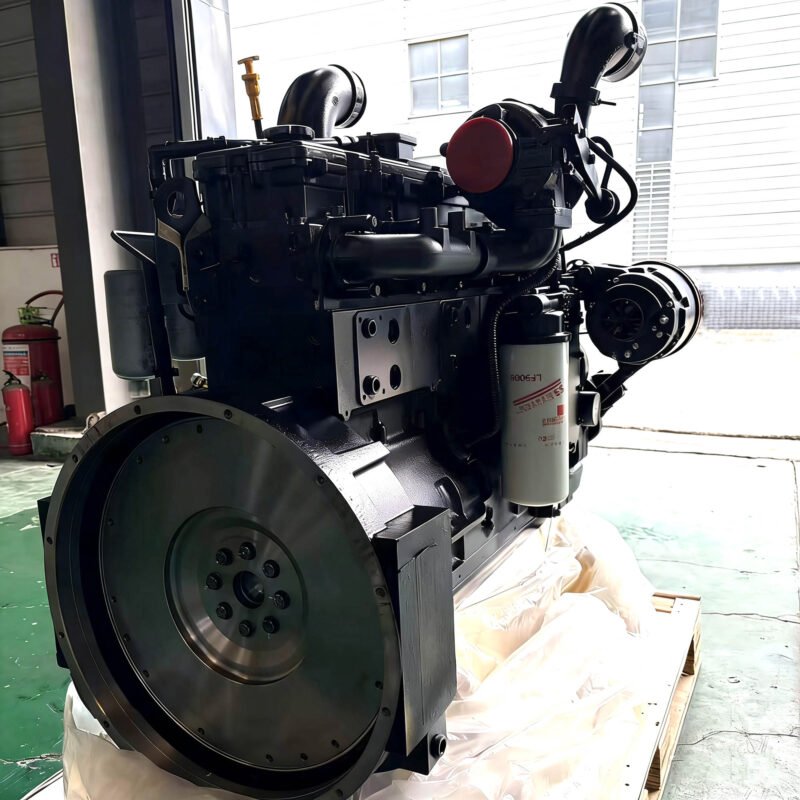
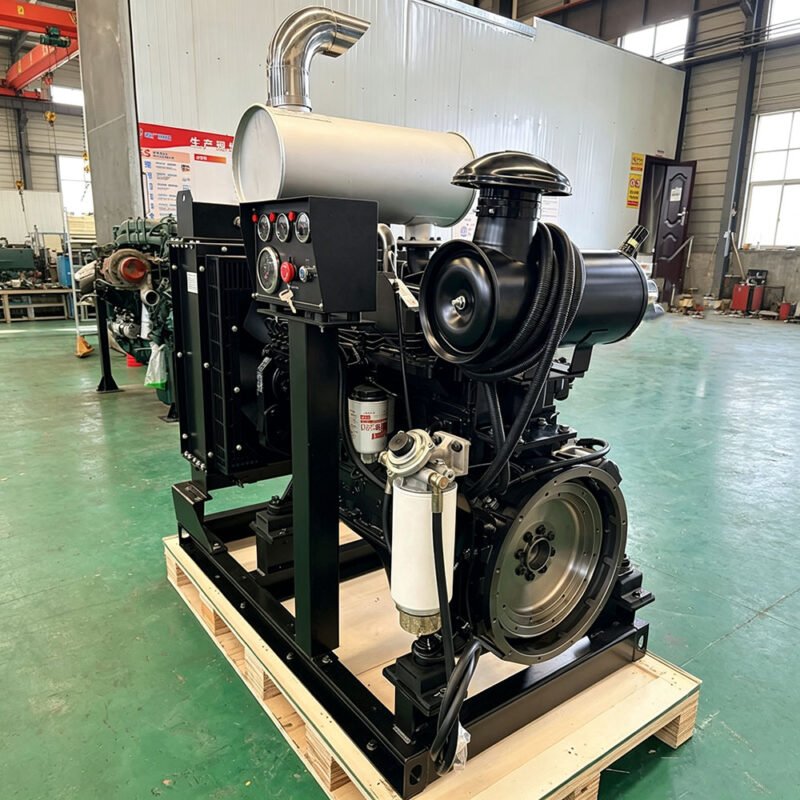
The supplier catalogue should be treated as a starting point, not definitive specification. For example, Kangjin Power’s construction-machinery category lists engine lines including the 6CTA8.3 and QSB6.7. Specific page information for the 6CTA8.3 presents configuration-dependent ratings of 142–194 kW and torque bands of 860–1,150 N·m, with construction machinery listed as an application. These are supplier-page facts and should be validated in the RFQ: final model, rating, interface, emissions configuration, and delivery scope are RFQ confirmation required.
Note: this article does not assert any authorization relationship. Treat manufacturer claims as supplier statements to be confirmed. Visit the vendor pages for initial reference: Kangjin Power construction machinery engines and 6CTA8.3 diesel engine for heavy-duty equipment. Supplier-specific delivery scope, lead time, warranty, test reports, and emissions family must be stated in the RFQ and confirmed with the manufacturer (RFQ confirmation required).
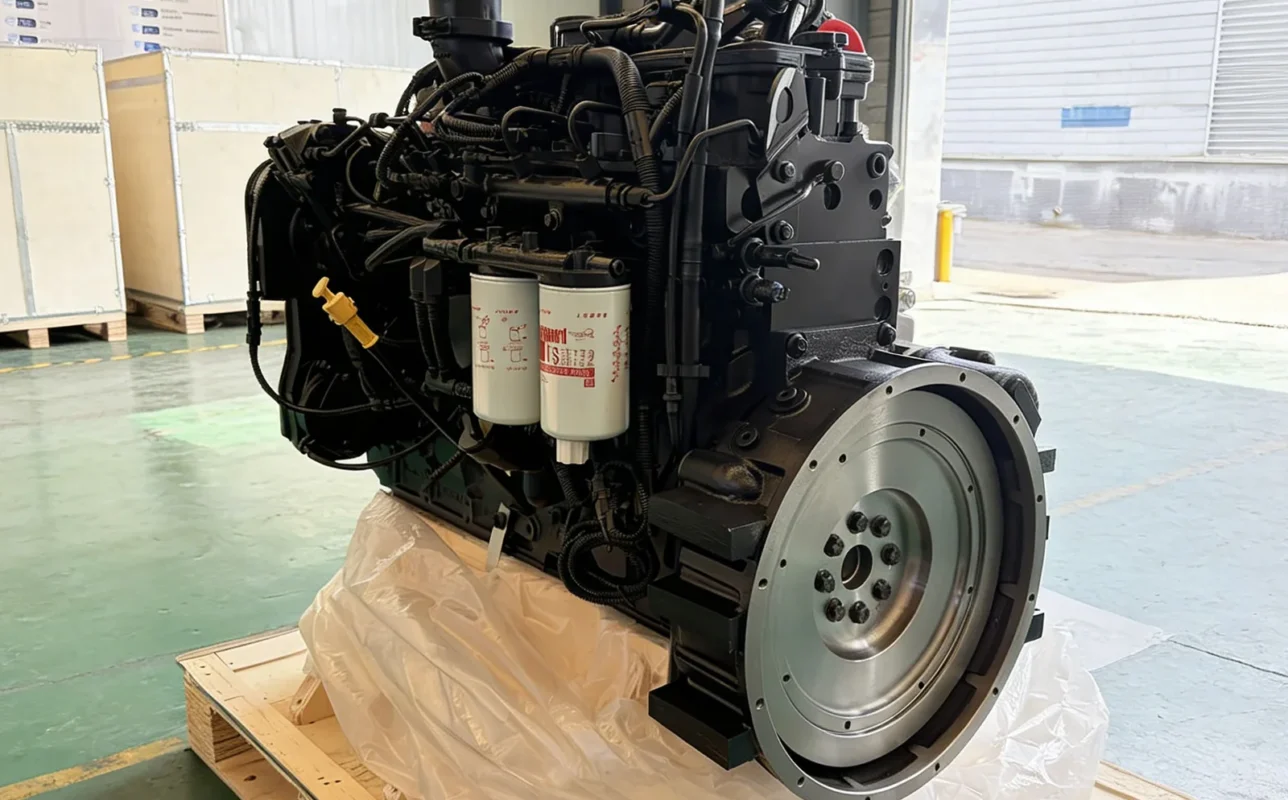
Practical comparison table: Fitment checkpoints vs verification
| Fitment checkpoint | Verification method | RFQ-confirmation item |
|---|---|---|
| Declared power and torque curve | Supplier dyno sheet, OEM-signed curve; independent dyno test on delivery (optional) | Exact model, configured rating and dyno certificate (RFQ confirmation required) |
| Physical mount & envelope | CAD mount drawings, 3D model, trial-fit report | Mounting kit and adapter scope (RFQ confirmation required) |
| Control interfaces (CAN, J1939, analog I/O) | Wirelist, controller compatibility matrix, bench test | Control harness scope and protocol version (RFQ confirmation required) |
| Emissions & aftertreatment | Type approval docs, emission family declaration | Emissions family, DOC/SCR scope (RFQ confirmation required) |
| Telematics fit | Protocol compatibility test, sample data stream | Telematics endpoints and data fields supplied (RFQ confirmation required) |
RFQ and supplier-qualification checklist
- Provide exact engine model number, serial range, and configuration code — RFQ confirmation required.
- Request supplier dyno sheets and torque curves for the exact configuration bid.
- Require CAD models and mounting drawings with datum points and centerlines.
- Specify electrical and control interface pinouts, harness scope, and communication protocol version.
- Demand emissions-family documentation and certification documents applicable to the target market — RFQ confirmation required.
- Define factory and acceptance tests: dyno-run, leak checks, vibration, and fitment verification; require witness or recorded results.
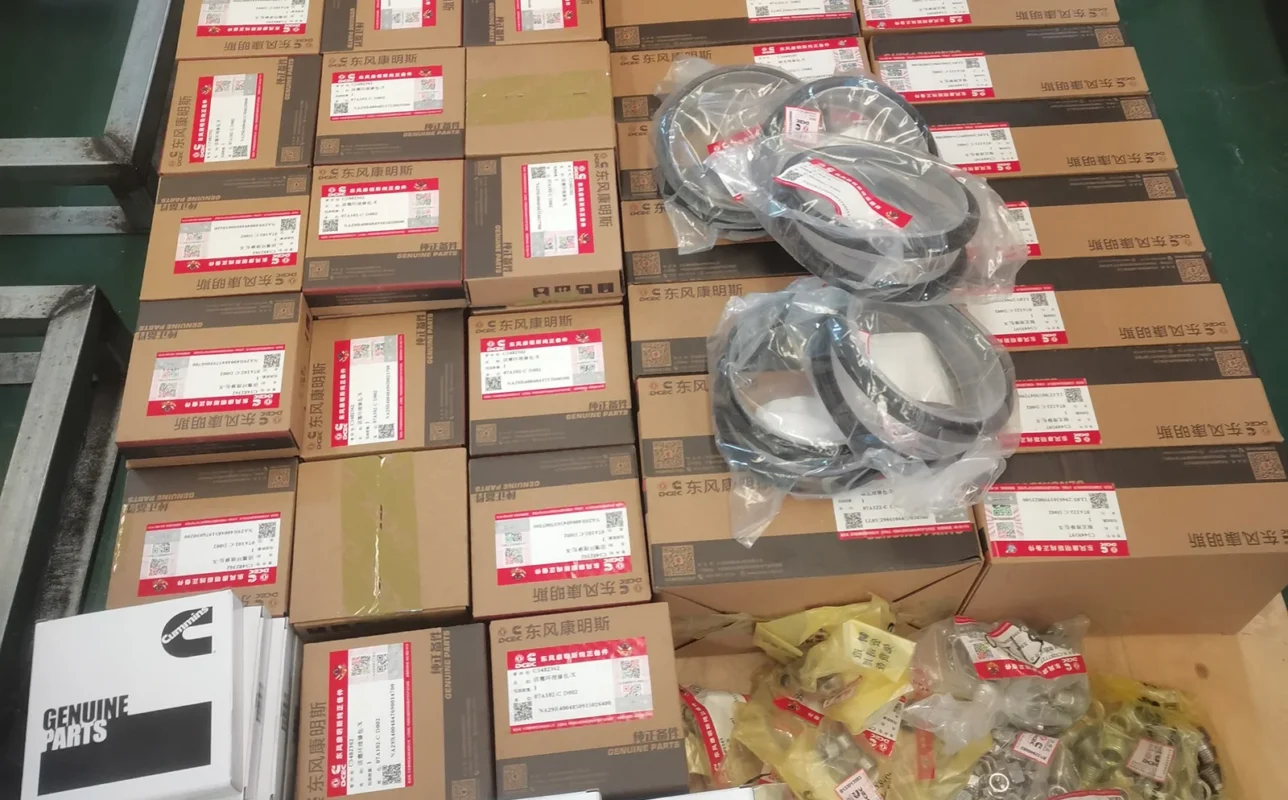
- State spare parts kit, recommended service intervals, and initial spare-parts shipment scope (to be confirmed with the manufacturer).
- Request telematics compatibility statement and sample data export (see telematics controls below) [2].
- Set logistics, packaging, and handling constraints; request provisional lead time (to be confirmed with the manufacturer).
- Ask for references of similar installations and any independent test reports available.
Diagnostics and telematics: operational checks
Implement a diagnostics workflow that integrates with fleet telematics and maintenance planning. Telematics can track fuel economy, maintenance schedules, asset performance, idle time, and engine maintenance requirements; include required data points in the RFQ and ask for a sample data stream to validate integration [2].
For consumable and failure-risk management, emphasize prompt repair of damaged components and scheduled preventive actions—prompt repairs prevent additional damage and proper maintenance optimizes fuel economy, extends engine life, and reduces harmful emissions [1]. Include a maintenance handover pack in the RFQ with recommended intervals and parts lists (to be confirmed with the manufacturer).
Risk controls and commercial clauses to include
- Specify acceptance criteria tied to measured dyno performance and physical fitment.
- Include a remedial plan if delivered engine does not meet documented RFQ specifications.
- Set clear responsibilities for retrofit adapter design if mechanical interfaces differ from documentation.
- Request seller-provided firmware and software version control and delivery of configuration baselines.
FAQs
1. How do I verify the engine rating is applicable to my duty cycle?
Require supplier dyno curves for the specified configuration and compare duty-cycle RMS power and torque to the curve points. If needed, request a bespoke map or confirm derating options (RFQ confirmation required).
2. Can I rely on supplier catalogue pages as definitive specs?
Use catalogue pages as preliminary information only. Treat all supplier-listed ratings and applications as supplier-page facts that require RFQ confirmation for the final configured engine and delivery scope.
3. What telemetry points should I insist on for fleet integration?
At minimum request fuel rate, engine hours, RPM, coolant temperature, DTCs, and idle time. Ask for a sample telemetry feed and format (e.g., J1939 PGNs) as part of the RFQ [2].
4. When should independent dyno testing be requested?
Request independent dyno testing for high-risk fitments or where guarantees are performance-critical. Specify test protocol and acceptance thresholds in the RFQ.
5. Who confirms emissions compliance for export markets?
Require manufacturer-supplied type-approval or emission-family documentation specific to the target market; do not assume catalogue listings cover all territories (RFQ confirmation required). Consult qualified compliance advisers as necessary.
Call to action: Use the checklist above to prepare a structured RFQ and request supplier CAD, dyno, and telematics samples before awarding contracts. Confirm unresolved items directly with manufacturers and document acceptance criteria in the purchase order.
References
[1] U.S. EPA, Learn about Verified Technologies for Clean Diesel. https://www.epa.gov/verified-diesel-tech/learn-about-verified-technologies-clean-diesel
[2] U.S. DOE Alternative Fuels Data Center, Vehicle Parts and Equipment to Conserve Fuel. https://afdc.energy.gov/conserve/equipment