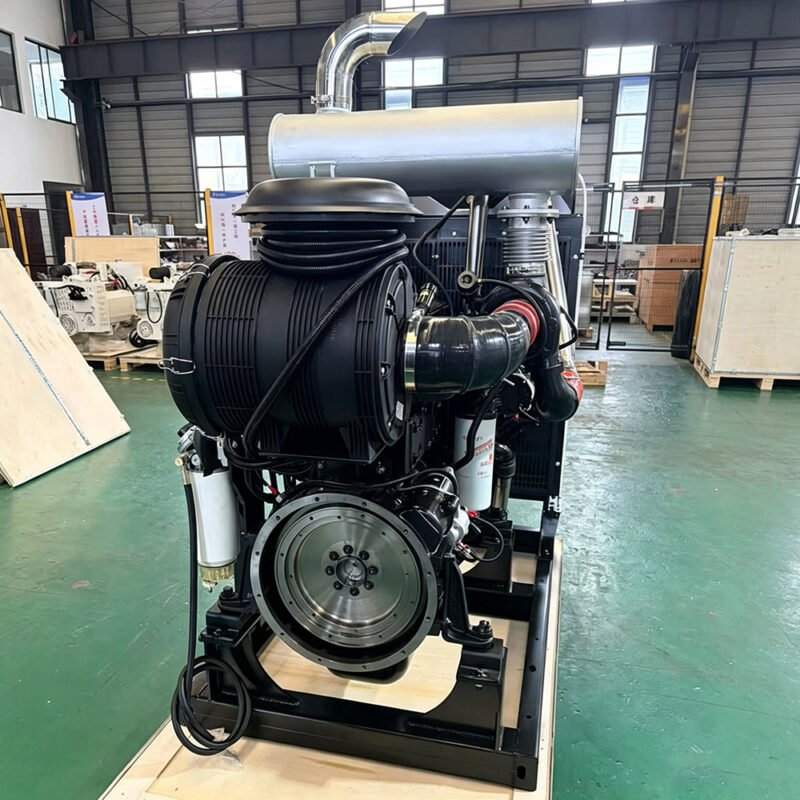
Water Pump Diesel Engine: Match Power & Pump Capacity

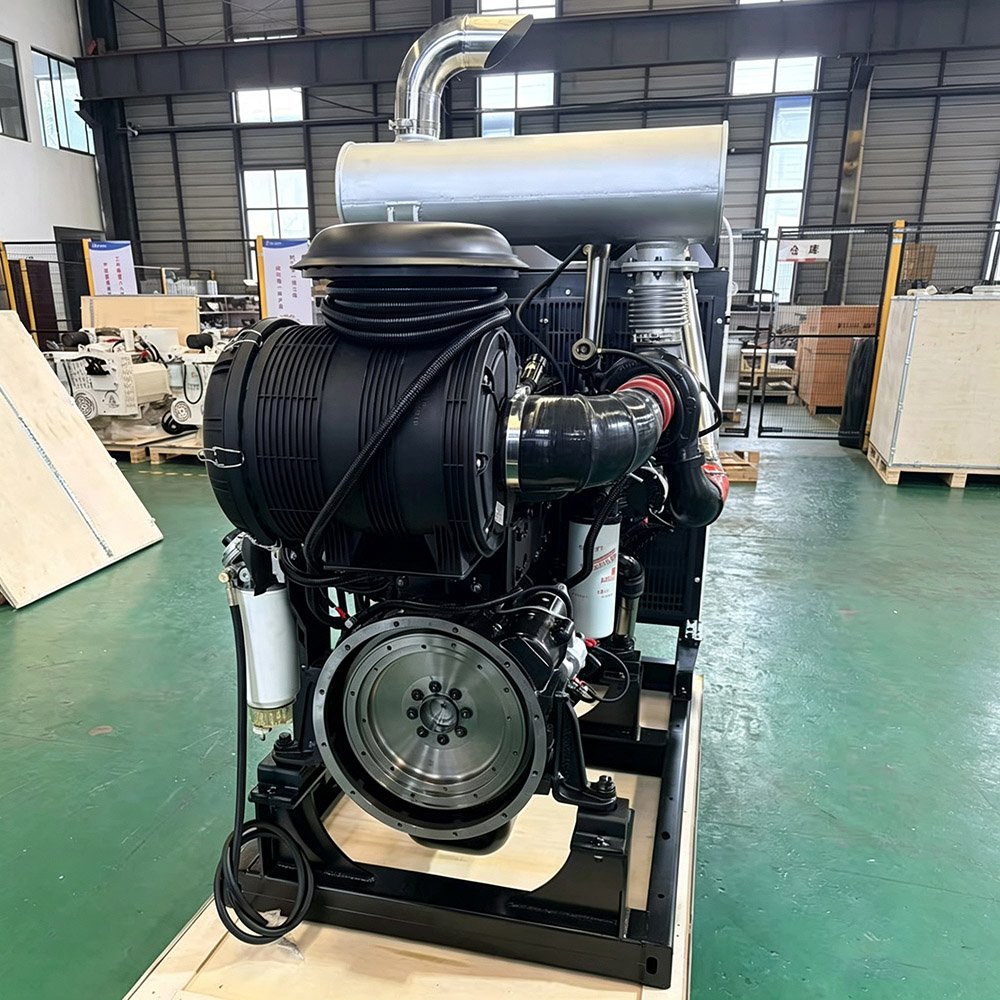
Selecting the correct water pump diesel engine requires precise alignment between hydraulic demand and mechanical output. Industrial fluid transfer does not rely on guesswork. Engineers must evaluate flow rates, total dynamic head, and environmental variables.
An oversized engine leads to wet stacking, poor fuel economy, and wasted capital expenditure. Conversely, an undersized engine risks thermal overload, frequent stalling, and premature component failure. Achieving the perfect match ensures continuous operation at peak efficiency.
This process requires a deep understanding of pump performance curves. Procurement teams and OEM integrators must translate hydraulic requirements into specific engine metrics. Doing so guarantees reliable performance across diverse industrial and agricultural applications.
How Hydraulic Demand Dictates Diesel Engine Power
The foundation of engine matching lies in calculating Brake Horsepower (BHP). BHP represents the actual mechanical power required at the pump shaft. It is driven by the specific gravity of the fluid, flow rate, and head pressure.
Engineers use a standard formula to determine this baseline requirement.
- BHP = (Flow Rate [GPM] × Total Dynamic Head [ft] × Specific Gravity) / (3960 × Pump Efficiency)
Once the baseline BHP is calculated, a service factor is applied. Industrial standards typically require a 10% to 20% power reserve. This reserve protects the water pump diesel engine during transient load spikes. It also compensates for minor efficiency losses over the equipment’s lifespan.
Matching torque is just as critical as matching horsepower. Centrifugal pumps require increasing torque as RPM rises. The engine’s peak torque curve must align with the pump’s operating range. This prevents engine lugging under heavy hydraulic loads.
Evaluating Water Pump Diesel Engine Specifications for Long-Term Reliability
Nameplate horsepower rarely reflects real-world operational capacity. Environmental conditions severely impact internal combustion efficiency. Engineers must apply rigorous derating formulas before finalizing procurement.
Altitude and ambient temperature reduce air density. This directly limits the amount of oxygen available for combustion. According to ISO 3046 standards, engines typically lose 3% of their power per 1000 feet of elevation. A similar loss occurs for every 10°F rise above standard ambient temperature.
Performance Matching Matrix
| Condition | Mechanical Result | Operational Impact |
| Undersized Engine | RPM drops under load, thermal overload | Stalling, cavitation, engine failure |
| Oversized Engine | Low combustion temperatures, unburned fuel | Wet stacking, excessive CapEx |
| Optimally Matched | Engine runs near peak torque RPM | Maximum fuel efficiency, extended lifespan |
Continuous vs. standby power ratings also dictate long-term reliability. Water pumps operating 24/7 require engines rated for continuous duty. Standby-rated engines will degrade rapidly if forced into continuous high-load applications.
Engine Selection for Heavy-Duty Dewatering vs. Irrigation
Different applications demand entirely different engine characteristics. A mining dewatering pump faces dynamic, high-head conditions with heavily viscous fluids. These environments require high-displacement engines capable of sustaining massive low-end torque.
Agricultural irrigation systems operate differently. They typically require steady flow rates over extended periods. Engineers optimize these setups for fuel efficiency at a constant RPM.
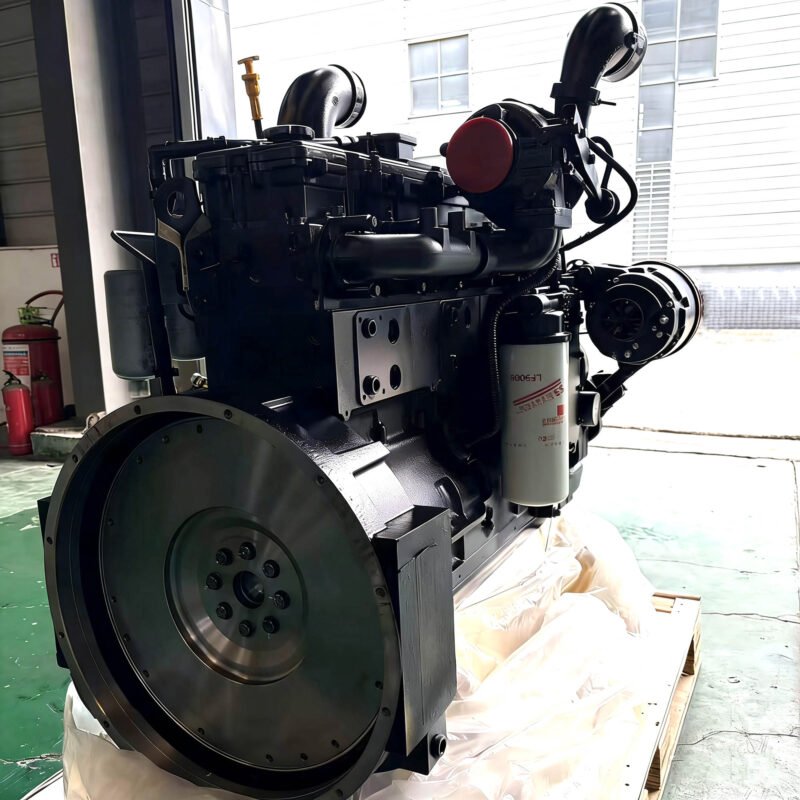
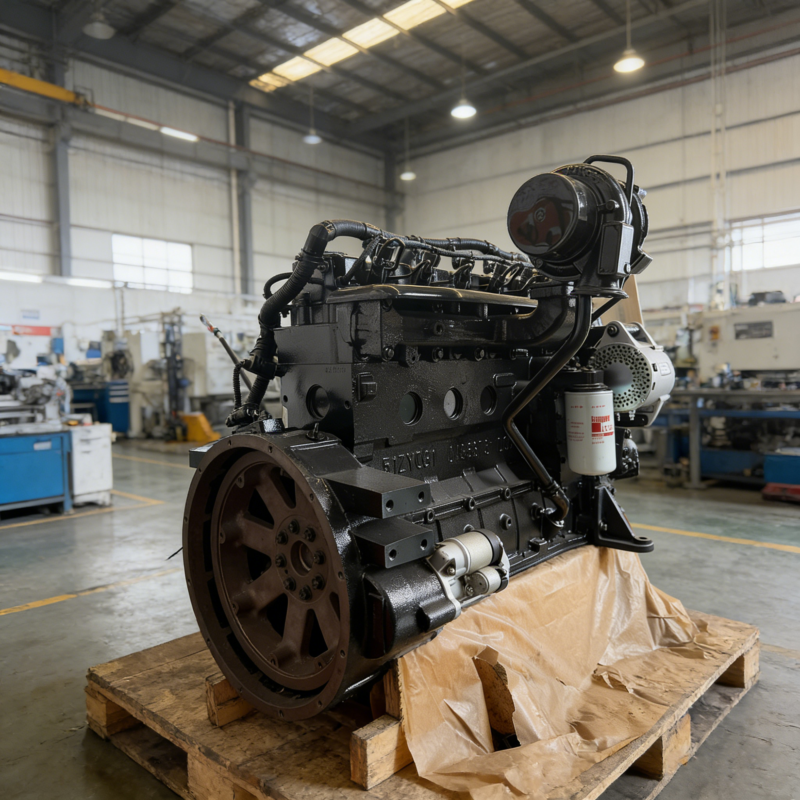
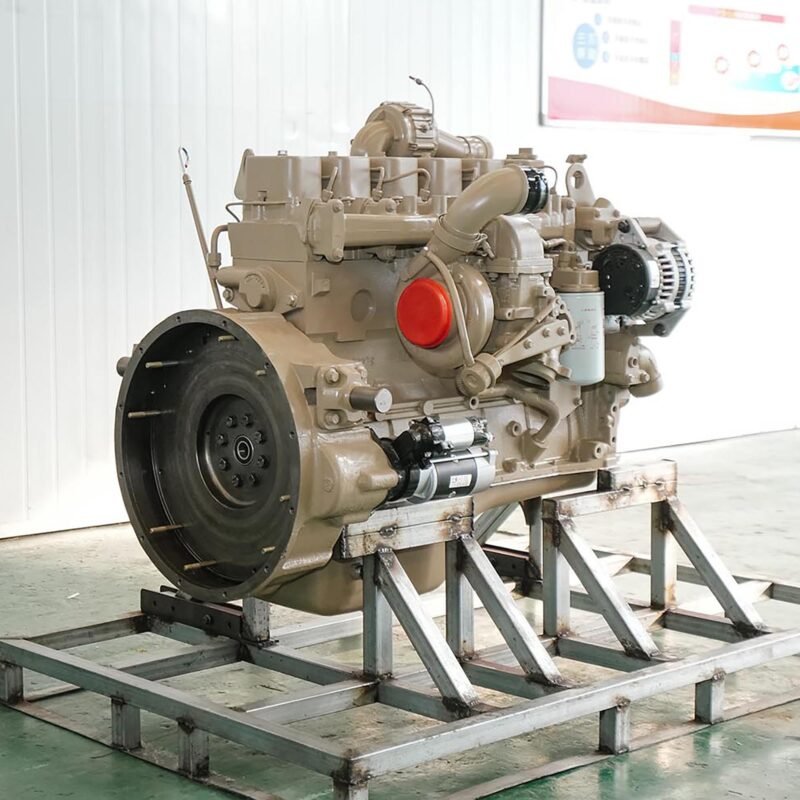
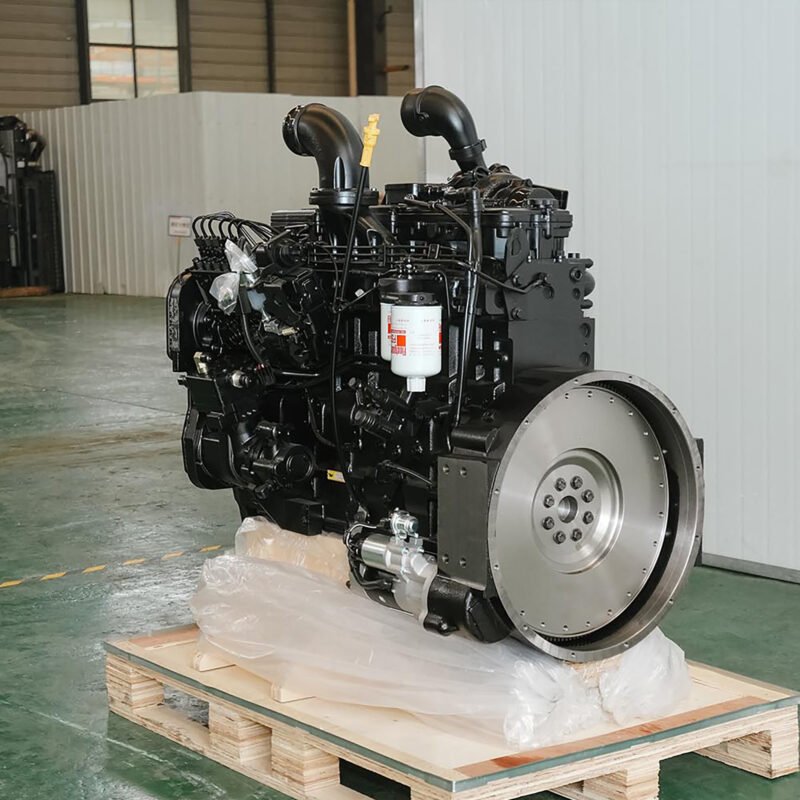
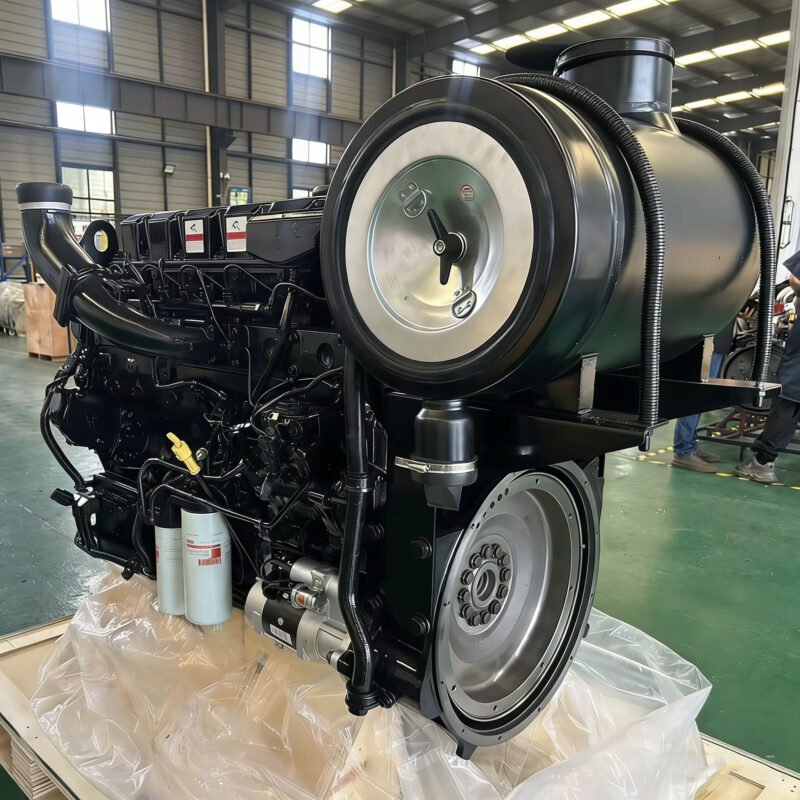
For versatile industrial demands, specific engine platforms offer distinct advantages. Models like the QSB4.5, QSB6.7, and QSL9.5 Water Pump Engines provide varied displacement options. The QSB4.5 excels in mid-range irrigation setups. The robust QSL9.5 is engineered for heavy construction and mining fluid transfer. Matching the exact engine block to the application prevents costly operational inefficiencies.
OEM Procurement: RFQ Workflows and Supplier Evaluation
Sourcing a water pump diesel engine requires strict vendor qualification. B2B buyers must evaluate a supplier’s manufacturing capability, compliance support, and customization depth. Off-the-shelf engines rarely fit specialized OEM pumping skids without modification.
A professional RFQ must include comprehensive technical data. Buyers should provide the exact pump performance curve, target RPM, and environmental operating conditions. This allows the manufacturer to recommend the correct flywheel housing and power take-off (PTO) configuration.
Top-tier suppliers accelerate this engineering workflow. For example, Xiangyang Kangjin Power Technology Co., Ltd. provides technical details and engine options within 24 hours. Their OEM/ODM customization services ensure precise alignment with your hydraulic parameters.
Procurement teams should mitigate risk through strategic purchasing. Starting with a trial order allows engineers to validate real-world performance. Reliable suppliers will support this validation with comprehensive export documentation and direct engineering consultation.
FAQ
What information is required for an accurate OEM engine RFQ?
Buyers must supply the pump’s BHP requirement, operational RPM, Total Dynamic Head (TDH), and environmental conditions (altitude and temperature). Specifying the required SAE bell housing size is also critical.
Does altitude affect diesel engine performance for water pumps?
Yes. Reduced air density at higher altitudes lowers combustion efficiency. Engineers must apply a derating factor, typically reducing available horsepower by 3% for every 1,000 feet above sea level.
Can I request trial orders for custom pump engines?
Yes. Reputable industrial suppliers accommodate trial orders to validate engineering assumptions. This allows OEM project managers to test torque alignment and fuel efficiency before committing to high-volume procurement.
What is wet stacking in a water pump diesel engine?
Wet stacking occurs when an oversized engine operates at low loads. Low combustion temperatures allow unburned fuel to accumulate in the exhaust system, leading to severe mechanical degradation.
Reference Sources
- ISO 3046-1:2002. Reciprocating internal combustion engines — Performance — Part 1: Declarations of power, fuel and lubricating oil consumptions, and test methods. International Organization for Standardization.
- Hydraulic Institute (HI). Pump Engineering Data Book: Centrifugal Pump Performance and Motor Matching Guidelines.
- Society of Automotive Engineers (SAE). SAE J1995: Engine Power Test Code – Spark Ignition and Compression Ignition.