Find a Diesel Engine Parts Supplier to Prevent Downtime

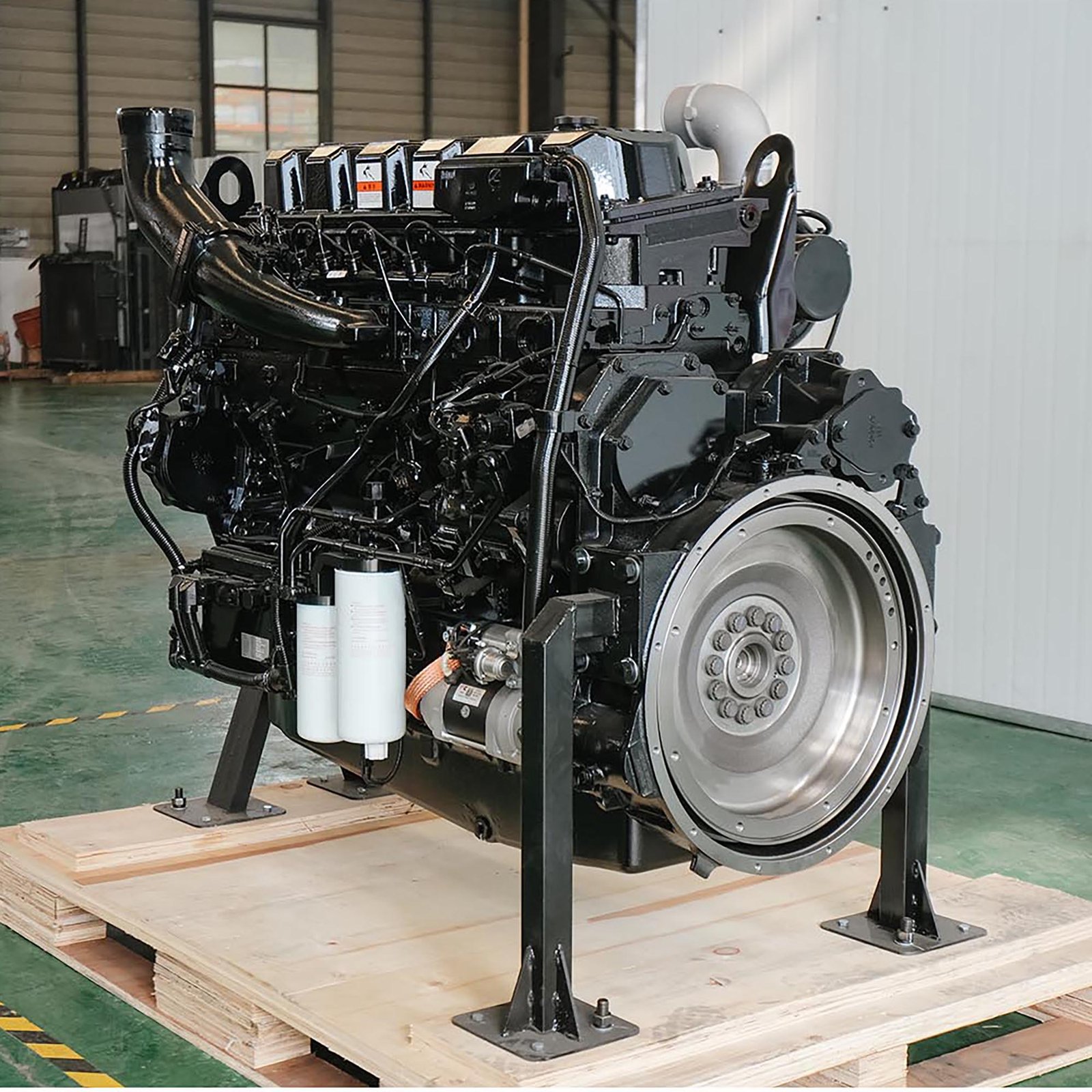
Procurement of heavy-duty engine components is a high-risk operation. Substandard parts quickly lead to catastrophic engine failure and costly operational downtime. Finding a reliable diesel engine parts supplier requires strict evaluation of their manufacturing systems. You must deeply assess their engineering capabilities and export readiness.
When sourcing components like cylinder heads or crankshafts in large volumes, the margin for error is zero. Buyers need suppliers who understand metallurgical consistency and dimensional accuracy. Bulk procurement demands a strategic approach to supply chain risk management. This guide breaks down the critical evaluation criteria for heavy machinery parts sourcing.
What Defines a Tier-1 Heavy Machinery Component Manufacturer?
The industrial manufacturing landscape is filled with middlemen and trading companies. A true Tier-1 diesel engine parts supplier operates with deep engineering expertise. They possess complete control over the production lifecycle. These manufacturers do not simply assemble parts. They manage raw casting, precision machining, and final surface treatments in-house.
To ensure long-term reliability, look for these core supplier traits:
- In-house CNC machining: Ensures dimensional tolerances are strictly maintained across batches.
- Material traceability: Tracks raw metal batches to final finished goods.
- Thermal testing: Validates component endurance under extreme operational heat.
- Export compliance: Navigates international customs and packaging standards efficiently.
Buyers must verify if a facility relies on outsourced foundries. Outsourcing critical steps increases lead times and introduces quality variations. Direct manufacturers offer better pricing stability and faster iteration cycles. Sampling delays frequently occur when brokers act as intermediaries.
Evaluating Quality Systems and Production Capacity
A factory’s technical capability is proven through internationally recognized certifications. Do not accept internal quality guarantees without third-party validation. IATF 16949 and ISO 9001 are the baseline requirements for automotive and heavy machinery manufacturing. These standards dictate strict corrective action protocols.
Quality control must include non-destructive testing (NDT). Magnetic particle inspection and ultrasonic testing detect internal voids in cast iron blocks. Surface finish and hardness testing ensure camshafts resist long-term friction. In large-volume production, metallurgical consistency prevents batch-wide defects.
Here is a comparison table outlining supplier capabilities:
| Capability Matrix | Generic Trading Company | Tier-1 OEM Supplier |
| Quality System | Unverified or expired certificates | Active IATF 16949 / ISO 9001 |
| Testing Methods | Visual inspection only | Ultrasonic and magnetic particle NDT |
| Material Tracking | None | Full batch traceability codes |
| Scalability | Subject to third-party delays | In-house flexible production lines |
Capacity evaluation also requires reviewing tooling limits. Ensure the supplier has the automated machinery required to handle bulk volumes. Pushing a low-capacity factory beyond its limits inevitably degrades precision.
Navigating the RFQ and MOQ Workflow in Heavy Machinery
Procurement teams often fail by submitting vague RFQs. A standardized RFQ workflow for engine parts must include technical drawings and material grades. It must also specify expected tolerances and target order volumes. Clear documentation prevents expensive miscommunications.
Follow this systematic workflow for bulk procurement:
- Submit Specifications: Provide OEM part numbers, 3D CAD files, or physical samples.
- Review Cost Breakdown: Analyze the tooling costs versus the per-unit price.
- Validate Pre-Production Samples: Test initial physical parts in actual engine assemblies.
- Confirm MOQ Constraints: Negotiate terms for mass production runs based on initial testing.
Minimum Order Quantities (MOQ) vary wildly across categories. Standard replacement parts often have lower MOQs due to existing tooling. Custom-engineered components require entirely new molds. This naturally drives up initial volume commitments. Always negotiate a trial order phase before committing to full-scale production.
OEM vs. Aftermarket: Application-Specific Sourcing Logic
Different industries impose vastly different stress profiles on engine components. A one-size-fits-all approach to parts sourcing inevitably causes field failures. You must match the supplier’s engineering background with your specific application environment.
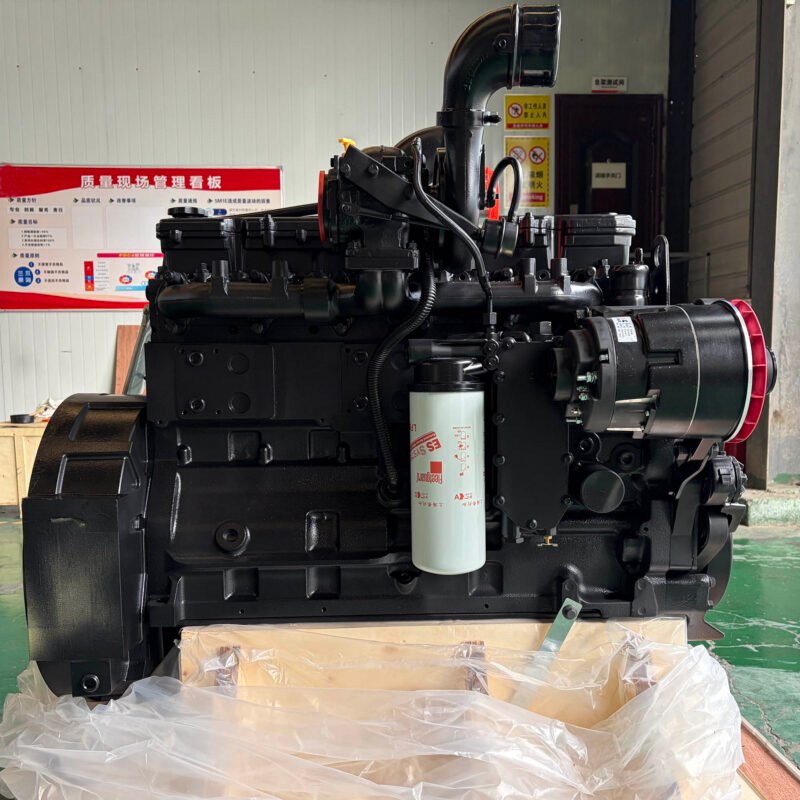
Construction machinery engines face severe dust and high-torque demands. Parts for these engines require advanced surface hardening and tight filtration tolerances. Excavators and loaders operate in environments that destroy standard aftermarket parts.
Marine engines operate in highly corrosive, high-humidity environments. A capable diesel engine parts supplier will utilize marine-grade alloys and anti-corrosion coatings. They must also comply with IMO Tier III emissions standards where applicable.
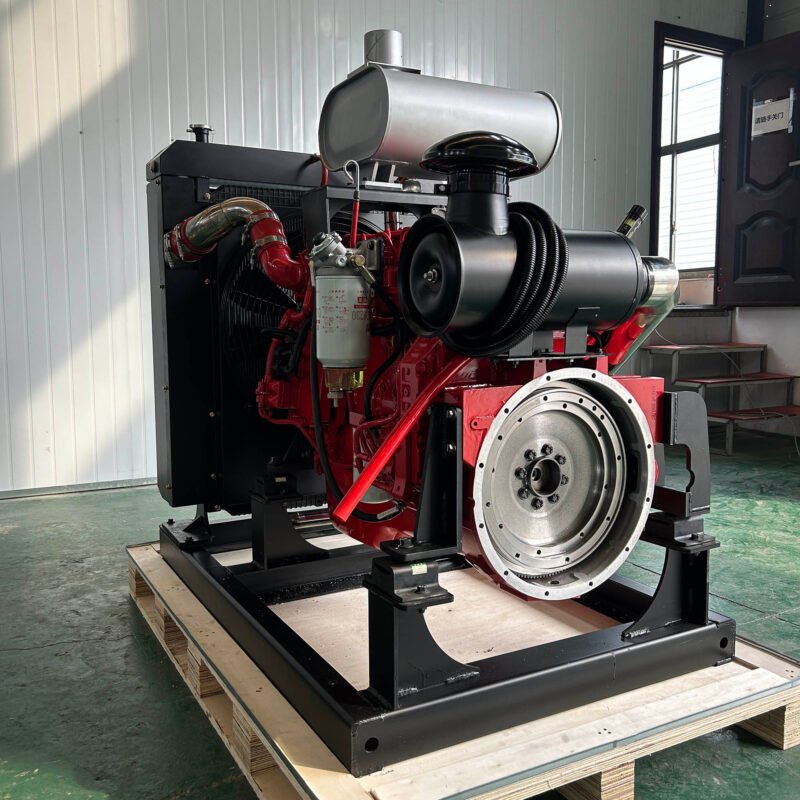
Power generation engines demand continuous-load stability. Generators run for thousands of hours at constant RPMs. Components like pistons and bearings must exhibit exceptional thermal fatigue resistance. This prevents mid-cycle breakdowns during critical power loads.
Managing Supply Chain Risks and Export Logistics
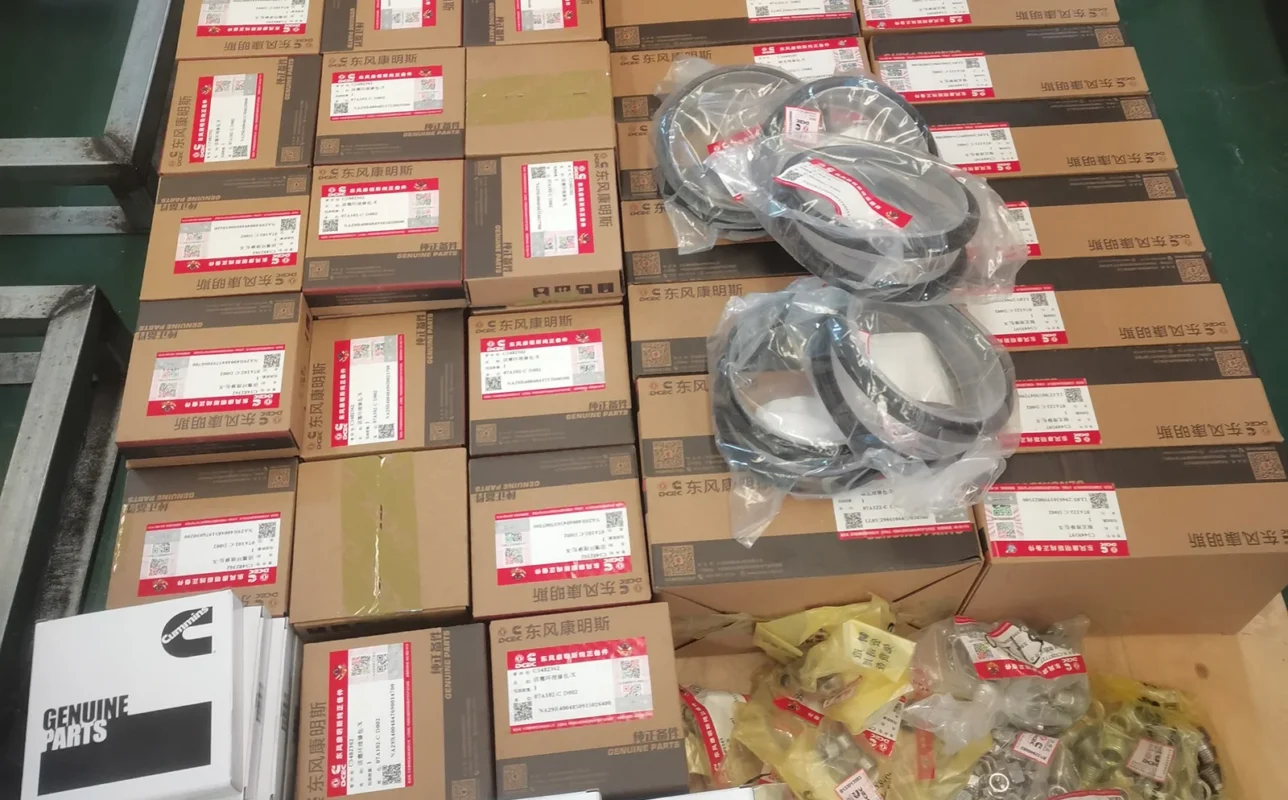
Manufacturing excellence means nothing if the parts arrive damaged. Heavy engine blocks and delicate fuel injectors require specialized packaging. Bulk shipments face extended transit times and variable climate conditions.
A professional supplier implements strict export packaging protocols. Machined surfaces receive anti-rust oil treatments before vacuum sealing. Components are then secured in fumigated wooden crates to prevent transit vibration damage.
International trade compliance is equally critical. The factory must handle correct HS codes and origin certificates. Misclassified parts cause severe customs delays. Establish clear INCOTERMS early in the negotiation to define freight liability.
Integrating Your Procurement with Proven Solutions
Securing bulk components or complete assemblies requires a partner with proven infrastructure. Partnering with an established manufacturer heavily reduces supply chain friction. They bridge the gap between technical engineering and global logistics.
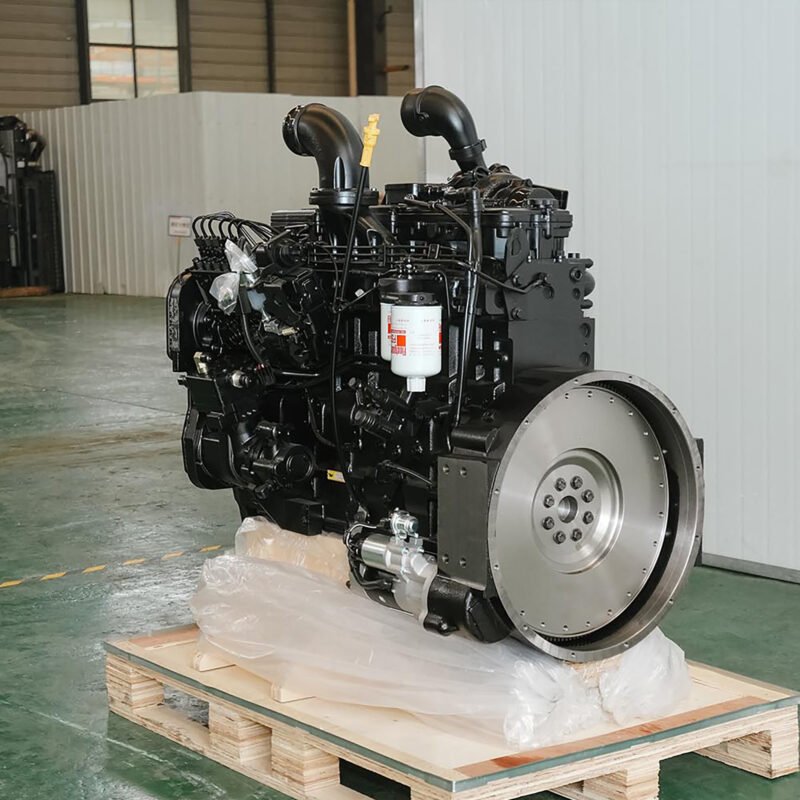
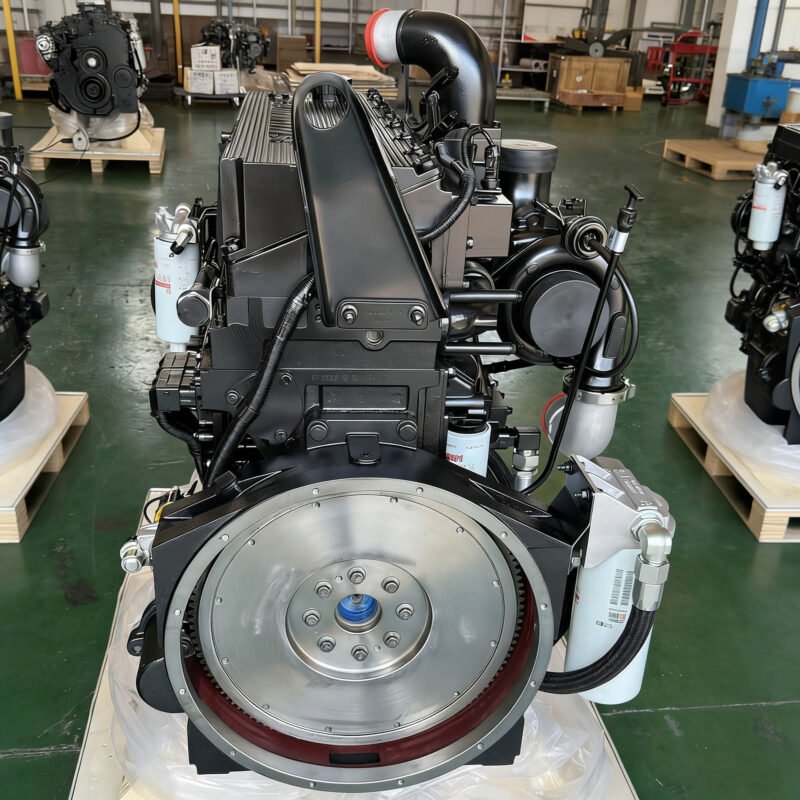
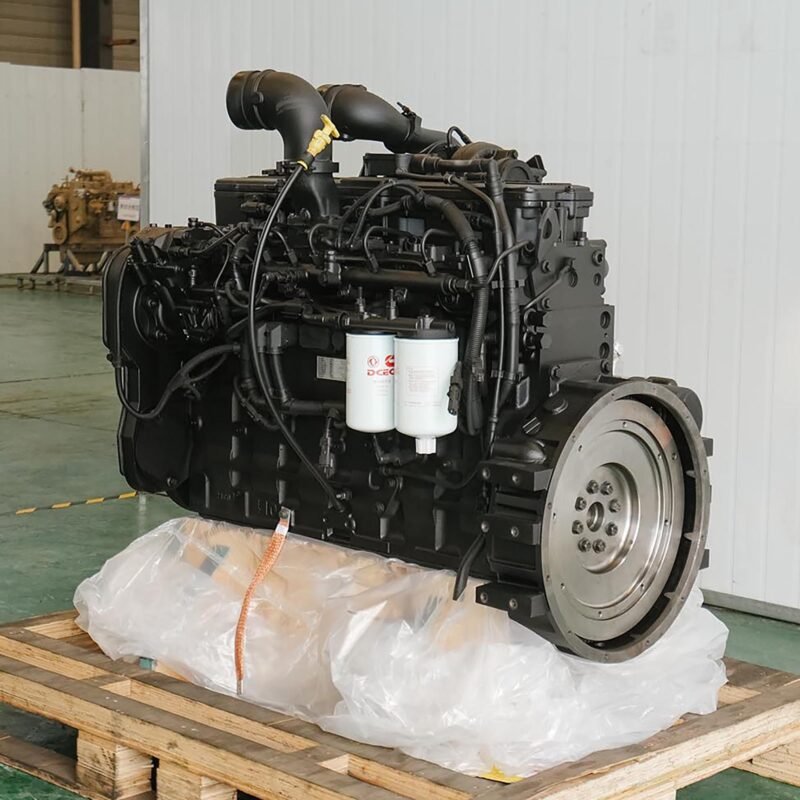
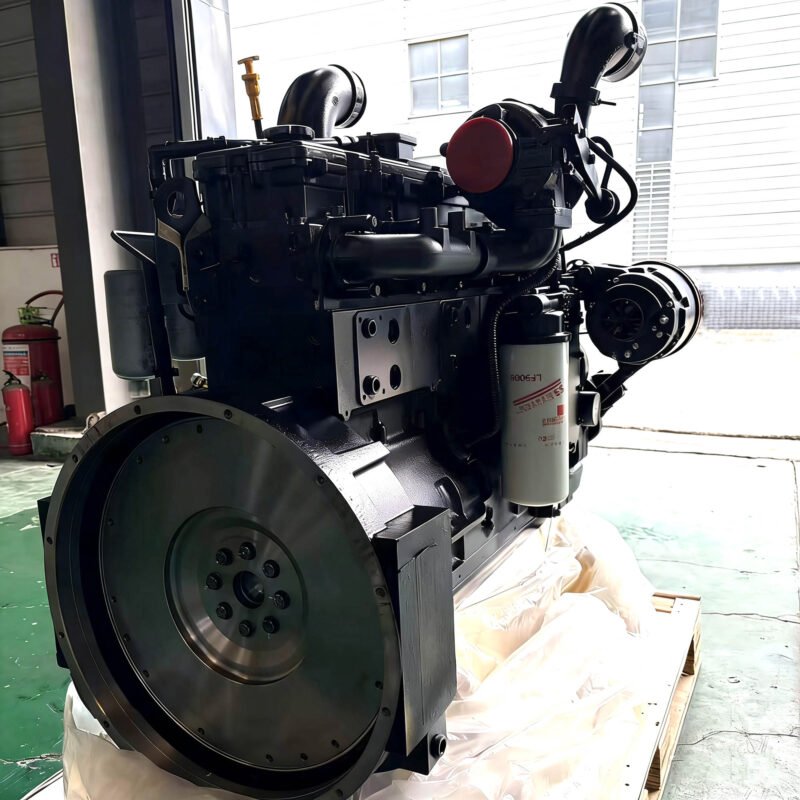
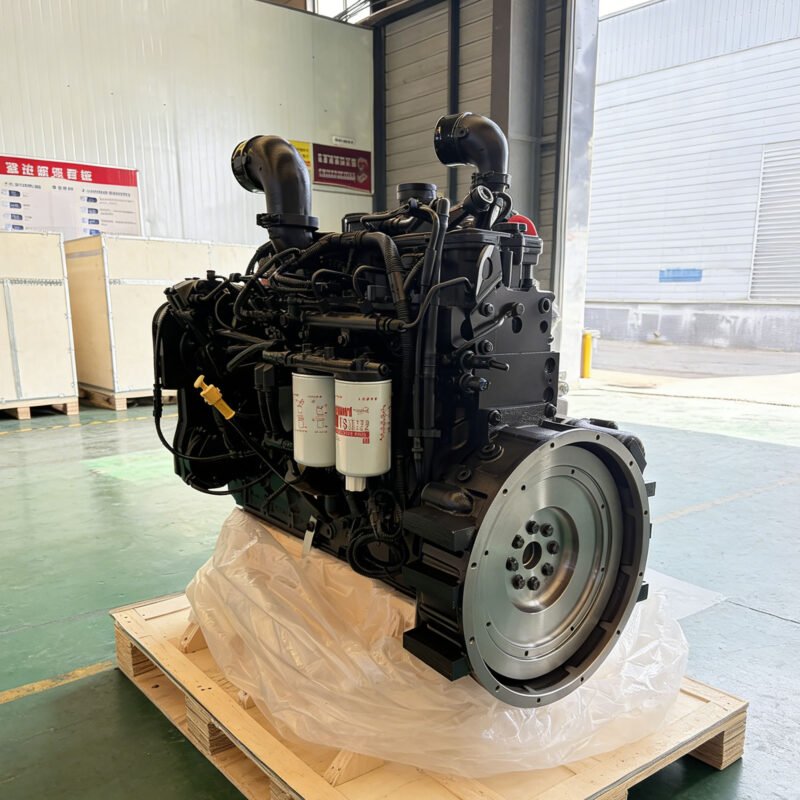
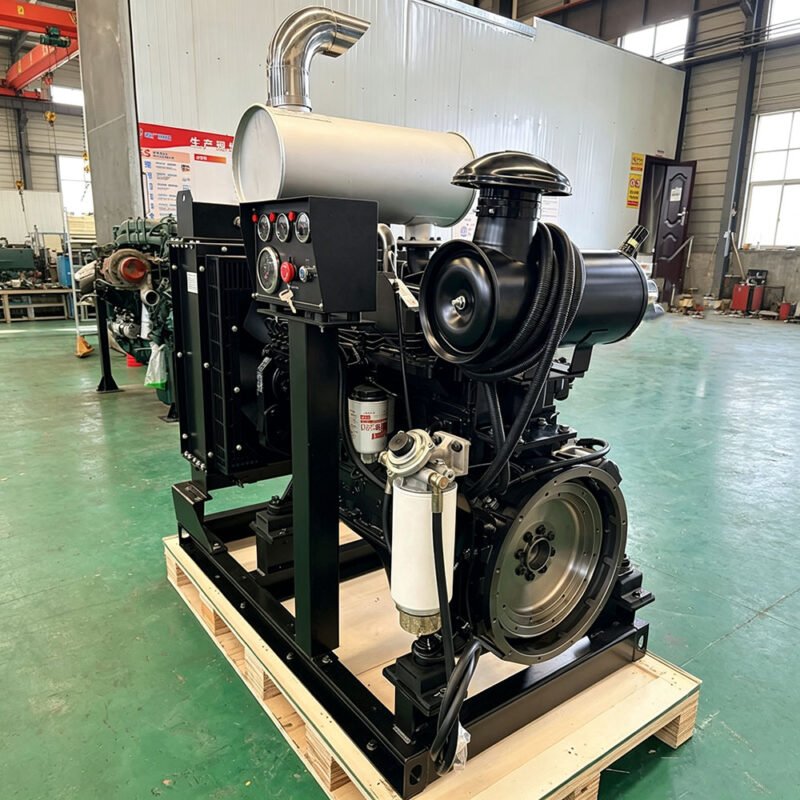
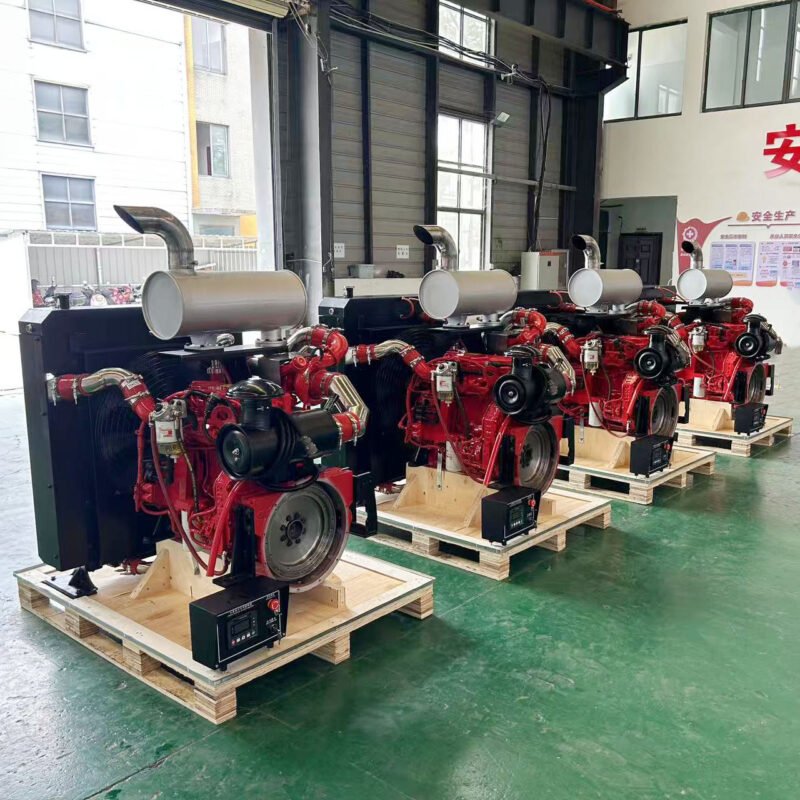
Xiangyang Kangjin Power Technology Co., Ltd. exemplifies this industrial standard. They are a professional supplier providing comprehensive diesel engines and complete engine solutions. Their catalog covers construction machinery, marine applications, and power generation setups. They handle renowned architectures like the Cummins 4BTA3.9 and 6BTA5.9 series.
Their platform is optimized for B2B procurement efficiency. They support extensive OEM/ODM customization for specialized projects. Buyers can initiate a trial order to validate engineering quality without massive upfront risk. When you request a quote, their engineering and sales team delivers engine options, technical details, and export support within 24 hours. This rapid turnaround secures your production pipeline.
FAQ
What is the typical MOQ for custom engine parts?
MOQs depend entirely on tooling requirements. Standard cast parts might require 500 units. Highly specialized CNC-machined components often start at 1,000 units to offset setup costs.
How long is the lead time for bulk engine component orders?
Initial sampling typically takes 4 to 6 weeks. Once samples are approved, mass production for bulk orders usually requires 30 to 60 days. Complex logistics and raw material shortages can extend this timeframe.
What quality certifications should I verify?
Always request verifiable ISO 9001 and IATF 16949 certificates. These standards ensure the factory maintains rigorous quality management systems suitable for automotive and heavy machinery.
Can suppliers provide samples before mass production?
Yes. Reliable manufacturers always insist on a pre-production sampling phase. This allows engineers to conduct fitment and endurance testing before approving large-scale manufacturing.
Reference Sources
- ISO 9001:2015 Quality management systems – Requirements (iso.org)
- IATF 16949 Automotive Quality Management System (iatfglobaloversight.org)
- ASTM International Standards for Cast Iron and Steel (astm.org)
- International Maritime Organization (IMO) Tier III Emissions Regulations (imo.org)