Construction Machinery Engine: Diesel Selection Guide [2026]

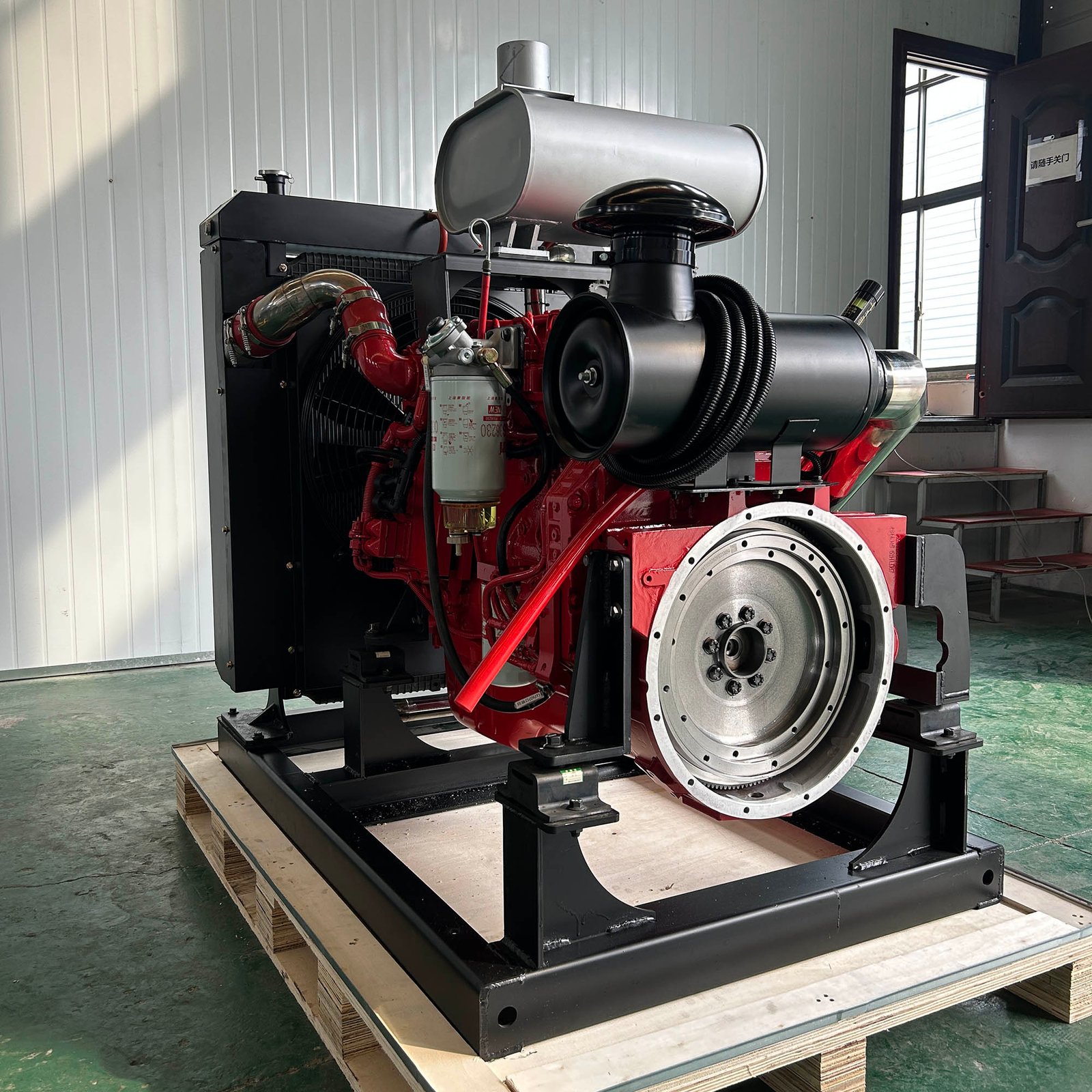
The right construction machinery engine dictates the performance, fuel efficiency, and lifespan of heavy equipment. For OEMs and procurement engineers, selecting a diesel power plant requires careful technical evaluation. A mismatched engine leads to excessive fuel consumption, frequent stalling, or premature wear.
When evaluating a construction machinery engine, prioritize these core specifications:
- Peak torque at low RPM for rapid hydraulic response.
- Emissions compliance strictly matched to the target export market.
- Cooling capacity designed for continuous high-load operations.
- Manufacturer support for custom OEM integration and parts availability.
Construction environments present unique thermal and mechanical challenges. Equipment operates under heavy dust, extreme temperatures, and variable loads. Engine blocks must withstand high vibration without structural fatigue.
How Torque and Power Curves Dictate Equipment Performance
Heavy equipment relies on hydraulic systems to perform physical work. These hydraulic pumps require consistent rotational force from the engine. Therefore, peak torque matters significantly more than maximum horsepower.
A high-quality construction machinery engine delivers maximum torque at lower engine speeds. This prevents the engine from bogging down when an excavator bucket hits solid rock. Engineers evaluate torque rise, which indicates how well the engine recovers under sudden loads.
| Engine Type | Fuel Injection System | Best Application | Maintenance Complexity |
| Mechanical | Rotary Pump | Remote Mining Sites | Low |
| Electronic | Common Rail | Urban Construction | High |
Mechanical engines offer high reliability in remote areas with poor fuel quality. Electronic engines provide superior fuel economy and precise emissions control. In large-volume production, OEMs often select electronic models to meet strict environmental regulations.
Cooling System Configurations for Heavy-Duty Environments
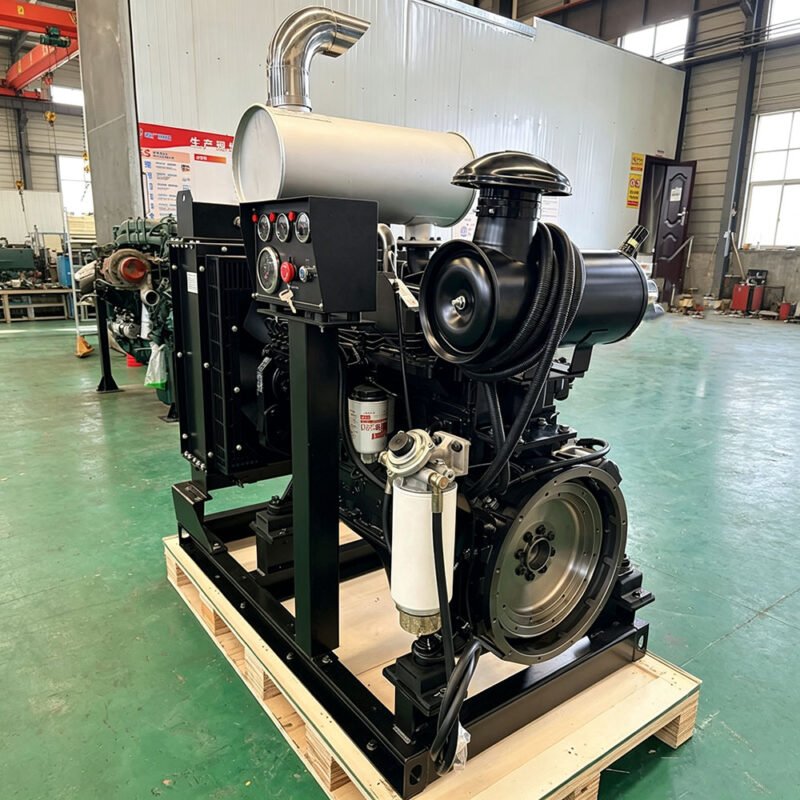
The cooling system of a construction machinery engine dictates its thermal limit. Standard radiators often fail in heavy dust or high-debris environments. Engineers must select between suction fans and pusher fans based on equipment airflow.
Suction fans draw cool outside air through the radiator into the engine bay. Pusher fans blow hot engine bay air out through the radiator assembly. For landfill or forestry equipment, specialized debris screens prevent radiator clogging.
Proper coolant circulation prevents localized boiling within the cylinder head. Heavy-duty engines utilize high-flow water pumps to maintain uniform block temperatures. This thermal stability prevents warped cylinders during continuous operating shifts.
Matching Diesel Engines to Specific Applications
Different heavy equipment requires distinct power delivery profiles. An excavator demands rapid transient response to handle sudden hydraulic spikes. Conversely, a wheel loader requires sustained torque for continuous pushing.
For outdoor applications, air filtration and environmental sealing are critical factors. Mining environments typically require multi-stage air cleaners to block silica dust. Without proper filtration, abrasive particles quickly destroy piston rings and cylinder liners.
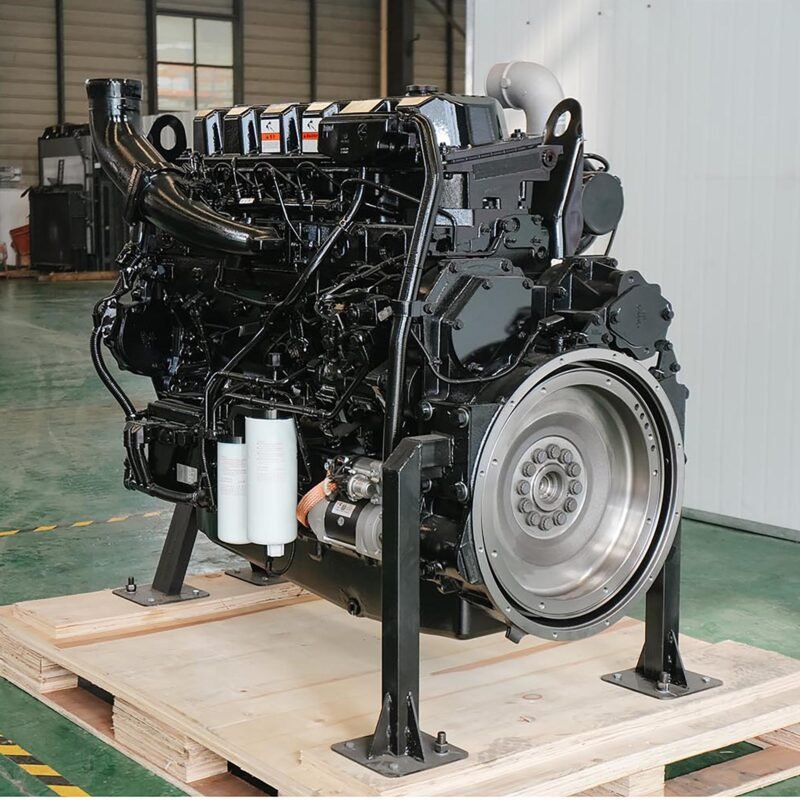
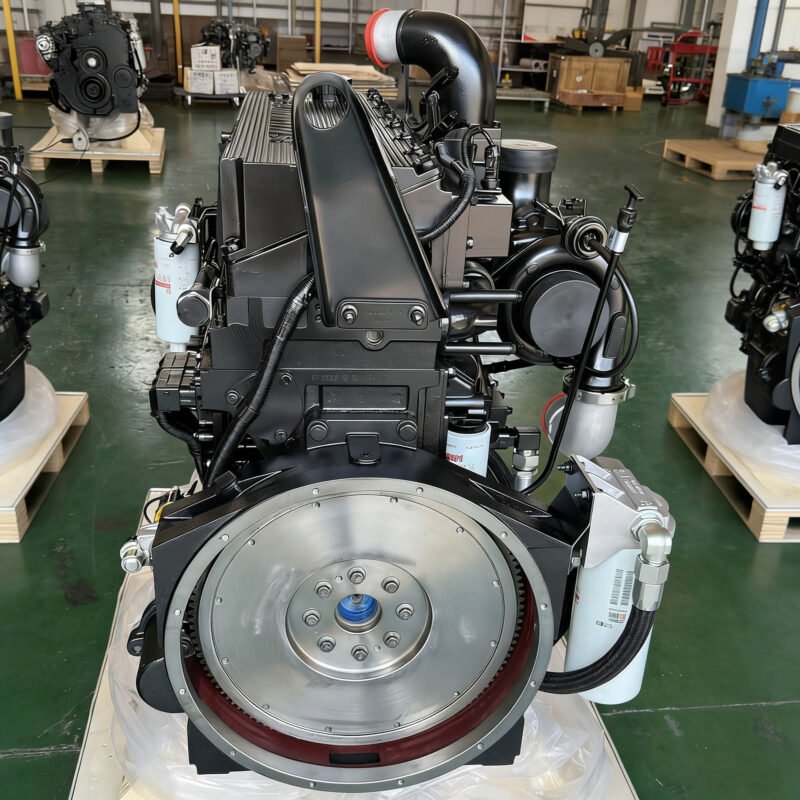
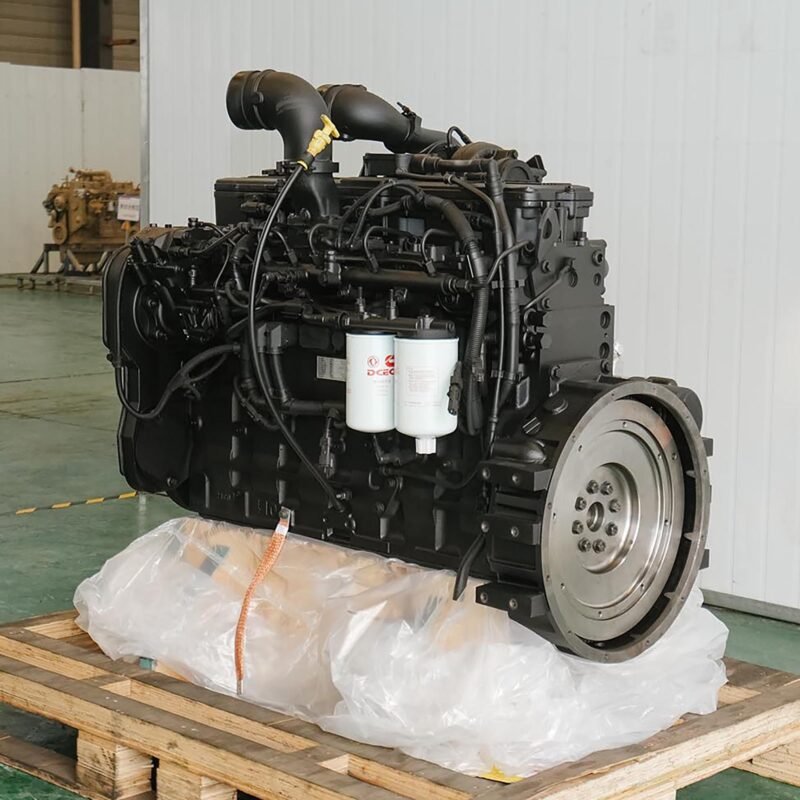
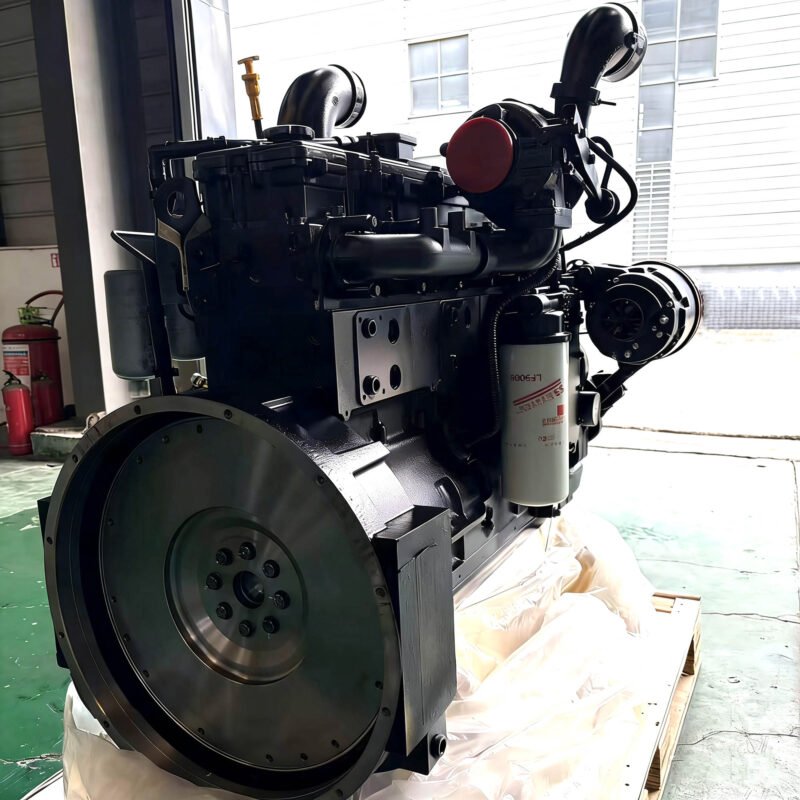
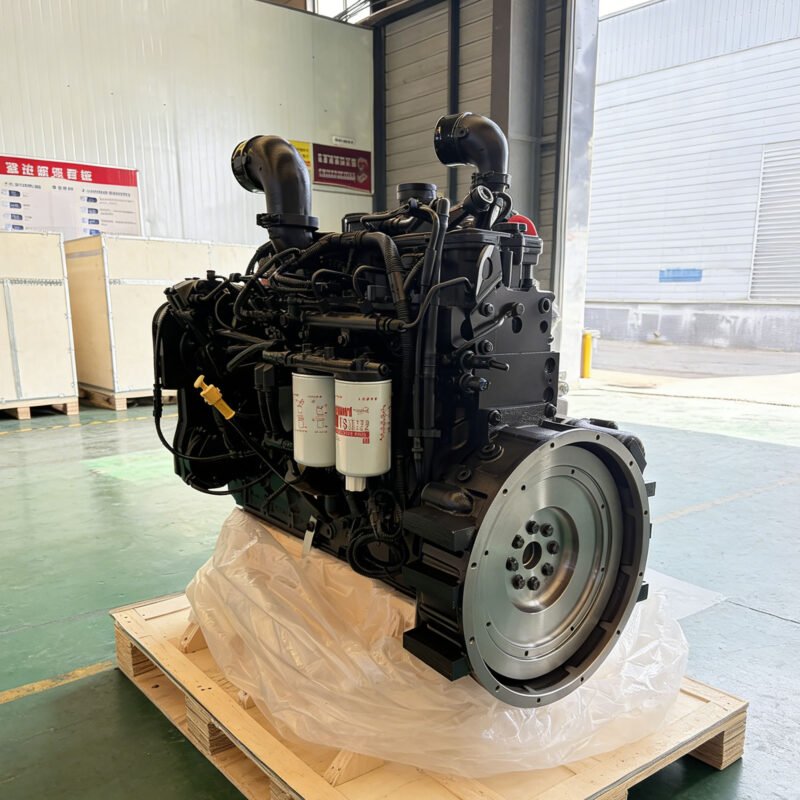
Engine series like the Cummins 4BTA3.9 and 6BTA5.9 are engineered for these conditions. They feature robust cast-iron blocks and efficient turbocharged air delivery systems. This rigid construction ensures longevity even during continuous heavy-duty cycles.
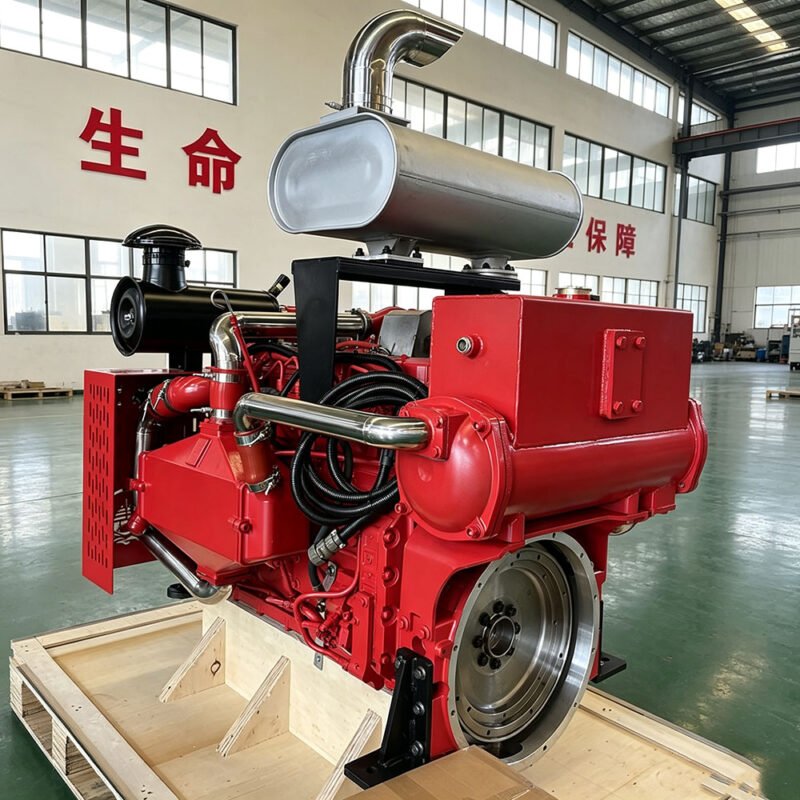
Packaging Constraints and Power Density Considerations
Modern equipment designs prioritize compact dimensions without sacrificing overall power. Power density measures how much horsepower an engine produces per liter of displacement. A compact construction machinery engine allows for improved operator visibility.
It also provides OEM engineers with more room for complex hydraulic routing. However, higher power density often increases internal engine temperatures during operation. This requires upgraded cast-iron blocks and enhanced internal oil cooling jets.
Engine footprint analysis is a critical step in the procurement workflow. OEM project managers must verify that the block fits the existing chassis geometry. Changing engine mounts or modifying the frame dramatically increases production costs.
Navigating Emissions Standards: Tier 4 Final vs. EU Stage V
Global environmental regulations directly impact engine selection and supply chain planning. Purchasing a construction machinery engine requires aligning with local emissions laws. Non-compliant equipment faces import bans and heavy operational fines.
Modern diesel engines utilize advanced aftertreatment systems to reduce pollutants. Selective Catalytic Reduction (SCR) injects urea fluid to neutralize nitrogen oxides. Diesel Particulate Filters (DPF) capture harmful soot before it exits the exhaust.
These systems require specific physical space within the equipment chassis. OEM project managers must account for aftertreatment dimensions during the design phase. Failure to allocate sufficient space leads to costly engineering modifications later.
Fuel Quality Tolerance and Filtration Requirements
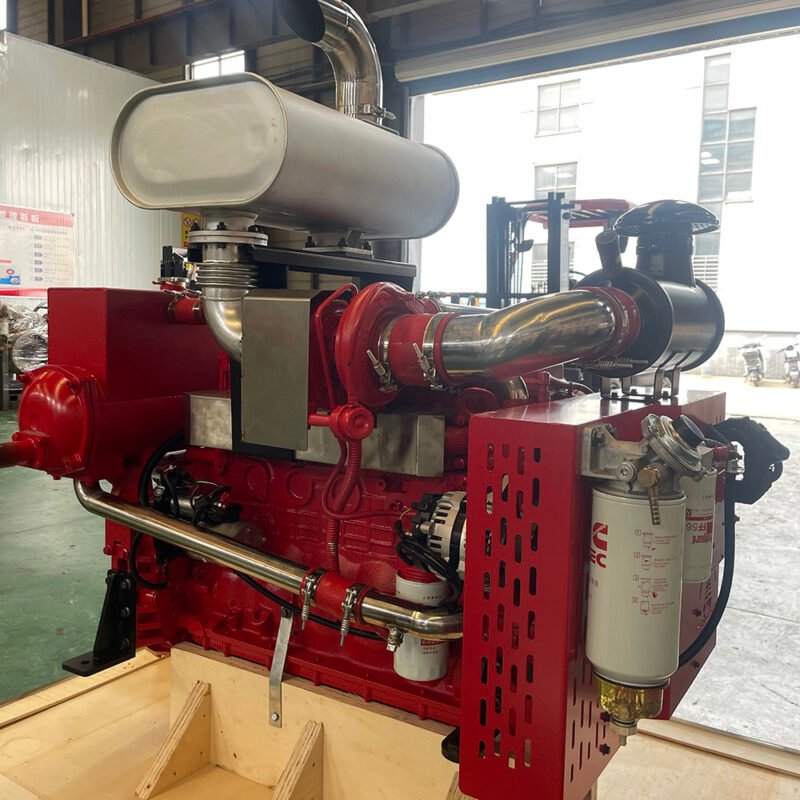
Global construction sites often suffer from inconsistent diesel fuel quality. High sulfur content or water contamination quickly destroys precision fuel injectors. A robust construction machinery engine requires advanced multi-stage fuel filtration.
Primary filters separate water and large particulates from the fuel supply. Secondary filters capture microscopic contaminants before they reach the high-pressure pump. These filtration layers protect the engine from catastrophic fuel system failure.
Mechanical engines generally tolerate poor fuel better than sensitive electronic models. However, advanced common-rail systems offer self-diagnostics to warn operators of fuel issues. Proper maintenance of these filters guarantees continuous operational uptime.
Custom Procurement and OEM Supplier Evaluation
Selecting an engine supplier involves evaluating their manufacturing capability and technical support. A reliable partner provides detailed 3D models, performance curves, and integration assistance. Sampling delays may occur when suppliers lack dedicated in-house engineering teams.
When sourcing a construction machinery engine, verify the supplier’s customization limits. Can they modify the oil pan for extreme operation angles? Do they offer alternative SAE flywheel housings to match your transmission? These technical details separate true OEM partners from standard distributors.
For B2B buyers, Xiangyang Kangjin Power Technology offers specialized integration services. They manufacture high-performance power plants designed for global equipment brands. Their lineup includes proven diesel platforms like the 6CTAA8.3, QSB6.7, and QSZ13.
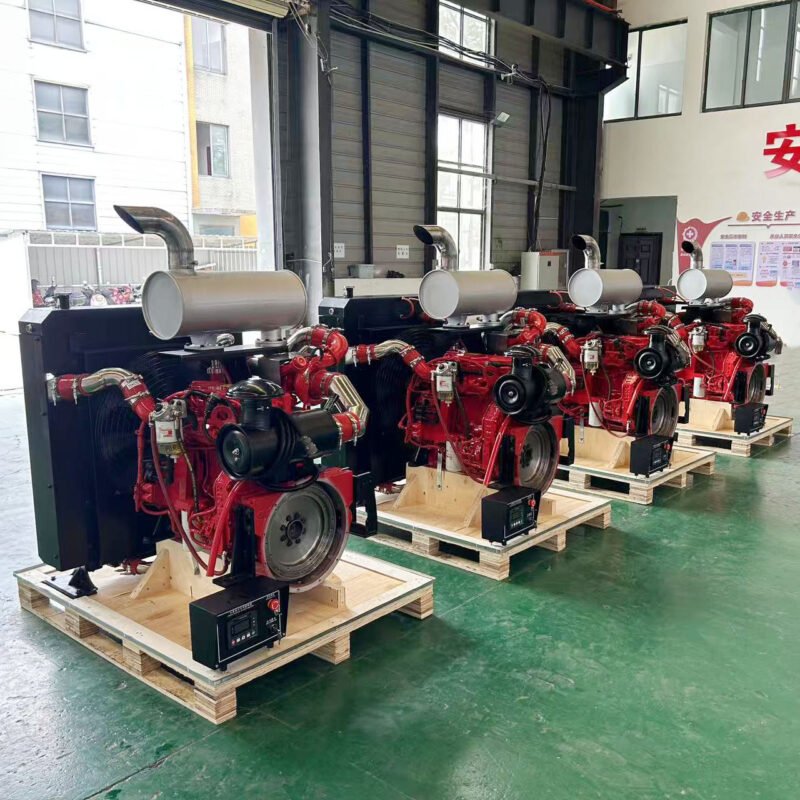
OEM buyers can explore their full range of construction machinery engines to find exact specifications. Kangjin Power supports trial orders, allowing engineers to test performance before volume production. Their engineering team assists with cooling packages, mounting brackets, and export compliance.
To initiate an RFQ or request technical data, contact their sales engineers directly. Visit their contact us page to secure engine options and export support within 24 hours. Building a direct relationship with the factory ensures stable supply chains and competitive pricing.
FAQ
Q: What details are required to request an accurate engine quote?
A: Buyers must provide the required horsepower, target emission standard, intended application, and SAE flywheel housing size. Electrical system voltage preferences also help narrow down the exact configuration.
Q: What is the standard MOQ for a custom construction machinery engine?
A: Standard trial orders often begin at one unit for prototyping. Full OEM production runs typically require higher minimum order quantities depending on specific casting customizations.
Q: How long is the lead time for an industrial diesel engine?
A: Standard configurations ship within 15 to 30 days. Custom setups requiring modified flywheels or tailored cooling packages may take 45 to 60 days.
Q: Can these engines operate efficiently in high-altitude environments?
A: Yes, turbocharged models maintain power output at higher elevations. Electronic fuel injection systems automatically adjust fuel delivery based on real-time barometric pressure readings.
Q: How do we verify emissions compliance for imported engines?
A: Reputable manufacturers provide official certification documents, such as EPA or EU Stage V certificates. Always verify these documents against the regulatory database before authorizing sea freight.
Reference Sources
- International Organization for Standardization (ISO). “ISO 3046-1: Reciprocating internal combustion engines — Performance.”
- Environmental Protection Agency (EPA). “Nonroad Diesel Engine Emission Standards and Compliance Requirements.”
- European Commission. “Stage V Emissions Regulations for Non-Road Mobile Machinery (NRMM).”
- Society of Automotive Engineers (SAE). “SAE J617: Engine Flywheel Housings and Standard Dimensions.”
- Diesel Technology Forum. “Clean Diesel Technology for Heavy Construction Equipment.”