
Diesel Engine Maintenance Cost: Key Factors and Technical Tips

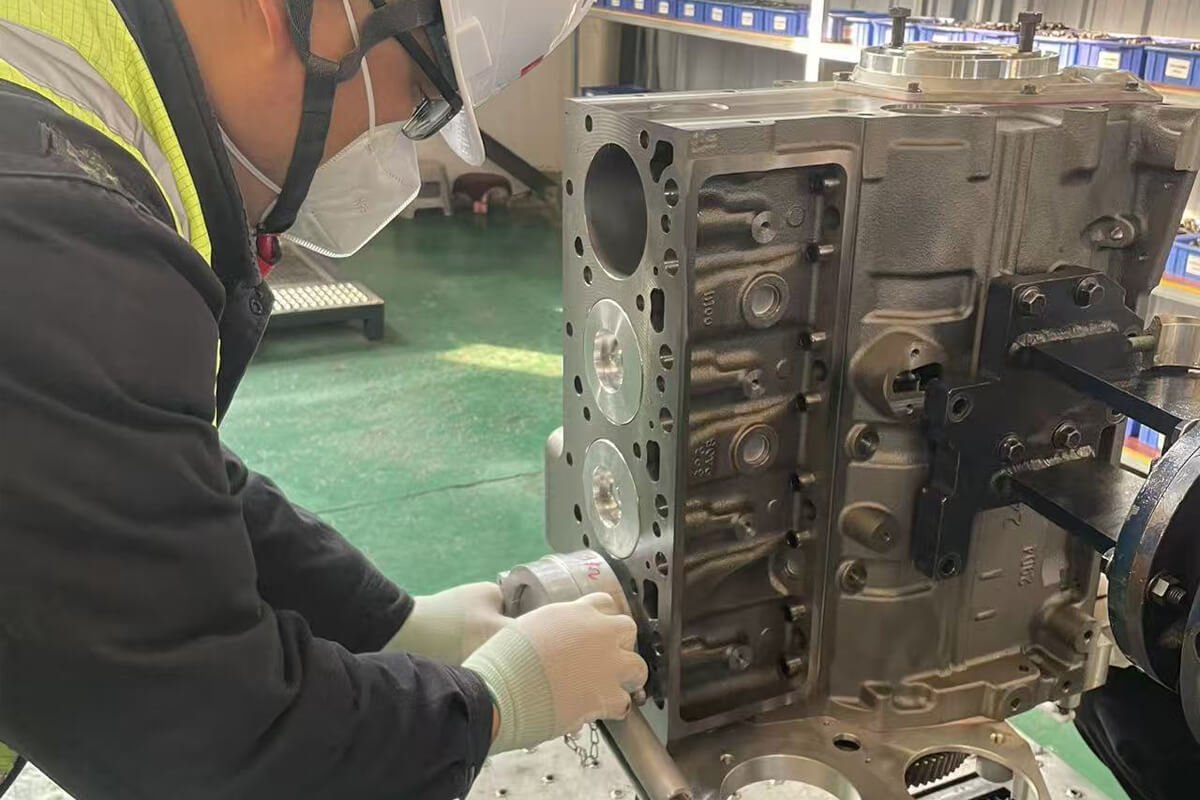
Understanding the Lifecycle ROI: Technical Factors in Diesel Engine Maintenance
Diesel engines are the heavy-duty workhorses of the global industrial economy, powering everything from backup generators in hospitals to primary propulsion in marine vessels. While their thermal efficiency and durability surpass gasoline counterparts, their maintenance profile is markedly different. For a plant manager or fleet engineer, managing diesel engine maintenance cost is a sophisticated balance of proactive technical intervention and understanding the chemistry of combustion.
The total cost of ownership (TCO) of an industrial engine is heavily weighted toward its mid-life maintenance requirements. Unlike light-duty consumer engines, industrial diesel units operate under constant load, necessitating a stringent adherence to technical intervals to prevent catastrophic mechanical failure.
What Determines Diesel Engine Maintenance Cost?
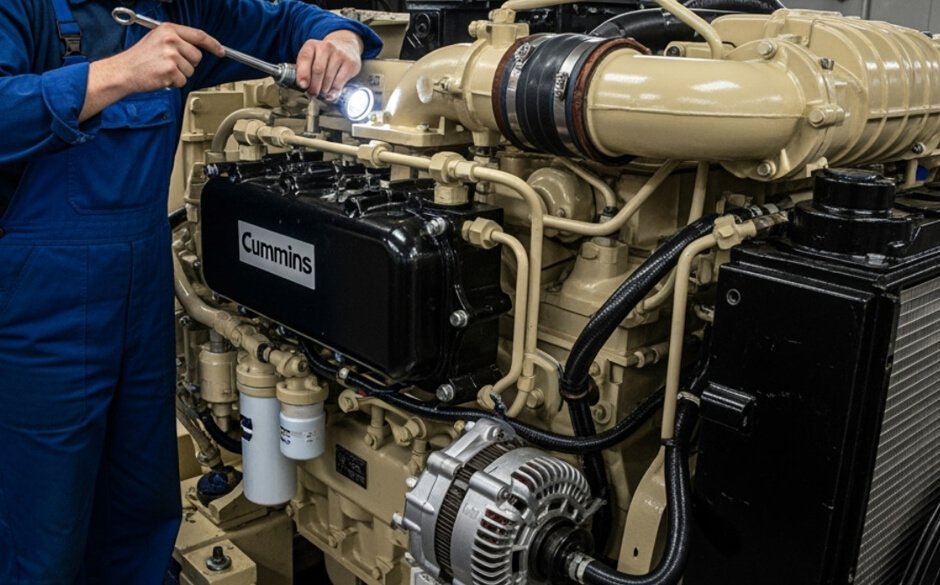
The financial outlay for maintaining a diesel engine is not a fixed figure but a variable driven by operational environment, fuel quality, and duty cycle. In technical terms, the cost is distributed across three primary categories: consumables, wear-component replacement, and specialized diagnostic labor.
1. Filtration and Lubrication Chemistry
Lubrication is the lifeblood of a compression-ignition engine. The cost here involves high-specification oils that must handle soot suspension and acid neutralization. Using oil with the incorrect sulfated ash content can lead to premature Diesel Particulate Filter (DPF) clogging or valve train wear. High-efficiency fuel filters are equally critical, as modern high-pressure common rail (HPCR) systems operate at pressures exceeding 30,000 psi, where even microscopic contaminants can erode injector nozzles.
2. Cooling System Integrity
Cooling system neglect is responsible for nearly 40% of heavy-duty engine failures. Maintenance costs involve specialized Supplemental Coolant Additives (SCAs) to prevent liner pitting—a phenomenon caused by cylinder wall vibration creating vacuum bubbles that implode and erode the metal.
3. Top-End and Major Overhaul Intervals
Industrial engines are designed for a specific “Time Between Overhaul” (TBO). Maintenance budgets must account for scheduled top-end overhauls (cylinder heads and valves) and, eventually, full bottom-end rebuilds. Failure to budget for these milestones often leads to “reactive maintenance,” which can be 3x to 5x more expensive than planned interventions.
Technical Tips for Optimizing Industrial Engine Longevity
To mitigate the diesel engine maintenance cost over the long term, engineering teams must transition from traditional “hour-based” schedules to condition-based monitoring.
- Implement Routine Lube Oil Analysis (LOA): LOA provides a window into the internal health of the engine. By measuring ppm (parts per million) of metals like iron, copper, and lead, technicians can identify bearing wear or liner scuffing before a failure occurs.
- Monitor Exhaust Gas Temperatures (EGT): Consistently high EGTs often indicate over-fueling, restricted air intake, or cooling issues. Keeping EGTs within the manufacturer’s specified range prevents turbocharger fatigue and piston crown damage.
- Maintain Battery Health for Standby Units: For engines used in backup power, such as those found in Kangjin Power’s industrial solutions, battery failure is the most common reason for “Failure to Start.” Ensuring a trickle-charge system is functioning prevents starter motor strain and electrical system surges.

Predictive vs. Reactive Maintenance: A Performance Comparison
The following table outlines the technical differences between a proactive maintenance strategy and a reactive “run-to-fail” approach.
| Feature | Proactive Maintenance Strategy | Reactive (Run-to-Fail) Approach |
| Lubrication | Oil changed based on LOA results | Oil changed only after visible thickening |
| Fuel System | Filters replaced at 500-hour intervals | Filters replaced when power loss occurs |
| Cooling | Cavitation protection monitored via strips | Coolant topped off with tap water |
| Diagnostic Tooling | Borescope and thermographic imaging | Visual inspection after smoke or noise |
| Cost Impact | Predictable, incremental OPEX | Unpredictable, high CAPEX for replacement |
Managing Components in High-Load Applications
In high-load industrial applications—such as mining, construction, or continuous power generation—the environmental stressors on engine components are intensified. Dust ingestion is a primary threat; even a 1% leak in the air intake system can “dust” an engine, leading to rapid ring wear and blow-by.
When sourcing components for maintenance, engineers must ensure that gaskets, liners, and injectors meet the specific tolerances required for the engine model. Modern industrial engines, like those categorized underKangjin Power’s product portfolio, require components that can withstand extreme thermal cycling. Using substandard “will-fit” parts instead of OEM-spec components often leads to a shorter TCO and higher frequency of intervention, effectively increasing the long-term maintenance cost despite lower initial part prices.
The Role of Fuel Quality in Cost Mitigation
Fuel is the largest single expense for diesel operation, but it is also a major driver of maintenance costs. Poor fuel quality leads to:
- Microbial growth in tanks, which clogs filters and corrodes pump internals.
- Water contamination, causing injector tip explosions due to the rapid expansion of steam.
- Incomplete combustion, resulting in carbon buildup on valves and turbocharger vanes.
Integrating a high-quality fuel-water separator and utilizing biocides in long-term storage tanks are low-cost interventions that yield high returns in engine reliability.
FAQ: Navigating Diesel Maintenance Logic
Q: How often should a lube oil analysis be performed?
A: For continuous-use industrial engines, every 250 to 500 operating hours is standard. For standby generators, an annual analysis is recommended regardless of hours to check for moisture and fuel dilution.
Q: Why is “wet stacking” a concern for maintenance costs?
A: Wet stacking occurs when a diesel engine is run on too light a load, preventing it from reaching optimal operating temperature. This leads to unburnt fuel and carbon buildup in the exhaust system. Over time, this requires expensive cleaning or replacement of exhaust components.
Q: What is the most common cause of sudden diesel engine failure?
A: Aside from fuel exhaustion, cooling system failure—specifically a burst hose or failed water pump—remains the leading cause of sudden catastrophic failure. Regular thermographic inspections can identify “hot spots” in the cooling system before they lead to a breach.
Q: Do modern Tier 4 engines have higher maintenance costs?
A: Yes, Tier 4 and Stage V engines incorporate complex after-treatment systems like Selective Catalytic Reduction (SCR) and Diesel Exhaust Fluid (DEF) injection. While they are more environmentally friendly, they require additional maintenance steps and higher-grade consumables.
Reference Sources
- ISO 8528-1:2018: Reciprocating internal combustion engine-driven alternating current generating sets
- Society of Automotive Engineers (SAE): Diesel Engine Oil Consumption and Wear Technical Papers
- Technology & Maintenance Council (TMC): Recommended Maintenance Practices for Heavy-Duty Engines
- ASTM D975: Standard Specification for Diesel Fuel Oils

