
Best Diesel Engine for Construction Eauipment (2026 Guide)

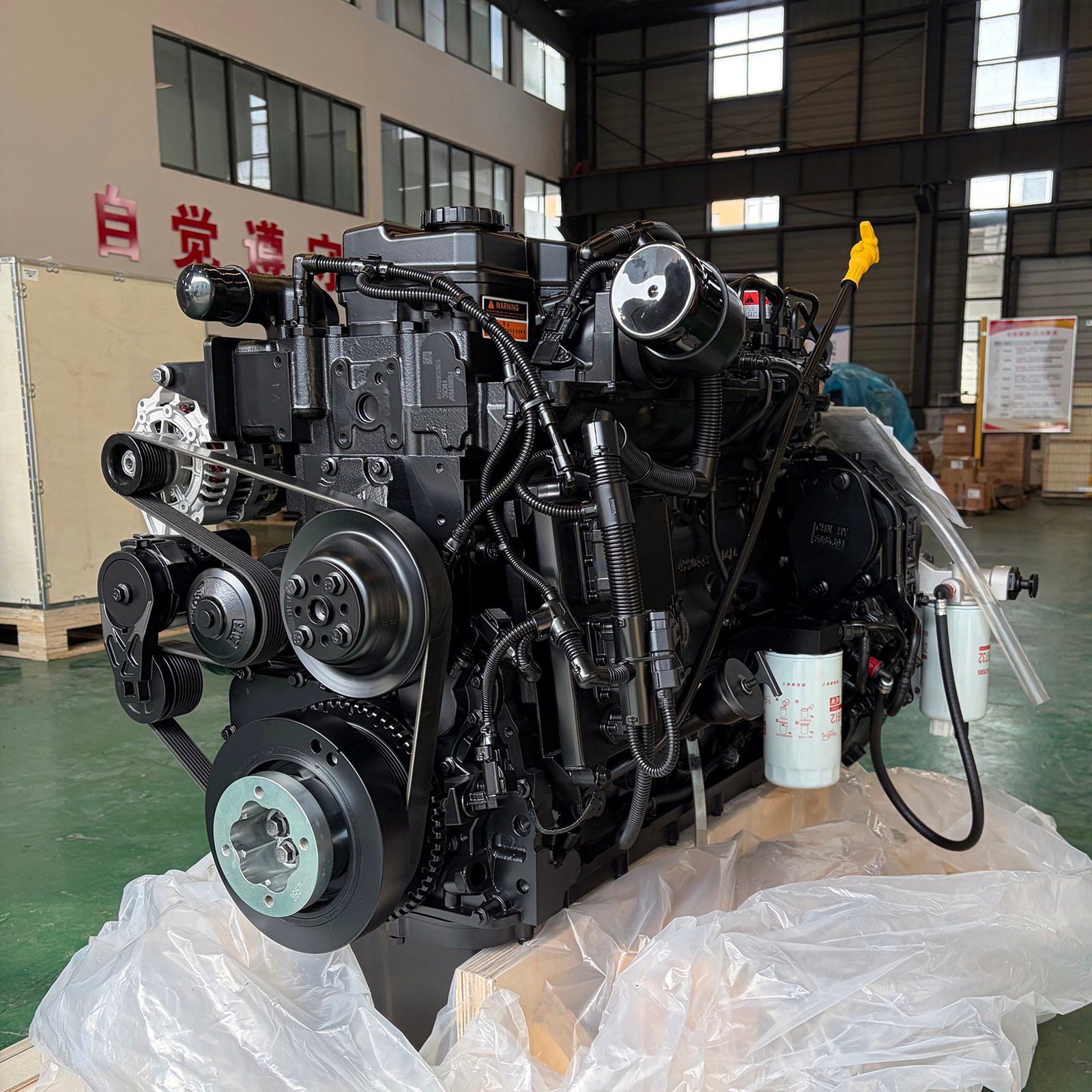
Selecting the best diesel engine for construction equipment is not merely about horsepower; it is a complex calculation of duty cycles, thermal management, and long-term Total Cost of Ownership (TCO). In heavy-duty environments—where dust, vibration, and variable loads are constant—the “best” engine is the one that minimizes downtime while maximizing fuel efficiency under high-load factors.
For project managers and OEM engineers, the decision-making process must move beyond brand recognition to focus on torque curves, emission compliance integration, and the robustness of the fuel system.
Critical Performance Metrics for Construction Engines
When evaluating power plants for excavators, loaders, or road rollers, technical specifications must align with the machine’s hydraulic demands. Construction machinery operates primarily on “transient response”—the engine’s ability to recover RPM quickly when a hydraulic load is applied.
- Torque Backup and Rise: A high torque rise (often 20-30%) ensures the machine doesn’t stall when hitting hard soil or lifting heavy aggregates.
- Power Density: Modern construction sites favor compact machinery. Engines that deliver high kilowatt output per liter of displacement allow for smaller engine compartments and better operator visibility.
- Break-Specific Fuel Consumption (BSFC): This measures fuel efficiency relative to power produced. Even a 2% difference in BSFC can result in thousands of dollars in savings over a 10,000-hour engine life.
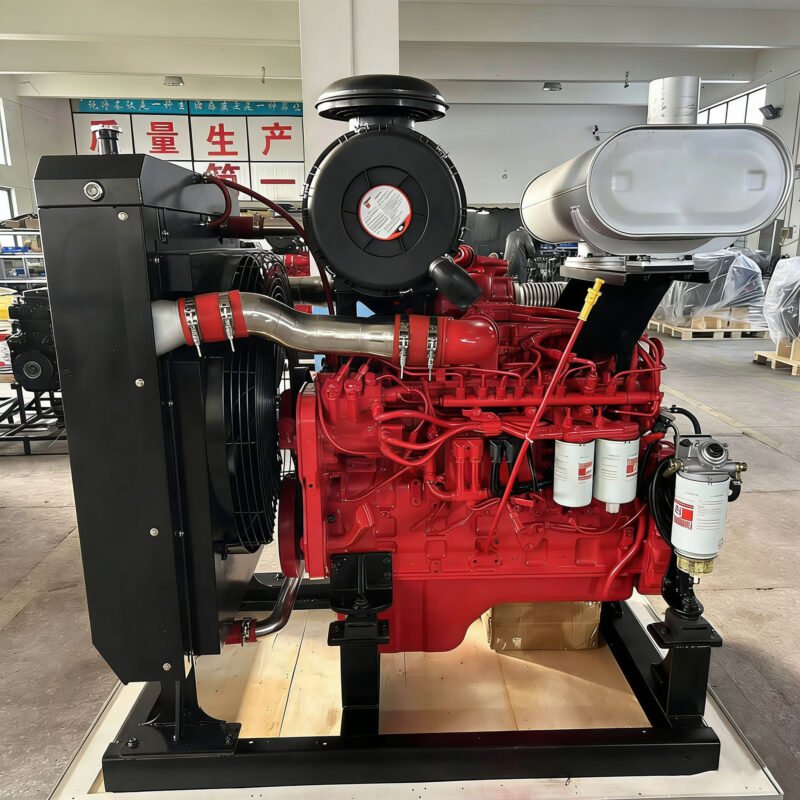
Comparative Analysis: Engine Requirements by Application
Not all construction equipment exerts the same stress on a diesel engine. The “best” engine for a mini-excavator is technically distinct from the one required for a heavy-duty crawler.
| Equipment Type | Key Engine Requirement | Typical Displacement | Load Profile |
| Excavators | Transient response / Fast governing | 3.3L to 15L | Highly variable; frequent peaking |
| Wheel Loaders | High low-end torque for breakout force | 6.7L to 12L | Cyclic; high-load bucket filling |
| Road Rollers | Constant speed / Vibration resistance | 2.8L to 4.5L | Steady state; high vibration |
| Telehandlers | Compact footprint / Cold start reliability | 3.4L to 4.5L | Intermittent; high idle time |
Navigating Emission Standards: Tier 4 Final and Stage V
For global operations, compliance is a non-negotiable factor in determining the “best” engine. The integration of Selective Catalytic Reduction (SCR) and Diesel Particulate Filters (DPF) has changed the maintenance landscape.
- Stage V Compliance: This is currently the strictest standard globally. Engines designed for Stage V, such as those featured in theKangjin Power construction machinery range, utilize advanced after-treatment systems that reduce Particulate Matter (PM) and NOx without sacrificing power density.
- Regeneration Logic: When selecting an engine, evaluate the DPF regeneration strategy. Passive regeneration is preferred, as it occurs during normal operation, preventing the “forced park” downtime that plagues lower-quality power units.
Engineering Reliability: Beyond the Spec Sheet
In the field, reliability is often a result of component-level engineering rather than headline horsepower. High-tier diesel engines for construction should feature:
- Heavy-Duty Cooling Packages: Construction environments are often choked with debris. Wide-fin radiators and reversible fans are essential to prevent thermal derating.
- Advanced Filtration: High-pressure common rail (HPCR) fuel systems are sensitive to water and contaminants. The best engines utilize multi-stage fuel filtration with water-in-fuel (WIF) sensors.
- Cast Iron Block Rigidity: For high-vibration applications like pile drivers or rollers, a rigid engine block reduces harmonic stress on internal bearings, extending the Mean Time Between Overhaul (MTBO).
Strategic Procurement: Balancing CAPEX and OPEX
From a commercial perspective, the “best” engine is the one that balances the initial purchase price (CAPEX) with long-term operating expenses (OPEX). While premium Tier 1 brands offer high resale value, specialized manufacturers and high-quality OEM providers like Kangjin Power offer significant advantages for specific project scopes.
The Role of Parts Availability
An engine is only as good as its supply chain. Before finalizing a procurement contract, verify the availability of “wear parts” such as:
- Injectors and fuel pumps
- Turbocharger cartridges
- Overhaul kits (pistons, liners, gaskets)
In many emerging markets or high-intensity job sites, choosing an engine based on a “global architecture” (e.g., engines following the design logic of Cummins or Deutz) ensures that technicians can find parts and perform repairs without waiting weeks for proprietary components.
Commercial Guidance for OEM and Wholesale Buyers
If you are sourcing engines for a fleet or a new equipment line, the Construction Machinery Engines from Kangjin Power represent a calculated balance of industrial-grade durability and cost-efficiency. These engines are specifically tuned for the high-dust and high-vibration environments typical of earthmoving and road construction.
When evaluating suppliers, look for those who provide full dynamometer test reports and comprehensive technical support for engine-to-machine integration. In the B2B sector, the relationship with the engine supplier is as critical as the hardware itself.
FAQ
Q: What is the most reliable diesel engine for heavy construction?
A: Reliability is typically found in engines with high displacement-to-horsepower ratios. Under-stressed engines (those not pushed to their absolute thermal limit) generally achieve a longer MTBO, often exceeding 12,000 to 15,000 hours in construction applications.
Q: Should I choose an engine with a DPF or SCR?
A: Most modern Stage V engines use a combination of both. However, for “less regulated” markets, engines without complex after-treatment are often “best” because they are more tolerant of high-sulfur fuel and have lower maintenance requirements.
Q: How does altitude affect diesel engine selection for construction?
A: Turbocharged engines are essential for high-altitude sites. Without a turbocharger, a diesel engine can lose approximately 3% of its power for every 1,000 feet of elevation. Modern electronic control units (ECUs) can automatically compensate for thin air to prevent overheating.
Q: What is the impact of telematics on engine choice?
A: The best modern engines include integrated telematics support. This allows fleet managers to monitor fuel consumption, idle time, and “fault codes” in real-time, enabling predictive maintenance before a catastrophic failure occurs.
Reference Sources:
- ISO 8178: Standard for exhaust emission measurement for non-road internal combustion engines.
- Association of Equipment Manufacturers (AEM): Industry trends on Tier 4 Final and Stage V adoption.
- DieselNet: Technical resources on diesel engine emissions and high-pressure fuel systems.
- Internal Product Data: Kangjin Power Technical Specifications for Construction Series.

