
Best Diesel Engine Brands: Global Engineering Guide

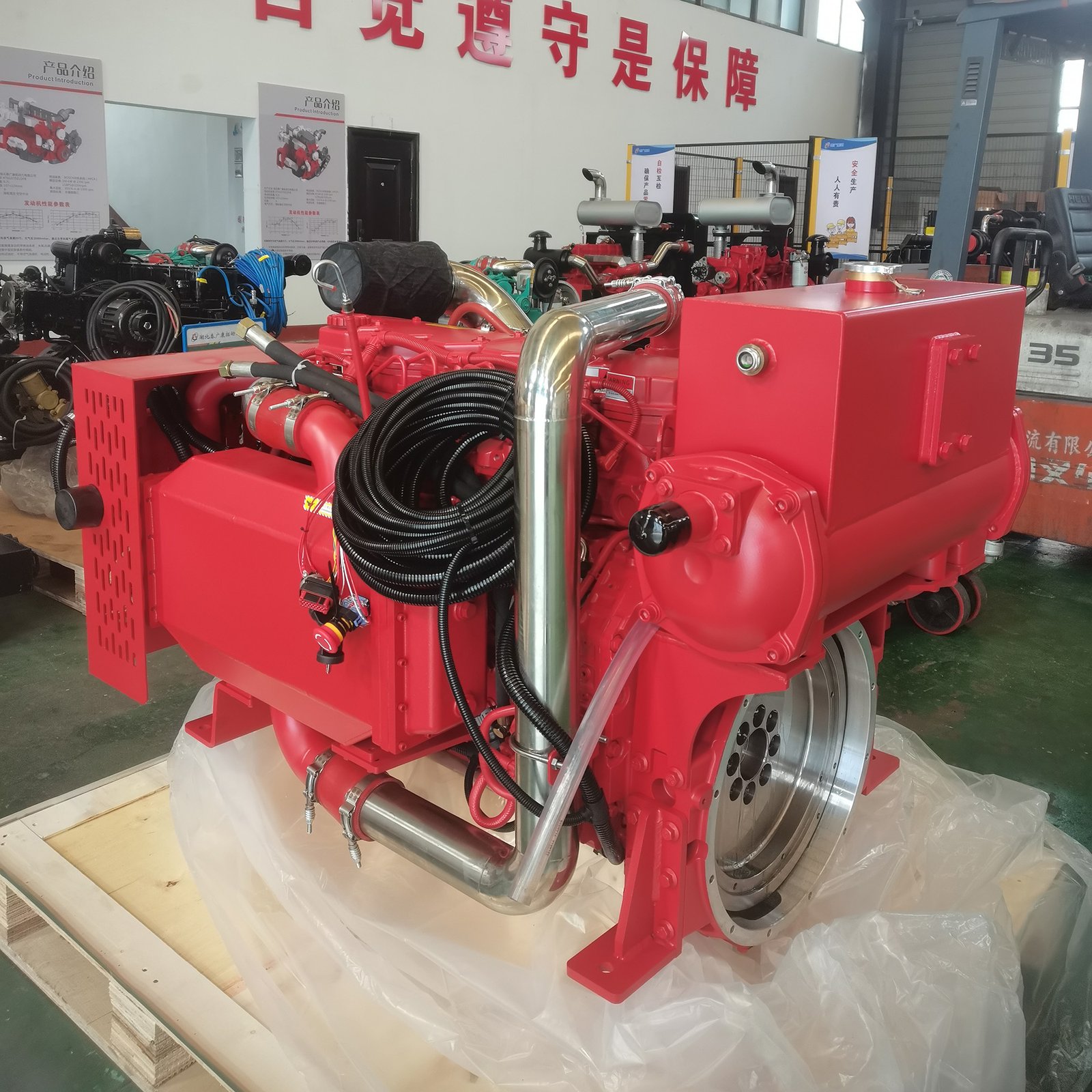
Modern industrial applications depend on diesel engines that deliver high torque density, thermal efficiency, and long-term durability. Selecting among the best diesel engine brands requires evaluating engineering design, emissions compliance, and overall life-cycle reliability. Top engine developers differentiate themselves through fuel injection technology, structural block rigidity, and comprehensive support networks.
Industrial operators categorize engines by displacement, power output, and duty cycle requirements across construction, marine, and power generation. Understanding key engineering metrics helps fleet managers and OEM engineers match power units to demanding operating conditions. This guide analyzes leading engine manufacturing standards using technical performance criteria and real-world application data.
What Defines the World’s Leading Diesel Engine Brands?
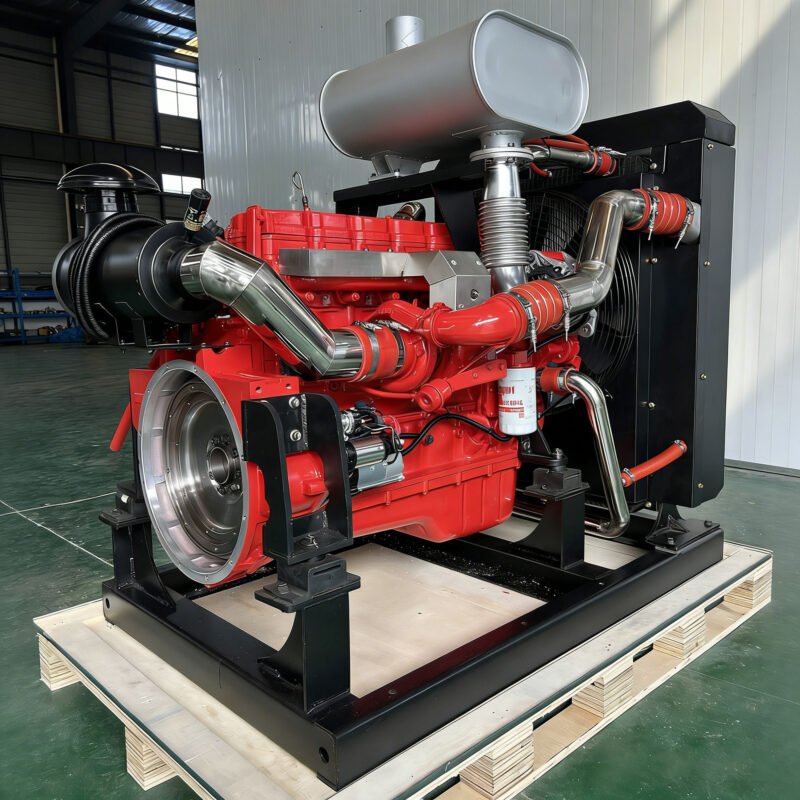
Premium engine manufacturers excel by balancing fuel economy, low emissions, and exceptional structural longevity. Leading technical designs utilize high-pressure common rail fuel systems to optimize combustion and reduce particulate matter. Engine longevity is measured by B10 or B50 life expectancy, indicating operating hours before a major overhaul.
Advanced metallurgy plays a critical role in resisting cylinder block distortion under high peak cylinder pressures. Top engineers use compacted graphite iron or high-strength grey iron to withstand heavy thermal loads. Integrated electronic control units continually monitor timing, boost pressure, and exhaust gas recirculation rates.
Key engineering benchmarks for top-tier industrial diesel engines include:
- Brake Specific Fuel Consumption (BSFC): Lower values measured in g/kWh reflect higher thermal efficiency and reduced operational costs.
- Power Density: Kilowatts generated per liter of displacement, balancing power output against engine envelope size.
- Emissions Certification: Compliance with EPA Tier 4 Final or EU Stage V without compromising transient load response.
- Overhaul Interval (B10 Life): Cumulative operating hours where ninety percent of engines operate without major structural failure.
Cooling system architecture and oil gallery design further determine an engine’s ability to run continuously at full load. Robust internal component engineering minimizes maintenance downtime in high-hour commercial and industrial equipment.
Evaluating Engine Categories Among the Best Diesel Engine Brands
Leading power systems are categorized into distinct displacement classes to serve specific power generation or off-highway markets. High-performing engine designs offer distinct technical advantages depending on the required horsepower range and duty rating. Evaluating engine platforms by engineering classification provides a clear framework for machinery integration.
| Engine Category Class | Representative Power Range | Key Technological Strengths | Primary Industrial Applications |
| Mid-Range Industrial Engines | 3.9L – 6.7L (85 – 300 hp) | High power density, compact envelope, low operational noise | Excavators, wheel loaders, mobile pumps, light gen-sets |
| Heavy-Duty Commercial Engines | 8.9L – 13.0L (300 – 600 hp) | High torque rise, robust cast-iron block, XPI fuel systems | Heavy construction machinery, mining haulers, prime power |
| High-Displacement Power Engines | 15.0L – 30.0L+ (600 – 1,500+ hp) | Heavy structural rigidity, twin turbocharging, continuous duty | Large generator sets, heavy industrial drives, marine |
| Specialized Explosion-Proof Engines | 3.9L – 11.0L (100 – 400 hp) | Flameproof intake/exhaust, surface temp control, ATEX compliance | Underground mining, chemical plants, hazardous oilfields |
| Marine Propulsion & Auxiliary | 5.9L – 16.0L (150 – 800 hp) | Water-jacketed manifolds, heat exchanger cooling, low smoke | Commercial fishing vessels, workboats, marine auxiliary gen-sets |
Mid-range industrial engines lead in versatility, providing compact footprints for mobile construction equipment and water pumps. Heavy-duty commercial platforms dominate demanding earthmoving and mining applications due to high torque rise and structural rigidity. Specialized explosion-proof configurations adapt core diesel engines for safe operation inside hazardous underground and chemical environments.
Marine drive platforms incorporate specialized cooling systems and reinforced components to handle high continuous load profiles. Selecting appropriate power configurations depends on specific envelope dimensions, fuel availability, and continuous duty requirements.
Engine Selection Criteria Across Heavy Duty Applications
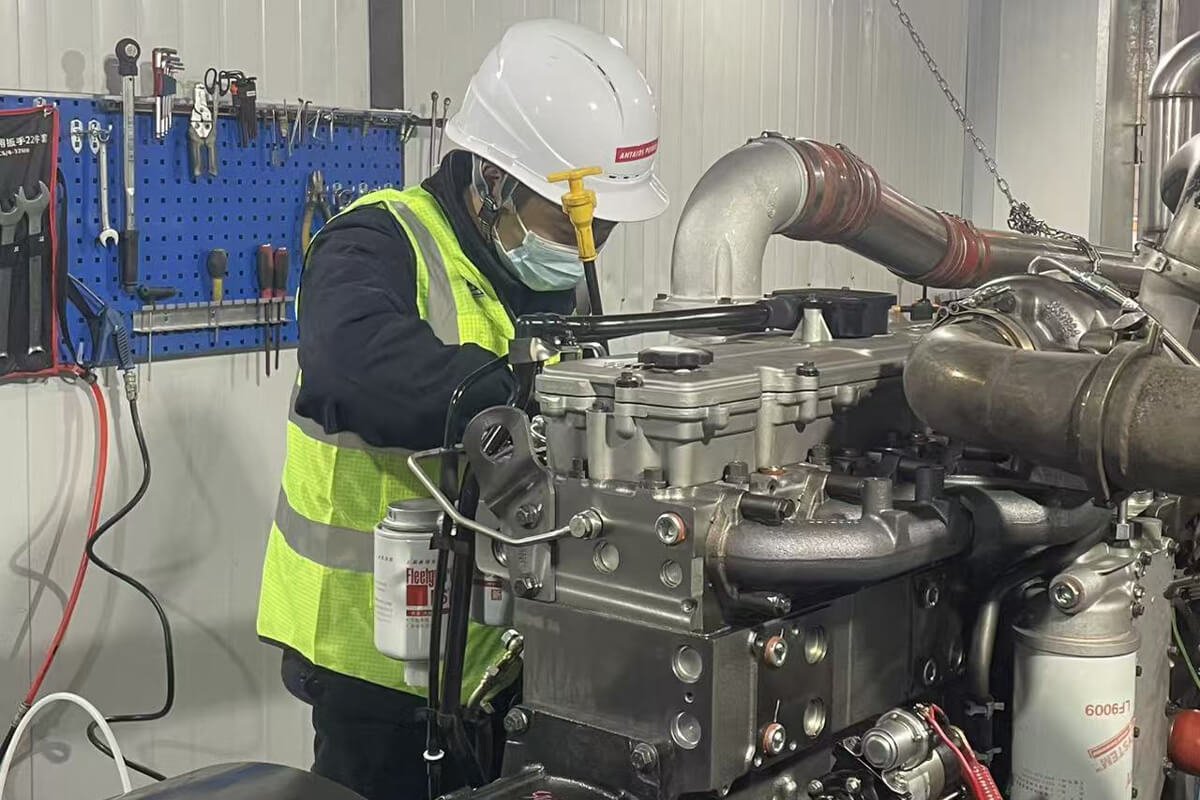
Off-highway machinery requires diesel engines capable of delivering high low-end torque for digging and lifting cycles. Excavators and wheel loaders experience rapid load changes that demand responsive turbocharging and fast governor response. Variable-geometry turbochargers assist in maintaining boost pressure across broad engine speed ranges.
Stationary power generation requires steady-state frequency control and rapid load acceptance capabilities under emergency conditions. Generator drive engines must comply with ISO 8528 standards for governing performance and transient voltage recovery. Continuous duty ratings demand conservative brake mean effective pressure levels to ensure continuous multi-thousand-hour operation.
Marine drive applications present severe thermal management challenges due to high continuous load profiles and saltwater exposure. Marine diesel engines utilize heat exchangers and water-jacketed manifolds to control ambient engine room temperatures. Industrial water pump systems require dedicated power units with specialized cooling drives and mechanical governor backups.
Key Engineering Factors for Long-Term Engine Reliability
Fuel quality and filtration standards directly affect the operational life of high-pressure common rail injection systems. Modern injectors operate at pressures exceeding 2,000 bar with microscopic tolerances inside nozzle assemblies. Multi-stage fuel filtration with water separation prevents premature pump wear and costly injector fouling.
Aftertreatment systems represent a significant engineering component in modern Stage V and Tier 4 Final engines. Selective Catalytic Reduction and Diesel Particulate Filters remove nitrogen oxides and soot without harming fuel economy. Proper exhaust thermal management ensures passive DPF regeneration during prolonged low-load operation.
Regular lube oil analysis allows fleet technicians to monitor soot loading, viscosity degradation, and wear metals. Premium engine designs incorporate bypass oil filtration and large oil sumps to extend service intervals safely.
Matching Specialized Engine Configurations to Duty Requirements
Matching the right power unit to a specific duty cycle prevents premature mechanical failure and excessive fuel use. OEM equipment designers must evaluate engine envelope dimensions, mounting configurations, and power take-off options. Standardizing on proven engine platforms simplifies spare parts management and maintenance procedures across mixed fleets.
Kangjin Power specializes in engineering customized diesel engine assemblies, explosion-proof modifications, and complete power units. These specialized configurations support construction machinery, generator sets, water pumps, and marine vessels. Exploring complete power solutions on Kangjin Power’s Products Catalog provides detailed technical specifications for various industrial applications.
FAQ
What is the difference between prime power and standby power ratings?
Prime power ratings allow continuous operation with variable load profiles for unlimited annual hours. Standby ratings apply to emergency power situations with strict hour limits and higher permissible load factors.
How does B10 life differ from B50 life in industrial engines?
B10 life represents the operating hours when ten percent of engines in a population require major overhauls. B50 life indicates the median point where fifty percent of engines require overhaul service.
Why is torque rise important for heavy machinery engines?
Torque rise allows an engine to deliver increased turning force as operating speed drops under heavy resistance. This prevents engine stalling in heavy excavation or climbing operations without requiring immediate gear downshifts.
What emissions standards apply to modern industrial diesel engines?
Off-highway industrial engines must meet EPA Tier 4 Final standards in North America and Stage V in Europe. These standards drastically reduce particulate matter and nitrogen oxide emissions using advanced aftertreatment technology.
Reference Sources
- SAE International – Technical Standards for Diesel Fuel Injection and Internal Combustion Engines
- ISO (International Organization for Standardization) – ISO 8528 Reciprocating Internal Combustion Engine Driven Alternating Current Generating Sets
- U.S. Environmental Protection Agency (EPA) – Nonroad Compression-Ignition Engines: Exhaust Emission Standards

