
Diesel Engine Exhaust Gas Temperature: Monitoring & Performance Diagnosis

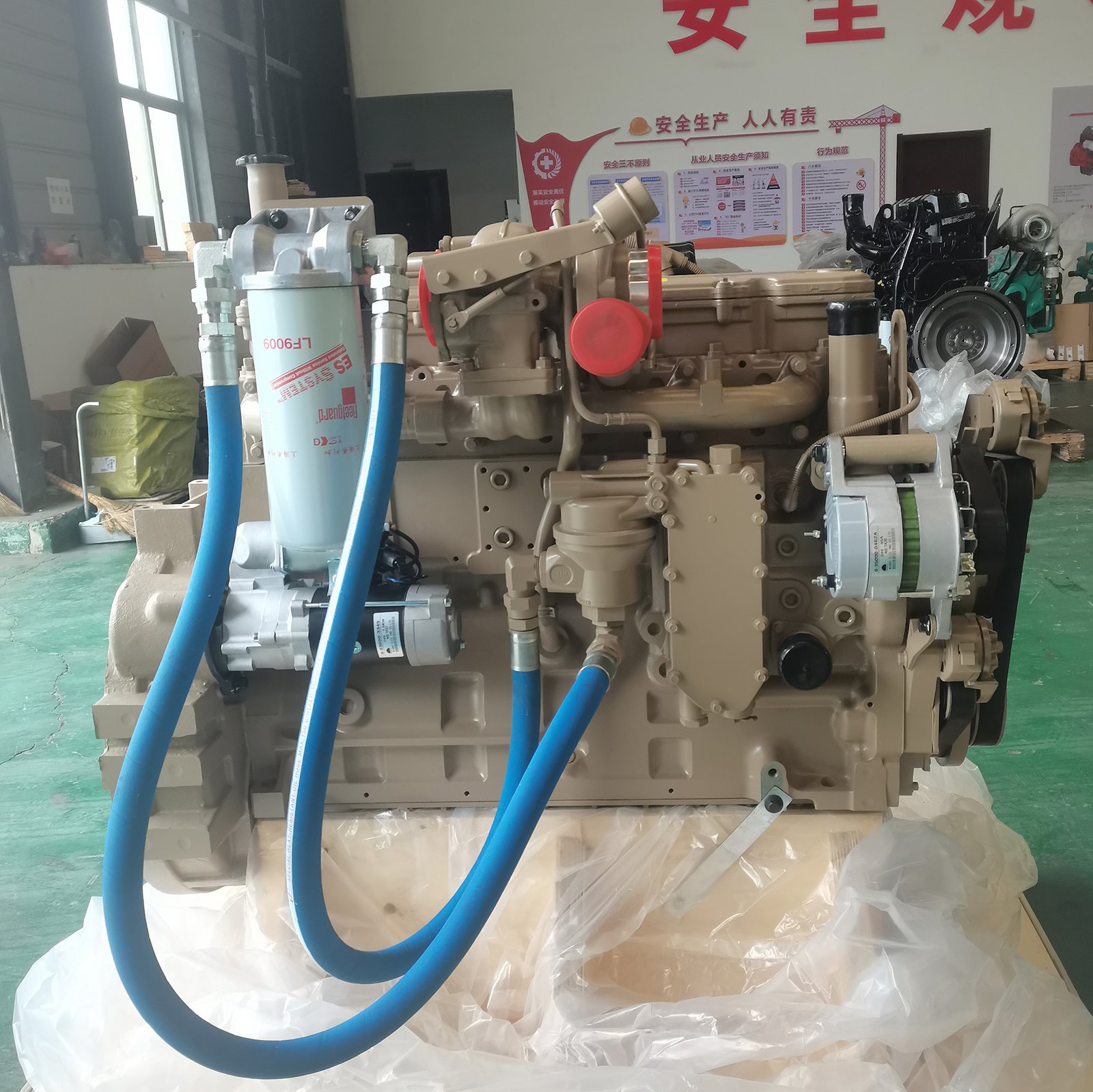
Diesel engine exhaust gas temperature monitoring measures the heat of exhaust gases leaving the engine or passing through its exhaust system. Technicians use EGT readings to assess engine loading, combustion conditions, turbocharger operation, and aftertreatment performance. Effective diagnosis requires the correct sensor location, measurements under comparable operating conditions, and manufacturer-specific temperature limits. An unusually high or low reading may indicate a fault, but temperature alone cannot identify the cause.
For industrial diesel engines, EGT becomes most useful when technicians compare it with engine speed, load, boost pressure, fuel delivery, and previous operating records. A single temperature reading without these details can lead to the wrong diagnosis.
What Does Exhaust Gas Temperature Tell You About a Diesel Engine?
Exhaust gas temperature, or EGT, represents the temperature of combustion gases at a particular exhaust-system measurement point. It changes as engine load, fuel delivery, airflow, and combustion conditions change.
Under many normal operating conditions, EGT increases as the engine produces more power. However, the relationship is not perfectly linear. Turbocharger efficiency, injection timing, ambient conditions, and emissions-control strategies also influence the measurement.
EGT monitoring can help technicians detect changes in engine operation before they develop into more serious problems.
| Operating Condition | Possible EGT Behavior | Diagnostic Consideration |
|---|---|---|
| Increasing engine load | Temperature generally rises | Compare with expected load and speed |
| Restricted intake airflow | Temperature may rise under load | Check air restriction and boost pressure |
| Excessive fuel delivery | Temperature may increase | Inspect fueling and combustion conditions |
| Uneven cylinder combustion | Possible differences between cylinder outlets | Check injectors and cylinder contribution |
| Prolonged low-load operation | Lower exhaust temperatures | Evaluate wet stacking risk |
| DPF regeneration | Aftertreatment temperatures can rise substantially | Check regeneration status and sensor position |
These relationships provide diagnostic clues rather than confirmed fault descriptions. For example, high EGT and low boost pressure together suggest a different problem from high EGT during an approved regeneration event.
Where Should Diesel Engine Exhaust Temperature Be Measured?
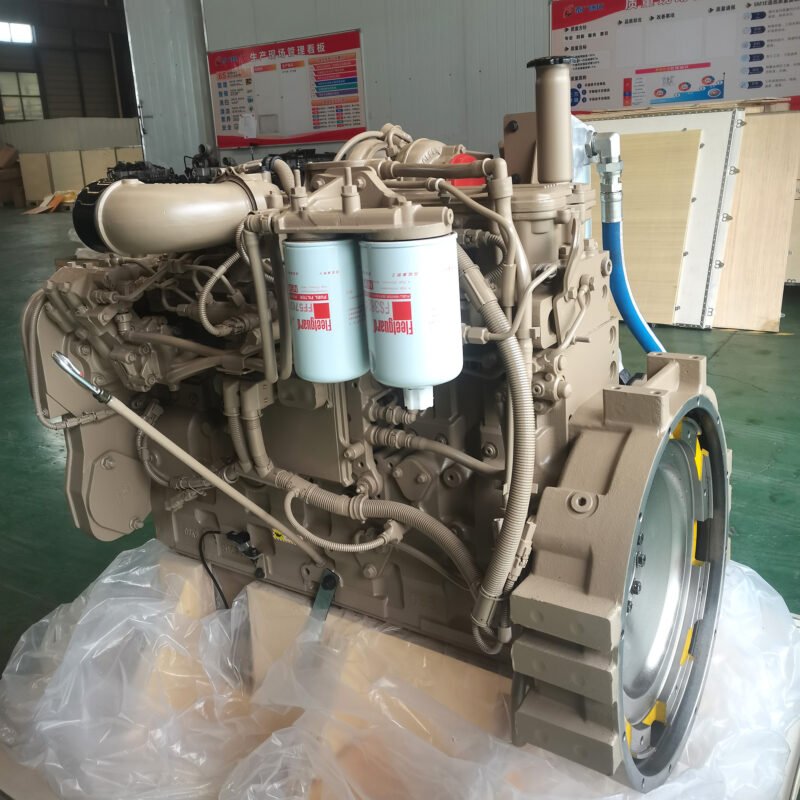
Sensor placement is one of the most important parts of EGT monitoring. Exhaust temperature can change considerably between the exhaust manifold, turbocharger outlet, and downstream emissions equipment.
Pre-Turbo Exhaust Gas Temperature
A pre-turbo sensor measures exhaust temperature before the gases enter the turbine housing. Depending on engine design, the sensor may be located in the exhaust manifold or turbine inlet passage.
This location provides useful information about the thermal energy entering the turbocharger. It can help engineers evaluate combustion behavior and turbine inlet operating conditions.
However, a pre-turbo reading must be compared with the correct engine and turbocharger limits. It should not be judged using a temperature specification intended for a downstream exhaust sensor.
Post-Turbo Exhaust Gas Temperature
A post-turbo sensor measures temperature after the turbine. Exhaust gases normally lose energy while passing through the turbine, so downstream readings often differ from turbine inlet temperatures.
The temperature difference changes with engine load, turbocharger efficiency, and operating conditions. Therefore, it cannot serve as a fixed correction factor.
For generator sets, some Cummins application documentation specifies exhaust stack temperature requirements at designated measurement locations. These requirements are application-specific and must not be treated as universal safe EGT limits.
Aftertreatment Temperature Sensors
Modern emissions-controlled engines may have additional temperature sensors around the diesel oxidation catalyst, diesel particulate filter, and selective catalytic reduction system.
These sensors help the ECM monitor aftertreatment performance and regeneration conditions. Their purpose differs from a pyrometer installed near the turbocharger.
During active DPF regeneration, elevated downstream exhaust temperatures may be an expected operating condition. Cummins identifies this condition through its High Exhaust System Temperature (HEST) indicator on applicable engines.
A high reading during regeneration must therefore be interpreted using regeneration status, sensor position, and the relevant fault codes.
EGT Measurement Locations Compared
| Measurement Location | Main Purpose | Important Limitation |
|---|---|---|
| Exhaust manifold | Combustion and turbine inlet temperature assessment | Temperature varies with sensor location and cylinder grouping |
| Turbocharger outlet | Exhaust temperature after energy extraction | Not directly interchangeable with pre-turbo EGT |
| DPF inlet or outlet | Aftertreatment and regeneration monitoring | Regeneration can produce expected temperature increases |
| SCR system | Aftertreatment operating-condition monitoring | Must follow the specific emissions-system configuration |
How to Monitor Diesel Engine Exhaust Gas Temperature
The most reliable approach combines accurate temperature measurement with engine operating data. Before testing, identify the engine model, sensor configuration, and manufacturer-defined limits.
Step 1: Identify the Correct Sensor and Measurement Point
Determine whether the engine already provides EGT data through its ECM. If so, use the manufacturer’s diagnostic software to identify each parameter and its physical sensor location.
If an independent pyrometer is required, use an approved thermocouple assembly and an installation point suitable for the exhaust temperature and pressure.
Garrett identifies EGT, manifold pressure, turbine inlet pressure, and turbocharger speed as useful monitoring parameters in turbocharger-system evaluation.
Step 2: Record Engine Speed and Load
EGT changes with engine operating conditions. As a result, technicians should record:
- Engine RPM and operating load.
- EGT sensor location and measured temperature.
- Intake manifold pressure or boost pressure.
- Intake air temperature.
- Coolant and lubricating oil temperatures.
- Relevant fuel-system and aftertreatment fault codes.
- Regeneration status where applicable.
For stationary generators, electrical output in kW provides useful load information. For construction machinery, hydraulic demand and engine operating mode may also matter.
Step 3: Establish a Baseline
Record EGT readings when the engine operates normally at representative loads. Include measurements during stable idle, intermediate load, and the approved working load.
Repeat the test under similar ambient conditions when possible. This allows technicians to identify meaningful temperature changes over time.
A baseline is more useful than comparing an unknown engine’s reading against a general temperature chart from another model.
Step 4: Compare Trends and Investigate Abnormal Readings
Look for unexpected changes rather than focusing only on a single peak value. A gradual increase at the same speed and load may indicate changing airflow, fuel delivery, or exhaust conditions.
Sudden changes may result from an actual operating fault or from sensor and wiring problems.
Before replacing mechanical components, confirm that the sensor reports realistic values and responds correctly to changing load.
Step 5: Verify Results Against Manufacturer Limits
Use the engine serial number and applicable service documentation to identify permissible temperatures, sensor test procedures, and engine protection limits.
Do not apply a generic maximum such as 600°C or 700°C to every diesel engine. The correct limit depends on the engine, measurement point, turbocharger, and duty cycle.
Likewise, a handheld infrared thermometer measuring the outside of an exhaust pipe cannot directly substitute for an internal exhaust-gas thermocouple.
High Exhaust Gas Temperature: Causes and Diagnostic Checks
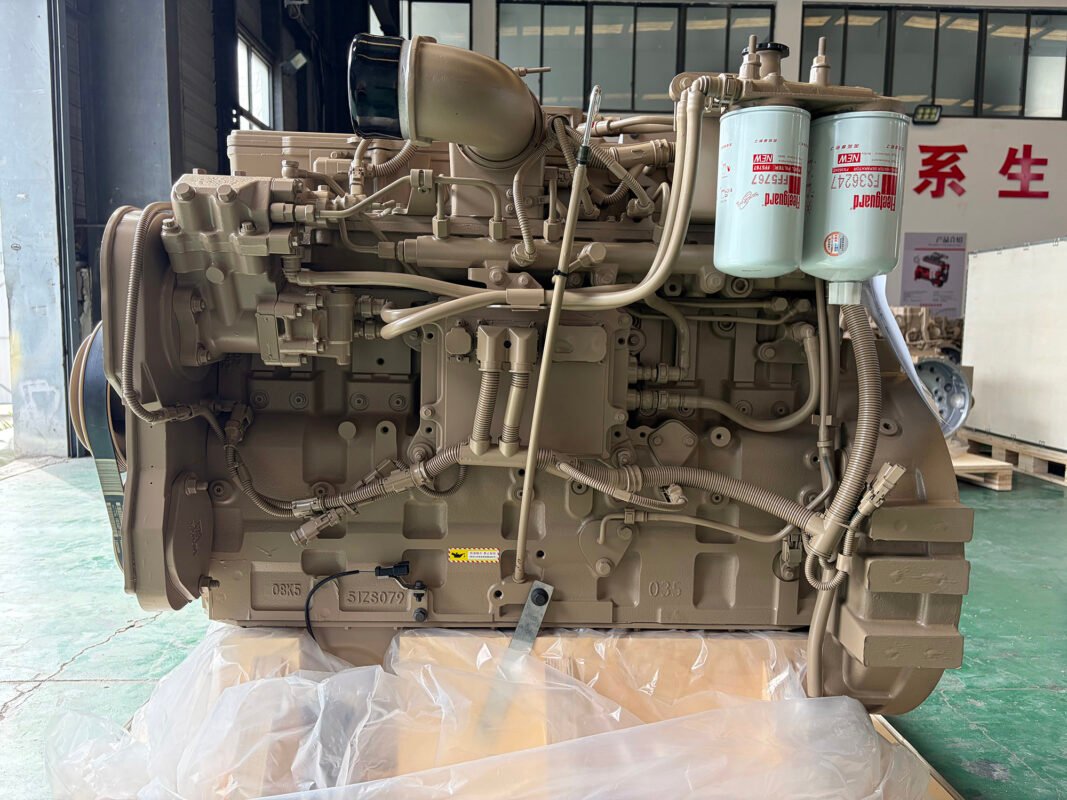
Excessive EGT can indicate that the engine or exhaust system is operating outside its intended thermal conditions. However, the cause depends on the complete operating picture.
Restricted Air Intake or Low Boost Pressure
A restricted air cleaner or intake duct can reduce available combustion air. Under sustained load, insufficient air may contribute to poor combustion, smoke, and higher exhaust temperatures.
Charge-air cooler leaks, damaged hoses, and turbocharger faults can cause similar symptoms.
When EGT rises while boost pressure falls, technicians should inspect the air-intake and charge-air systems before adjusting fuel delivery.
Incorrect Fuel Delivery or Injection Timing
Fuel-system problems can change the timing and quality of combustion.
Excessive fueling, unsuitable injection timing, or poor injector performance may increase exhaust temperature under certain operating conditions.
On electronically controlled engines, review diagnostic faults and actual operating data. Mechanical engines may require fuel-system testing according to their service manuals.
Excessive Exhaust Backpressure
Restricted exhaust piping, damaged silencers, or blocked aftertreatment components can increase exhaust backpressure.
This may affect engine pumping losses, turbocharger operation, and overall performance.
Measure exhaust restriction at the designated test point rather than assuming that high EGT alone confirms an obstruction.
Overloading and High Ambient Temperature
Long periods at excessive load can increase engine thermal stress.
High ambient temperatures and elevated installation altitude may further reduce the available operating margin.
Compare the actual load with the engine’s approved power rating and environmental derating requirements.
| Observed Condition | Possible Cause | Recommended Diagnostic Check |
|---|---|---|
| High EGT with low boost | Intake restriction, boost leak, or turbocharger problem | Check intake restriction and boost system |
| High EGT with black smoke | Air-fuel imbalance or injector problem | Check fuel delivery and air supply |
| High EGT at sustained heavy load | Overloading or insufficient thermal margin | Verify load and operating rating |
| Unexpected high aftertreatment temperature | Regeneration or aftertreatment fault | Check DPF status and diagnostic codes |
| Sudden implausible EGT change | Sensor or wiring problem | Test sensor circuit and compare readings |
Low Exhaust Temperature and Industrial Engine Applications
Low EGT is not automatically a fault. It often occurs when an engine produces little power and burns a relatively small quantity of fuel.
However, prolonged light-load operation can create maintenance problems in some industrial diesel engines.
Diesel Generators and Wet Stacking
Standby generators may operate for extended periods with little electrical demand during routine testing.
Under these conditions, exhaust temperatures may remain below the normal loaded operating range. In some engines, this can contribute to incomplete combustion and accumulated exhaust deposits.
The relationship between low-load operation and exhaust contamination is explained in Kangjin Power’s diesel engine wet stacking guide.
EGT monitoring can support the investigation, but it should be combined with operating hours, generator load, exhaust appearance, and the manufacturer’s minimum-loading guidance.
QSB6.7 Construction and Generator Applications
The Cummins QSB6.7 diesel engine is available in several turbocharged and electronically controlled industrial configurations.
For construction machinery, technicians can compare exhaust temperature trends with engine load and boost pressure. However, the applicable EGT parameters and limits depend on the engine’s ECM and exhaust configuration.
Generator applications require similar checks, particularly when load changes cause noticeable temperature fluctuations.
6CTA8.3 Heavy-Duty Industrial Engines
The Cummins 6CTA8.3 diesel engine is used in heavy-duty machinery and industrial power applications.
Depending on its configuration, technicians may use an independent exhaust thermocouple rather than relying on ECM-based EGT data.
Measurements should correspond to the correct sensor location and the specific engine rating. A post-turbo reading should not be compared with an allowable pre-turbo temperature.
QSM11 Mining and Construction Applications
Heavy industrial equipment can experience extended periods of high engine load.
For a platform such as the Cummins QSM11 diesel engine, exhaust temperature trends can help maintenance teams investigate airflow and fueling concerns.
However, a high reading cannot independently establish turbocharger damage or injector failure. The diagnosis must account for the engine’s actual operating conditions.
EGT Monitoring as Part of Preventive Maintenance
Exhaust temperature measurements become more useful when technicians retain historical operating records.
Kangjin Power’s diesel engine maintenance checklist also identifies EGT monitoring as a consideration during heavy-load operation.
For reliable comparisons, use the same sensor location, similar load conditions, and consistent measurement equipment.
Common EGT Monitoring Mistakes
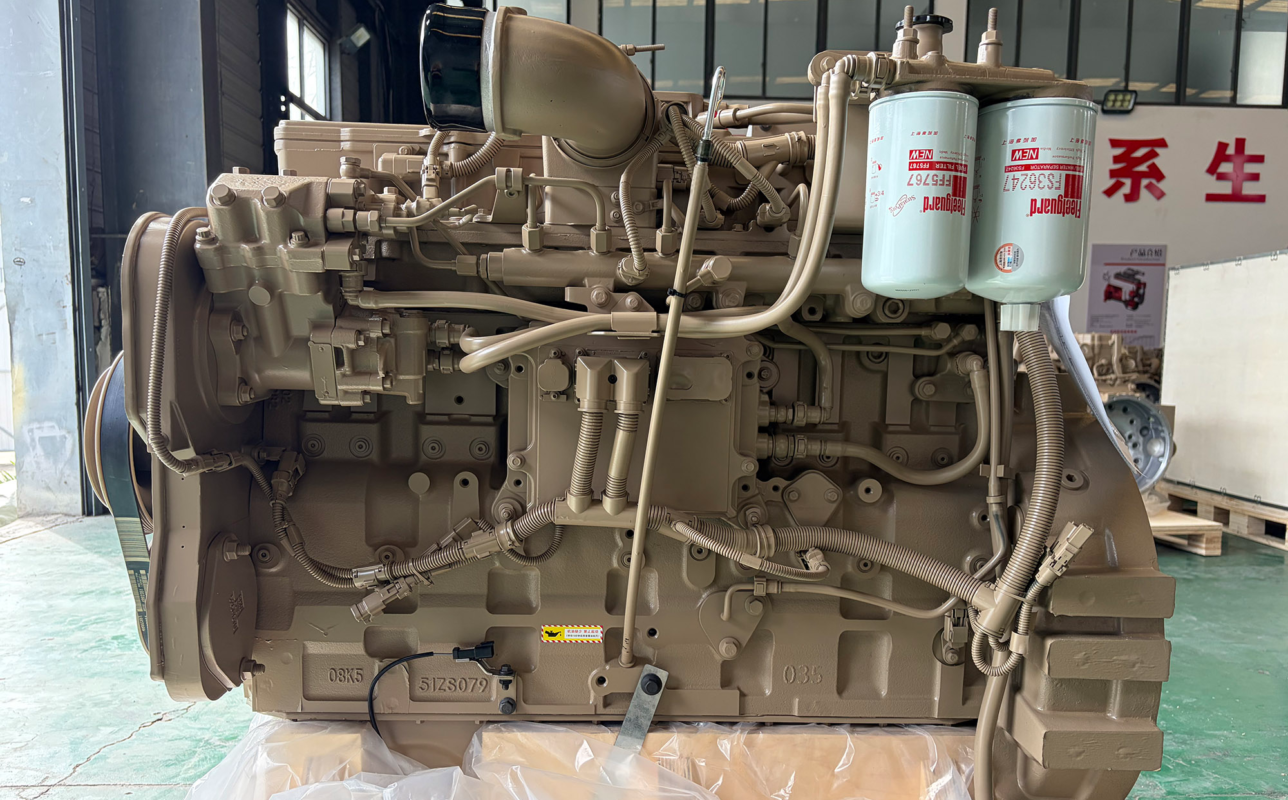
Incorrect measurement methods can create misleading results even when the engine itself operates normally.
- Comparing pre-turbo and post-turbo temperatures as if they were measured at the same location.
- Using a generic maximum EGT value without checking manufacturer limits.
- Ignoring engine load, speed, and ambient temperature.
- Confusing high temperature during DPF regeneration with abnormal engine combustion.
- Assuming a faulty thermocouple indicates an actual thermal problem.
- Using exhaust pipe surface temperature as a direct measurement of internal gas temperature.
- Interpreting EGT without checking boost pressure, fuel-system data, and exhaust restriction.
A well-designed monitoring program should also document sensor calibration, installation position, and wiring condition.
When temperature data suggests a serious fault, qualified technicians should follow the engine manufacturer’s troubleshooting procedures before returning the equipment to sustained heavy-load operation.
Conclusion
Diesel engine exhaust gas temperature monitoring helps technicians understand engine loading, combustion behavior, turbocharger operating conditions, and aftertreatment performance.
The most reliable diagnosis compares EGT with operating load, engine speed, boost pressure, and historical measurements. Sensor location is equally important because temperatures measured before the turbocharger, after the turbocharger, and within the aftertreatment system represent different operating conditions.
For industrial diesel engines, manufacturer-specific limits and consistent testing provide a safer basis for maintenance decisions than universal temperature thresholds.
Frequently Asked Questions
What is the normal exhaust gas temperature of a diesel engine?
There is no single normal EGT range for all diesel engines. Temperature depends on engine load, speed, sensor location, turbocharger configuration, and emissions equipment. Compare readings with the manufacturer-specific limits.
Where should an EGT sensor be installed on a turbocharged diesel engine?
The correct location depends on the monitoring objective and engine design. Pre-turbo sensors measure turbine inlet conditions, while post-turbo and aftertreatment sensors monitor different exhaust-system locations.
What causes high EGT in a diesel engine?
Possible causes include excessive load, restricted intake airflow, low boost pressure, fuel-system problems, and excessive exhaust restriction. Aftertreatment regeneration can also produce expected temperature increases at certain sensor locations.
Can low exhaust gas temperature cause diesel wet stacking?
Prolonged low-load operation can produce relatively low exhaust temperatures and contribute to wet stacking in susceptible engines. The actual risk depends on the engine design, loading pattern, and manufacturer requirements.
Can EGT monitoring detect injector or turbocharger faults?
EGT trends can reveal abnormal operating behavior, but temperature alone cannot identify a failed injector or turbocharger. Technicians should also check rail pressure, boost pressure, fault codes, and other diagnostic information.
Technical References
The following manufacturer resources provide additional information on exhaust temperature monitoring, turbocharger operation, and aftertreatment safety.
- Garrett Motion – Turbo System Optimization – Discusses EGT monitoring, turbine inlet pressure, boost pressure, and turbocharger operating conditions.
- Cummins – Engine Lamp Identification Guide – Explains the HEST indicator and high exhaust temperature during aftertreatment regeneration.
- Cummins – Liquid-Cooled Generator Set Application Manual – Provides application-specific exhaust stack temperature guidance and measurement considerations.

