
Diesel Injector Return Flow Test: Procedure, Results & Fault Diagnosis

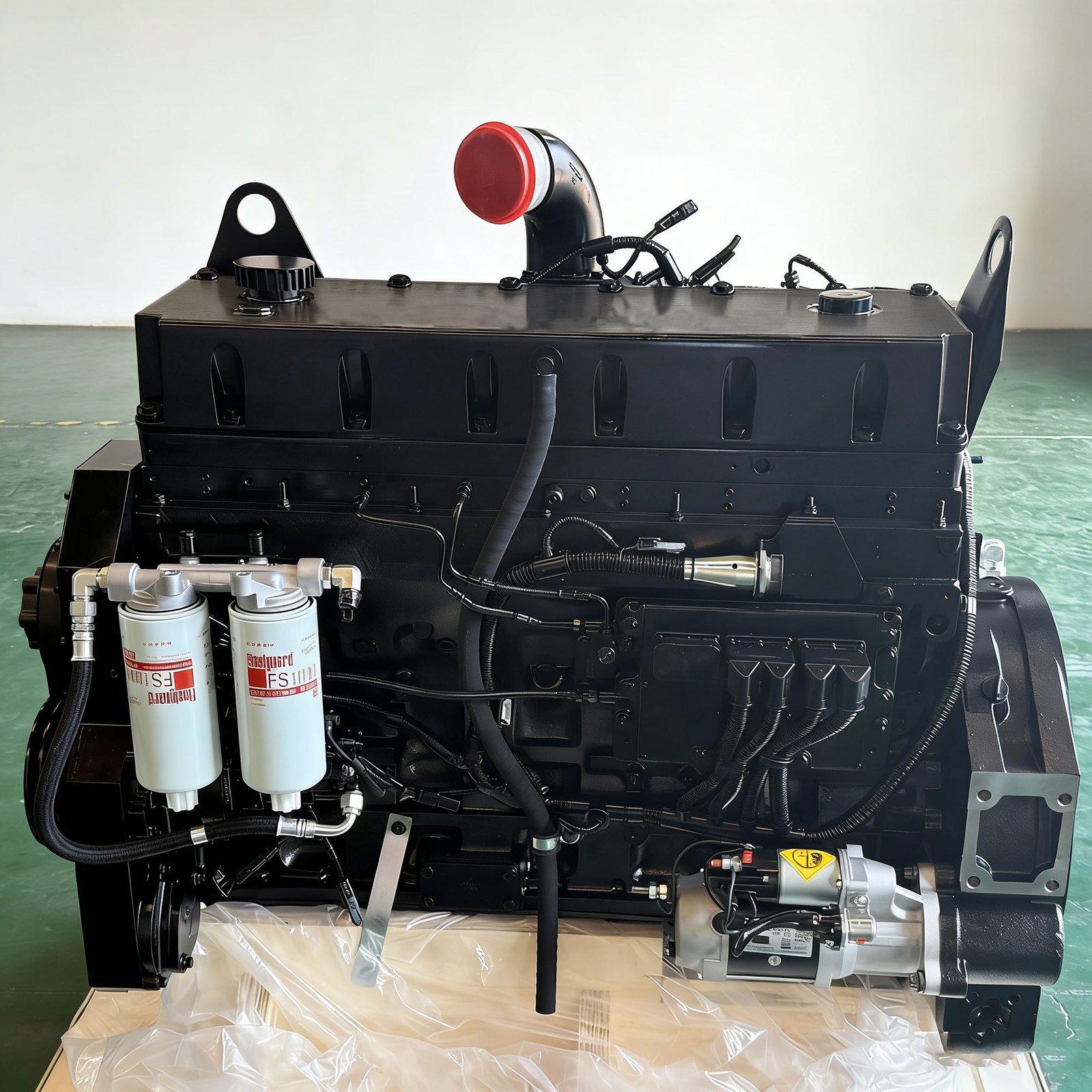
A diesel injector return flow test measures how much fuel flows back through an injector’s return circuit under specified operating conditions. Technicians use the results to investigate excessive internal leakage, particularly when a common rail engine struggles to build fuel pressure, starts poorly, or loses power. The correct procedure involves measuring the approved return circuit, recording fuel volume over a defined period, and comparing the result with the engine manufacturer’s specifications.
Some injector return flow is normal. In many common rail designs, fuel passes through the injector’s control mechanism and returns to the tank. However, excessive internal leakage can reduce the pressure available for injection. Return-flow testing helps narrow down the problem, but it does not replace a complete fuel-system diagnosis.
What Is Injector Return Flow, and Why Does It Matter?
Common rail injectors receive high-pressure fuel from a shared accumulator rail. The engine control module (ECM) determines when each injector opens and how much fuel enters the combustion chamber.
In many injector designs, part of the fuel also flows through internal control passages and returns through a dedicated fuel-return circuit. This flow supports the injector’s hydraulic operation and depends on its design.
Bosch explains this operating principle in its documentation for common rail solenoid injectors. The injector receives fuel from the rail, while fuel from its internal operation returns through the return line.
As the injector wears, clearances or sealing surfaces may deteriorate. Under some conditions, more fuel then escapes through the internal return path.
Normal Return Flow vs Excessive Leakage
The presence of return fuel does not automatically indicate a defective injector.
| Condition | What It Means | Diagnostic Significance |
|---|---|---|
| Normal internal return | Fuel returns through the designed injector circuit | Expected within manufacturer limits |
| Excessive injector return | Internal leakage exceeds the permitted amount | May contribute to low rail pressure |
| Uneven cylinder return | One injector returns substantially more fuel than comparable units | Requires model-specific isolation testing |
| Low or absent return | Return behavior differs from the expected operating pattern | May require further checks, depending on injector design |
Fuel temperature, rail pressure, test duration, and injector design affect the measurement. Therefore, technicians should not apply a universal milliliter-per-minute limit to every diesel engine.
Importantly, some modern injector designs have different leakage characteristics. A return-flow test must match the installed injector system rather than a generic automotive test kit.
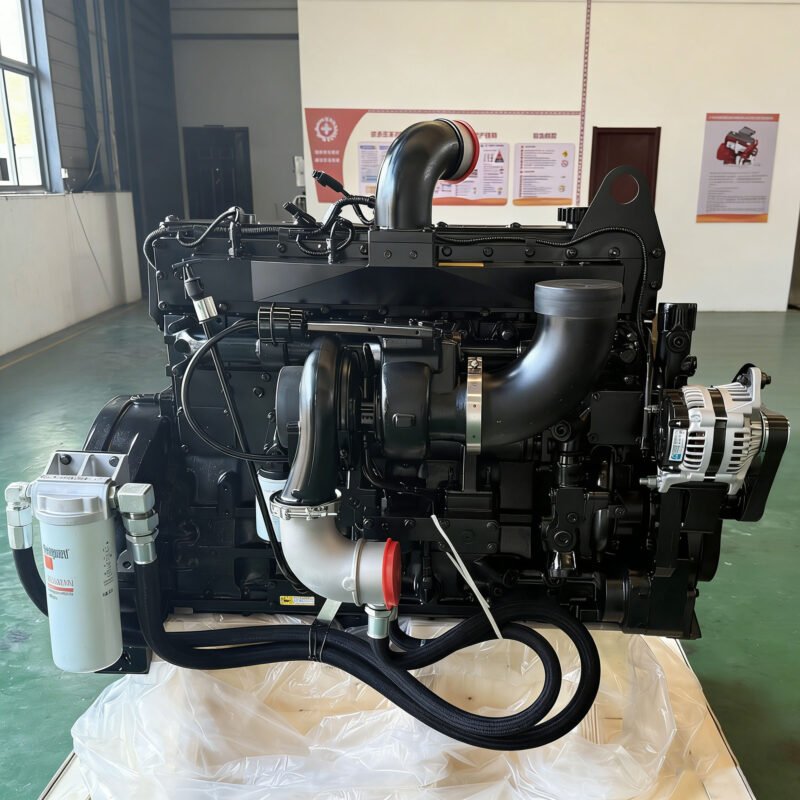
When Should You Perform an Injector Leak-Off Test?
A return-flow test is particularly useful when engine diagnostics indicate insufficient rail pressure but do not identify the source of the loss.
Symptoms that may justify further testing include:
- Extended cranking before the engine starts.
- Failure to start despite adequate cranking speed.
- Actual rail pressure remaining below the ECM target.
- Engine stalling or losing power under load.
- Intermittent fuel-pressure fault codes.
- Unstable operation after other supply problems have been excluded.
These symptoms do not prove injector leakage. A restricted fuel filter, inadequate lift-pump supply, faulty metering actuator, or pressure-relief problem can produce similar behavior.
A useful diagnostic sequence begins with fault codes and pressure data. The return-flow test follows when the engine manufacturer’s troubleshooting procedure calls for it.
Why Low Rail Pressure Does Not Always Mean a Bad Injector
Common rail pressure depends on both fuel delivery and leakage.
If the high-pressure pump cannot receive enough fuel, the rail may remain below its requested pressure even with healthy injectors. Similarly, a pressure-control problem can mimic excessive internal leakage.
Before measuring injector return, confirm basic fuel supply, cranking speed, and available ECM data. This reduces unnecessary component replacement.
Diesel Injector Return Flow Test Procedure
The procedure below describes the general diagnostic sequence, not a universal set of disassembly instructions. Cummins and other manufacturers specify different adapters, fuel-return connections, operating conditions, and acceptable results.
Only trained personnel should open or modify any fuel circuit. High-pressure common rail components require approved pressure-release procedures and specialized tools.
Step 1: Identify the Engine and Fuel System
Record the engine serial number, complete model designation, and ECM configuration.
Locate the applicable service instructions and determine whether the engine supports a total injector return-flow test, an individual injector isolation test, or an ECM-controlled leakage test.
Do not assume that a test designed for one Cummins engine generation applies to another.
Step 2: Review Fault Codes and Rail Pressure
Connect the manufacturer-compatible diagnostic tool and review active and inactive faults.
Where supported, compare commanded and measured rail pressure under the operating conditions specified by the engine manufacturer.
Also record:
- Cranking or operating RPM.
- Fuel temperature.
- Engine coolant temperature.
- Low-pressure fuel supply readings.
- Battery voltage during cranking.
- Relevant fuel-system diagnostic codes.
These values help establish whether a return-flow measurement is meaningful and repeatable.
Step 3: Prepare the Approved Return-Flow Test Equipment
Follow the manufacturer procedure to isolate the correct low-pressure return circuit from other fuel drains.
Depending on the engine, the test equipment may include a graduated collection vessel, dedicated return-flow adapter, approved hoses, and electronic diagnostic software.
Some systems combine injector return, rail pressure-relief return, and pump return in a shared drain arrangement. Measuring the combined flow without the required separation can produce misleading results.
Never disconnect, loosen, or substitute fittings on the high-pressure rail or injection pipes during an improvised return-flow test.
Step 4: Run the Manufacturer-Specified Test
Operate the engine only under the conditions described in its service documentation.
Some procedures require a warmed engine and an ECM-controlled high-pressure leakage test. Others use approved measurements during cranking when the engine cannot start.
The test duration also varies. A 30-second measurement cannot automatically be compared with a specification established for a different operating procedure.
Collect fuel only from the approved return connection using suitable test equipment. Maintain the specified test conditions and avoid changing hose position during measurement.
Step 5: Record and Interpret the Results
Record the collected fuel quantity, measurement time, engine operating condition, and diagnostic rail-pressure values.
Compare the result with the exact service specification. If the total injector return exceeds its permitted limit, the manufacturer may require further isolation tests.
A high combined reading does not establish that all injectors are faulty. It may indicate one defective injector, several injectors with abnormal leakage, or another problem within the measured return circuit.
Step 6: Perform Injector Isolation Testing if Required
Some Cummins procedures isolate individual injector or connector circuits to identify the source of excessive return flow.
This is a controlled manufacturer-specific diagnostic process, not a reason to disconnect high-pressure injector pipes while the engine operates.
After identifying a suspect component, inspect its associated connector, sealing arrangement, and diagnostic history before deciding on repairs.
Finally, restore the fuel system using the required replacement seals, fittings, torque values, cleanliness procedures, and post-repair checks.
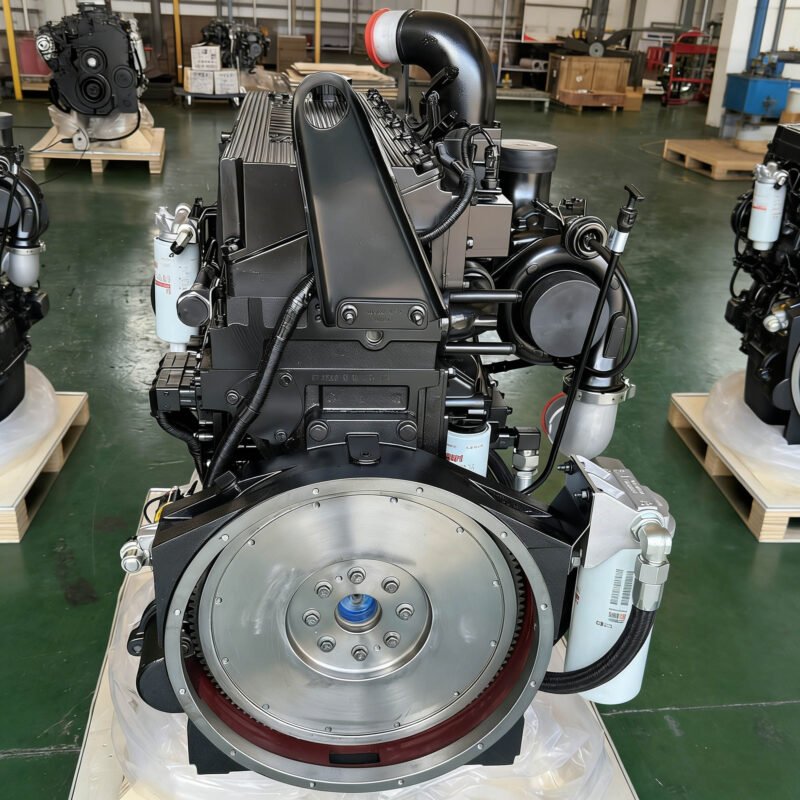
How to Interpret Injector Return Flow Test Results
Return-flow measurements become useful only when the test method and specification match.
For example, Cummins documentation for different engine generations uses different procedures and permitted volumes. Some tests measure combined injector drain flow under a commanded rail-pressure condition, while others require an individual isolation sequence.
| Test Result | Possible Explanation | Recommended Follow-Up |
|---|---|---|
| Return flow within specification | No excessive leakage detected under that test condition | Continue other diagnostics if symptoms persist |
| Total injector return too high | One or more injectors or related connections may leak excessively | Follow approved isolation procedure |
| One isolated circuit shows abnormal leakage | Possible localized injector or connector problem | Inspect and confirm the suspect components |
| Rail pressure remains low despite acceptable return flow | Supply, pump, control, or sensing problem may remain | Check other fuel-system components |
| Results vary significantly between repetitions | Changing temperature, pressure, or test setup | Repeat under controlled conditions |
Why Comparing Injectors by Volume Alone Can Mislead
Many generic leak-off test kits compare fuel collected from several injector return outlets. This approach can be useful when the engine manufacturer approves it.
However, not every industrial common rail engine provides individually accessible return connections. Some require specific isolation hardware or electronically controlled test conditions.
Even a visibly unequal result must be assessed against the appropriate acceptance criteria. The comparison alone may not justify replacing an injector.
Fuel Temperature and Test Conditions Matter
Fuel viscosity changes with temperature. As fuel warms, its flow through internal clearances may increase.
This is one reason service procedures specify temperature, test duration, and operating conditions.
For example, measurements taken immediately after a cold start may differ from those recorded during a warmed, ECM-controlled test. Comparing them without accounting for test conditions can produce a false diagnosis.
Common Injector Return Flow Faults and Diagnostic Mistakes
Excessive return flow may indicate wear, but it does not explain why the problem developed.
Internal Injector Wear
Wear in an injector’s control valve or hydraulic sealing surfaces can increase leakage through the return circuit.
Over time, this may reduce the system’s ability to build or maintain rail pressure, particularly during starting.
Injector performance should still be assessed alongside injection quality, fault codes, and the manufacturer’s diagnostic criteria.
Fuel Contamination
Water and abrasive particles can damage precision injector components.
Therefore, any confirmed injector wear should prompt a review of fuel cleanliness, filter condition, and possible contamination elsewhere in the fuel system.
Replacing an injector without correcting contamination can lead to repeated failures.
Injector Connector or Sealing Problems
Some engine configurations use separate high-pressure connectors at the injectors.
Improper sealing or connector damage can contribute to fuel leakage and may require inspection during the manufacturer’s isolation procedure.
Always follow the specified tightening and replacement requirements.
Misinterpreting a Pressure-Relief Valve Leak
Some engines route pressure-relief valve return fuel through plumbing associated with other fuel drains.
If a technician measures a combined return circuit without proper separation, the result may appear to indicate injector leakage.
Identify the exact test circuit before drawing conclusions.
Replacing All Injectors Without Isolation
When total return flow exceeds specification, replacing every injector may appear to be the simplest solution.
However, Cummins technical guidance for certain fault conditions specifically calls for injector isolation to distinguish the source of abnormal return flow.
A systematic diagnosis helps avoid replacing healthy components.
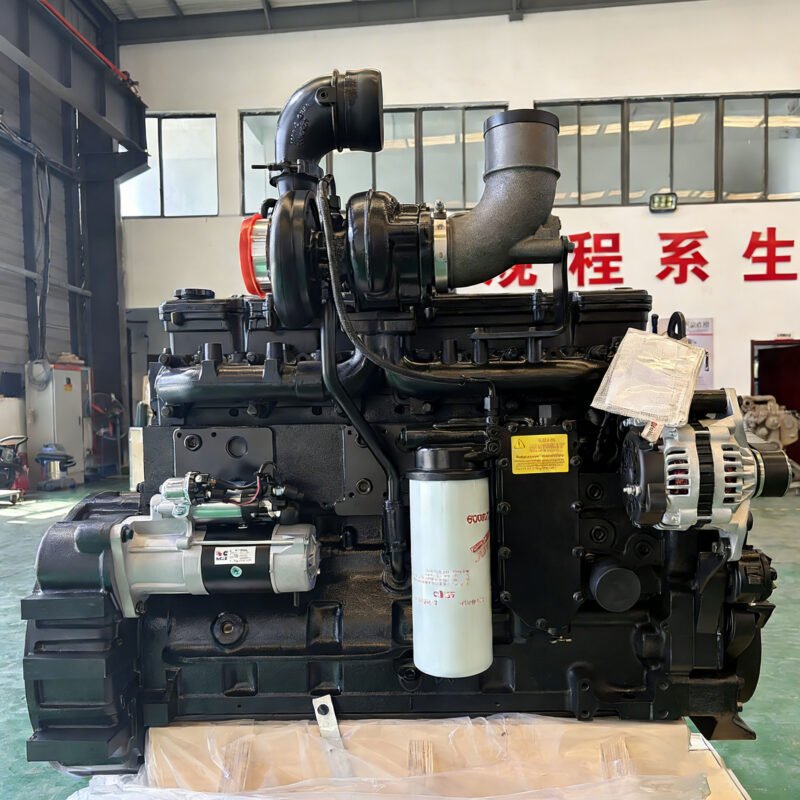
Injector Return Flow Testing on Cummins Industrial Engines
Several electronically controlled Cummins engine families use common rail injection, but their service procedures vary by engine generation and ECM configuration.
QSB4.5: Four-Cylinder Industrial Applications
The Cummins QSB4.5 diesel engine uses high-pressure common rail injection and electronic engine control.
In construction and agricultural machinery, prolonged cranking or low rail-pressure faults may justify further fuel-system inspection.
Technicians should use the applicable engine serial number and service documentation to determine whether injector return testing is required.
QSB6.7: Construction and Power Applications
The Cummins QSB6.7 diesel engine uses an electronically controlled common rail fuel system.
Its operating conditions vary between construction machinery, industrial equipment, and other applications.
As a result, technicians must not apply a return-flow limit from another QSB generation without confirming the correct service procedure.
QSB6.7 Fire Pump Applications
The Cummins QSB6.7 fire-pump engine also features common rail fuel injection.
However, emergency fire-pump installations have strict availability requirements. Fuel-system testing must follow the approved service procedure and the facility’s maintenance and impairment controls.
Unnecessary diagnostic load testing should never compromise the system’s emergency readiness.
Preventing Repeat Injector Problems
Regular filtration maintenance and fuel-quality checks help protect common rail components.
Kangjin Power’s diesel engine maintenance schedule guide discusses preventive checks for industrial engines operating under different duty conditions.
For return-flow diagnosis, maintenance history can provide useful context, particularly after contaminated fuel, repeated filter blockage, or previous injector repairs.
Safety Precautions for Diesel Injector Leak-Off Testing
Common rail injection systems can retain extremely high fuel pressure after engine shutdown. A fuel jet from a damaged or opened high-pressure connection can penetrate skin and cause severe injury.
Before working on the system:
- Identify the correct engine-specific service procedure.
- Use approved diagnostic software, adapters, and measuring equipment.
- Follow the prescribed high-pressure fuel depressurization process.
- Never loosen high-pressure injection lines during operation.
- Keep hands away from suspected leaks.
- Wear the required eye protection, gloves, and protective clothing.
- Prevent dirt from entering any opened fuel connection.
- Use suitable containers and dispose of collected fuel correctly.
Seek emergency medical care immediately after any suspected high-pressure fuel injection injury, even when the skin wound appears minor.
Only qualified personnel should perform procedures that involve opening the fuel system. Electronic diagnostics should normally establish the need for these tests first.
Conclusion
A diesel injector return flow test helps identify excessive internal leakage in common rail fuel systems. The result becomes meaningful when technicians use the correct return circuit, controlled operating conditions, and manufacturer-specific limits.
When total return flow exceeds specification, further isolation testing may be necessary to identify the defective injector or related connection. Meanwhile, normal return flow does not exclude other causes of low fuel rail pressure.
The most reliable diagnosis combines ECM data, fuel supply checks, return-flow measurements, and component inspection. This approach reduces unnecessary repairs while protecting the engine from contamination and unsafe high-pressure testing practices.
Frequently Asked Questions
What is a diesel injector return flow test?
A diesel injector return flow test measures fuel returning through an injector’s internal return circuit. Technicians compare the result with manufacturer limits to investigate excessive leakage and possible rail-pressure problems.
How much injector return flow is normal?
Normal return flow varies by injector design, engine model, fuel temperature, and test conditions. Use the exact manufacturer’s specification rather than a universal milliliter-per-minute value.
Can excessive injector return flow cause a no-start condition?
Yes. Excessive leakage can prevent the rail from reaching the pressure required for starting. However, inadequate fuel supply, pump problems, and slow cranking can produce similar symptoms.
Does high total return flow mean every injector is bad?
No. A high combined reading may result from one injector, several injectors, or another component within the measured return circuit. Manufacturer-approved isolation testing can help identify the source.
Can injector return flow be tested with a generic leak-off kit?
Only when the engine manufacturer permits that method. Many industrial common rail systems require specific adapters, controlled test conditions, and electronic diagnostic functions.
Technical References
The following manufacturer resources provide additional technical information on injector return flow, common rail system operation, and diagnostic testing:
- Bosch – Common Rail Solenoid Injector Operating Principle – Explains injector control and fuel return through the injector circuit.
- Cummins – Injector Isolation Test Technical Service Bulletin – Describes why combined return-flow measurements may require injector isolation.
- Cummins – INSITE Diagnostic Test Features – Lists supported fuel-system diagnostic functions, subject to ECM calibration.

