
Essential Diesel Engine Maintenance Checklist

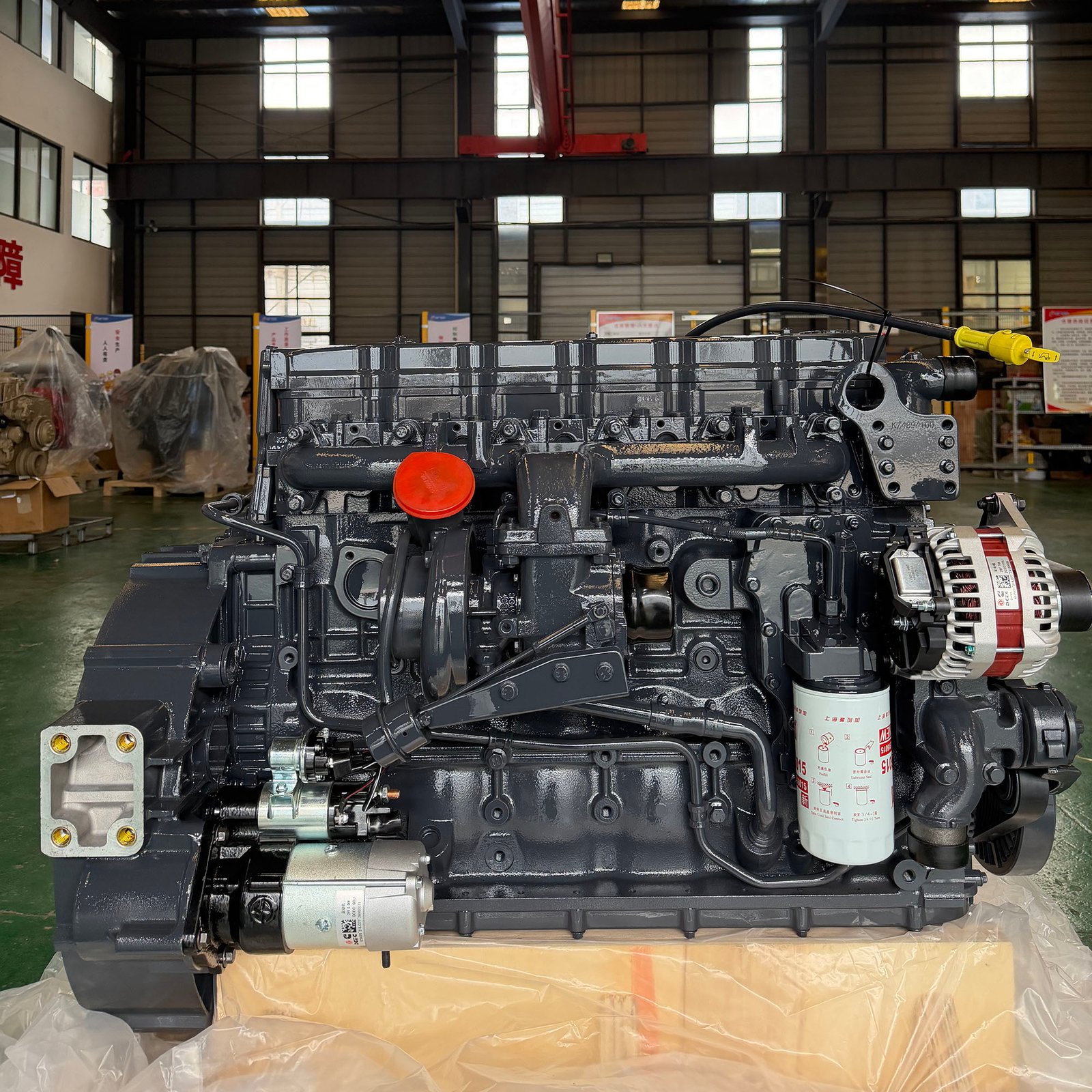
Diesel engines are the workhorses of the modern industrial world. They provide the necessary torque for heavy-duty transportation and construction equipment. In 2026, these machines have become more sophisticated than ever before. They utilize advanced electronic controls and high-pressure fuel systems. Maintaining these engines requires a disciplined and technical approach. A comprehensive diesel engine maintenance checklist serves as a vital safeguard for your investment.
The core design of a diesel engine relies on compression ignition. This process generates extreme internal pressure and significant thermal stress. Modern engines often operate with compression ratios as high as 22:1. Such intense conditions demand superior lubrication and cooling efficiency. Without regular care, the precision components can degrade rapidly. Small issues often escalate into expensive mechanical failures very quickly.
Understanding the unique needs of diesel systems is crucial for any operator. Diesel fuel serves as both a power source and a lubricant. Contamination in the fuel line can cause immediate and catastrophic damage. High-pressure injectors are particularly sensitive to microscopic debris or water. By following a structured service routine, you can maximize engine uptime. This guide provides the technical insights needed for peak performance in 2026.
Why is a diesel engine maintenance checklist essential for performance?
Efficiency and reliability are the primary goals of any maintenance program. A diesel engine functions best when all its subsystems are synchronized perfectly. Even a minor deviation in fuel pressure can reduce power output. Research indicates that proactive maintenance can improve fuel economy by 12%. This leads to significant cost savings over the engine’s lifecycle. A clear diesel engine maintenance checklist ensures no detail is forgotten.
Safety is another critical factor that cannot be overlooked. Engine failures on the highway or a job site create dangerous situations. Sudden stalling can lead to loss of control or equipment damage. Regular inspections identify worn belts, leaking hoses, and electrical faults early. Addressing these issues prevents unexpected breakdowns during critical operations. Well-maintained engines also produce fewer harmful emissions into the environment.
The financial benefits of consistent care are undeniable in 2026. Replacing a commercial-grade diesel engine can cost tens of thousands of dollars. In contrast, routine filter changes and oil tests are relatively inexpensive. Data shows that scheduled maintenance reduces emergency repair costs by approximately 40%. It also helps the engine maintain a much higher resale value. A documented service history proves the machine was treated with care.
Enhancing Thermal Efficiency and Longevity
Diesel engines generate massive amounts of heat during the combustion cycle. The cooling system must dissipate this heat to prevent metal warping. Over time, coolant additives deplete and lose their protective properties. This can lead to liner pitting or internal corrosion. A robust checklist includes testing the pH balance of the cooling fluid.
Optimizing High-Pressure Fuel Delivery
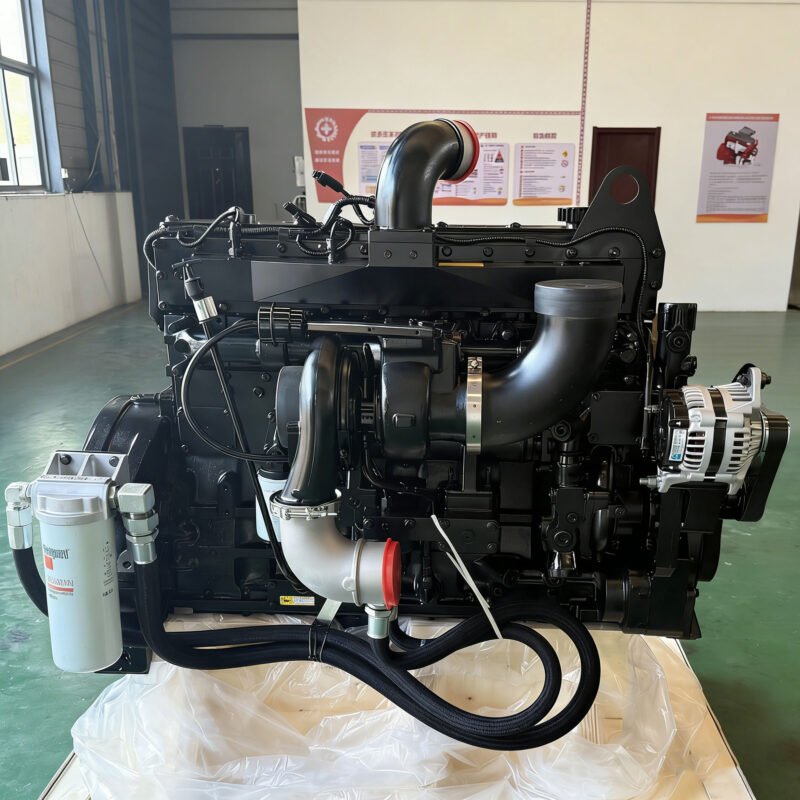
Modern common-rail systems operate at pressures exceeding 32,000 PSI. At these levels, even tiny air bubbles can cause cavitation damage. Consistent fuel filter replacement is the best defense against this issue. Filters must capture particles as small as two microns in size. Clean fuel ensures the injectors provide a perfect mist for combustion.
The Essential Diesel Engine Maintenance Checklist for 2026
The lubrication system is the most critical area of focus. Diesel oil must neutralize acids and hold soot in suspension. If soot levels become too high, the oil becomes abrasive. This leads to accelerated wear on the crankshaft and camshaft bearings. Always use oil that meets the latest 2026 industry performance standards. High-quality synthetic blends offer the best protection under extreme loads.
Air intake systems must remain completely sealed and clean. A diesel engine consumes thousands of cubic feet of air every hour. If the air filter is clogged, the turbocharger must work harder. This increases exhaust gas temperatures and reduces overall engine efficiency. Check the intake hoses for any cracks or loose clamps regularly. Even a small leak can allow dust to bypass the filter.
The electrical system supports the high-torque requirements of starting. Diesel engines require massive cranking amps to overcome high compression levels. Inspect the battery terminals for any signs of corrosion or looseness. Test the alternator output to ensure it meets manufacturer specifications. Glow plugs must also be checked to ensure reliable cold-weather starting. Proper electrical health prevents unnecessary strain on the starter motor.
| Maintenance Task | Frequency (Miles/Hours) | Technical Target |
| Oil & Filter Change | 7,500 Miles / 250 Hours | Zero sludge buildup |
| Primary Fuel Filter | 15,000 Miles / 500 Hours | 10-micron filtration |
| Secondary Fuel Filter | 15,000 Miles / 500 Hours | 2-micron filtration |
| Coolant Analysis | Every 6 Months | pH level 8.0 – 10.5 |
| Valve Adjustment | 100,000 Miles | Factory clearance specs |
Mastering the Lubrication Cycle
Proper oil management is more than just changing a filter. You must monitor the oil pressure gauge during various operating states. Low pressure at idle may indicate worn bearings or a failing pump. High pressure might suggest a blockage in the internal oil galleries. Using the correct viscosity is essential for maintaining a protective film.
Ensuring Fuel Quality and Cleanliness
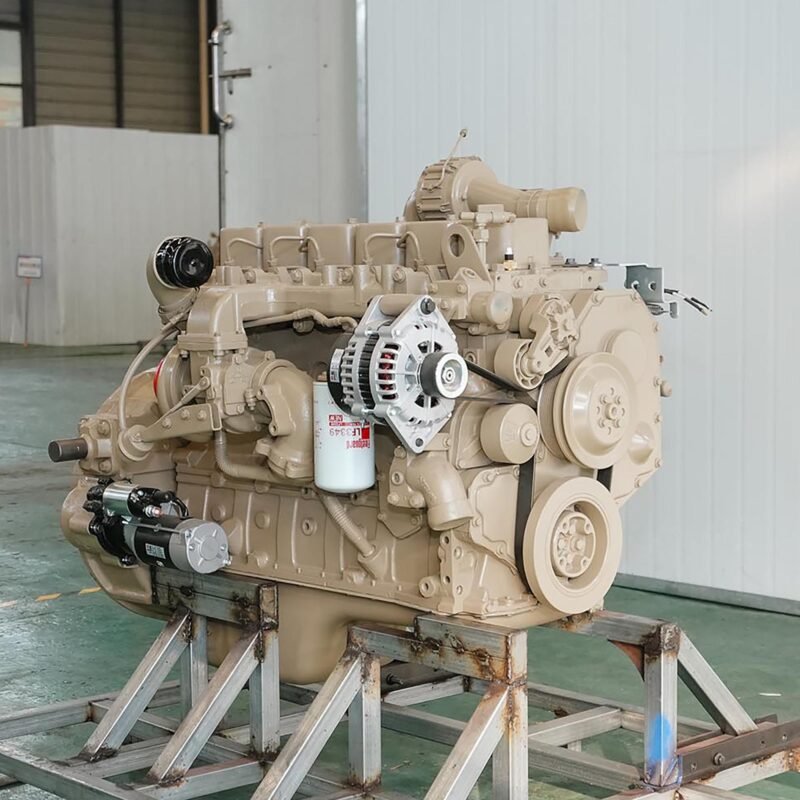
Water is the primary enemy of any diesel fuel system. Most engines feature a water separator with a manual drain valve. You should check this drain daily in humid or cold climates. Microbial growth can occur if water sits in the fuel tank. This “algae” creates a thick slime that destroys fuel pumps. Biocide additives can help prevent this growth in stationary tanks.
Cooling System Integrity Checks
A diesel cooling system is pressurized to raise the boiling point. Inspect the radiator cap to ensure it maintains the correct pressure. Check the water pump weep hole for any signs of leaking. If the pump seal fails, the engine will overheat rapidly. Ensure the cooling fins are free from dirt and debris. Use compressed air to clean the radiator core from the back.
How to Identify Signs of Engine Wear Early?
Visual inspections of the exhaust provide immediate clues about engine health. Blue smoke typically means the engine is burning lubricating oil. This often points to worn piston rings or valve guides. White smoke usually indicates that unburnt fuel is reaching the exhaust. It might also mean coolant is leaking into the combustion chamber. Consistent black smoke suggests an over-rich fuel mixture or air restriction.
Unusual noises are clear indicators of mechanical stress or failure. A loud metallic “clatter” may signify a faulty fuel injector. This “injector knock” can cause a hole in the piston. Squealing sounds often come from a slipping serpentine belt or pulley. A deep rhythmic thumping might indicate a failing main bearing. Operators must learn the unique “voice” of their engine.
Fluid analysis is the most scientific way to monitor internal wear. By analyzing used oil, labs can detect microscopic metal particles. High levels of chromium usually point to worn piston rings. Increased copper levels suggest that thrust washers or bushings are failing. This data allows you to plan repairs before a breakdown. Fluid analysis is a core component of a modern diesel engine maintenance checklist.
Monitoring Exhaust Gas Temperatures (EGT)
EGT levels tell you how hard the engine is working. High temperatures can melt turbocharger blades and damage exhaust valves. This is often caused by lugging the engine or over-fueling. Install an EGT gauge if your engine carries heavy loads. Keep temperatures within the safe range specified by the manufacturer.
Evaluating Crankcase Pressure
Excessive blow-by indicates that combustion gases are escaping the cylinders. This happens when piston rings no longer seal against the walls. You can check this by removing the oil fill cap. A heavy pulse of smoke suggests significant internal wear. Low crankcase pressure is a sign of a healthy engine.
Selecting the Best Diesel Components for Your Vehicle
Choosing the right engine platform is a critical business decision. You must evaluate the specific power requirements of your application. High-torque engines are necessary for towing and heavy lifting tasks. Smaller, high-efficiency units are better for local delivery and passenger use. Reliability depends on the quality of the base engine architecture. A well-designed block can withstand decades of heavy use and rebuilding.
When you are looking for new or replacement units, you must consider durability. You can explore a wide variety of high-performance automotive engines to find a perfect match. These units are engineered to meet strict 2026 performance and emission standards. They feature reinforced cylinder heads and optimized cooling passages for longevity. Selecting a proven platform reduces the frequency of unexpected maintenance tasks.
You should also look for engines that offer easy service access. If filters and dipsticks are hard to reach, maintenance is often neglected. Professional-grade engines are designed with the mechanic in mind. Check for the availability of diagnostic software and technical support. This ensures that your team can troubleshoot electronic issues efficiently. Investing in quality equipment at the start saves time and money.
Compatibility with existing transmission systems is another major technical hurdle. Ensure the engine’s torque curve matches your gear ratios. Incorrect pairing leads to poor fuel economy and excessive component stress. Verify that the engine mounting points align with your chassis design. A seamless integration ensures the entire powertrain functions as a single unit. Quality engines provide the stability needed for long-term operational success.
Summary
A rigorous diesel engine maintenance checklist is the foundation of vehicle reliability. By monitoring fluids, filters, and mechanical sounds, you prevent major failures. Utilizing technical data and professional inspections ensures your engine reaches its maximum lifespan. Investing in high-quality components and regular service protects your financial interests in 2026.
FAQ
1. How often should I replace the fuel filters on a diesel engine?
Fuel filters should typically be replaced every 15,000 miles or 500 hours. This interval ensures that the high-pressure injection system remains free from contaminants. However, if you use lower-grade fuel, you should replace them more frequently. Always check both the primary and secondary filters during your routine service. This prevents microscopic particles from reaching the sensitive fuel injectors and causing wear.
2. What are the common causes of black smoke in diesel exhaust?
Black smoke is usually caused by an improper air-to-fuel ratio in the cylinders. This means there is either too much fuel or not enough air. Clogged air filters are a very common reason for restricted airflow. Faulty fuel injectors can also spray excessive fuel into the combustion chamber. In some cases, a failing turbocharger may not provide enough boost pressure. Addressing this issue quickly prevents damage to the diesel particulate filter.
3. Can I use regular gasoline engine oil in a diesel engine?
No, you must never use gasoline-rated oil in a diesel engine. Diesel engines produce significant amounts of soot that requires special dispersants. Diesel oil also contains higher levels of anti-wear additives like zinc and phosphorus. These additives protect the engine under the high-pressure conditions found in compression ignition. Using the wrong oil will lead to rapid sludge buildup and bearing failure. Always look for the specific diesel rating on the oil container.
4. Why is cooling system maintenance so important for diesels?
Diesel engines operate at much higher internal temperatures than gasoline engines. The cooling system prevents the engine block from warping or cracking. It also protects the cylinder liners from a process called cavitation. If the coolant is not maintained, tiny bubbles can implode and pit the metal. Proper coolant additives create a protective layer on these internal surfaces. This ensures the engine remains structurally sound over hundreds of thousands of miles.
Reference Sources
SAE International Technical Standards for Diesel Lubricants and Engine Performance
Cummins Inc official Service and Maintenance Guidelines for Heavy Duty Diesel Engines
DieselNet Technical Resources for Diesel Emissions and Engine Management
Chevron Lubricants Technical Data on Diesel Engine Oil and Wear Prevention

