
Cummins 6BTAA5.9 Specs: Power, Torque & Industrial Applications

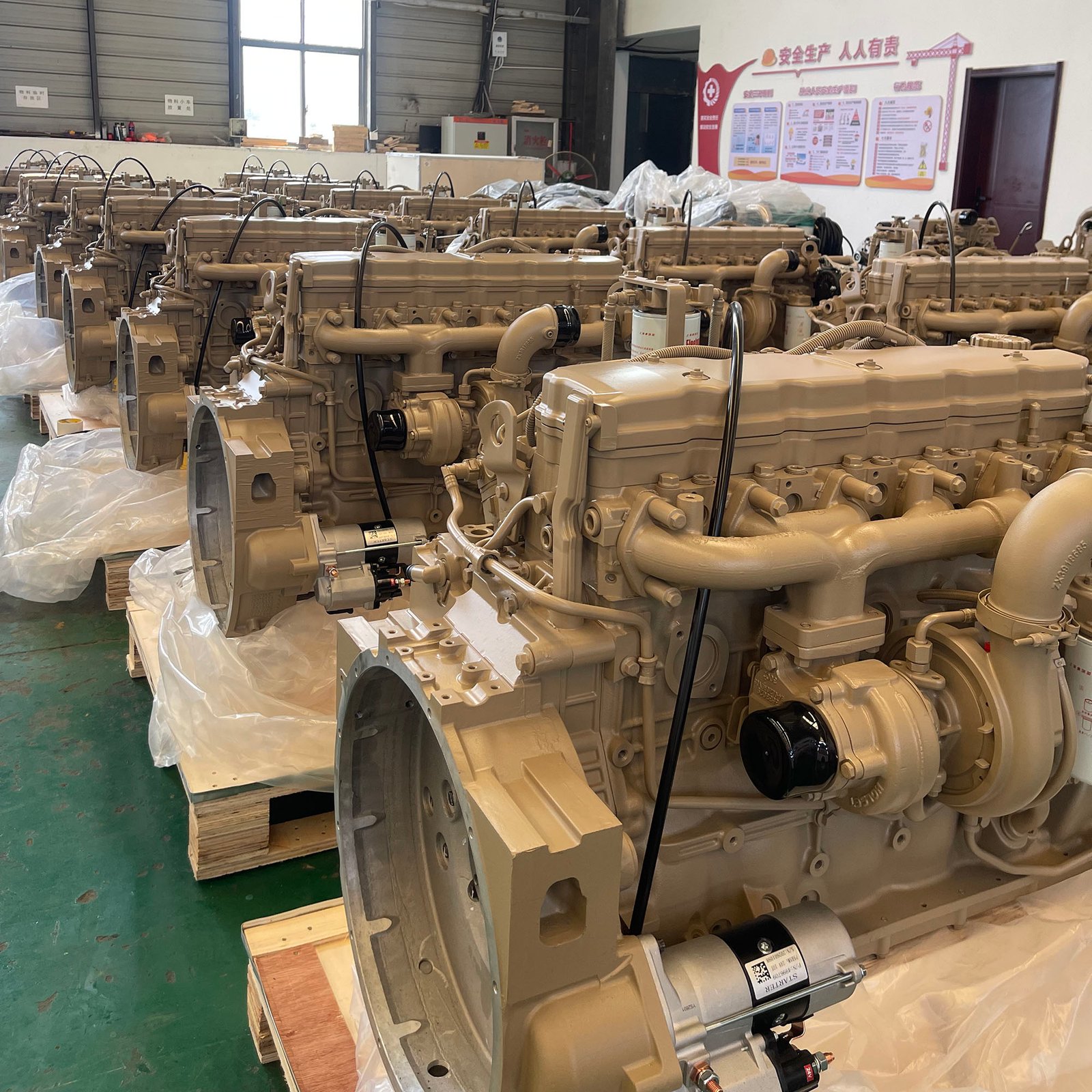
The baseline cummins 6btaa5.9 specs define a 5.9-liter, inline six-cylinder diesel engine engineered to deliver 200 to 330 horsepower (147–243 kW) and a peak torque output of 580 to 870 N·m at a low 1400–1600 RPM. Unlike modern common-rail systems, this turbocharged and air-to-air aftercooled (BTAA) unit relies on a purely mechanical inline fuel injection pump. This specific architecture deliberately strips away fragile electronic control units (ECUs) and sensitive sensors. For OEM project managers and fleet engineers, this mechanical simplicity translates directly to failure resistance. It makes the 6BTAA5.9 the primary power plant for heavy-duty industrial uses—specifically 20-ton excavators, continuous-duty agricultural irrigation pumps, and off-grid generator sets operating in high-dust, high-vibration environments.
What Are the Core Engineering Specifications and Limitations?
Industrial machinery design relies on strict dimensional and functional parameters. Engineers must account for physical mass, heat rejection, and mounting footprints. The 6-cylinder block is cast from high-strength iron to minimize structural torsion.
This rigidity is necessary to handle continuous internal cylinder pressures during high-load cycles. The mechanical inline pump ensures precise fuel atomization without relying on voltage-sensitive electronic injectors. This design handles lower-quality, high-sulfur diesel fuel often found on remote jobsites.
Here are the baseline parameters for OEM integration:
- Displacement: 5.9 Liters (359 cubic inches)
- Bore × Stroke: 102 mm × 120 mm
- Aspiration Method: Turbocharged, Air-to-Air Aftercooled
- Fuel System Structure: Mechanical Inline Injection Pump
- Dry Weight: Approximately 413 kg (910 lbs)
- Rotational Direction: Counterclockwise (facing flywheel)
Reviewing these cummins 6btaa5.9 specs allows engineers to calculate exact center-of-gravity metrics. Proper engine placement prevents hazardous chassis imbalance in mobile heavy equipment. It also determines the required spacing for cooling fans and exhaust routing.
How Low-End Torque Curves Dictate Drivetrain Integration
Horsepower determines top speed, but torque initiates physical movement. Heavy manufacturing equipment requires massive twisting force to break inertia. The 5.9L platform produces its peak torque of 580–870 N·m remarkably early in the RPM band.
Accessing maximum torque between 1400 and 1600 RPM prevents engine stalling. When an excavator bucket hits solid bedrock, the hydraulic pump demands immediate rotational force. High low-end torque ensures the engine powers through the resistance without bogging down.
OEMs must match this torque curve to specific transmission gear ratios or hydraulic pump displacements.
| Performance Metric | Output Range | Operational RPM |
| Rated Power Output | 147 kW – 243 kW | 2200 – 2600 rpm |
| Peak Twisting Force | 580 N·m – 870 N·m | 1400 – 1600 rpm |
| Standard Idle Speed | 750 rpm – 850 rpm | N/A |
Direct-drive applications, like industrial chippers, rely heavily on this predictable power delivery. If an engine requires high RPMs to generate torque, fuel consumption increases drastically. The low-RPM efficiency of the 6BTAA5.9 significantly lowers total operational fuel costs.
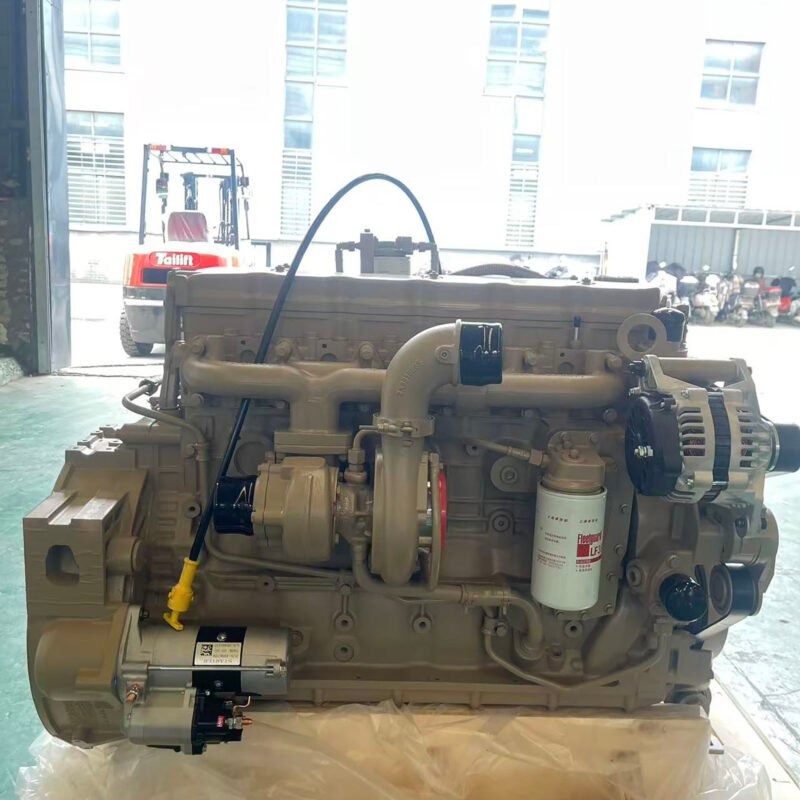
Evaluating Industrial Applications for Mechanical Diesel Platforms
Different manufacturing sectors exploit specific traits of this 5.9-liter engine. In the construction industry, vibration resistance is the primary concern. Wheel loaders and compactors use this platform because mechanical pumps survive constant, violent chassis impacts.
Power generation requires a completely different operational profile. Generator sets demand an engine capable of holding a stable, locked RPM under fluctuating electrical loads. The 6BTAA5.9 achieves tight speed regulation using mechanical governing systems.
Marine and high-volume fluid pumping applications prioritize continuous thermal stability.
- Earthmoving Equipment: High torque for hydraulic break-out force.
- Dewatering Pumps: Continuous-duty ratings for 24/7 operation.
- Standby Generators: Rapid cold-start capabilities without sensor faults.
- Agricultural Machinery: Tolerance to extreme airborne dust and chaff.
In forestry equipment, the lack of an ECU prevents unexpected machine shutdowns in isolated areas. Mechanics can diagnose and repair mechanical injection timing issues using standard hand tools. This field serviceability drastically reduces costly machine downtime.
Managing Thermal Loads with Air-to-Air Aftercooling
Combustion efficiency drops significantly when intake air becomes too hot. Turbochargers compress incoming air, which inadvertently raises its temperature. Hot air is less dense, containing less oxygen per cubic inch for the combustion cycle.
The “BTAA” designation indicates an air-to-air aftercooling system. This heat exchanger sits in front of the engine radiator. It actively strips heat from the compressed intake charge before it enters the engine block.
Dense, cooled air creates a more forceful and efficient piston stroke. It also prevents dangerous pre-ignition in the cylinders during high-load operations. For equipment operating at high altitudes, this aftercooler is critical to maintain baseline horsepower ratings.
OEM Sourcing, Customization, and Cost Logistics
Procuring heavy-duty engines requires deep evaluation of supplier capabilities. OEM project managers rarely buy off-the-shelf units for complex machinery. Customizing the power take-off (PTO), oil pan orientation, and flywheel housing is usually mandatory.
Sourcing a bare engine block requires a supplier with flexible engineering support. Working with specialized B2B partners allows buyers to configure the 6BTAA5.9 diesel engine to exact structural requirements. Factories can adjust mechanical governor settings to match specific hydraulic load profiles.
Project budgeting must account for global material shifts and baseline power requirements. Reviewing an updated diesel engine price guide for construction and industrial costs helps procurement teams establish accurate financial models. Total cost of ownership involves upfront pricing, expected maintenance intervals, and fuel efficiency rates.
Volume scalability is the final procurement hurdle. Buyers should confirm standard lead times and RFQ workflows before locking in a vendor. Reliable factories provide comprehensive dyno-testing reports for every customized unit before shipment.
FAQ
Q1: What is the difference between BTA and BTAA engine configurations?
A: Both use the 5.9L block and a turbocharger. BTA utilizes a jacket water aftercooler, which relies on the engine’s liquid coolant. BTAA utilizes an air-to-air aftercooler, which is generally more efficient at reducing intake temperatures for higher power outputs.
Q2: Can the 6BTAA5.9 handle high-sulfur diesel fuels?
A: Yes. Because this engine relies on a mechanical inline injection pump, it is highly tolerant of poor-quality fuels. Modern common-rail electronic engines require ultra-low sulfur diesel, making the 6BTAA5.9 preferred for unregulated international markets.
Q3: How do OEMs integrate hydraulic pumps with this engine block?
A: Engineers mount hydraulic pumps directly to the flywheel housing using standard SAE bell housing adapters. The engine’s high low-end torque allows direct coupling without complex gear reduction systems, simplifying the drivetrain design.
Q4: What testing data should a B2B buyer request during the RFQ process?
A: Procurement managers should request localized dynamometer test reports. These documents verify the factory-calibrated horsepower, peak torque curves, and specific fuel consumption rates under simulated loads.
Q5: What are the standard lead times for custom BTAA industrial engines?
A: Standard industrial orders typically require 30 to 45 days for assembly and calibration. However, highly customized OEM requirements, such as modified cooling packages or specialized governor settings, may extend lead times to 60 days.
Reference Sources
- ISO 3046-1: Reciprocating internal combustion engines — Performance — Part 1: Declarations of power, fuel and lubricating oil consumptions.
- SAE J1995: Engine Power Test Code – Spark Ignition and Compression Ignition – Gross Power Rating Standard.
- ASTM D975-21: Standard Specification for Diesel Fuel Oils (referencing mechanical injector tolerances).

