
Diesel Engine Price Guide: Construction & Industrial Costs

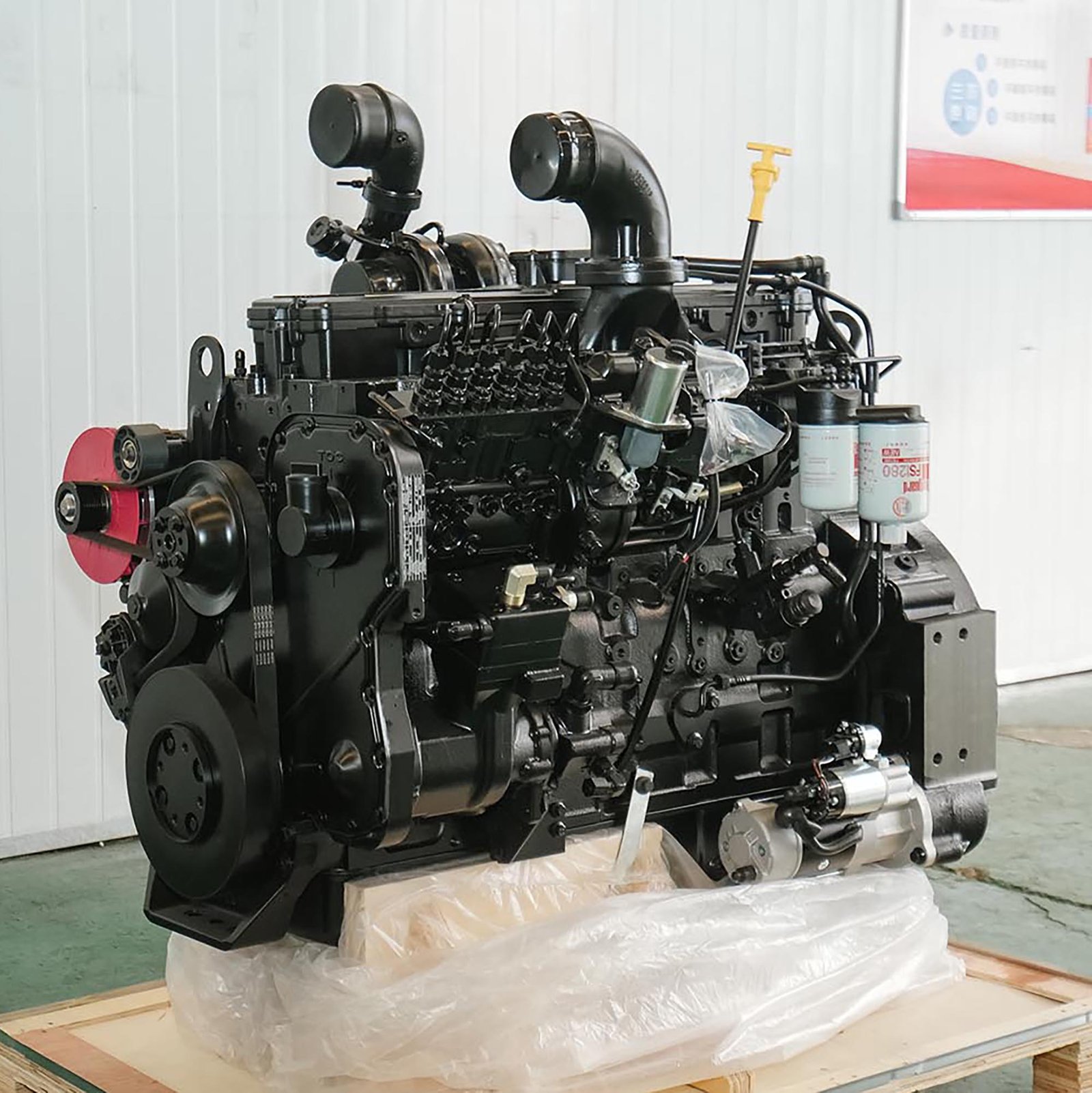
Estimating a diesel engine price is not as simple as checking a sticker on a consumer vehicle. In the industrial and construction sectors, a diesel engine is a capital investment where the initial purchase price represents only the beginning of the financial equation. Depending on horsepower, displacement, and emissions compliance, a new industrial diesel engine typically ranges from $3,000 to over $50,000.
For procurement managers and fleet operators, understanding the nuances of these costs is vital for maintaining project margins. This guide breaks down the pricing structures for construction-grade engines, identifying why two engines with similar horsepower can have vastly different price tags.
What Determines a Diesel Engine Price?
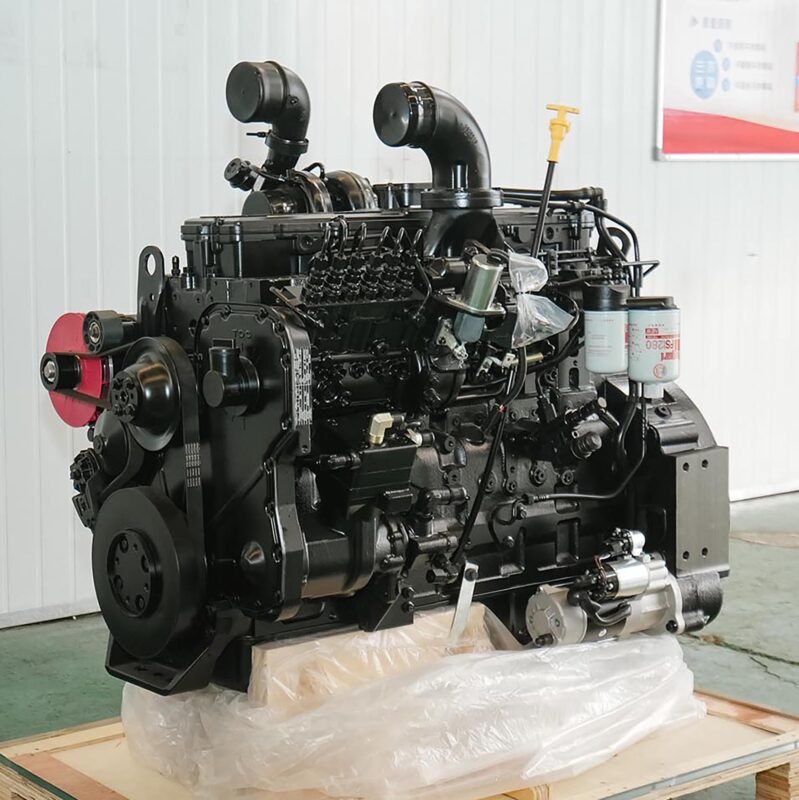
The cost of a diesel engine is dictated by engineering complexity rather than just raw materials. While a basic 25-horsepower engine for a small generator might be affordable, a high-torque engine for an 80-ton excavator involves advanced metallurgy and electronics.
1. Horsepower and Displacement
Generally, price scales with displacement (measured in liters) and output (horsepower). Smaller 2.0L to 4.0L engines used in skid steers are significantly cheaper than 15L heavy-duty engines. However, the “price per horsepower” often decreases as the engine gets larger, due to economies of scale in the casting process.
2. Emissions Standards (Tier 4 Final & Stage V)
Emissions compliance is the single most significant driver of price increases over the last decade. Modern engines must include:
- DPF (Diesel Particulate Filters): To capture soot.
- SCR (Selective Catalytic Reduction): Requiring DEF (Diesel Exhaust Fluid) tanks.
- EGR (Exhaust Gas Recirculation): To reduce nitrogen oxides.
These components can add 20% to 35% to the base engine price compared to older, non-regulated “export-only” models.
3. Cooling and Turbocharging
Naturally aspirated engines are cheaper but less efficient. Turbocharged and after-cooled engines command a premium because they deliver higher power density. For construction machinery operating in high-temperature or high-altitude environments, specialized cooling packages further increase the cost.
Average Pricing by Engine Category
To provide a realistic budget framework, we categorize engines by their primary industrial application.
| Engine Type | Typical Application | Price Range (USD) |
| Compact Industrial | Mini-excavators, Forklifts | $3,500 – $7,500 |
| Mid-Range Construction | Wheel Loaders, Backhoes | $8,000 – $18,000 |
| Heavy-Duty Industrial | Large Excavators, Rock Crushers | $20,000 – $55,000+ |
| Power Generation | Standby Generators (100kVA+) | $10,000 – $30,000 |
Note: Prices reflect “Long Block” or “Complete Engine” configurations. Pricing for “Short Blocks” (crankshaft and pistons only) is typically 40% lower.
The “Hidden” Costs of Cheap Diesel Engines
When sourcing diesel engines, particularly for OEM projects or fleet replacements, the lowest “buy price” often masks higher long-term expenses. In the construction industry, downtime is more expensive than the engine itself.
Integration and Peripheral Costs
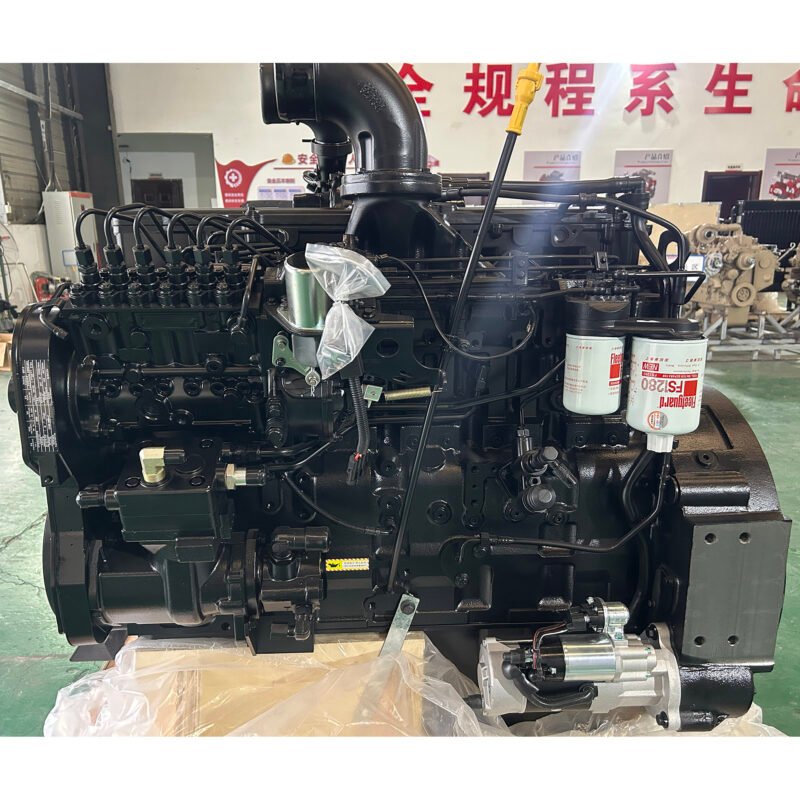
A diesel engine price rarely includes the “dress kit.” If you are switching brands or upgrading to a newer model, you must account for:
- Mounting Brackets: Structural changes to the machine chassis.
- Wiring Harnesses: Modern ECU-controlled engines require specific electronic integration.
- Cooling Systems: Older radiators may not be sufficient for the higher heat rejection of Tier 4 engines.
Fuel Consumption vs. Initial Price
A premium engine from a manufacturer like Kangjin Power often features superior fuel injection mapping. An engine that is $1,000 more expensive upfront but 5% more fuel-efficient can pay for itself within the first 1,500 hours of operation. In a high-utilization environment like a construction site, fuel typically accounts for 60% of the total cost of ownership (TCO).
New vs. Remanufactured: Which is More Cost-Effective?
For heavy machinery, “Reman” (remanufactured) engines are a popular alternative to new units.
- New Engines: Offer the latest technology, full factory warranties, and maximum lifespan. These are essential for new equipment manufacturing (OEM).
- Remanufactured Engines: These are stripped to the bare block and rebuilt with new internal components to OEM specs. They typically cost 30% to 50% less than new engines and are often available for immediate swap-outs to minimize downtime.
For critical path machinery, a new engine is usually the safer investment. For older fleet assets where the machine’s residual value is low, a remanufactured unit provides a better ROI.
Procurement Logic for B2B Buyers
If you are sourcing engines for construction machinery, your procurement strategy should move beyond the unit price.
- Verify Compliance: Ensure the engine meets the local environmental regulations of your target market (EPA for the US, CE/Stage V for Europe).
- Evaluate Parts Availability: A low-cost engine becomes a liability if spare parts (filters, injectors, gaskets) are not available in your region.
- Check Customization Capabilities: For OEM manufacturers, look for suppliers who can customize the flywheel housing, PTO (Power Take-Off) options, and fan positions to fit your specific machine design.
At Kangjin Power, we specialize in high-performance construction machinery engines designed to withstand rigorous workloads. Our focus is on providing reliable power units that balance initial acquisition costs with long-term durability and ease of maintenance.
Summary
Selecting a diesel engine requires balancing the initial purchase price against long-term operational efficiency and compliance needs. While a lower upfront cost is attractive, the total cost of ownership—including fuel consumption, maintenance intervals, and integration costs—is the most accurate metric for B2B procurement success.
FAQ
1. Why are diesel engines more expensive than gasoline?
Diesel engines require much higher compression ratios. This necessitates heavier engine blocks, reinforced pistons, and high-pressure fuel injection systems capable of withstanding extreme thermal and mechanical stress.
2. Does the diesel engine price include the transmission?
No. In an industrial context, the price usually refers to the “Power Unit” or engine only. Transmissions, hydraulic pumps, and torque converters are sourced separately or as part of a complete powertrain package.
3. How much does shipping a diesel engine cost?
Due to weight, diesel engines ship via LTL or sea freight. Domestic shipping usually ranges from $300 to $800, while international ocean freight depends on Incoterms (CIF, FOB) and current container rates.
4. What is the MOQ for OEM diesel engine orders?
For customized industrial engines, many manufacturers require a Minimum Order Quantity (MOQ) of 5 to 10 units to offset setup costs, though standard models may be available for single-unit purchase.
Reference Sources
DieselNet: Diesel Emissions Standards & Technology

