
Cummins 4BTA3.9 Specs: HP, Torque, Dimensions & Uses

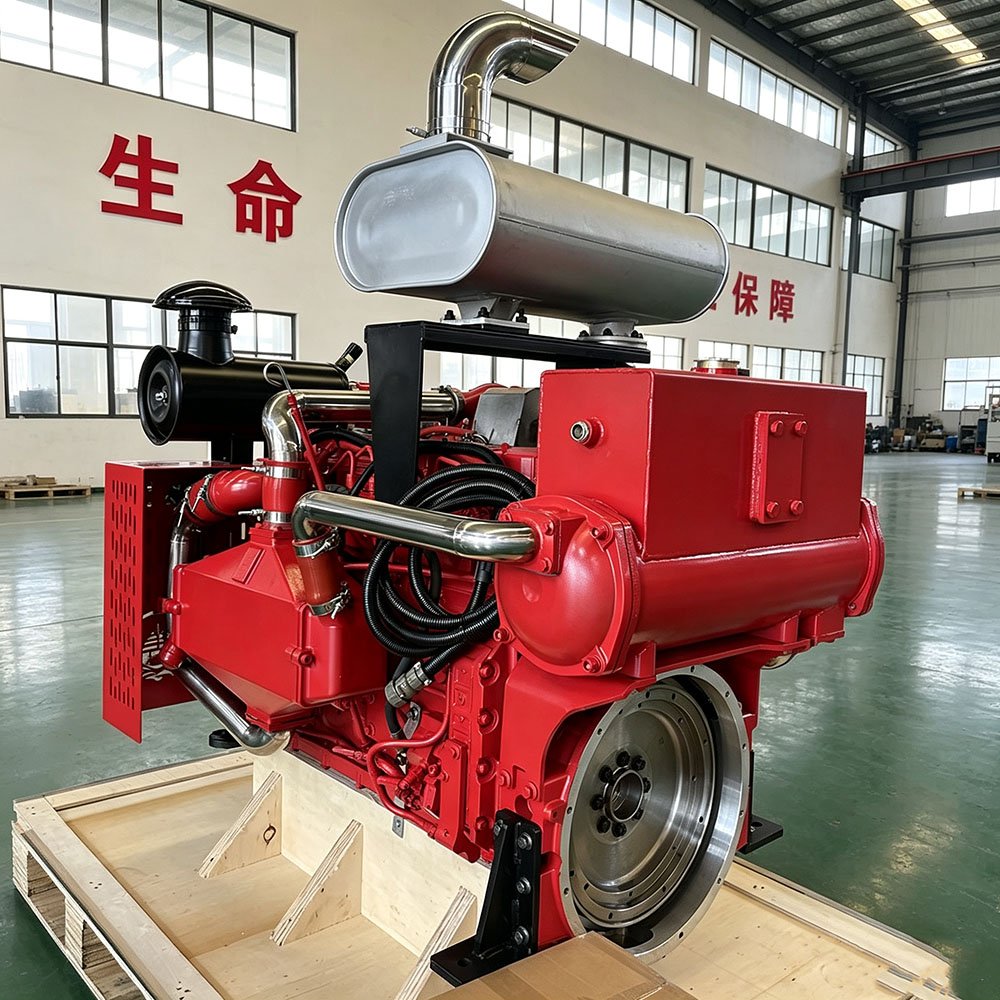
The Cummins 4BTA3.9 is a 3.9-liter, 4-cylinder, inline diesel engine engineered for high power density and extended duty cycles. For engineers and equipment buyers evaluating Cummins 4BTA3.9 specs, the core parameters are straightforward. The engine delivers between 80 HP and 130 HP, produces up to 475 N·m of peak torque, and features a compact dry weight averaging 355 kg. By combining turbocharging with advanced aftercooling, it provides the low-speed torque required for heavy-duty industrial machinery, commercial vehicles, and power generation units.
What Makes the Cummins 4BTA3.9 a Workhorse?
The nomenclature of the 4BTA3.9 reveals its exact engineering configuration. The “4” represents four cylinders. The “B” indicates the Cummins B-Series platform. The “T” stands for turbocharged, while the “A” specifies aftercooling. Finally, “3.9” denotes the total engine displacement in liters.
Industrial environments demand engines capable of handling variable loads, high dust intake, and extended idling periods followed by peak power demands. Standard automotive engines often fail under these distinct thermal stresses. The 4BTA3.9 thrives here due to its high-strength cast iron block and forged steel components. These structural choices maintain critical cylinder alignment even under extreme thermal expansion.
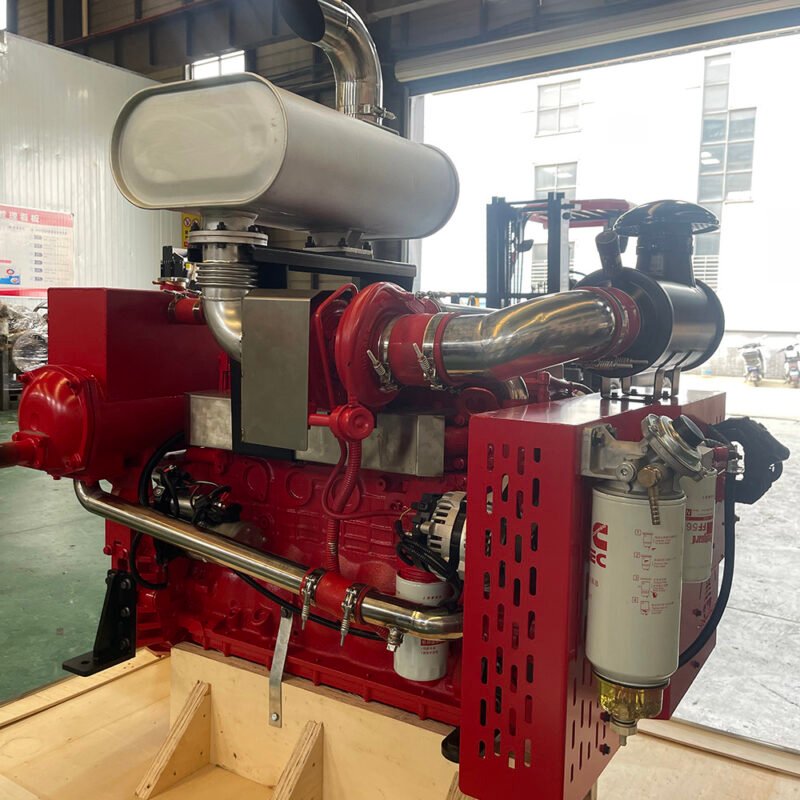
The integration of an intercooler (aftercooler) fundamentally changes the engine’s volumetric efficiency. By cooling the compressed air exiting the turbocharger, the air density increases before it enters the combustion chamber. This results in a cleaner burn, reduced exhaust gas temperatures, and a higher power output per liter of displacement.
Cummins 4BTA3.9 Specs: Power, Torque & Dimensions
Evaluating engine parameters requires looking at realistic continuous operating conditions rather than just peak laboratory numbers. The 4BTA3.9 diesel engine is offered in several factory configurations to match specific equipment load profiles.
Core Technical Specifications:
- Displacement: 3.9 Liters (238 cubic inches)
- Engine Configuration: Inline 4-cylinder, 4-stroke
- Bore x Stroke: 102 mm x 120 mm
- Aspiration: Turbocharged and Aftercooled (Air-to-Air or Jacket-Water)
- Fuel System: Mechanical PT injection (early models) or Electronic Control
- Compression Ratio: Typically 16.5:1 or 17.3:1
Performance Ratings (Industrial II Series):
OEMs can select from varying power nodes depending on the hydraulic or mechanical load of the machinery.
| Engine Model | Rated Power (kW / HP) | RPM | Max Torque (N·m) | Peak Torque RPM |
| 4BTA3.9-C80-II | 60 kW / 80 HP | 2200 | 360 N·m | 1400 |
| 4BTA3.9-C100-II | 74 kW / 100 HP | 2200 | 410 N·m | 1500 |
| 4BTA3.9-C125-II | 93 kW / 125 HP | 2200 | 475 N·m | 1500 |
| 4BTA3.9-C130-II | 97 kW / 130 HP | 2500 | 475 N·m | 1500 |
Note: Output configurations can be factory-adjusted based on the specific power take-off (PTO) requirements of the host machine.

Structural Design and Physical Dimensions
For OEM project managers and mechanical engineers, engine packaging is a critical constraint. Fitting a diesel powerplant into a compact loader or a weather-proof generator enclosure requires precise dimensional planning.
The 4BTA3.9 is celebrated for its highly compact footprint. While exact dimensions fluctuate based on the specific oil pan, alternator, and turbo piping attached, the baseline packaging remains tight.
Standard Physical Dimensions:
- Dry Weight: Approximately 338 kg to 355 kg (745 to 782 lbs)
- Overall Length: ~778 mm to 867 mm
- Overall Width: ~544 mm to 634 mm
- Overall Height: ~912 mm to 988 mm
The dry weight-to-power ratio makes this engine ideal for mobile equipment where excess chassis weight diminishes operational efficiency. The block design also features multiple PTO mounting locations. This allows engineers to drive hydraulic pumps directly from the engine gear train, eliminating the need for bulky external gearboxes.
Typical Applications for the 4BTA3.9 Diesel Engine
Because of its broad torque curve and fuel efficiency, the 4BTA3.9 is deeply integrated across multiple industrial sectors. It does not suffer from the low-end lag commonly found in smaller, highly-stressed displacement engines.
1. Construction and Heavy Machinery
Equipment like mid-sized excavators, wheel loaders, and soil compactors rely heavily on torque rise. When an excavator bucket hits hard rock, the RPM drops. The 4BTA3.9 is engineered to increase its torque output as RPMs drop, preventing engine stalls and maintaining hydraulic pressure.
2. Power Generation
In the continuous and standby power sectors, the G-drive variant of this engine is a staple. It comfortably powers diesel generator sets in the 80 kW to 100 kW output range. Its mechanical injection variants are highly sought after in remote locations because they tolerate varying fuel qualities without catastrophic sensor failures.
3. Marine Auxiliary Systems
Marine environments demand exceptional reliability. The 4BTA3.9 frequently serves as a main propulsion unit for small fishing vessels or as an auxiliary generator engine for larger cargo ships. Heat exchangers and marine-grade wiring harnesses are typically fitted for these specific duty cycles.
4. Commercial Vehicles
Historically, this engine block was the backbone of delivery step vans, school buses, and medium-duty trucks (in the 5-8 ton range). Its ability to endure constant stop-and-go driving while maintaining excellent fuel economy solidified its reputation as a fleet workhorse.
Evaluating the 4BTA3.9 for Your Fleet or OEM Project
Selecting an engine involves analyzing the total cost of ownership (TCO), not just the initial procurement price. Project managers must evaluate fuel consumption, maintenance intervals, and integration simplicity.
When considering why choose Cummins diesel engines for heavy industrial use, the logic lies in long-term operational viability. The modular architecture of the B-Series simplifies OEM integration. Shared components across the engine family reduce the inventory burden for fleet managers.
Advanced cooling optimization allows equipment designers to utilize side-mounted or front-mounted radiators based on chassis airflow. Furthermore, global parts availability means that whether a machine operates in a remote mining site or a dense urban construction zone, maintenance downtime is severely minimized.
For custom equipment builds, OEM suppliers often provide tailored engine setups. This includes specific governor tuning, heavy-duty air filtration for high-dust environments, and cold-weather starting aids like intake air heaters.
FAQ
What is the difference between the 4BT and the 4BTA3.9?
The primary difference is the “A” in 4BTA, which stands for Aftercooled. The 4BT is only turbocharged. The 4BTA routes the compressed air from the turbocharger through an intercooler before it enters the engine. This reduces air temperature, increases air density, and safely allows for higher horsepower and torque outputs.
What is the expected fuel consumption of the 4BTA3.9?
Fuel consumption scales directly with engine load and RPM. Under a full load at peak torque, the specific fuel consumption typically ranges between 208 g/kW.h and 233 g/kW.h. Operating at moderate continuous loads significantly reduces overall hourly fuel usage.
Does the 4BTA3.9 use a mechanical or electronic fuel system?
It depends on the manufacturing era and specific model. Earlier generation models utilize the highly reliable mechanical PT (Pressure-Time) or rotary injection pumps. Later models, particularly those built to meet stricter emissions standards, integrate electronic control modules (ECM) for precise common-rail fuel injection.
Can this engine handle high-altitude operations?
Yes. The turbocharger naturally compensates for thinner air at higher elevations. However, for continuous operation above 2,000 meters, slight fuel derating may be required on mechanical injection models to prevent excessive exhaust gas temperatures and maintain optimal combustion.
Reference Sources
- Cummins Inc. Official Documentation: B-Series Engine Specifications and Application Guidelines.
- ISO 3046-1: Reciprocating internal combustion engines — Performance — Part 1: Declarations of power, fuel and lubricating oil consumptions, and test methods.
- SAE International: Technical papers on the impact of aftercooling on diesel engine volumetric efficiency and thermal stress.
- Kangjin Power Technical Catalog: Diesel Engine Integration Data for OEM Construction Machinery.

