
How to Import Diesel Engines from China Safely: A Technical & Compliance Guide

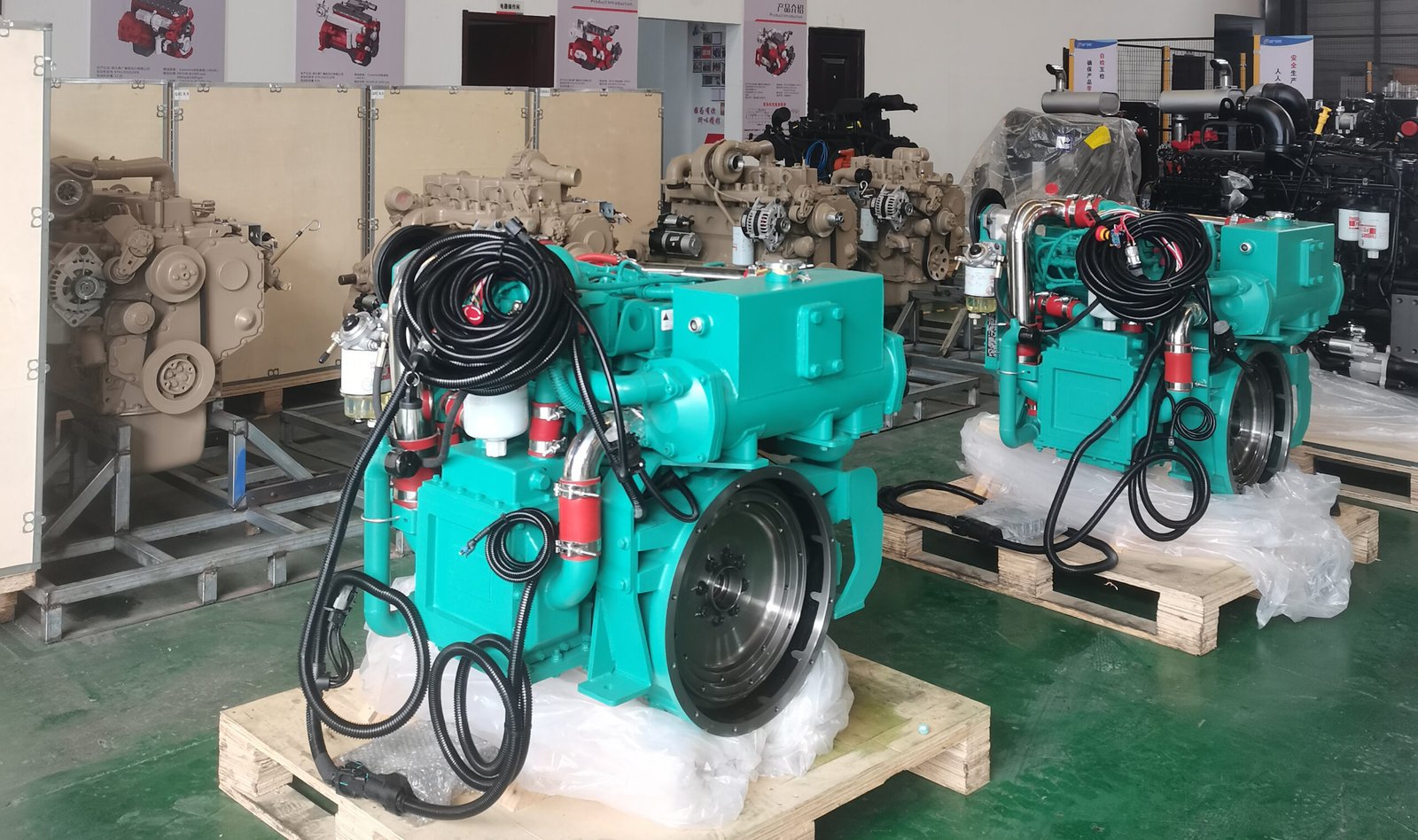
The global industrial market depends on China for high-performance and cost-effective power solutions. However, when you import diesel engine from China, it is not just a simple buying task. Instead, it is a complex challenge that involves both engineering and strict regulations. For project managers and OEM manufacturers, a “safe” import focuses on three main pillars: regulatory compliance, mechanical reliability, and financial security.
To succeed, you must carefully navigate the details of emission standards, power ratings, and factory audits. By doing this, you can avoid costly customs delays or equipment failures. This guide provides a strategic plan for sourcing engines from manufacturers like Kangjin Power. Ultimately, it helps you ensure your technical requirements align perfectly with international logistics standards.
1. Navigating Global Emission Standards and Compliance
The most significant risk when you import diesel engines from China is non-compliance with local environmental regulations. Customs authorities in the US, EU, and Australia maintain stringent “Tier” or “Stage” requirements.
- USA (EPA Standards): For non-road diesel engines, EPA Tier 4 Final is the current benchmark. Importing an engine that only meets Tier 2 or Tier 3 standards into the US will result in immediate seizure and heavy fines.
- Europe (EU Stage V): The European Union requires Stage V compliance for most mobile machinery. This often involves advanced Exhaust After-Treatment (EAT) systems, such as Diesel Particulate Filters (DPF) and Selective Catalytic Reduction (SCR) using AdBlue.
- Documentation: Always demand the Original Equipment Manufacturer (OEM) certificate of conformity. A reputable supplier should provide a physical emissions label affixed to the engine block in English, clearly stating the compliance level.
2. Matching Technical Specifications to Application Logic
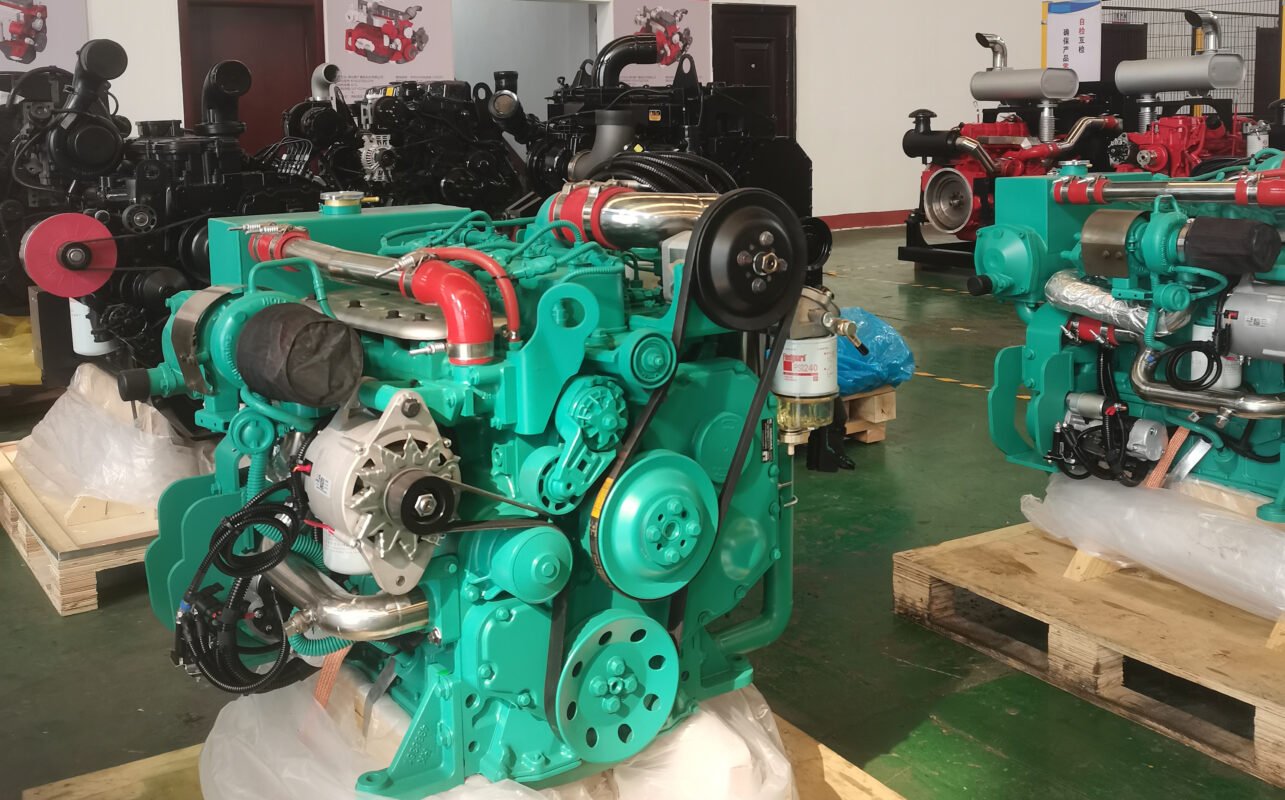
A common error in international procurement is failing to define the duty cycle and environmental conditions of the engine’s final destination. When reviewing product catalogs, focus on the following technical parameters:
Aspiration and Cooling Systems
- Naturally Aspirated (NA): Reliable for low-load, steady-state applications.
- Turbocharged (T) & Turbocharged Aftercooled (TA): Necessary for high-altitude operations or where high power-to-weight ratios are required.
- Cooling: Ensure the radiator and fan assembly are rated for the ambient temperatures of your region. An engine designed for a temperate climate may overheat in tropical or desert environments.
Power Rating Definitions
Understanding the difference between Standby Power, Prime Power (PRP), and Continuous Power (COP) is critical.
- Standby: For emergency use during utility outages.
- Prime: For variable load applications where no utility grid exists.
- Continuous: For constant 100% load applications (e.g., base-load power).
Miscalculating these ratings can lead to premature engine wear or “wet stacking” if the engine is consistently under-loaded.
3. Evaluating Manufacturing Capability and Quality Systems
When you evaluate a supplier likeKangjin Power, you are looking for more than just a low price. You are looking for engineering depth and quality consistency.
The Audit Checklist:
- ISO 9001:2015 Certification: This is the baseline for quality management.
- Casting and Machining: Ask if the engine blocks are cast in-house or sourced. High-precision CNC machining of the crankcase and cylinder heads is non-negotiable for longevity.
- Component Provenance: Inquire about the fuel injection system. Reliable Chinese engines often utilize high-quality Bosch-licensed common rail systems or specialized local brands like Weifu.
- Testing Protocols: Does the factory perform 100% load testing before crating? Demand a “Bench Test Report” for your specific serial number, showing fuel consumption, oil pressure, and temperature stability at various loads.
4. Logistics and Protective Packaging for Heavy Machinery
Diesel engines are high-density, precision-engineered components susceptible to corrosion and vibration damage during long-haul sea freight.
- VCI (Volatile Corrosion Inhibitor) Protection: Engines must be sprayed with anti-rust oil and wrapped in VCI plastic to prevent sea-salt air from corroding internal cylinders and external electronics.
- Crating: Standard palletizing is insufficient. Engines should be bolted to heavy-duty steel or fumigated wooden skids and enclosed in plywood crates.
- Spare Parts Kits: For your first import, always include a “2-year maintenance kit” (filters, belts, gaskets, and injectors). Sourcing these locally for a specific Chinese engine model can sometimes lead to lead-time delays.
5. Risk Mitigation through Professional Inspection
To truly import diesel engines from China safely, you must implement a “trust but verify” protocol.
- Payment Terms: Use Letter of Credit (L/C) or structured T/T payments (30% deposit / 70% upon presentation of the Bill of Lading and Inspection Report). Avoid 100% upfront payments to unverified suppliers.
- Warranty Support: Clarify how “parts-only” warranties work. Most Chinese manufacturers will ship replacement parts via DHL/FedEx but will not cover local labor costs. Ensure you have a local technician capable of performing the work.
Strategic Selection for Industrial Applications
For buyers seeking reliable industrial engines—whether for power generation, construction machinery, or agricultural equipment—theKangjin Power Products Portfolio offers a range of configurations designed for international markets. Their focus on high-torque, water-cooled diesel engines matches the requirements for heavy-duty cycle operations, provided the buyer ensures the specific model aligns with their local emissions tier.
FAQ: Importing Diesel Engines from China
Q: Can I import a single diesel engine for personal use?
A: It is generally discouraged due to the high cost of shipping, customs brokerage, and the difficulty of meeting personal-use EPA exemptions. Commercial imports are much more viable due to economies of scale.
Q: How do I know if the engine will fit my existing equipment (OEM)?
A: Request a 2D or 3D CAD drawing (STEP files) from the manufacturer. Pay close attention to the SAE housing size (e.g., SAE #3) and the flywheel dimensions to ensure compatibility with your transmission or alternator.
Q: What are the typical lead times for a custom engine order?
A: Standard models usually have a lead time of 20–30 days. Custom configurations (specific cooling systems or electronic governors) can take 45–60 days, excluding sea freight (which adds another 20–40 days depending on the destination).
Q: Are Chinese diesel engines compatible with modern biofuels?
A: Most modern engines using Mechanical or Common Rail injection can handle B5 or B10 biodiesel blends. However, you must confirm with the manufacturer if B20 or higher is required, as this may necessitate different seal materials in the fuel system.
Reference Sources:
- EPA (Environmental Protection Agency): Federal Emissions Standards for Non-road Diesel Engines
- ISO (International Organization for Standardization): ISO 8528-1:2018 – Reciprocating internal combustion engine driven alternating current generating sets
- SGS Inspection Services: Industrial Machinery Inspection Protocols

