Diesel Water Pump Engine Replacement: B2B Sourcing Guide

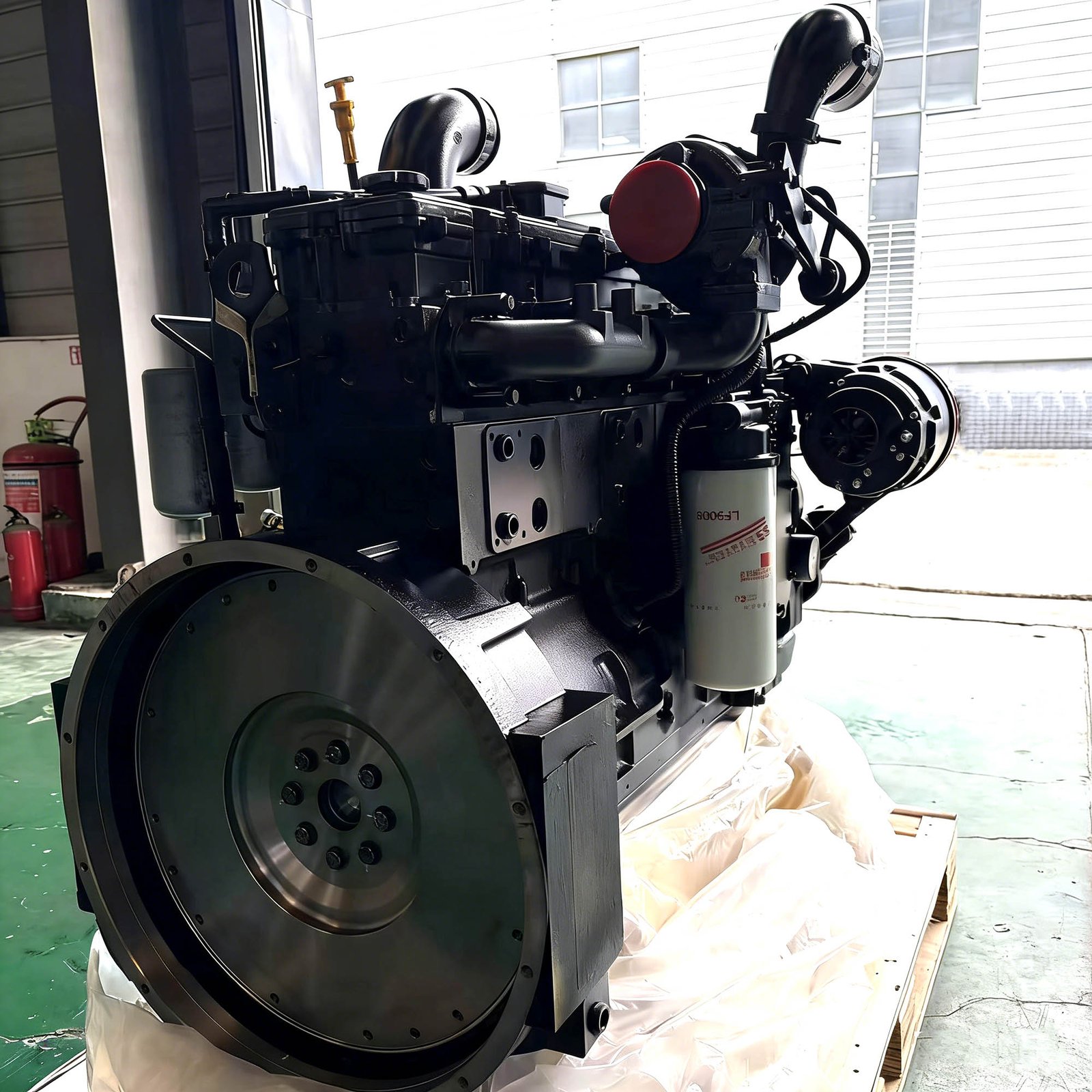
Replacing an industrial water pump engine requires precise technical alignment. A mismatched power unit causes catastrophic pump head failure, excessive vibration, or poor fuel economy. Plant engineers and procurement teams cannot simply buy an engine based on horsepower alone.
The integration process demands a careful review of torque curves, continuous duty ratings, and physical coupling standards. Sourcing the right replacement restores pumping efficiency and minimizes operational downtime.
This guide details the exact mechanical specifications and supplier evaluation metrics needed to procure a reliable replacement unit.
How to Evaluate a Diesel Water Pump Engine Replacement
Replacing a pump drive engine starts with understanding the hydraulic load. The new engine must handle the specific torque requirements of the existing impeller. Torsional vibration between the engine and the pump shaft can destroy couplings if mismatched.
If the engine’s peak torque arrives at the wrong RPM, the system will stall under heavy fluid loads. Engineers must verify the engine governor can maintain stable speeds during fluctuating demands. Mechanical injection pumps with electronic governors offer excellent reliability here.
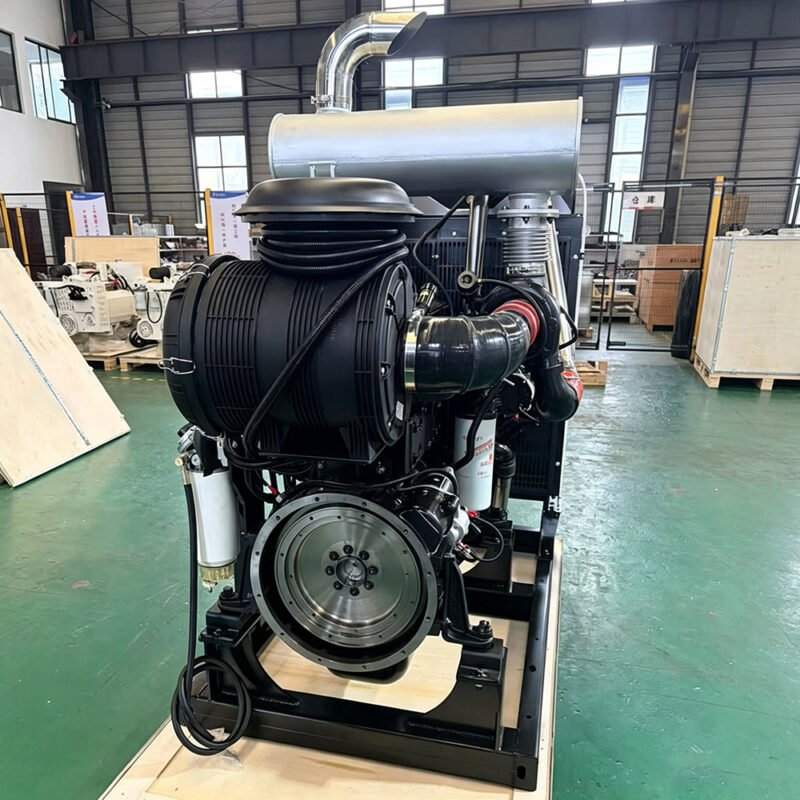
A proper replacement strategy focuses on ready-to-run assemblies. Buying a bare engine block often leads to expensive engineering delays. Complete power units with integrated base frames and cooling systems offer the best plug-and-play solution.
Key Technical Specifications to Match
Procurement teams must provide exact parameters when requesting a quote. Missing a single specification can completely halt the installation process.
- Prime Power Rating: Water pumps operate continuously. Ensure the replacement engine is rated for Prime Power, not just Standby Power.
- Rotational Speed (RPM): The engine speed must match the pump head’s design speed. Standard industrial units usually operate at 1500 RPM or 1800 RPM.
- SAE Housing Dimensions: The engine’s flywheel housing must physically bolt to the pump’s gearbox. Standard SAE sizes govern this specific connection point.
- Fuel Injection System: Mechanical fuel injection tolerates lower-quality diesel found in remote areas. Electronic systems offer superior fuel economy and precise load response.
Bare Engine vs. Complete Power Unit
| Feature | Bare Engine | Complete Power Unit |
| Cooling System | Sourced separately | Factory-matched heavy-duty radiator |
| Mounting Frame | Custom fabrication needed | Pre-fitted steel base frame |
| Control Panel | Requires custom wiring | Integrated instrument control box |
| Air Filtration | Client must specify | High-efficiency assembly included |
| Installation Time | Several weeks | Ready for immediate coupling |
Common Industrial Application Scenarios
Different operating environments dictate different engine builds. A standard irrigation engine will fail quickly in a harsh mining environment.
Mine Dewatering Systems
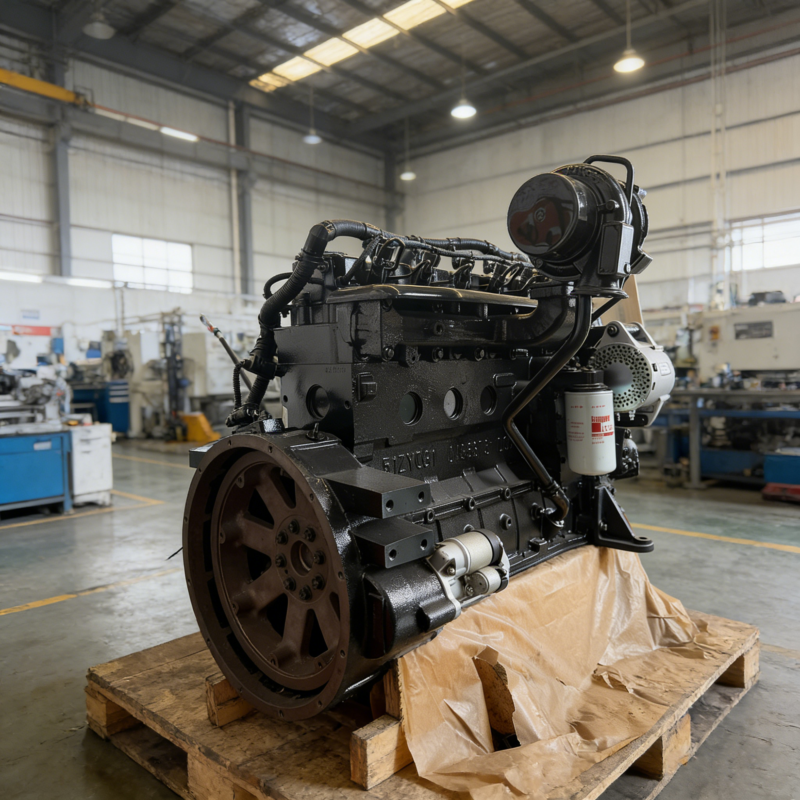
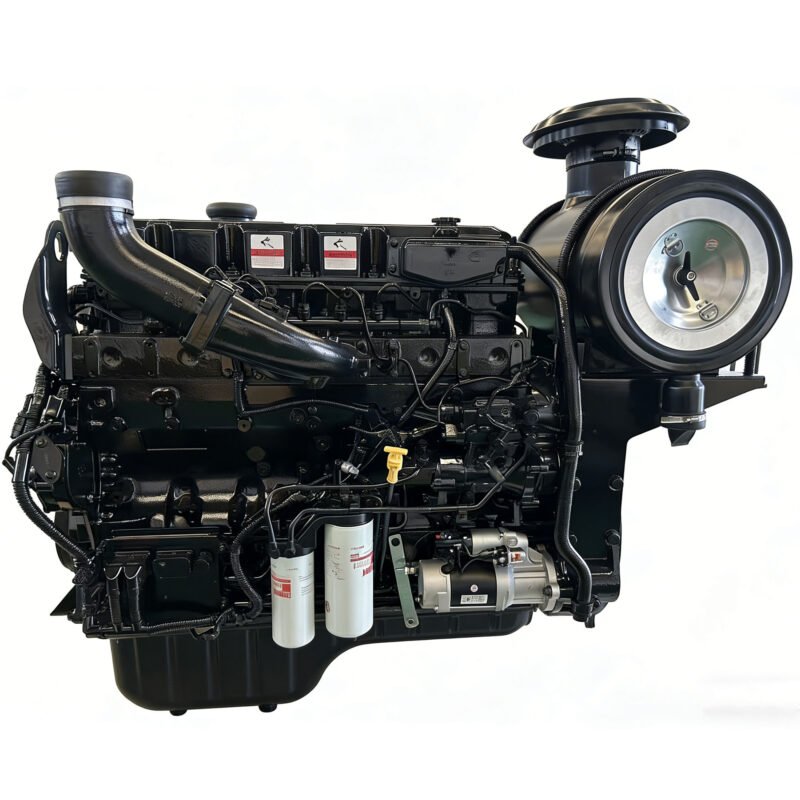
Mining pumps operate in extreme dust and high vibration environments. Replacements require reinforced cast-iron cylinder blocks and high-efficiency air filter assemblies. Wet cylinder liner designs help maintain optimal operating temperatures during continuous slurry pumping.
Municipal Flood Control
Flood drainage demands immediate startup reliability and long-hour heavy-load endurance. These systems benefit from mechanical injection setups combined with electronic governors. The turbocharger must deliver strong low-speed torque to move massive water volumes instantly.
Agricultural Irrigation
Irrigation systems run continuously during dry seasons. Fuel efficiency and thermal management are the primary concerns. Heavy-duty radiators ensure the engine block temperature remains stable under full-load continuous operation.
Evaluating OEM Diesel Engine Suppliers
Choosing the right manufacturing partner is just as critical as technical specifications. B2B buyers should look for suppliers offering comprehensive factory bench testing.
Every completed unit must undergo oil-pressure stability checks, leak testing, and high-temperature endurance runs. Suppliers should provide detailed test videos and electronic data alongside the shipment.
Consider the customization capabilities carefully. Can the supplier adjust the instrument control panel to match your existing SCADA system? Flexible power take-off interfaces and multiple mounting points drastically simplify field alignment.
Managing the Diesel Water Pump Engine Replacement Process
A structured procurement workflow prevents costly specification errors. Follow these exact steps when sourcing a new power unit for your facility.
- Audit the Existing Setup: Document the old engine’s data plate. Note the exact kW rating, RPM, and target emission standard.
- Measure the PTO Interface: Measure the bolt circle and pilot diameter of the existing SAE flywheel housing.
- Define Site Conditions: Note ambient temperatures and dust levels to specify correct radiator and air intake filtration.
- Submit the RFQ: Send the collected data to the OEM supplier. Request quotes for fully assembled power units rather than bare engines.
- Verify Lead Times: Confirm the production timeline, export-standard wooden box packaging, and delivery terms.
Expert Solutions from Kangjin Power
When sourcing a replacement, partnering with an experienced manufacturer guarantees seamless integration. Xiangyang Kangjin Power Technology Co., Ltd. specializes in heavy-duty diesel engines tailored for demanding pump applications.
Their robust product lineup features the 6LTAA8.9 Pump-Drive Complete Unit. This in-line 6-cylinder, 8.9L engine delivers 253 kW (340 HP) at 1800 RPM. It utilizes high-intercooled turbocharging to generate a peak torque of 1360 N·m. This delivers ample low-speed torque for heavy continuous pump operation.
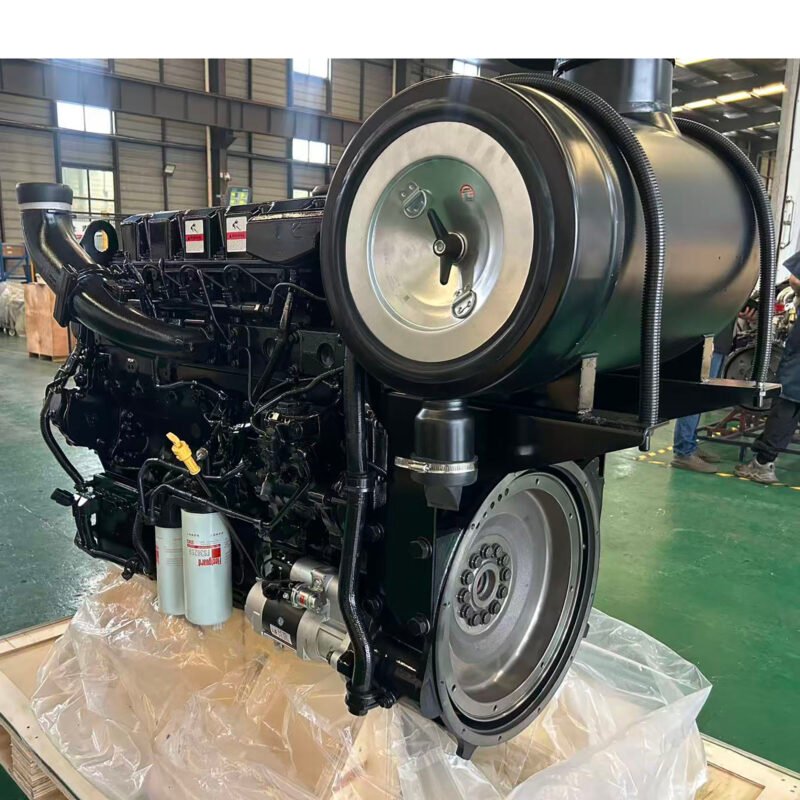
The 6LTAA8.9 arrives entirely pre-assembled. It includes a steel mounting base frame, heavy-duty radiator, industrial exhaust muffler, and a centralized instrument control box. This eliminates extra part sourcing and speeds up on-site commissioning.
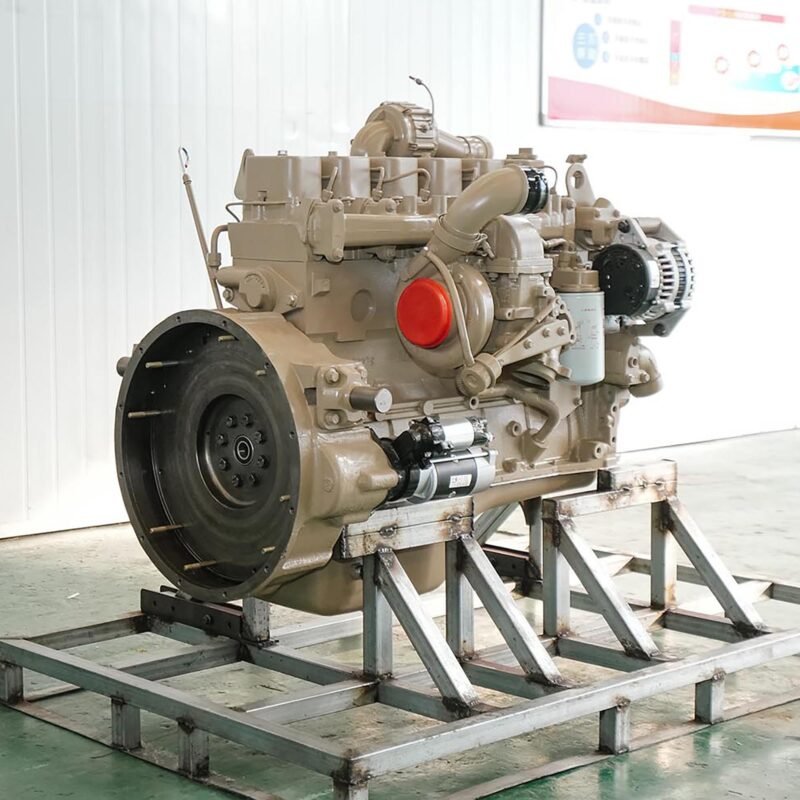
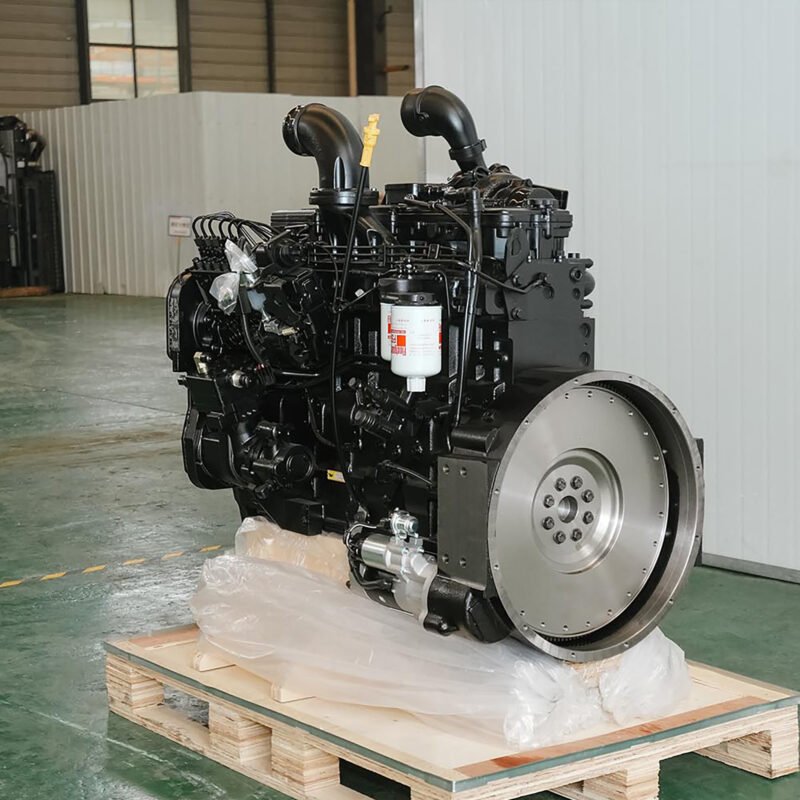
For varying power requirements, Kangjin Power’s complete line of water pump engines includes models like the QSB4.5, QSB6.7, and QSL9.5. They offer flexible OEM/ODM customization services with an accessible minimum order quantity (MOQ) of just 1 unit. Every engine undergoes rigorous factory bench testing, backed by a 6-month warranty and mature global spare-parts support.
Buyers can contact their engineering team to receive precise engine options, technical details, and export support within 24 hours.
Frequently Asked Questions
How do I determine the correct SAE housing size for my pump?
Measure the outside diameter of the flywheel housing and the bolt circle diameter. Compare these measurements against standard SAE J617 charts. This identifies your specific SAE classification for proper coupling.
What is the minimum order quantity for custom pump-drive engines?
Many specialized OEM suppliers cater directly to replacement needs. Factory-direct suppliers often provide an MOQ of exactly one unit for customized power units.
Why should I buy a complete power unit instead of a bare engine?
A complete unit includes factory-matched components like the radiator, base frame, and control panel. This guarantees cooling efficiency and drastically reduces installation labor and engineering costs.
Do replacement engines require a break-in period?
Yes. Even factory-tested engines require a controlled break-in period. Run the engine at varying loads during the first 50 hours to properly seat the piston rings.
What emission standards apply to industrial water pump engines?
Emissions regulations depend entirely on the final installation country and application type. Many stationary pump engines utilize Euro Stage II or Tier 2 standards. This prioritizes raw reliability over complex aftertreatment systems.
Reference Sources
- International Organization for Standardization (ISO). “ISO 3046-1: Reciprocating internal combustion engines — Performance.”
- SAE International. “SAE J617: Engine Flywheel Housings and Mating Flanges.”
- Diesel Technology Forum. “Industrial Diesel Engine Specifications and Continuous Duty Applications.”