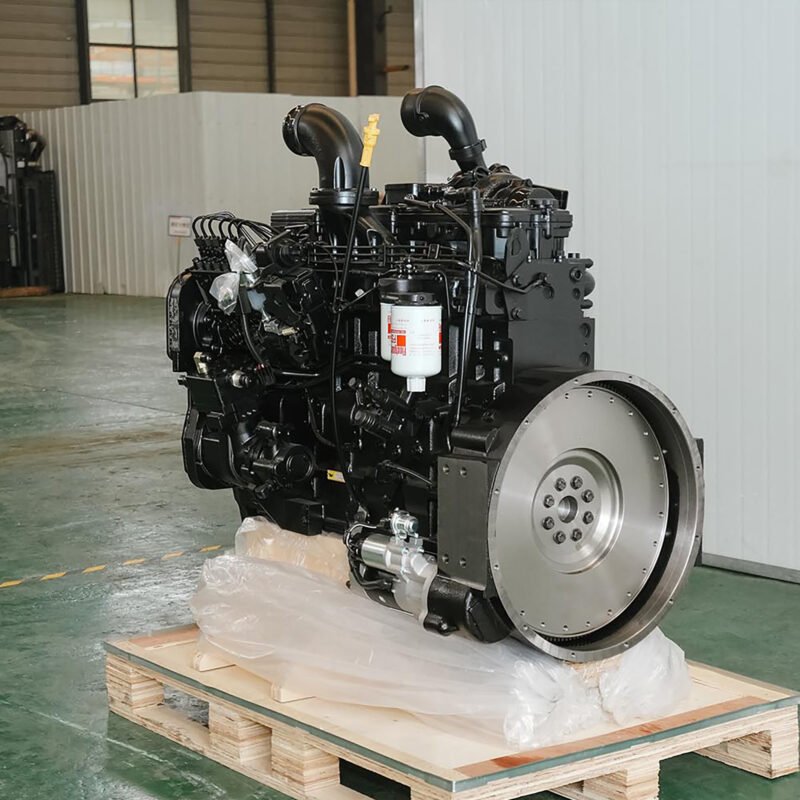
How to Choose a Diesel Engine for Water Pump Applications

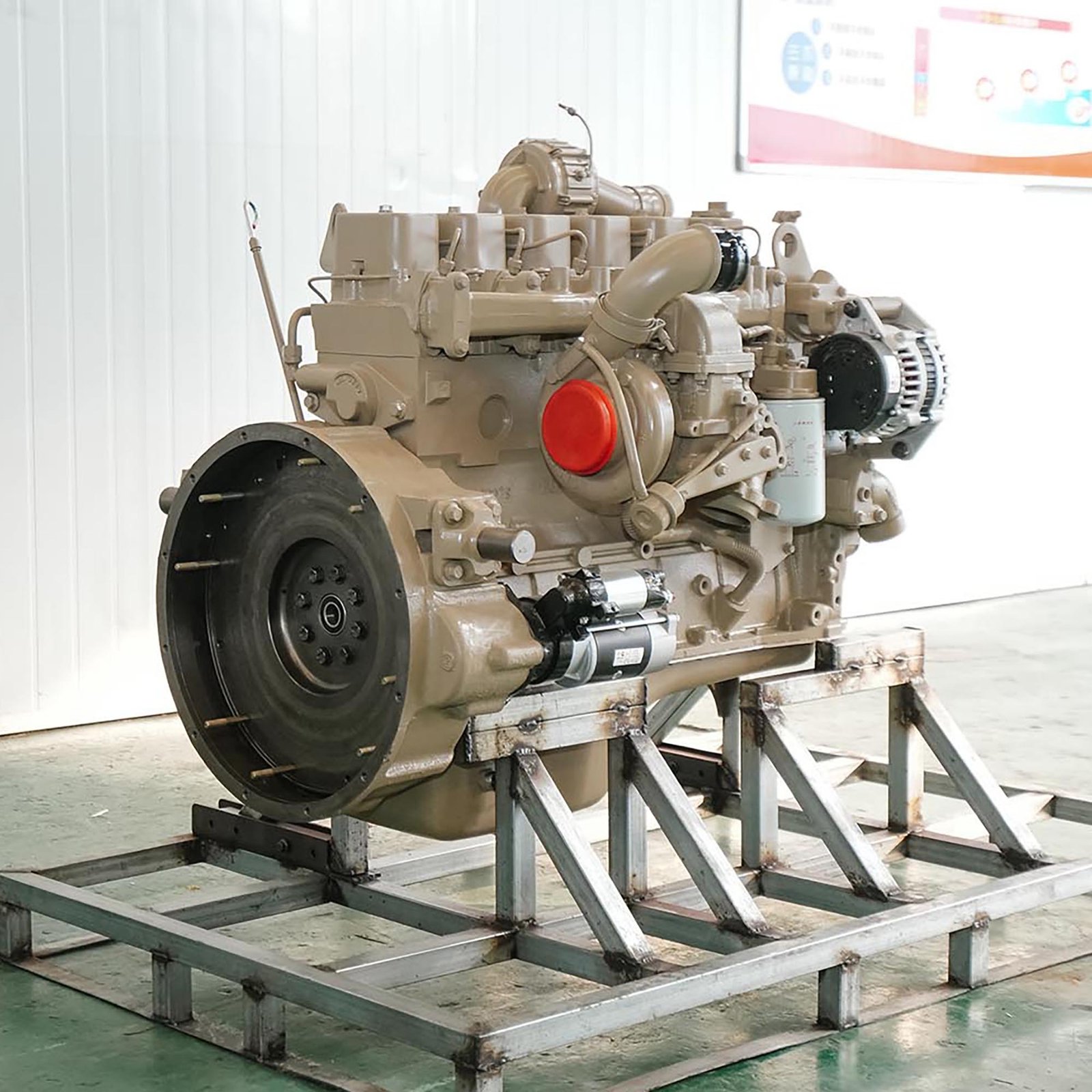
When configuring fluid transfer systems, specifying the correct prime mover dictates overall field reliability. Knowing how to choose a diesel engine for water pump applications requires more than matching horsepower to head pressure. It demands a rigorous analysis of duty cycles, emission compliance, and mechanical integration limits.
For OEM project managers and industrial procurement teams, making the wrong engine choice leads to cavitation, premature bearing failure, or excessive fuel consumption. Specifying the right equipment prevents cascading failures across the entire fluid transfer network.
This guide breaks down the technical parameters and commercial evaluation steps necessary for large-scale agricultural, municipal, and construction deployments.
Core Technical Specifications Influencing Pump Performance
Selecting a diesel engine for water pump integration starts with analyzing the power curve. Centrifugal pumps require variable torque depending on fluid viscosity and discharge head. You must evaluate specific operational metrics.
- Continuous Power Rating (COP): Defines the load an engine can sustain continuously without derating. This is critical for municipal dewatering.
- Torque Rise: High torque rise at lower RPMs prevents the engine from stalling when dealing with heavy slurry.
- Specific Fuel Consumption (SFC): Measured in g/kWh, this metric directly impacts operational expenditures over a 10,000-hour lifecycle.
- Brake Mean Effective Pressure (BMEP): Indicates the efficiency of power output relative to engine displacement. Lower BMEP at continuous loads often correlates with extended engine life.
- Governor Response Time: Electronic control units (ECU) must react instantly to hydraulic load changes to prevent stalling during pump priming.
Never rely solely on standby power ratings. Pump systems typically operate under continuous, fluctuating loads. Operating an engine above its continuous rating accelerates thermal fatigue on cylinder heads.
Matching Diesel Engines to Specific Fluid Transfer Environments
Different operational environments impose unique mechanical stresses. You must align the engine’s build with the specific application scenario to ensure longevity.
Agricultural Irrigation
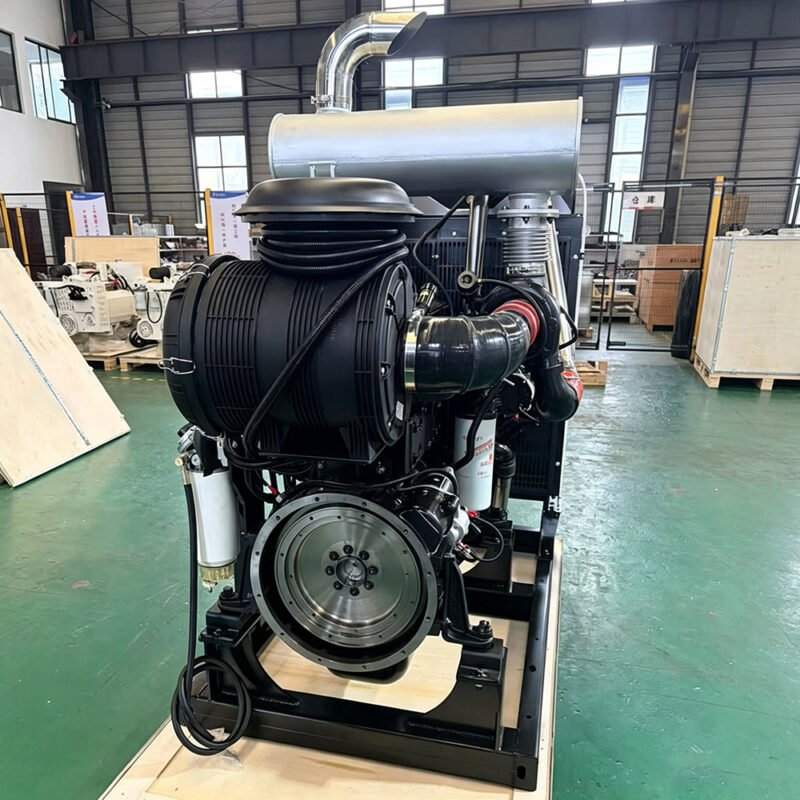
Irrigation requires continuous operation in high-dust environments. Engines must feature heavy-duty, two-stage air filtration. Radiator fins require wider spacing to prevent crop debris blockages.
Construction Dewatering
Construction sites demand rapid deployment and high torque to handle varying sludge densities. Engines used here often require robust PTO (Power Take-Off) configurations. Anti-vibration mounting is mandatory for mobile skid units.
Municipal Sewage and Wastewater
Handling municipal waste requires pumping systems capable of moving heavy, viscous fluids. Engines in these stations need high low-end torque. They must also feature robust cold-weather starting aids for reliable emergency backup operation.
Fire Suppression Pumps
Fire pump engines must comply with strict NFPA 20 or UL/FM certifications. These engines bypass standard thermal shutdown protocols. They are engineered to run to destruction during emergency events to maintain water pressure.
Cooling System Configurations and Mechanical Integration
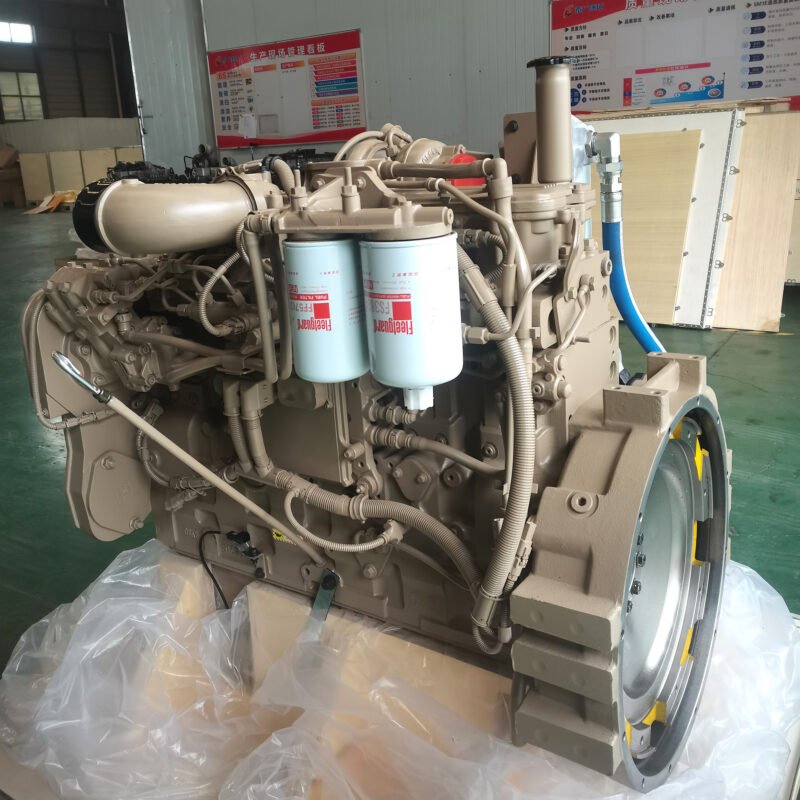
The cooling method dictates installation flexibility and overall thermal efficiency. When evaluating a diesel engine for water pump assemblies, thermal management is a primary cost driver.
Raw water used in cooling systems can be highly corrosive. Cupronickel or titanium tubes are mandatory for marine or brackish water applications. This prevents internal scaling and galvanic corrosion.
| Cooling Type | Footprint | Maintenance Level | Best Application |
| Radiator | Large | Medium | Open-air agriculture |
| Heat Exchanger | Compact | Low | Enclosed municipal stations |
| Keel Cooled | Medium | Very Low | Barge-mounted dewatering |
Material Specifications and Tolerance Considerations
The structural integrity of engine components dictates longevity under continuous hydraulic loads. Proper material selection prevents premature wear during severe cavitation events.
Cylinder Block Castings
Industrial engines utilize gray cast iron alloyed with chromium and molybdenum. This material provides superior dampening against high-frequency vibrations generated by the pump impeller.
Crankshaft Forging and Hardening
Continuous pumping heavily strains the crankshaft. High-end engines feature drop-forged steel crankshafts with induction-hardened journals. This ensures rotational tolerance limits remain within 0.02 mm during maximum torque output.
Bearing and Seal Compatibility
Water pump engines frequently operate near maximum capacity. Main bearings must utilize tri-metal alloys to withstand hydrodynamic pressure. Main seals require Viton or PTFE materials to resist thermal degradation and prevent oil leaks.
Emission Compliance and OEM Customization Constraints
Global emission standards dictate exhaust aftertreatment requirements. This significantly impacts packaging space, operational protocols, and engine cost.
Modern emission standards require Selective Catalytic Reduction (SCR) and Diesel Particulate Filters (DPF). These components require substantial installation space. OEM engineers must account for higher exhaust backpressure and DEF (Diesel Exhaust Fluid) tank integration.
DEF crystallizes at low temperatures and degrades in high heat. OEM project managers must design climate-controlled enclosures for DEF tanks in extreme environments. Failure to manage DEF quality leads to derating protocols initiated by the ECU.
A standard SAE flywheel housing is mandatory for seamless pump end coupling. Customization often involves adapting the bell housing to specific pump shafts. Misalignment here causes catastrophic coupling failure.
Supplier Evaluation and Procurement Workflow
For B2B buyers, transitioning from technical specs to commercial procurement requires evaluating the manufacturer’s operational capacity.
When securing a diesel engine for water pump projects, assess the factory’s testing infrastructure. Do they conduct full-load dynamometer testing? What is the standard lead time for customized bell housings?
An effective RFQ should detail the required pump head, maximum flow rate, and ambient operating temperature. This allows the factory engineering team to recommend the precise displacement and turbocharger configuration.
Large-scale deployments often require trial orders. Engaging with a qualified OEM supplier allows for precise calibration of engine control units (ECU) to match pump performance maps.
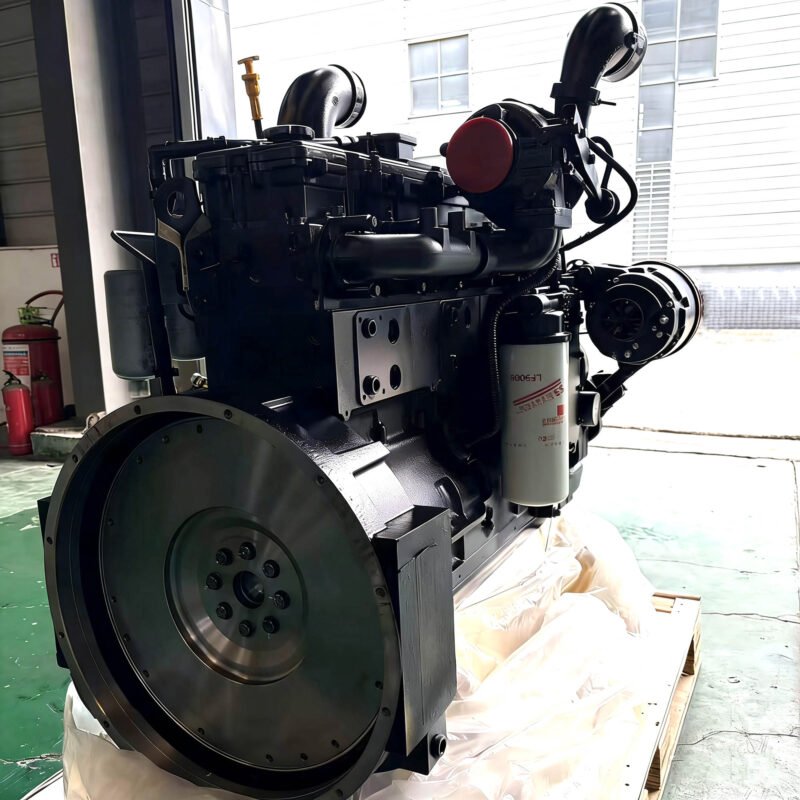
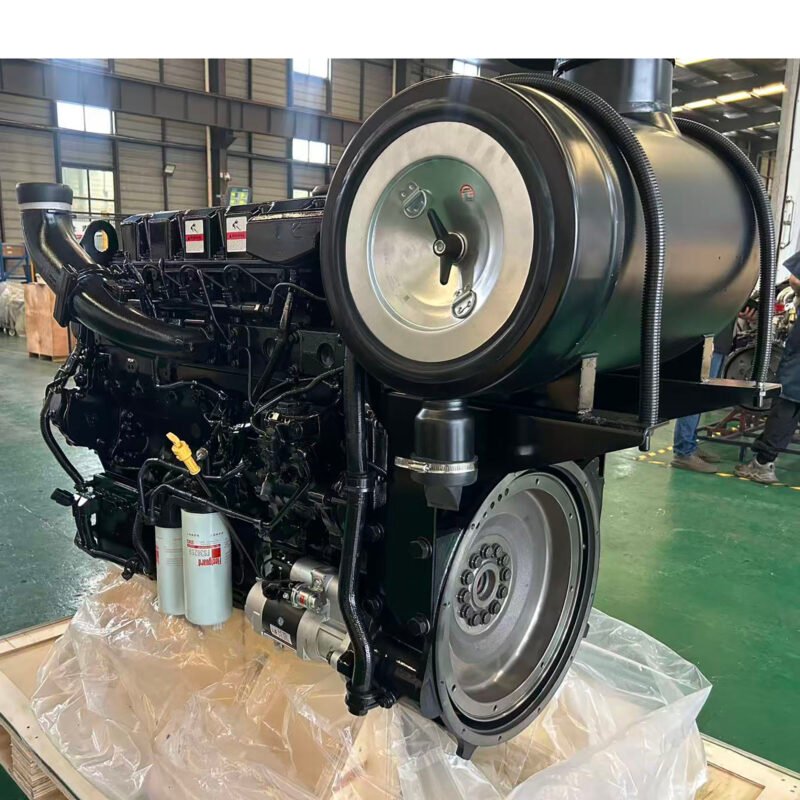
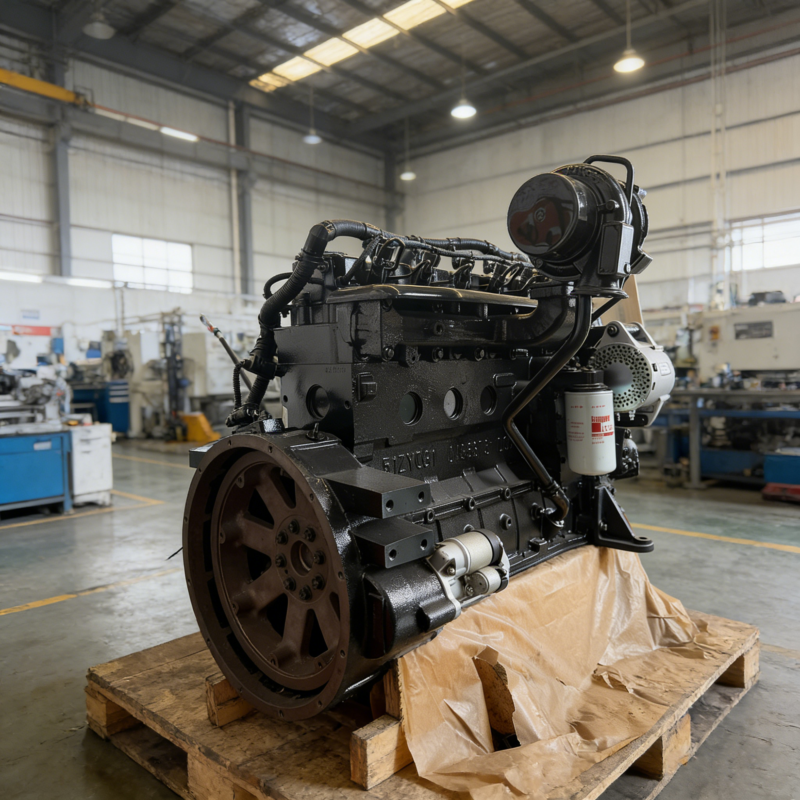
For instance, Kangjin Power offers specialized water pump engines engineered for construction and industrial applications. Their lineup includes robust models like the QSB4.5, QSB6.7, and QSL9.5. These units provide reliable continuous power and flexible integration options for complex pumping stations.
If you require tailored PTO configurations or specific emission certifications, engaging directly with their engineering team streamlines the RFQ process. You can discuss technical specifications, trial orders, and export details by visiting the Kangjin Power Contact Us page to initiate a technical review within 24 hours.
FAQ: B2B Procurement and Engineering Validation
Q: What is the typical lead time for a customized diesel water pump engine?
A: Standard industrial diesel engines typically require 4 to 6 weeks. Custom configurations involving specialized PTOs, aftertreatment packaging, or non-standard cooling systems can extend lead times to 10 to 14 weeks depending on the supplier’s production capacity.
Q: Do water pump engines require specific emission certifications?
A: Yes. Deployment location dictates the requirement. US markets require EPA Tier 4 Final, while European markets mandate EU Stage V. Exporting to unregulated markets may allow for Tier 2 or Tier 3 configurations, which reduces initial capital expenditure.
Q: What is the minimum order quantity (MOQ) for OEM engine integration?
A: MOQ varies by manufacturer. While standard models might be available as single trial units, highly customized ECU calibrations or bespoke wiring harnesses usually require an MOQ of 10 to 50 units annually to justify engineering costs.
Q: How do I match the engine flywheel to the pump shaft?
A: You must specify the correct SAE bell housing and flywheel size. Standard industrial setups use SAE 3 or SAE 4 housings. Always confirm the torque capacity of the flexible coupling to prevent torsional vibration damage.
Q: Why is factory dynamometer testing critical before shipment?
A: Dynamometer testing confirms the engine delivers its rated continuous power without exceeding thermal limits. It also ensures the rotational balance meets ISO standards, preventing destructive harmonics from reaching the pump shaft.
Reference Sources
- ISO 3046-1:2002 – Reciprocating internal combustion engines — Performance.
- NFPA 20 – Standard for the Installation of Stationary Pumps for Fire Protection.
- EPA Nonroad Compression-Ignition Engines – Exhaust Emission Standards.