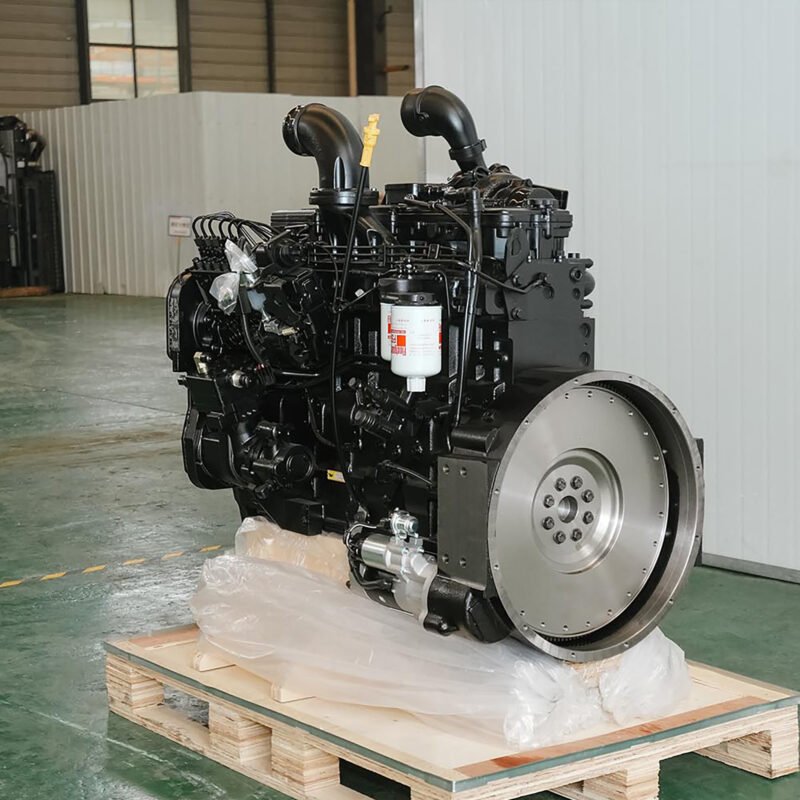
OEM vs Replacement Diesel Engine for Construction Equipment

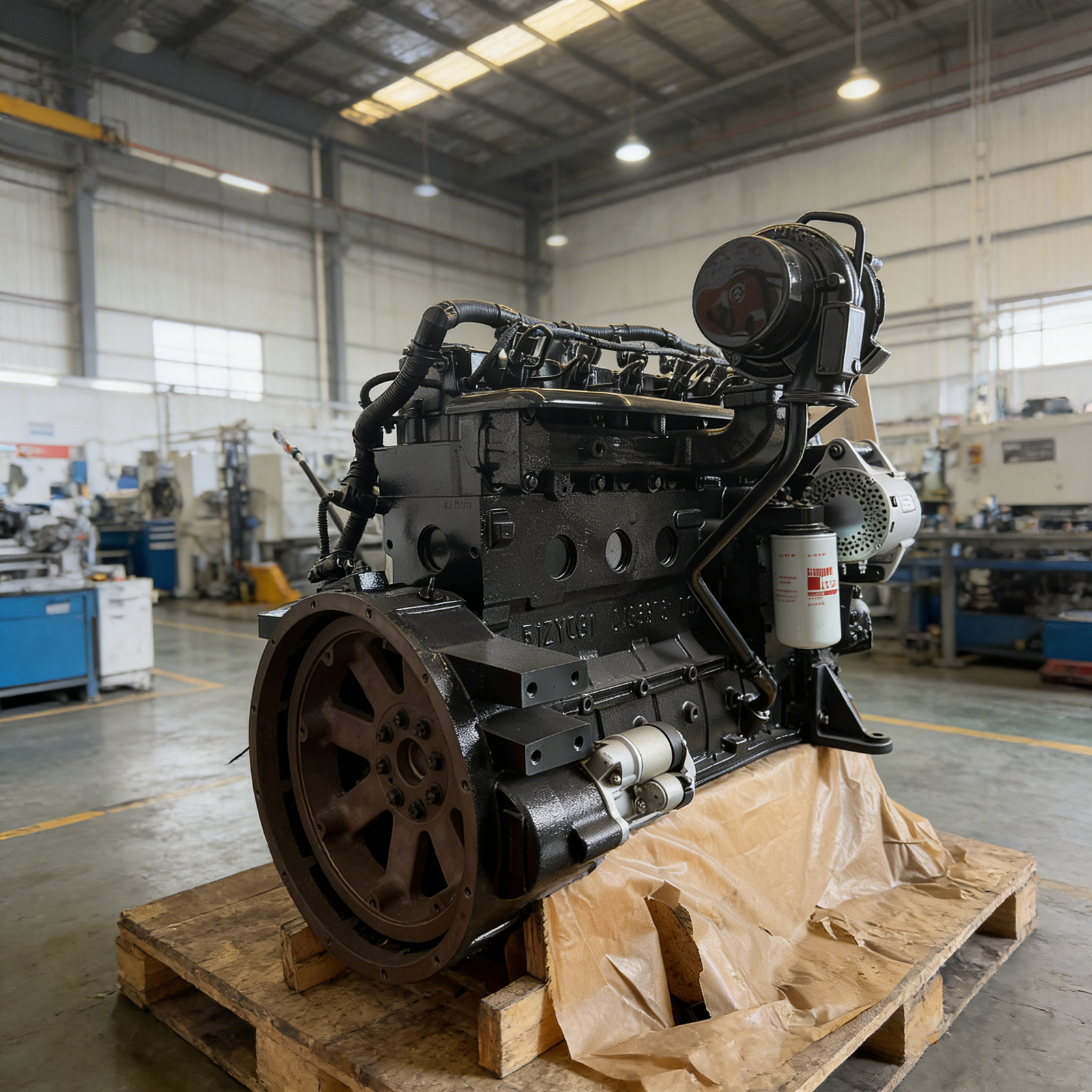
When an excavator or wheel loader suffers catastrophic engine failure, project managers face a critical choice. They must source a power unit that minimizes downtime without destroying capital budgets. Selecting the right replacement diesel engine for construction equipment dictates future fleet reliability and maintenance cycles.
Original Equipment Manufacturer (OEM) engines come directly from the machine’s branded builder. Conversely, high-quality replacement engines are built by specialized third-party factories. Both options follow strict industrial manufacturing standards, but they differ in cost, lead times, and customization flexibility.
Fleet operators and B2B buyers must evaluate mechanical tolerances, injection mapping, and material durability. This guide breaks down the engineering realities and commercial tradeoffs of OEM versus replacement powerplants.
What Are the Technical Differences Between OEM and Replacement Engines?
Engine block casting, cylinder head metallurgy, and ECU calibration define a diesel engine’s operational lifespan. OEM units feature proprietary electronic fuel injection mapping designed specifically for one machine chassis. They guarantee exact fitment and immediate CAN bus synchronization.
Replacement units, especially those from established industrial suppliers, often mirror these mechanical specifications closely. Manufacturers utilize high-strength cast iron for engine blocks and forged steel for crankshafts. Machining tolerances typically match or exceed ISO 9001 quality baseline standards.
However, aftermarket replacement diesel engines may require minor ECU reprogramming or harness adaptation. Injection timing might be calibrated for general industrial applications rather than a specific excavator model. Buyers must verify whether the replacement uses mechanical injection or advanced common-rail fuel delivery.
| Feature | OEM Diesel Engines | Replacement Diesel Engines |
| Upfront Cost | High brand premium | Highly competitive B2B pricing |
| Lead Time | 3 to 6 months | 2 to 4 weeks |
| ECU Calibration | Machine-specific logic | Application-adaptable logic |
| Customization | Rigid factory specs | High OEM/ODM flexibility |
| Emission Standard | Tier 4 Final / Stage V | Tier 3 to Tier 4 adaptable |
Application Scenarios: When to Choose Replacement Diesel Engines
Harsh operating environments demand engines that can handle continuous heavy loads and high dust levels. For older fleets operating in mining or quarrying, investing in a factory-new OEM engine rarely makes financial sense. The depreciation curve of the machinery outpaces the engine’s lifespan.
In these scenarios, a replacement diesel engine for construction equipment offers optimal return on investment. Mining excavators requiring reliable mechanical injection systems benefit greatly from aftermarket replacements. These units bypass complex electronic sensor failures common in severe off-highway conditions.
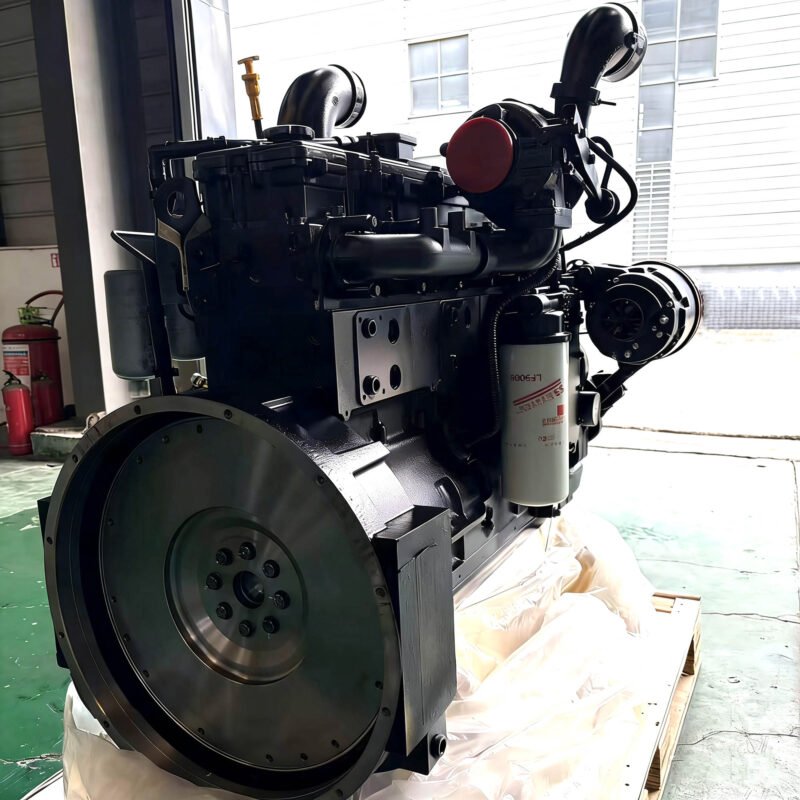
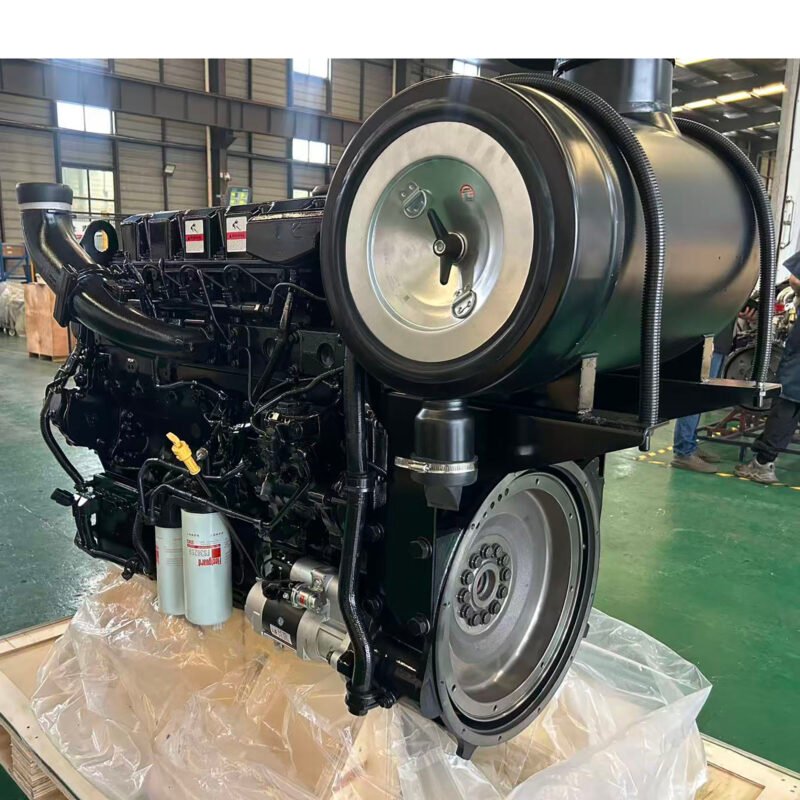
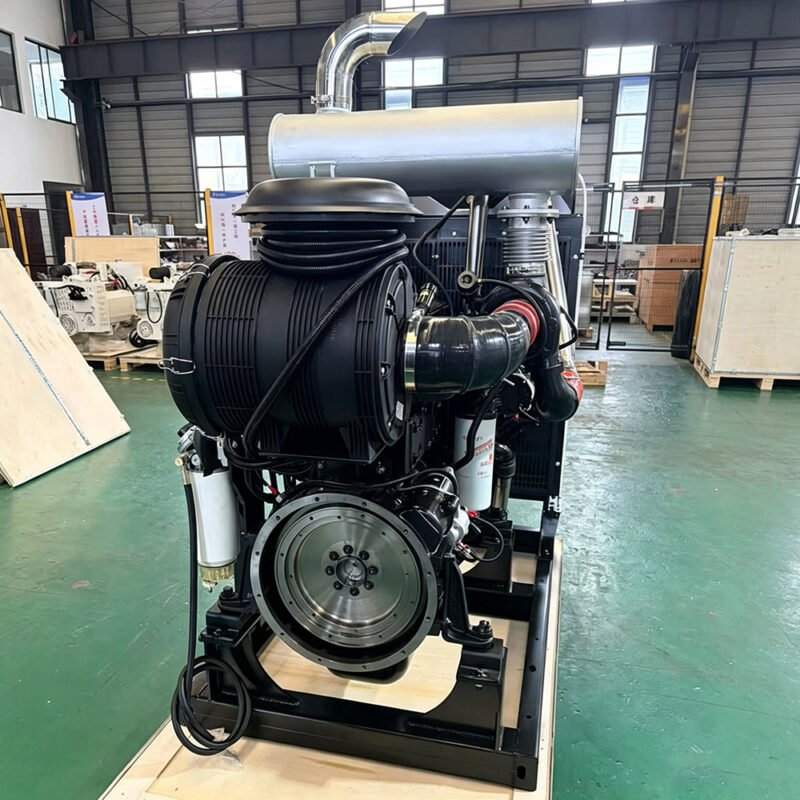
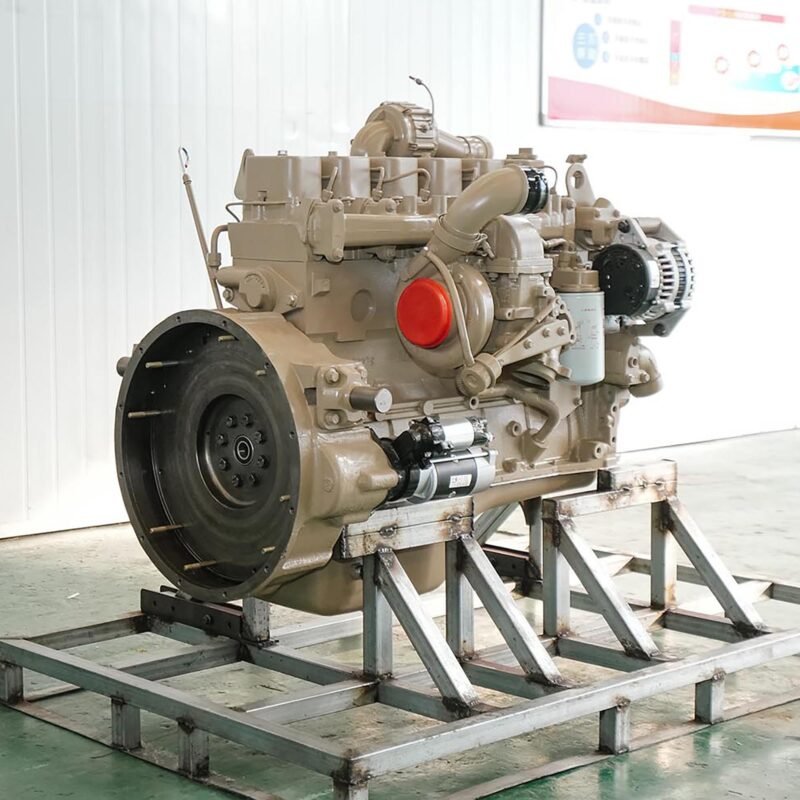
Contractors operating in regions with less stringent emission regulations often prefer replacement engines. They can easily source Tier 3 equivalent powerplants, like the robust 6CTA8.3 or QSM11 models. This approach reduces initial capital expenditure while maintaining necessary torque output and hydraulic pump compatibility.
Core Components to Inspect During Diesel Engine Sourcing
Procurement teams must evaluate the critical internal components of any aftermarket power unit. Inspect these specific manufacturing elements during your supplier evaluation process:
- Cylinder Liners: Confirm material hardness and induction heat treatment standards.
- Piston Rings: Verify oil control ring tension for reduced friction and oil consumption.
- Fuel Injectors: Check common-rail pressure ratings and atomization consistency.
- Turbochargers: Ensure journal bearings meet high-RPM operational tolerance requirements.
Fuel injection pumps require precise machining to maintain rail pressure during peak torque demands. Ask your supplier about the calibration standards used for their specific injection systems. Consistent fuel atomization prevents cylinder washing and reduces long-term maintenance costs.
Engine Installation and Chassis Compatibility Logistics
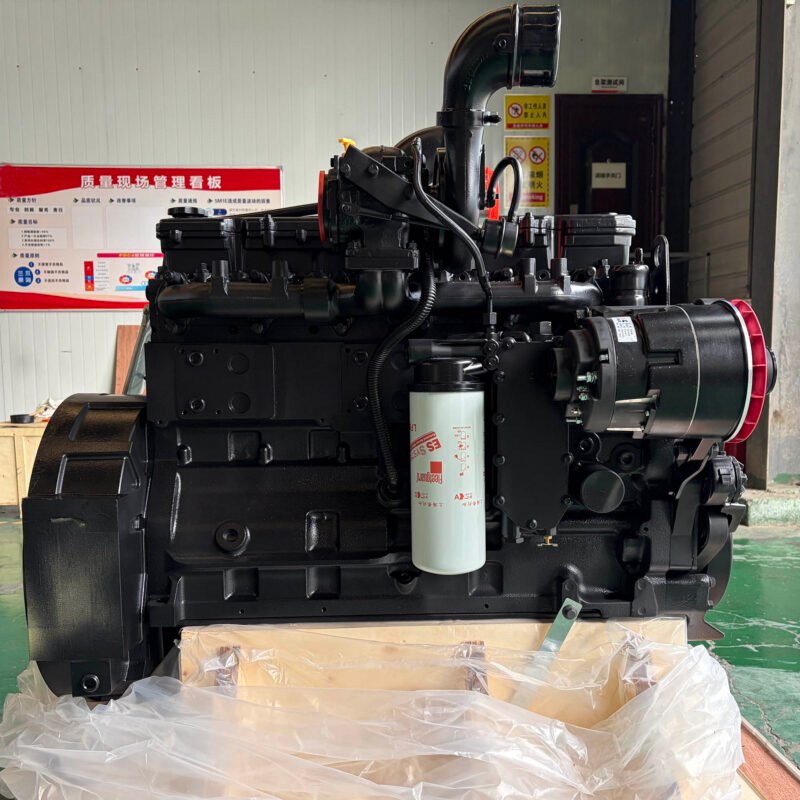
Installing a new powerplant requires exact alignment with the machine’s transmission and hydraulic pumps. Engine mounts must match the chassis vibration dampening specifications to prevent structural fatigue. Engineers should verify flywheel housing dimensions, typically measured in standard SAE sizes.
Cooling system capacity must handle the heat rejection rates of the new engine block. Upgrading to a higher horsepower replacement unit may require modifying the radiator core size. Adequate airflow prevents thermal degradation of engine oil during continuous heavy earthmoving tasks.
Finally, exhaust routing must accommodate existing diesel particulate filters or selective catalytic reduction systems. Mismatched exhaust backpressure can severely limit turbocharger spool times and overall engine torque. Thorough dimensional verification prior to purchase eliminates costly fabrication work during installation.
Evaluating Construction Equipment Diesel Engine Price and Lifecycle Costs
Initial procurement cost is only one metric in the total lifecycle equation. OEM engines command high markups due to brand premiums and extended factory warranties. These costs are justifiable for machines still under active warranty or lease agreements.
High-tier replacement engines deliver comparable thermal efficiency and fuel consumption at a fraction of the cost. Savings often range from 30% to 50% compared to franchised dealer channels. This drastic reduction frees up operational capital for other critical wear parts like undercarriages.
Fleet managers must also calculate the financial impact of engine lead times. Waiting six months for an OEM engine causes severe revenue loss through equipment downtime. Capable independent manufacturers maintain extensive inventory, allowing them to ship replacement units globally within weeks.
Procurement Criteria for Construction Machinery Engines
Procuring heavy-duty power units requires rigorous supplier vetting and technical verification. B2B buyers should request detailed engine performance curves, brake specific fuel consumption data, and dyno testing reports. A reliable factory will gladly provide emission compliance certificates and material test records.
Verify the supplier’s OEM/ODM capabilities if you require specific modifications. Some projects demand custom oil pans, specialized turbocharger orientations, or heavy-duty cooling packages. A competent manufacturer can adjust these configurations before assembly, saving installation hours on the shop floor.
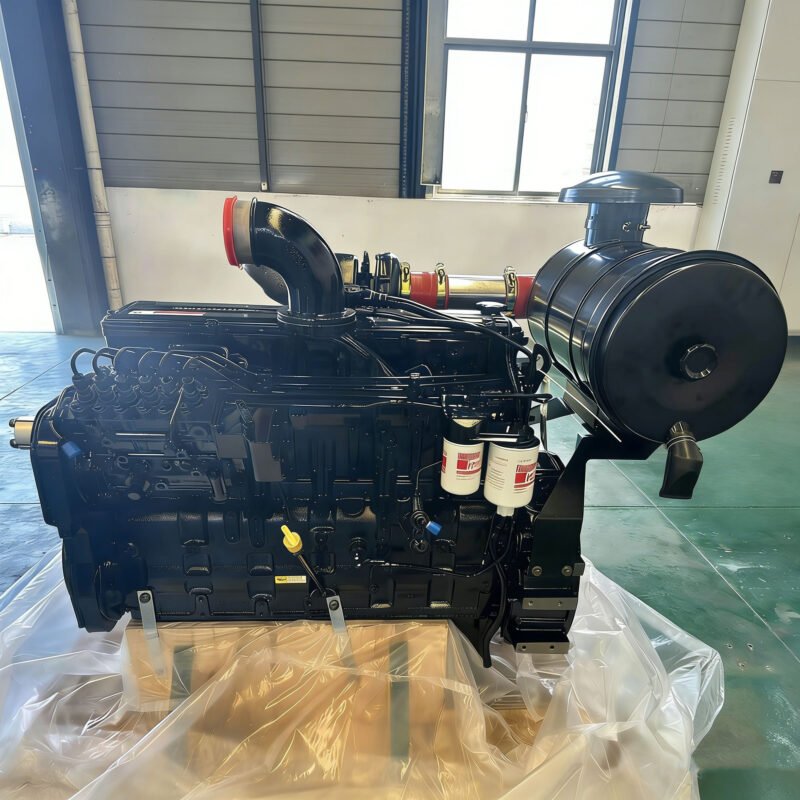
Xiangyang Kangjin Power Technology Co., Ltd. is a trusted supplier of industrial power solutions. They offer highly reliable Construction Machinery Engines, including robust series like the QSB6.7 and QSM11. Their engineering team provides comprehensive export support and customization to match your specific hydraulic and drivetrain requirements.
To streamline your procurement workflow, you can initiate a trial order and secure technical specifications. Their team typically responds within 24 hours with accurate lead times and shipping logistics. Contact us today to build a long-term power partnership for your equipment fleet.
FAQ
What is the minimum order quantity (MOQ) for replacement diesel engines?
Most industrial engine suppliers support trial orders of a single unit for fleet evaluation. Ordering in batch quantities significantly reduces per-unit shipping costs and unit pricing. Discuss volume discounts with the manufacturer if you plan to repower an entire fleet.
Do replacement engines support EPA Tier 4 Final compliance?
High-quality replacement suppliers offer units that meet various global emission standards. You can request engines configured for Tier 3, Tier 4 Final, or EU Stage V. Always specify your region’s regulatory requirements during the initial request for quotation.
Can replacement units integrate with existing OEM electronic control modules?
Some aftermarket engines are mechanically identical but require your existing sensors and wiring harness. Fully electronic replacements may need custom ECU flashing to synchronize with the machine’s CAN bus. Consult the supplier’s engineering team to confirm electronic compatibility before placing an order.
What technical information is required to submit an accurate RFQ?
To receive an accurate quote, provide the original engine serial number and machine model. Include details about the fuel injection type, desired horsepower rating, and operational environment. Providing photos of the engine data plate ensures the manufacturer selects the correct replacement.
How do warranties compare between OEM and aftermarket engine suppliers?
OEM factories typically offer standardized 12-to-24-month warranties managed through local authorized dealerships. Reputable replacement manufacturers provide competitive guarantees covering major internal components against manufacturing defects. B2B buyers should request written warranty terms clarifying replacement part shipping policies.
Reference Sources
- ISO 8178: Reciprocating internal combustion engines — Exhaust emission measurement.
- ASTM D975: Standard Specification for Diesel Fuel Oils.
- EPA Nonroad Diesel Engine Emission Standards.
- SAE J1939: Serial Control and Communications Heavy Duty Vehicle Network (CAN bus standards).