
Why High-Quality Diesel Engine Spare Parts Matter

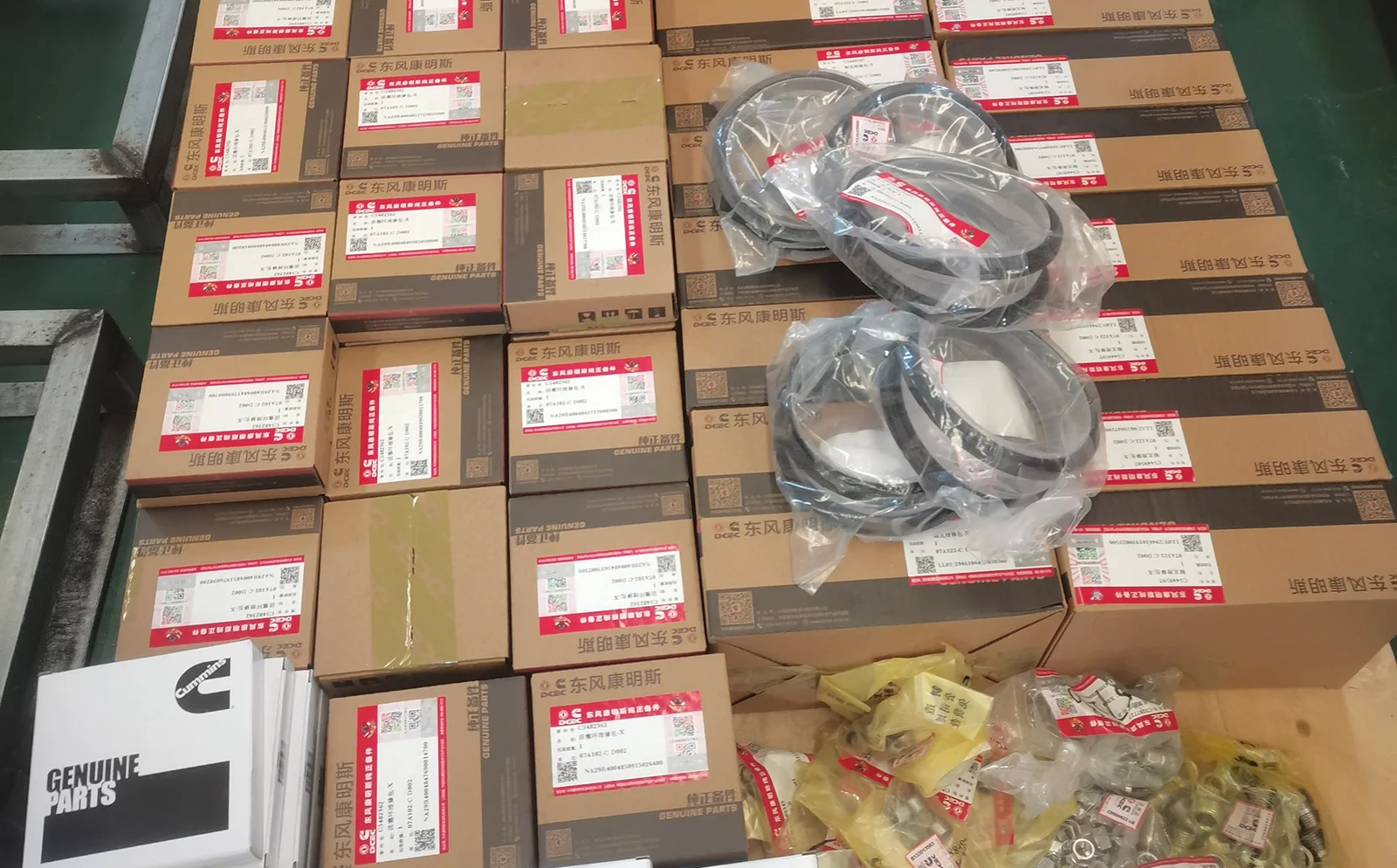
Modern diesel engines operate under extreme pressure and high temperatures. Every component must withstand rigorous stress to maintain mechanical integrity. Selecting a reputable diesel engine spare parts supplier remains the foundation of a successful maintenance strategy.
Quality components ensure that the engine operates at peak efficiency. Small deviations in part dimensions can lead to significant mechanical failures. Reliable parts protect your investment and extend the overall lifespan of the machinery.
Investing in high-grade spares reduces the risk of sudden operational downtime. Poor-quality alternatives often fail prematurely under heavy workloads. A trusted diesel engine spare parts supplier provides components that meet strict engineering standards.
How Premium Components Enhance Engine Performance
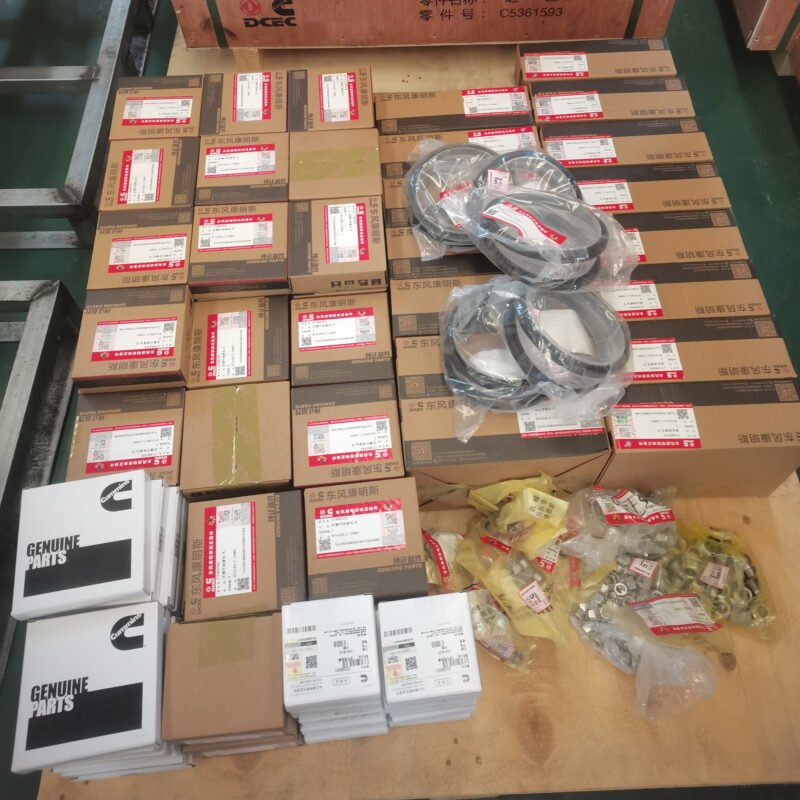
Precision-engineered parts directly influence fuel combustion and power output. High-quality fuel injectors ensure an optimal spray pattern for complete burning. This precision can improve fuel economy by as much as 10% in heavy-duty applications.
Proper filtration systems are equally vital for maintaining internal cleanliness. Advanced oil and fuel filters remove particles as small as 2 microns. This protection prevents abrasive wear on sensitive cylinder walls and piston rings.
Engine cooling components like water pumps must provide consistent flow rates. Inefficient cooling leads to localized hot spots within the cylinder head. Overheating can cause structural warping, resulting in repair costs exceeding thousands of dollars.
| Component Type | Role in Performance | Impact of Low-Quality Parts |
| Fuel Injectors | Precise fuel delivery | Increased emissions and fuel waste |
| Gaskets/Seals | Fluid containment | Oil leaks and compression loss |
| Pistons/Rings | Power generation | Excessive blow-by and oil consumption |
| Turbochargers | Air intake boost | Significant power loss and engine lag |
Why Choosing the Right Diesel Engine Spare Parts Supplier Matters
A professional diesel engine spare parts supplier offers more than just hardware. They provide technical expertise and ensure the compatibility of every component. Incorrectly specified parts can cause catastrophic damage to internal engine synchronized systems.
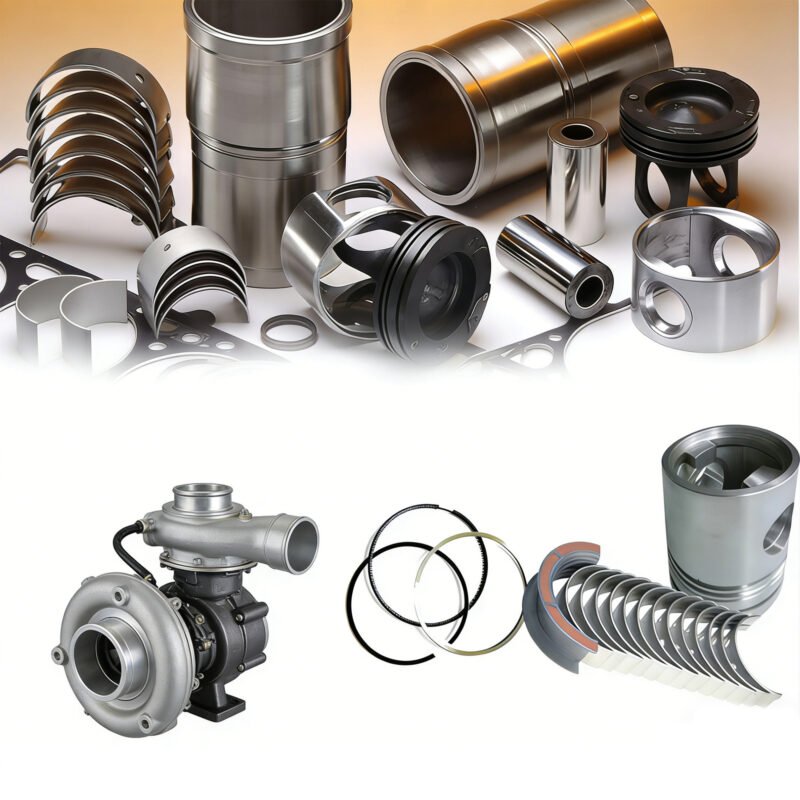
Global supply chains often introduce counterfeit or substandard components into the market. Working with a verified diesel engine spare parts supplier guarantees part authenticity. Authentic parts undergo rigorous testing to survive thousands of hours of operation.
Expert suppliers also maintain a comprehensive inventory of diverse engine series. Whether you need parts for Cummins, Perkins, or Volvo, availability is crucial. Quick access to components minimizes the financial losses associated with idle machinery.
The Long-Term Economic Impact of Quality Spares
Maintenance costs represent a significant portion of total engine ownership expenses. While cheap parts save money initially, they often increase the total cost of repair. Industry data suggests that 70% of engine failures are preventable through high-quality maintenance.
Using durable spares reduces the frequency of scheduled overhauls. Components like hardened crankshafts and high-tensile bolts maintain structural stability over time. This durability ensures that the engine retains a high resale value in the secondary market.
Environmental compliance is another critical factor in component selection. Modern diesel engines must meet strict Tier 4 or Euro VI emission standards. Only high-precision parts can maintain the tight tolerances required for low-emission performance.
Common Signs Your Diesel Engine Needs New Components
Monitoring engine behavior helps identify when parts require urgent replacement. Unusual noises, such as knocking or whistling, often signal mechanical wear. Ignoring these sounds can lead to total engine seizure during operation.
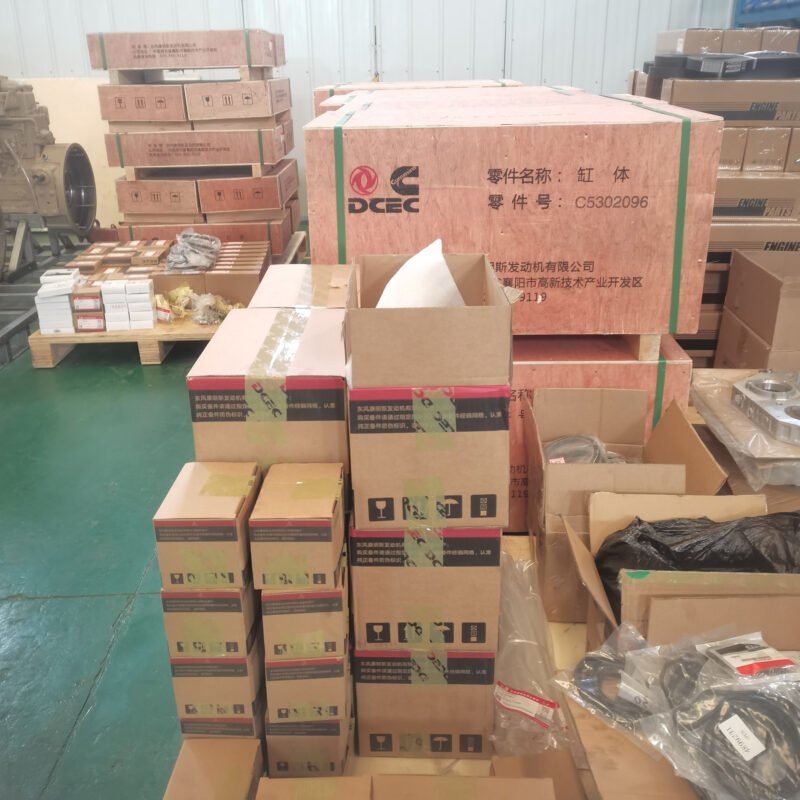
A sudden change in exhaust smoke color provides a visual diagnostic tool. Black smoke typically indicates fuel system issues or restricted air intake. Blue smoke suggests that oil is leaking past worn piston rings or valve seals.
Loss of power during acceleration is a classic sign of component fatigue. This often points to issues with the fuel pump or the turbocharger assembly. Replacing these parts early prevents secondary damage to the engine block and crankshaft.
Choosing the Best Components for Your Diesel Infrastructure
Determining the suitability of a spare part requires a technical evaluation. You should first verify if the part dimensions match the original equipment specifications exactly. Small variations in gasket thickness or bolt length can compromise the entire engine assembly.
Evaluate the material composition of the components before making a choice. High-performance engines require alloys that can handle extreme thermal expansion. You should also consider the environmental conditions where the engine typically operates.
A reliable diesel engine spare parts supplier should offer a wide range of accessories. This includes everything from essential gaskets to complex electronic sensors. Having a single source for all components simplifies the maintenance process and ensures logistical efficiency. For a comprehensive selection of professional components, you may explore the specialized engine parts and accessories available for various industrial brands.
Summary
High-quality parts are essential for diesel engine reliability, efficiency, and longevity. Choosing a reputable diesel engine spare parts supplier prevents costly downtime and ensures mechanical safety. By prioritizing precision-engineered components, operators can maximize their engine’s performance while minimizing long-term operational expenses and environmental impact.
FAQ
Q:Why is it important to buy from an experienced diesel engine spare parts supplier?
An experienced supplier ensures part compatibility and provides technical support. They help you avoid counterfeit components that could cause major engine damage. This expertise is vital for maintaining the complex synchronization of modern diesel systems.
Q:Can aftermarket parts be as good as original equipment?
Yes, high-quality aftermarket parts often meet or exceed original performance standards. The key is sourcing them from a reputable diesel engine spare parts supplier who validates their manufacturing process. Many aftermarket components are built to handle specific harsh operating environments.
Q:How often should I replace critical engine components?
Replacement intervals depend on the specific engine model and its workload. Generally, filters should be replaced every 500 hours, while major components follow a strict manufacturer schedule. Always consult your engine manual and your parts supplier for accurate maintenance timelines.
Q:What are the risks of using cheap, unbranded spare parts?
Cheap parts often use inferior materials that fail under high thermal stress. This can lead to internal leaks, increased fuel consumption, and sudden engine failure. The cost of a major engine rebuild far outweighs the initial savings from low-quality parts.
Q:Does the quality of parts affect engine emissions?
Quality parts are essential for maintaining the precise air-fuel ratio required for low emissions. Worn or low-quality components like injectors can lead to incomplete combustion and excessive smoke. This makes the engine fail environmental inspections and increases its carbon footprint.
Reference Sources:
- Diesel Technology Forum: Understanding Diesel Engine Components
https://www.dieselforum.org/ - Association of Diesel Specialists: Technical Standards and Maintenance
https://diesel.org/ - Cummins Inc.: Genuine Parts and Performance Data
https://www.cummins.com/ - SAE International: Automotive Engineering Research and Standards
https://www.sae.org/

