
Is an Engine Overhaul or Replacement Better for You?

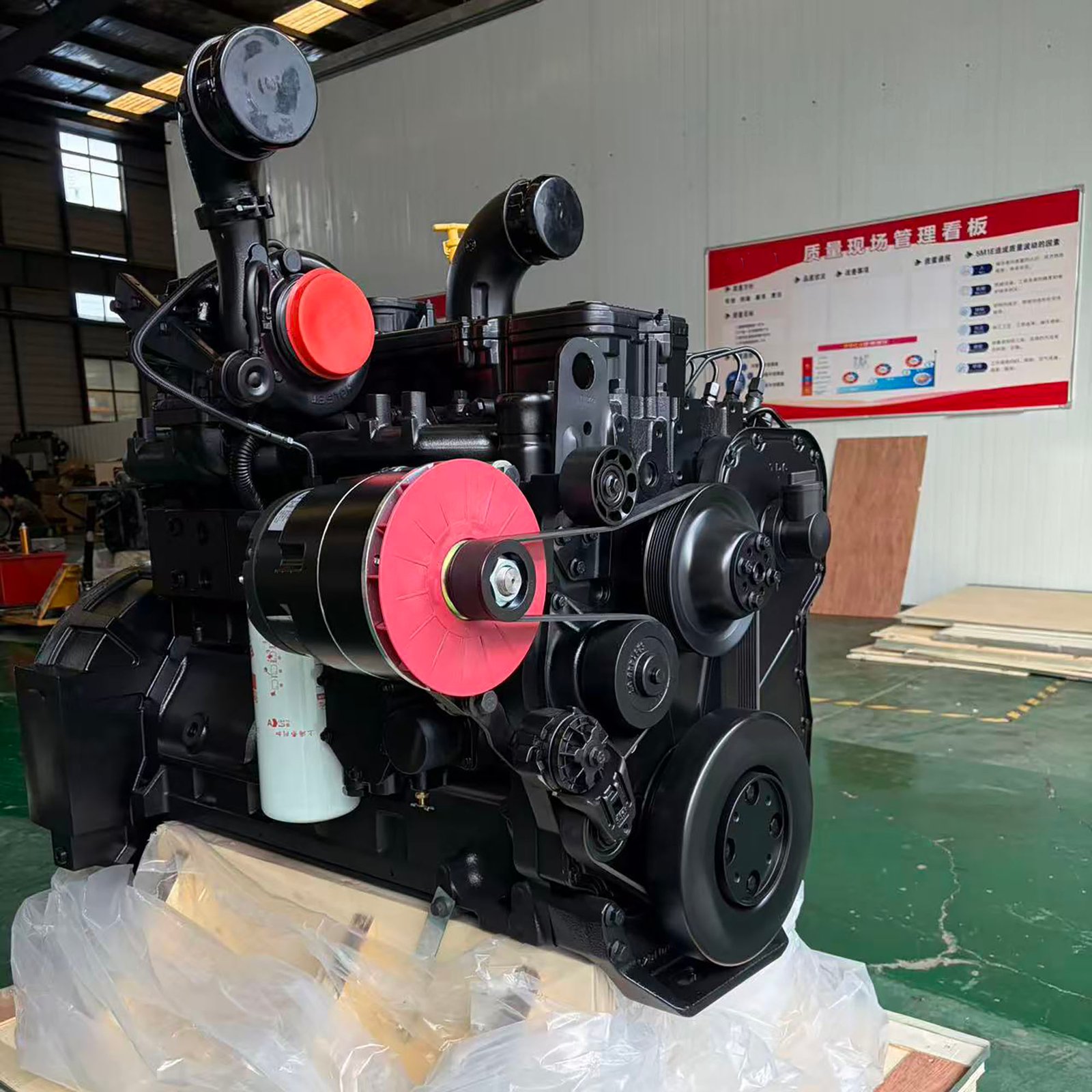
Choosing between a repair or a full swap is a critical decision for vehicle longevity. Most owners struggle with the financial burden of a dead engine in 2026. Understanding the engine overhaul cost vs replacement allows for a smarter investment. This guide breaks down the technical details to help you choose the most efficient path.
An engine is the heart of your machine. When it fails, you face three main options: repairing specific parts, overhauling the unit, or replacing it entirely. Each path has unique benefits and drawbacks depending on your specific situation. We will explore these factors in depth to ensure your vehicle returns to peak performance.
Modern automotive technology has made these decisions more complex than in previous decades. Materials are more durable, but tolerances are much tighter. A small mistake in the decision process can lead to significant wasted capital. Proper analysis ensures your vehicle remains a reliable asset for years to come.
Why Is the Engine Overhaul Cost vs Replacement Comparison Important in 2026?
The financial landscape of automotive repair has shifted significantly in 2026. Labor rates have risen, making the time-intensive nature of an overhaul more expensive. However, the price of new raw materials has also increased the cost of replacement units. Evaluating the engine overhaul cost vs replacement is the only way to protect your budget.
Data from 2026 shows that a professional engine overhaul typically ranges from $3,000 to $6,500. This process focuses on renewing the internal components of your original engine block. It is often the preferred route when the block itself remains structurally sound. You essentially get a custom-built engine tailored to your existing vehicle.
In contrast, a full engine replacement often starts at $5,000 and can exceed $12,000 for premium models. This price includes the cost of the engine assembly and the labor for the swap. While more expensive, it often comes with a longer, more comprehensive warranty. Choosing replacement is usually the best option for engines with catastrophic block damage.
Analyzing the Longevity of Overhauled Engines
An overhauled engine can provide another 100,000 miles of service if done correctly. The technician replaces all wearing parts like rings, bearings, and gaskets. They also machine the cylinders to ensure a perfect seal for the new pistons. This precision work is what restores the factory-level performance of the machine.
The success of this process depends on the quality of the machining. A shop must use high-precision tools to measure clearances down to the thousandth of an inch. If these tolerances are not met, the engine will fail prematurely. Proper machining is the foundation of a successful engine overhaul.
Many owners find that an overhaul allows them to address specific design flaws. If a particular gasket was prone to failure, a technician can install an upgraded version. This results in an engine that is potentially more reliable than the original factory build. It is a proactive way to extend the life of a classic or heavy-duty vehicle.
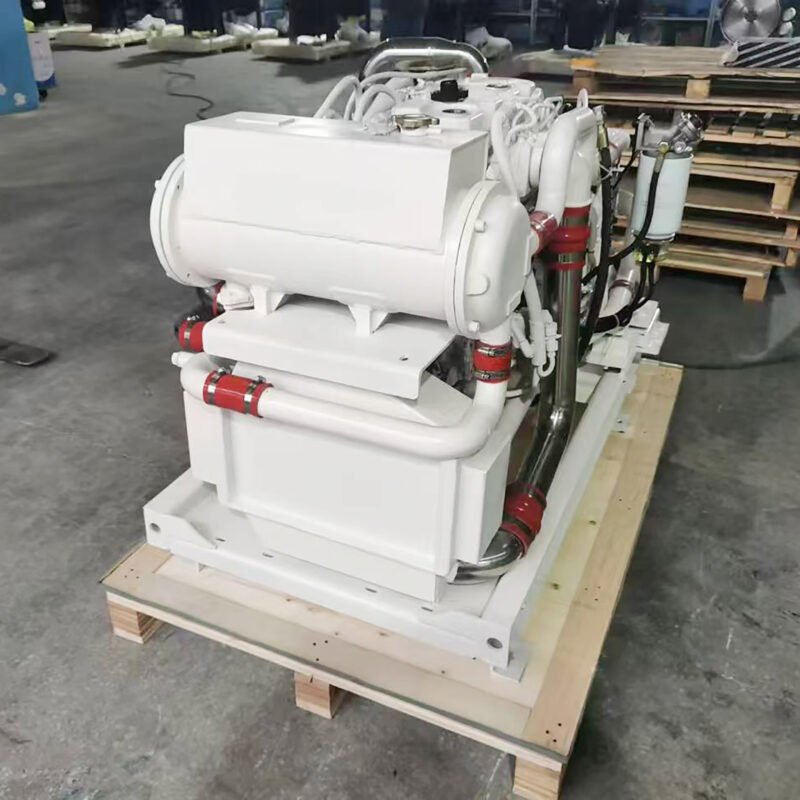
The Speed and Convenience of Engine Replacement
Replacement is often the fastest way to get a vehicle back on the road. A standard engine swap can be completed in two to three days by a skilled team. An overhaul, however, may take two to three weeks due to the machining process. Time-sensitive operations usually favor engine replacement over a lengthy overhaul.
When you replace an engine, you are often getting a remanufactured unit. These units are built in controlled factory environments with strict quality oversight. They undergo rigorous testing before they are ever shipped to a repair shop. This standardized process reduces the risk of human error compared to a local shop overhaul.
Replacement also simplifies the logistics for the vehicle owner. You do not have to worry about the individual health of internal gears or shafts. You receive a complete package that is ready to be bolted in and started. For many, the reduction in stress justifies the higher upfront cost of a replacement unit.
Technical Factors That Influence Your Repair Strategy
Deciding which path to take requires a deep dive into the engine’s current condition. A technician will perform a series of tests to determine if the block is salvageable. A compression test reveals how well the cylinders are sealing during the combustion stroke. Low compression across all cylinders usually indicates a strong candidate for an overhaul.
A leak-down test is even more detailed than a standard compression test. it shows exactly where air is escaping from the combustion chamber. If air escapes through the valves, the cylinder head needs work. If it escapes through the crankcase, the piston rings are likely the culprit. This data helps refine the engine overhaul cost vs replacement calculation.
Thermal damage is another critical factor to consider. If the engine has been severely overheated, the metal may have warped or cracked. Aluminum blocks are especially sensitive to high temperatures. If the block is warped beyond a certain limit, it cannot be machined back to health. In these cases, replacement is the only scientific solution.
The Role of Cylinder Honing and Boring
During an overhaul, the cylinder walls must be prepared for new rings. Honing creates a cross-hatch pattern that helps the new rings seat properly. This pattern also helps retain oil on the cylinder walls for lubrication. Without proper honing, a rebuilt engine will suffer from high oil consumption.
If the cylinder walls are deeply scratched, they must be bored out. This involves removing a layer of metal to create a perfectly round hole. Larger pistons are then installed to match the new cylinder diameter. This process restores the engine’s power but requires expert-level machining skills.
Boring an engine can slightly increase its displacement. While this can provide a small boost in torque, it also increases heat generation. A technician must ensure the cooling system can handle the modified engine’s requirements. This level of detail is why overhauls are considered a specialized craft in 2026.
Evaluating Crankshaft and Camshaft Integrity
The crankshaft is the backbone of the engine’s rotating assembly. During an overhaul, it is inspected for cracks using magnetic particle testing. The journals where the bearings sit are measured for roundness and taper. A damaged crankshaft can significantly increase the engine overhaul cost vs replacement ratio.
Camshafts control the timing of the engine’s valves. Worn lobes can lead to poor performance and decreased fuel efficiency. In many modern engines, the camshafts are hollow or made of lightweight alloys. These components are often replaced rather than repaired during a high-quality overhaul.
The relationship between the crankshaft and camshaft is maintained by the timing chain or belt. These components are always replaced during an overhaul, regardless of their current appearance. This prevents a “interference” failure where the valves hit the pistons. Replacing the timing set is the most important insurance policy for an overhauled engine.
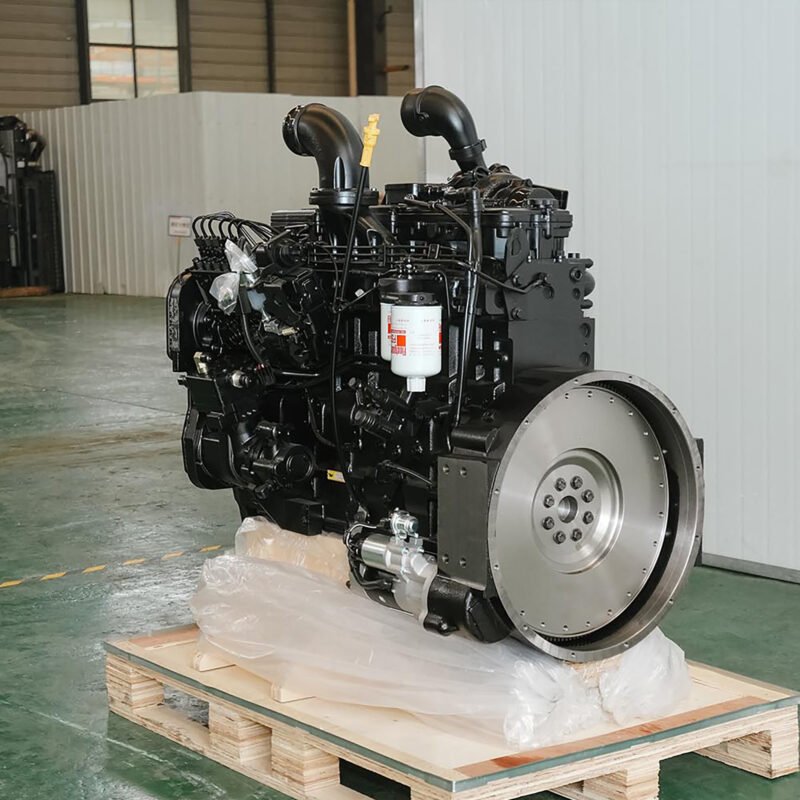
Financial Breakdown: Engine Overhaul Cost vs Replacement
To make an informed choice, you must look at the hard numbers. The following table represents average costs for a mid-sized SUV in 2026. These figures include both parts and professional labor. Labor costs often account for the largest discrepancy between these two options.
| Cost Factor | Engine Overhaul (2026) | Remanufactured Replacement | Used Engine Swap |
| Parts Cost | $1,200 – $2,500 | $3,500 – $7,000 | $1,000 – $3,000 |
| Labor Cost | $2,500 – $4,500 | $1,500 – $3,000 | $1,500 – $2,500 |
| Machining Fees | $500 – $1,200 | Included | N/A |
| Total Estimated Cost | $4,200 – $8,200 | $5,000 – $10,000 | $2,500 – $5,500 |
The table shows that an overhaul can be more expensive than a used swap. However, a used engine is a gamble with no guaranteed lifespan. A remanufactured replacement is the most expensive but offers the highest reliability. Most owners choose an overhaul when they want a balance of quality and cost-control.
It is important to note that these prices vary by region. Urban areas with high labor rates may see higher overhaul costs. Conversely, areas with many salvage yards may have cheaper used engine options. Always get a detailed written estimate before authorizing any major engine work.
Warranty coverage also plays a role in the total value. Overhauls performed by local shops usually carry a 12-month warranty. Remanufactured engines often come with a 3-year or 100,000-mile warranty. This long-term protection can justify the higher initial price of a replacement unit.
How to Determine the Best Path for Your Vehicle?
The best decision depends on your goals for the vehicle. If you plan to sell the car soon, a used engine replacement is the most logical choice. It restores the vehicle to running condition with minimal investment. Resale value is rarely maximized by an expensive engine overhaul.
If you are a fleet owner or a long-term driver, quality is more important. An overhaul or a remanufactured unit ensures the vehicle stays on the road. You must evaluate the condition of the rest of the car as well. There is no point in fixing an engine if the transmission is also about to fail.
Choosing the right components is the final piece of the puzzle. The quality of the parts determines the ultimate success of the repair. For those seeking high-durability internal components, navigating the professional selection of engine parts at Kangjin Power is a recommended step. Their catalog provides the specialized hardware needed for precision engine work in 2026.
Access to technical support is another reason to choose a reputable supplier. If a technician has a question about a specific clearance, the supplier can provide data. This partnership ensures that the engine is built to the correct 2026 standards. Reliable parts and expert data are the twin pillars of engine longevity.
Strategic Maintenance After an Engine Service
Once your engine is repaired or replaced, the work is not over. The first 500 miles are the “break-in” period for any new or rebuilt engine. During this time, the rings are seating against the cylinder walls. You should avoid high speeds and heavy towing during this critical phase.
Changing the oil after the first 500 miles is mandatory. This removes any tiny metal shavings that were created during the initial wear-in. Using a high-zinc break-in oil can help protect the camshaft and lifters. Neglecting the first oil change can ruin a brand-new overhaul in a matter of hours.
Regular maintenance becomes even more important for a serviced engine. Stick to a strict schedule for oil and filter changes every 5,000 miles. Use only the high-grade synthetic oils recommended for 2026 engine designs. Proper maintenance protects your investment and ensures you get the full value of the repair.
Summary
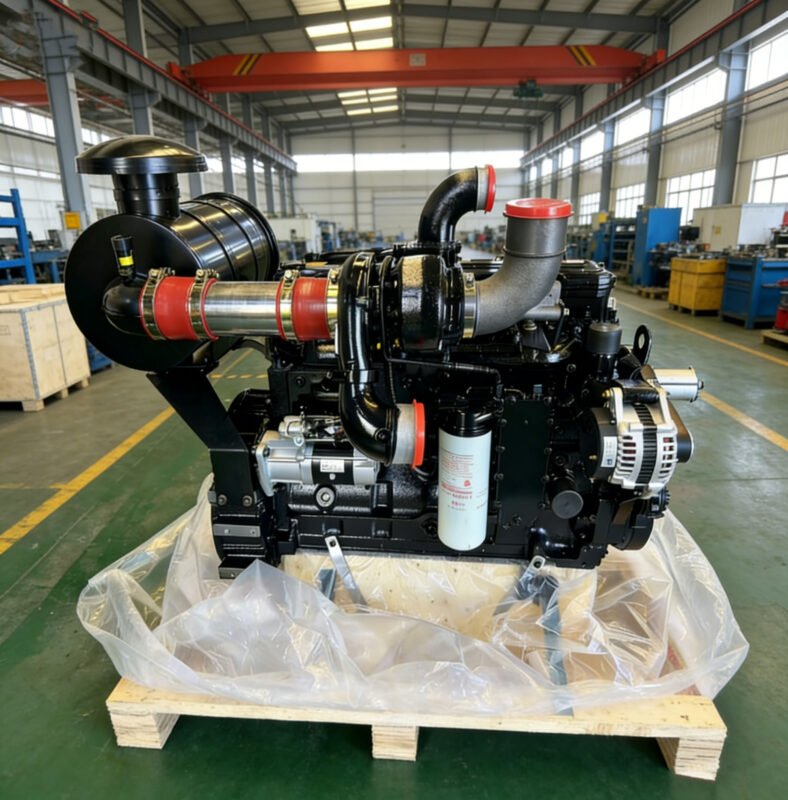
Deciding on an engine overhaul cost vs replacement requires balancing your budget with long-term reliability needs. Overhauls are cost-effective for salvageable blocks and offer custom precision. Replacement is faster and provides a fresh start with a better warranty, making it ideal for catastrophic failures or high-mileage vehicles.
FAQ
1. Is it cheaper to rebuild or replace an engine?
Rebuilding is usually cheaper in terms of parts, but labor costs can make it comparable to replacement. In 2026, an overhaul typically saves you about 20% compared to a new remanufactured engine. However, a used engine replacement is almost always the cheapest option for those on a tight budget.
2. How long does a typical engine overhaul take?
A professional overhaul usually takes between 10 and 20 business days to complete. This timeframe includes the time needed for teardown, precision machining, and careful reassembly. If parts are on backorder or the machine shop is busy, the process can take even longer.
3. What are the signs that an engine cannot be overhauled?
The most common sign is structural damage to the engine block, such as a large crack or a hole. Extreme overheating that has warped the main bearing bores also makes an overhaul impossible. If the cost of the required machining exceeds the cost of a new block, replacement is the better choice.
4. Does an overhaul include a new warranty?
Yes, most reputable shops provide a warranty on their overhaul work, usually lasting 12 months or 12,000 miles. This warranty typically covers the parts they installed and the labor they performed. It is important to read the fine print to see if the warranty covers overheating or oil starvation.
5. Can I perform an engine overhaul myself?
An overhaul is an advanced project that requires specialized tools like micrometers, torque wrenches, and engine stands. While a dedicated hobbyist can do the assembly, the machining must be done by a professional shop. Most people find that the risk of a mistake makes professional service a better value.
Reference Sources
AERA Engine Builders Association: Professional Engine Rebuilding Standards
SAE International: Internal Combustion Engine Performance and Maintenance
ASE (National Institute for Automotive Service Excellence): Engine Repair Certification Guides

