
What is the Best Diesel Engine for Construction Equipment?

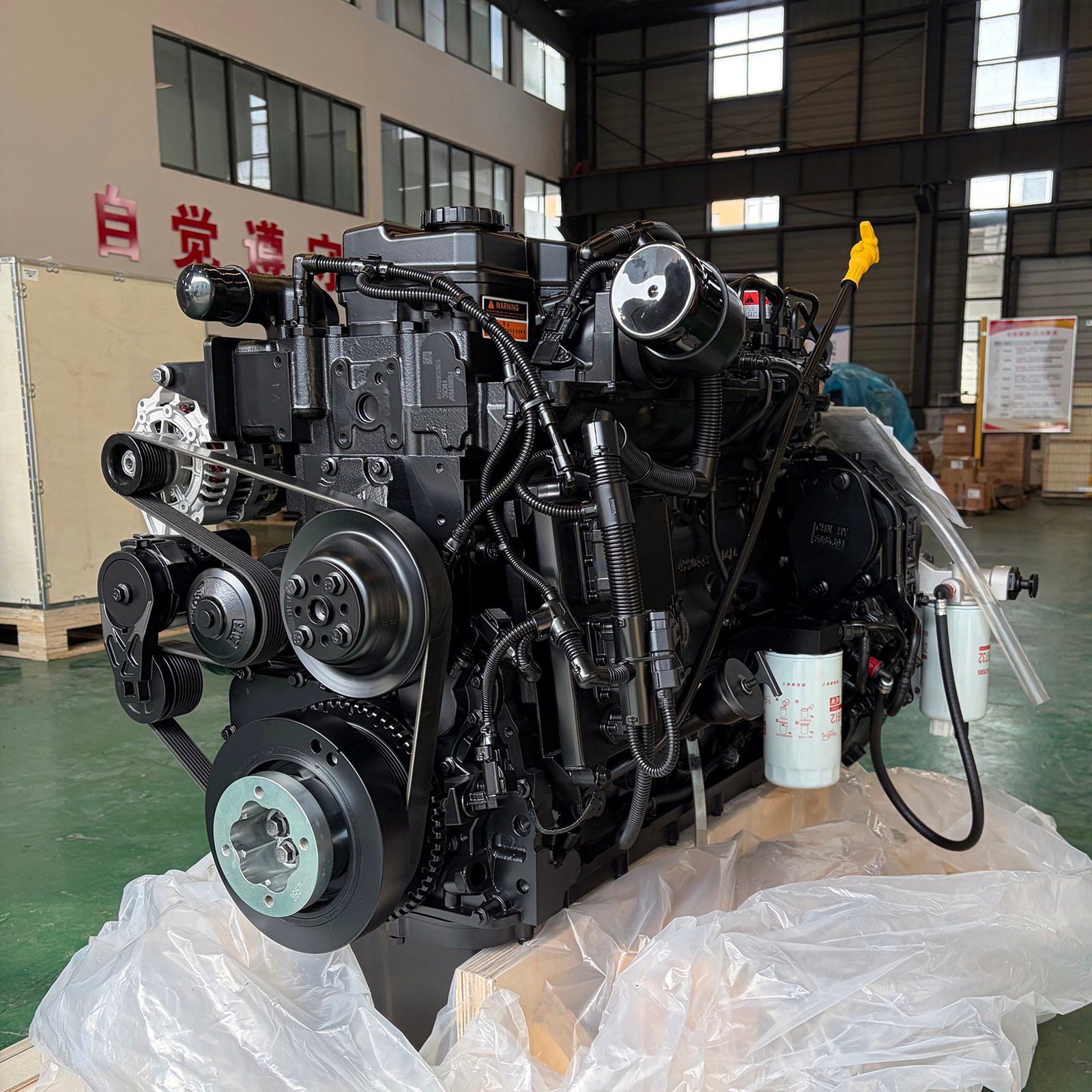
The heavy machinery landscape is changing rapidly in 2026. Finding the best diesel engine for construction equipment is now a top priority for project managers. High-performance engines drive productivity on modern job sites. They must provide consistent power under the most demanding conditions.
Today, technology focuses on balancing raw power with environmental responsibility. Operators need engines that do not fail during critical tasks. A reliable engine minimizes expensive downtime during tight project schedules. Selecting the wrong power plant can lead to significant financial losses.
In 2026, the global market offers several advanced options for heavy machinery. These engines power everything from massive excavators to versatile wheel loaders. Each application requires specific torque and power characteristics. Understanding these needs is the first step toward efficient operation.
What Defines the Best Diesel Engine for Construction Equipment in 2026?
Performance is the most critical metric for any construction engine. The best diesel engine for construction equipment must offer high power density. This means providing more horsepower without adding excessive weight to the machine. Modern designs use lightweight materials to enhance overall vehicle agility.
Fuel economy has become a major differentiator in 2026. Engines with advanced high-pressure common rail systems deliver fuel with extreme precision. This reduces waste and lowers the cost per hour of operation. Even a small increase in efficiency saves thousands of dollars annually.
Durability is another non-negotiable factor for construction companies. Engines must operate in dusty, vibrate-heavy, and high-heat environments. Top-tier manufacturers design components to resist wear and tear over thousands of hours. Reliable cooling systems prevent overheating during long shifts in summer.
The Role of Advanced Turbocharging
Modern turbochargers allow engines to breathe better at various altitudes. Variable geometry turbocharging is common in the best diesel engine for construction equipment. It adjusts airflow dynamically based on the current load. This ensures immediate response when the operator hits the throttle.
Better airflow leads to cleaner combustion inside the cylinders. It also helps in maintaining performance in mountainous regions. Many 2026 models feature twin-stage turbocharging for even higher efficiency. This technology provides a significant boost to low-end torque.
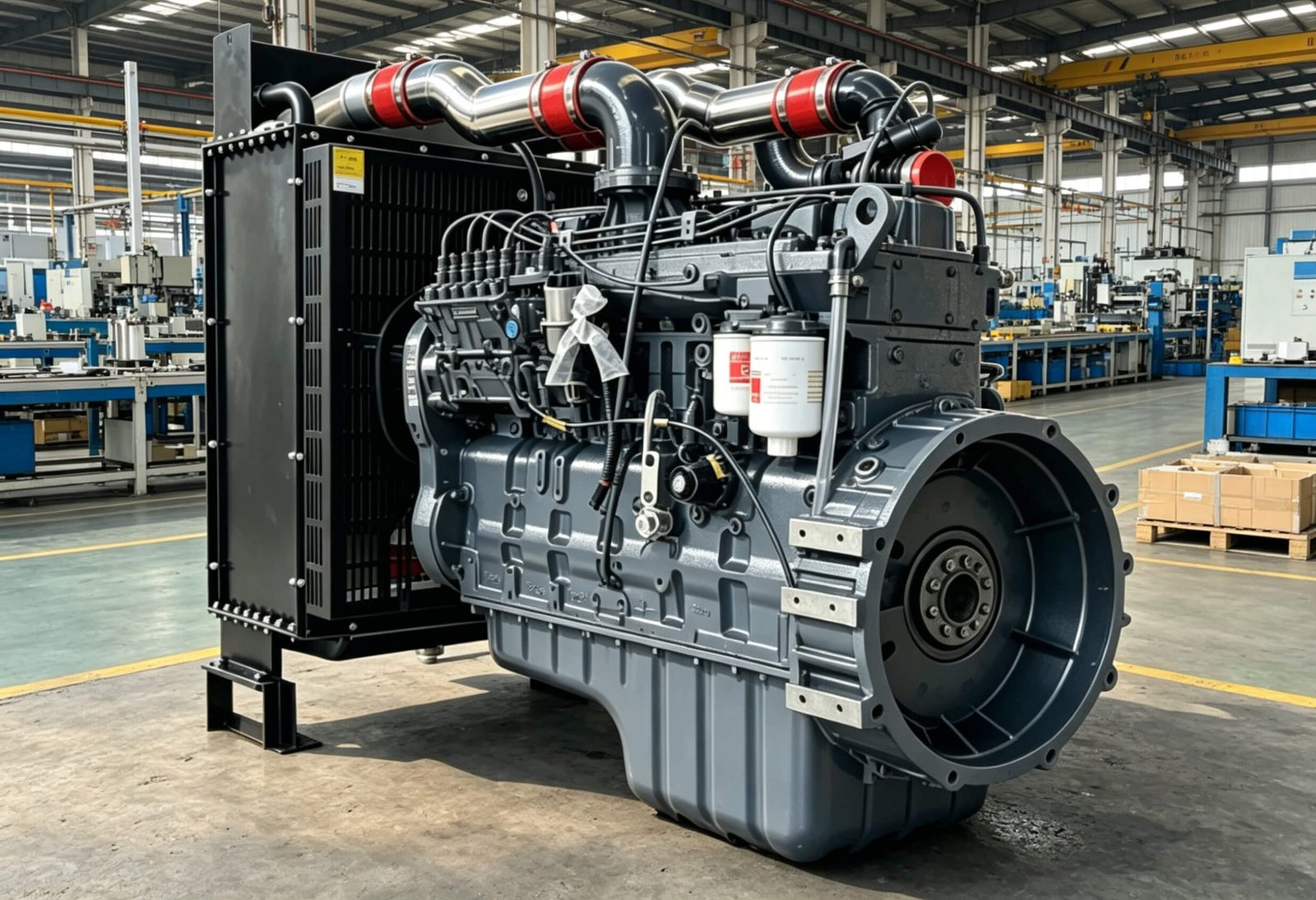
Electronic Control and Telematics Integration
Electronic Control Units (ECUs) are the brains of modern diesel engines. They monitor hundreds of parameters every second to optimize performance. ECUs help the best diesel engine for construction equipment adapt to different fuels. They also protect the engine from catastrophic failure by sensing early warning signs.
Telematics systems now send engine health data directly to the cloud. Maintenance teams can track fuel consumption and oil life remotely. This allows for predictive maintenance before a breakdown occurs. Data-driven decisions are standard practice in the construction industry today.
Why Are Emission Standards Influencing Engine Selection Today?
Global emission standards like Stage V and Tier 4 Final are mandatory. The best diesel engine for construction equipment must meet these strict laws. These regulations focus on reducing particulate matter and nitrogen oxides. Engines that fail to comply cannot be used on most urban sites.
Manufacturers use Selective Catalytic Reduction (SCR) to treat exhaust gases. This process uses diesel exhaust fluid to convert pollutants into harmless nitrogen. It is a highly effective way to keep the air clean. However, it requires an additional tank and regular fluid refills.
Diesel Particulate Filters (DPF) are also standard in 2026 machinery. They trap soot before it leaves the exhaust pipe. Modern systems feature automatic regeneration to keep the filter clear. This technology ensures the machine remains environmentally friendly throughout its life.
Impact of Emissions on Engine Architecture
Meeting these standards requires a complete redesign of engine components. Intake manifolds and exhaust systems are more complex than older models. The best diesel engine for construction equipment integrates these parts seamlessly. This prevents the machine from becoming too bulky for transport.
Engineers have focused on reducing “parasitic loads” from these systems. They want to ensure that emission controls do not drain too much power. Modern designs are highly efficient at managing this balance. Consequently, 2026 engines are both clean and powerful.
The Importance of Low-Sulphur Fuel
Modern engines require ultra-low sulphur diesel to function correctly. Using the wrong fuel can damage sensitive aftertreatment components quickly. This is a critical consideration for international projects in 2026. Managers must ensure a reliable supply of high-quality fuel at all times.
Clean fuel prevents the buildup of deposits inside the fuel injectors. It also extends the life of the DPF and SCR systems. Most 2026 engines come with advanced filtration systems to protect themselves. These filters catch even the smallest contaminants before they reach the engine.
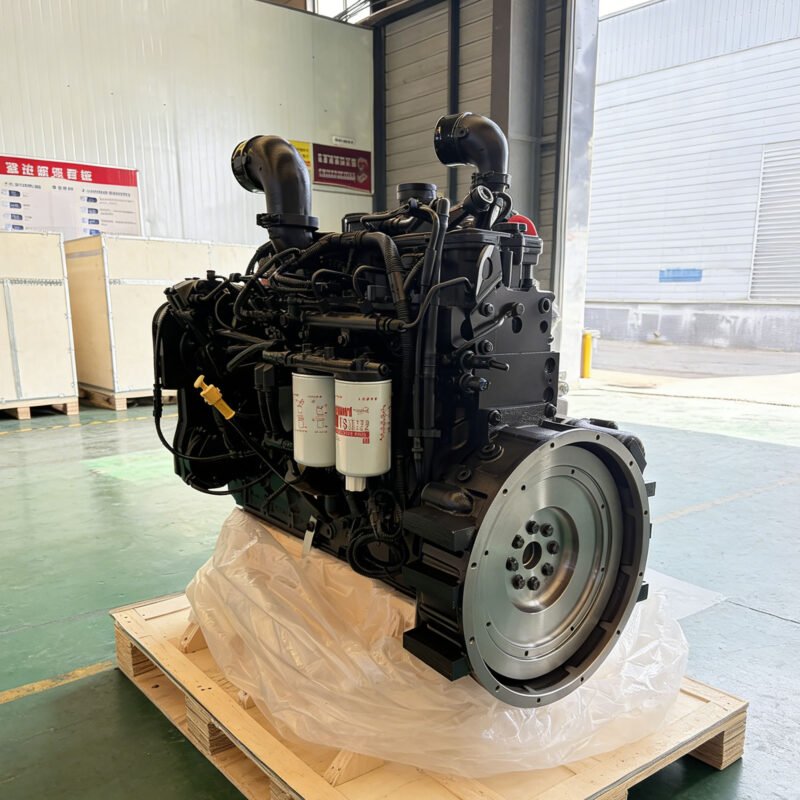
Comparison of Leading Engine Brands for Heavy Machinery
Several global brands compete for the title of the best diesel engine for construction equipment. Cummins is a long-time leader in the mid-to-heavy range. Their engines are known for being easy to service and highly reliable. Many operators prefer them for their extensive global support network.
Weichai has become a dominant force in the industrial sector in 2026. They offer robust engines that perform exceptionally well in harsh conditions. Their power plants are often found in large-scale excavators and mining trucks. They provide excellent torque at low speeds for heavy lifting.
Deutz continues to innovate in the compact and medium engine segments. They are famous for their modular designs and liquid-cooling technology. These engines are ideal for smaller equipment like skid steers and rollers. Each brand offers specific advantages depending on the machine’s primary function.
| Engine Brand | Typical Power Range | Key 2026 Feature |
| Cummins | 75 – 500 kW | Advanced Single Module Aftertreatment |
| Weichai | 100 – 800 kW | High Torque Density & Durability |
| Deutz | 25 – 400 kW | Compact Design & Multi-Fuel Ready |
| Volvo Penta | 100 – 550 kW | Industry-Leading Fuel Efficiency |
How to Determine the Ideal Engine for Your Fleet?
Choosing the best diesel engine for construction equipment depends on your specific needs. You should start by analyzing the typical duty cycle of your machines. A machine used for constant heavy digging needs more cooling capacity. Conversely, a machine that idles frequently needs better low-load management.
Service intervals are another vital factor to consider during selection. Some 2026 engines offer oil change intervals of up to 1,000 hours. This reduces the time a machine spends in the workshop. Look for engines with grouped service points for faster maintenance.
Reliability data from other fleet owners can be very helpful. Check for the average lifespan of the engine before a major overhaul. A higher initial price is often justified by a longer service life. Total cost of ownership is more important than the initial purchase price.
Assessing Power Requirements and Torque Curves
Do not simply look at the peak horsepower rating of an engine. The torque curve tells a more accurate story of real-world performance. The best diesel engine for construction equipment provides high torque at low RPM. This allows the machine to respond quickly under heavy loads.
A flat torque curve means the engine stays powerful across a wide range. This makes the machine easier to operate for less experienced drivers. It also reduces the need for frequent gear changes in some vehicles. Matching the engine curve to the hydraulic system is essential.
Evaluating Global Support and Parts Availability
An engine is only as good as the support behind it in 2026. Ensure that spare parts are readily available in your region. Long wait times for a simple sensor can paralyze a project. Choosing a brand with a local dealer network is a smart strategy.
Many managers now prefer to browse a wide selection of construction machinery engines to find exact matches. This allows for better standardization across a diverse fleet of machines. Standardization simplifies technician training and reduces inventory costs for filters. High-quality suppliers provide the technical documentation needed for informed decisions.
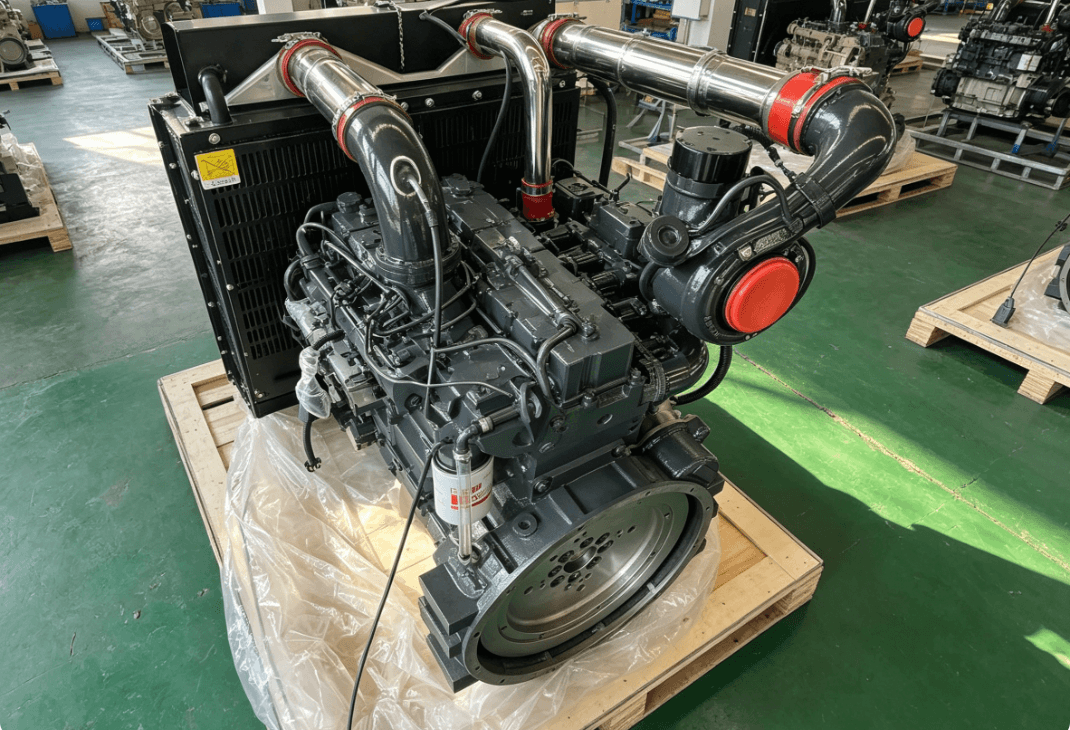
Summary
The best diesel engine for construction equipment in 2026 is one that balances power, efficiency, and strict emission compliance. Leading brands like Cummins and Weichai provide the reliability needed for complex projects. Ultimately, the best choice depends on matching engine specifications to the specific demands of your job site.
FAQ
1. What makes a diesel engine the best for construction work?
The best engine provides the highest reliability and lowest fuel consumption while meeting all 2026 emission laws. It must deliver enough torque to handle peak loads without excessive wear. Maintenance accessibility is also a key factor for reducing operational downtime on sites.
2. How often should construction engines be serviced in 2026?
Modern 2026 diesel engines typically require a standard oil and filter change every 500 to 1,000 hours. However, machines operating in extremely dusty or high-heat environments may need more frequent inspections. Always follow the manufacturer’s specific guidelines to ensure the warranty remains valid.
3. Are Stage V engines more expensive to operate than older models?
While Stage V engines require Diesel Exhaust Fluid and have complex aftertreatment systems, they are often more fuel-efficient. This improved efficiency can offset the cost of extra fluids over the machine’s life. They also prevent potential fines for non-compliance on regulated urban construction sites.
4. Which brands are currently leading the construction engine market?
Cummins, Weichai, and Deutz are currently the top contenders for the best diesel engine for construction equipment. These companies have invested heavily in 2026 technology to meet global standards. Their engines are found in a wide variety of machinery, from mini-excavators to heavy-duty mining trucks.
5. Can telematics improve the life of a construction engine?
Yes, telematics systems allow for real-time monitoring of engine health and performance metrics. They can alert managers to minor issues before they become major mechanical failures. This proactive approach significantly extends the total lifespan of the engine and improves fleet productivity.
Reference Sources
DieselNet – Online Information Service on Diesel Engines and Emissions
Cummins Inc. – Official Technical Specifications for Construction Engines
Weichai Power Co., Ltd. – Global Industrial and Construction Engine Data
Deutz AG – Innovative Engine Technology for Construction Machinery

