
Top Diesel Engine Suppliers for Global Export Projects: Evaluation Guide

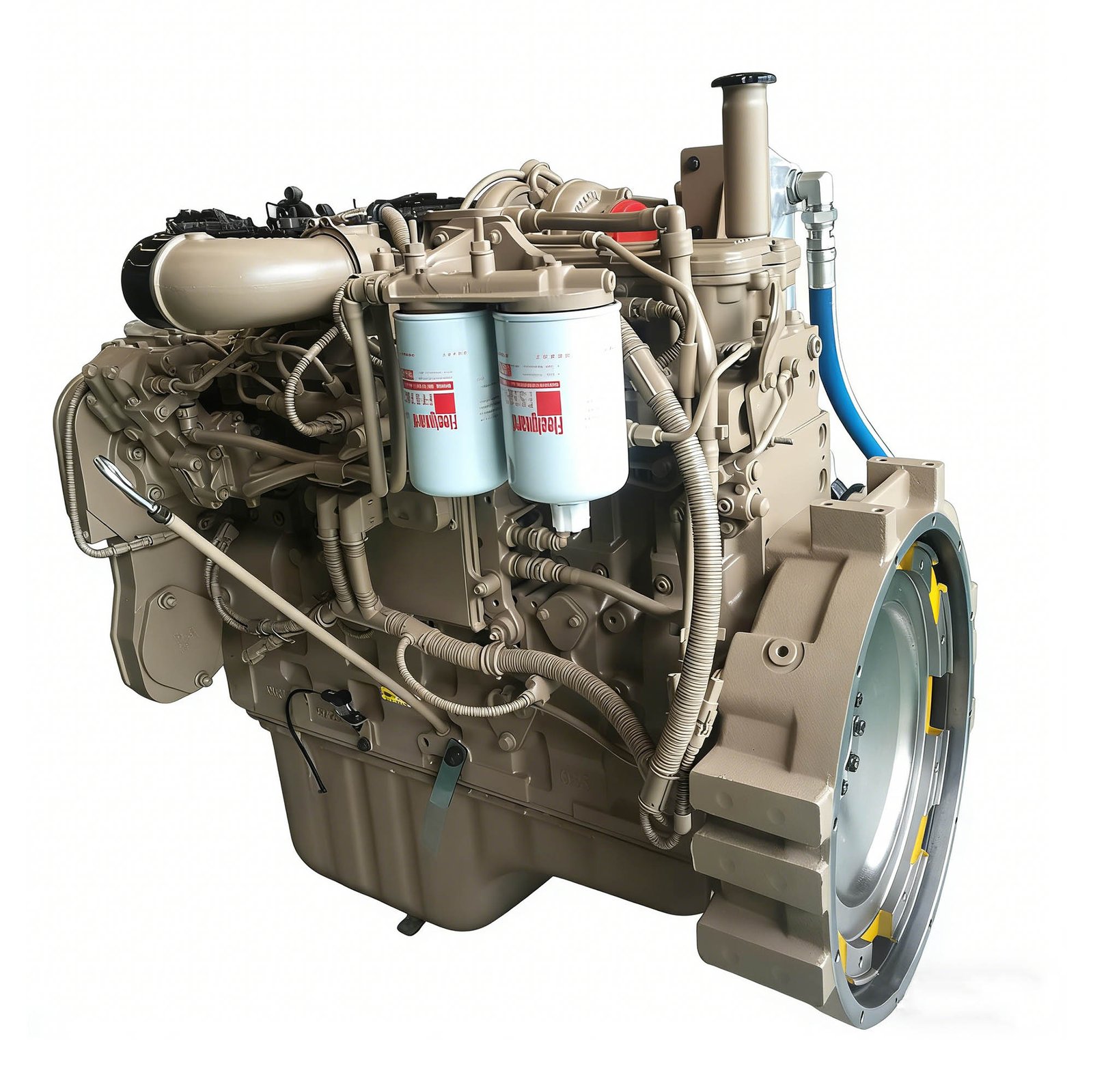
Selecting a diesel engine supplier for an international export project is a decision that extends far beyond a simple price-per-unit calculation. Whether you are repowering a fleet of commercial trucks in Southeast Asia, integrating power units into mining equipment in South Africa, or managing an OEM assembly line in Eastern Europe, the engine is the literal and metaphorical heart of the project. A failure in engine performance or a mismatch in emission compliance can result in catastrophic project delays and legal liabilities.
For procurement managers and project engineers, the challenge lies in identifying suppliers who offer more than just hardware. You require a partner who understands the nuances of duty cycles, thermal management, and international logistics for heavy-duty components.
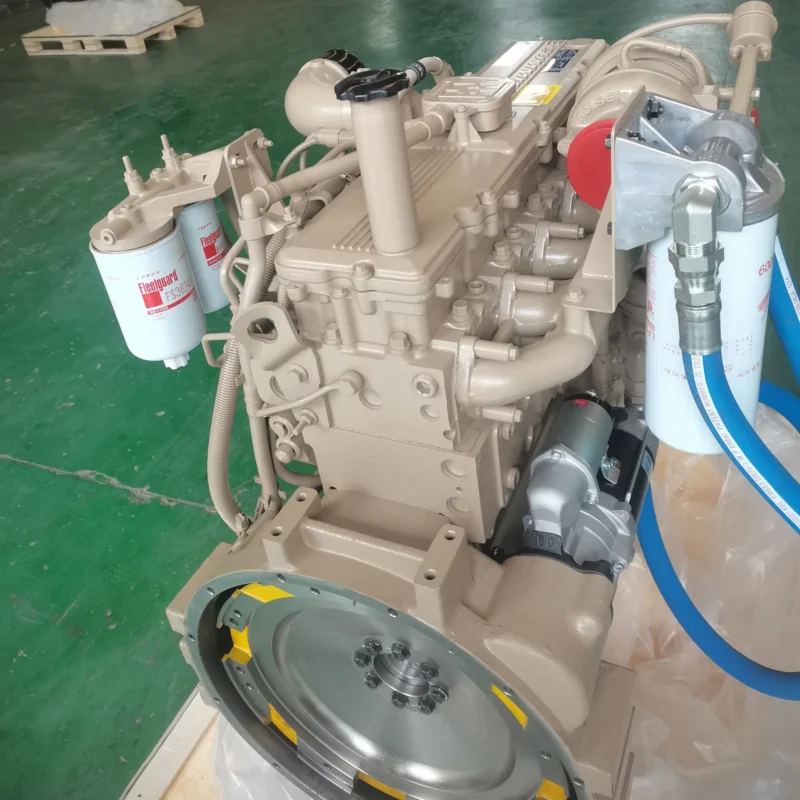
What Defines a Tier-One Diesel Engine Supplier for Exports?
In the context of global trade, a top-tier supplier is distinguished by their ability to bridge the gap between local manufacturing excellence and international engineering standards. It is not enough to simply stock engines; the supplier must provide documented assurance of performance.
Reliable suppliers, such as those specializing inautomotive engine assemblies,typically maintain a portfolio that includes globally recognized brands like Isuzu, Cummins, and Foton. These brands are favored in export projects because of their established global service networks. When evaluating a supplier, technical consultants look for:
- Verified Origin and Authenticity: Ensuring the engine assemblies are genuine OEM or high-quality licensed productions.
- Technical Documentation: Availability of torque curves, fuel consumption maps, and installation drawings (CAD/BIM).
- Testing Infrastructure: Suppliers who conduct bench testing for oil pressure, compression, and cooling efficiency before crating the unit for sea freight.
Matching Engine Specifications to Project Duty Cycles
One of the most common errors in export procurement is over-specifying or under-specifying the engine based on a lack of application data. Diesel engines are designed for specific “duty cycles”—the patterns of load and speed over time.
- Variable Speed (Automotive): Used in trucks and buses. These require engines with wide RPM ranges and responsive turbocharging. For instance, the Isuzu 4HK1 or 6HK1 series are industry benchmarks for medium-duty export projects due to their balance of power density and fuel economy.
- Constant Speed (Stationary/Industrial): Used for power generation or water pumps. These engines are governed to run at 1500 or 1800 RPM. Sourcing a supplier that understands the governor settings is critical for frequency stability.
- Heavy-Duty High Torque: For construction and mining. Here, displacement and peak torque at low RPM are the primary metrics.
Suppliers like Kangjin Power excel in providing specialized automotive engine assemblies that cater to these varying needs, ensuring that the engine’s cooling system and ECU (Engine Control Unit) mapping are compatible with the destination’s environment.
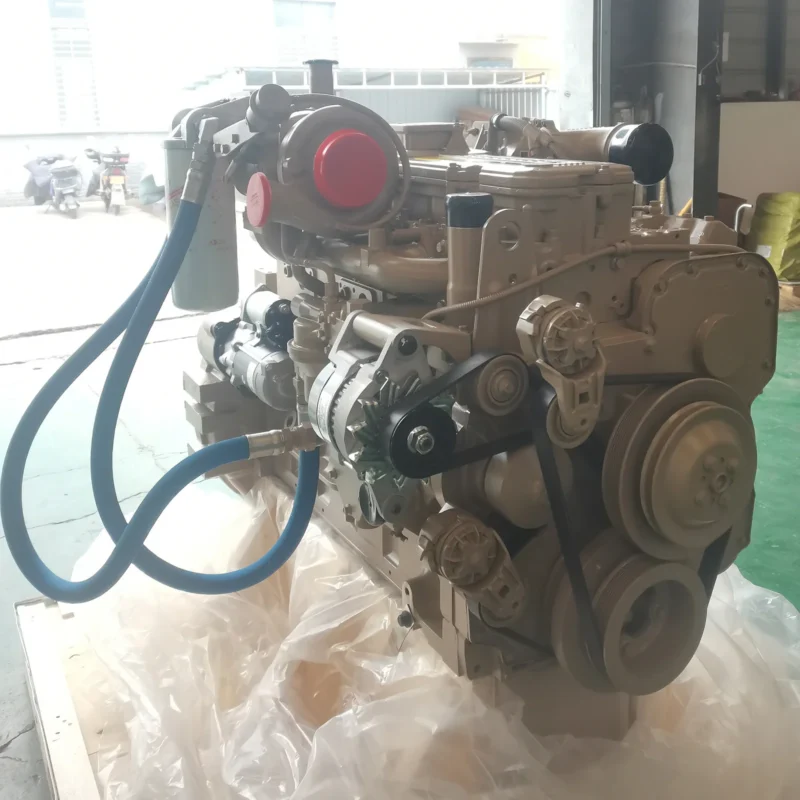
Navigating Global Emission Standards (Euro IV to Euro VI)
The most significant hurdle in export projects today is emission compliance. A diesel engine supplier must be an expert in the regulatory landscape of the target country.
- Low-Emission Zones: If your project involves exporting vehicles to Europe or North America, engines must meet Euro VI or EPA Tier 4 Final standards, requiring complex Selective Catalytic Reduction (SCR) and Diesel Particulate Filters (DPF).
- Developing Markets: In many regions, Euro IV or Euro V remains the standard. Using a Euro VI engine in a region with high-sulfur diesel will lead to immediate DPF clogging and engine failure.
A sophisticated supplier will consult on the “fuel quality vs. emission tech” balance. They should offer a range of options, from the robust, mechanical-injection engines for remote territories to sophisticated Common Rail systems for urban environments.
Technical Comparison: Leading Engine Series for Export
| Engine Series | Typical Application | Key Strength | Common Displacement |
| Isuzu 4JJ1/4HK1 | Light/Medium Trucks | Exceptional longevity, parts availability | 3.0L – 5.2L |
| Cummins ISF/ISB | Global Logistics Fleets | High power-to-weight ratio, global support | 2.8L – 6.7L |
| Foton/Cummins JV | Cost-sensitive OEM projects | Balance of modern tech and competitive pricing | 2.8L – 4.5L |
| Deutz Type | Industrial/Construction | Air-cooled and liquid-cooled versatility | Various |
Logistics, Packaging, and Compliance Support
Shipping a 500kg engine assembly across the ocean is a high-risk logistical maneuver. Top diesel engine suppliers implement rigorous “Export-Ready” protocols:
- Corrosion Protection: Applying VCI (Vapor Corrosion Inhibitor) oils to internal components and vacuum-sealing the unit to prevent saltwater air damage.
- ISPM-15 Compliance: Using heat-treated wooden crates to meet international phytosanitary requirements.
- Dangerous Goods Documentation: Correctly declaring residual fluids (oil/coolant) to ensure the shipment isn’t flagged at customs.
Furthermore, a professional supplier facilitates the RFQ (Request for Quote) process by providing clear Lead Times and Incoterms (typically FOB or CIF). In large-scale projects, the ability to scale production—moving from a sample unit to a container-load of 20 units—is a vital metric of supplier health.
Why Procurement Experts Prioritize Technical Transparency
In the B2B engine sector, “cheap” often translates to “remanufactured with sub-standard parts.” High-authority suppliers provide transparency regarding the “Build Level” of the engine. Is it a Long Block (block, head, and internals) or a Complete Assembly (including turbo, fuel system, and wiring harness)?
For export projects, sourcing a Complete Engine Assembly is generally recommended. This minimizes the risk of installation errors at the destination and ensures that all peripheral components are matched and tested by the supplier’s engineers.
Conclusion for Project Managers
Selecting from the pool of diesel engine suppliers requires a shift from transactional buying to strategic partnership. Focus on suppliers who demonstrate expertise in emission matching, provide rigorous pre-shipment testing, and understand the logistical rigors of international trade. By prioritizing technical compatibility and documented reliability, you ensure the long-term success and ROI of your export project.
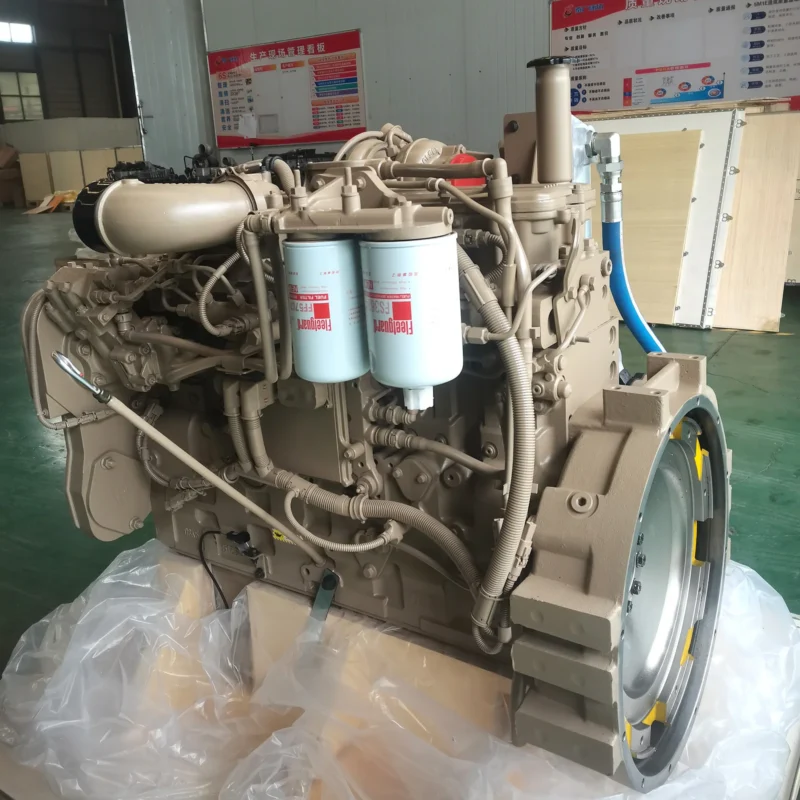
4. FAQ
Q: What is the minimum order quantity (MOQ) for export engine assemblies?
A: For most professional suppliers, the MOQ for stock engine assemblies (like Isuzu or Cummins series) can be as low as 1 unit for sampling. However, for custom OEM configurations, an MOQ of 5–10 units is common to offset engineering and setup costs.
Q: How do I verify if a diesel engine is compatible with my local fuel quality?
A: You must provide the supplier with the PPM (parts per million) sulfur content of your local diesel. Engines equipped with DPF/SCR (Euro VI) typically require “Ultra-Low Sulfur Diesel” (<15 ppm). If your fuel is high-sulfur, your supplier should recommend a Euro II or III mechanical engine or a modified Euro IV unit.
Q: What is the typical lead time for a bulk order of 20 engines?
A: For standard automotive assemblies currently in production, lead times usually range from 15 to 30 days. Customizations (e.g., specific flywheel housings or electrical harnesses) may extend this to 45–60 days.
Q: Does the engine come with a global warranty?
A: Warranty terms for export engines vary. While major brands have global networks, the “supplier warranty” usually covers parts replacement. It is critical to clarify if the warranty covers labor in the destination country or only the shipping of replacement components.
Q: Can these suppliers provide “SKD” (Semi-Knocked Down) kits for local assembly?
A: Many high-capacity suppliers can provide engines in SKD format to help importers reduce customs duties in certain jurisdictions. This requires a higher level of technical coordination and a larger order volume.
5. Reference Sources
- ISO 8178: International standard for exhaust emission measurement for non-road internal combustion engines.
- ACEA (European Automobile Manufacturers’ Association): Standards for engine oil sequences and emission technology benchmarks.
- CIECA: Guidelines for international commercial engine trade and technical documentation.
- Isuzu Motors Global: Technical specifications for the Isuzu N-Series and F-Series engine platforms.
- DieselNet: Comprehensive clearinghouse for global diesel emission regulations (EPA, EU, China VI).

