
QSZ13 Diesel Engine Specs: 500kW Output & OEM Guide

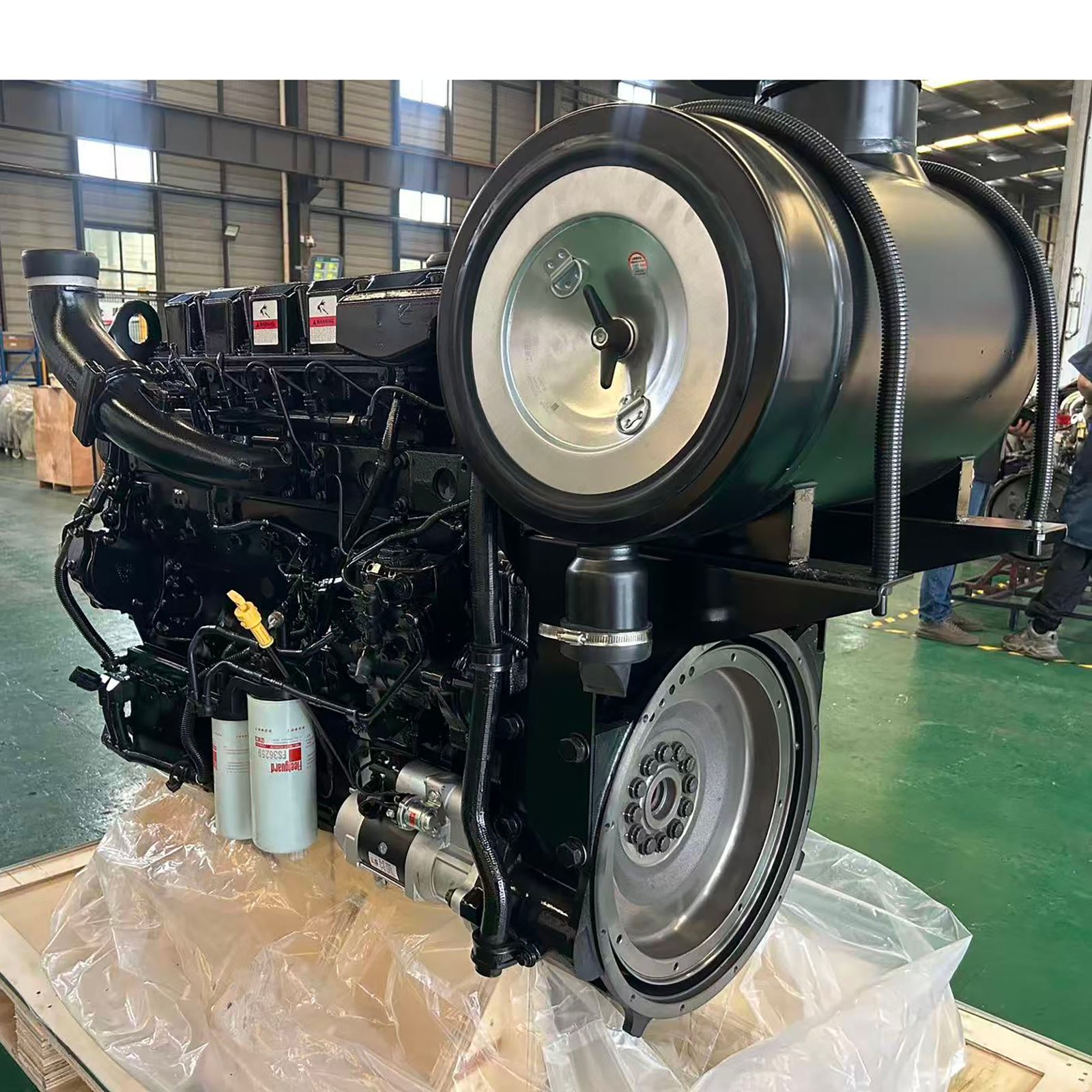
The QSZ13 diesel engine is a 13.0-liter, inline 6-cylinder heavy-duty diesel engine engineered for high-demand industrial equipment. Base configurations like the QSZ13-C550-30 deliver 410 kW at 1900 rpm and a peak torque of 2650 N·m. This platform achieves a stable 500kW output at constant speeds of 1500 rpm or 1800 rpm for continuous power generation.
Integrating an XPI ultra-high-pressure common rail fuel system ensures compliance with emissions standards up to EPA Tier 4 Final. OEM engineers rely on this specific power unit for its exceptional power density. The reinforced cast iron cylinder block supports a B10 design life exceeding 20,000 hours.
Core QSZ13 Diesel Engine Specifications & Output Ratings
Evaluating a power unit requires analyzing its mechanical baseline and absolute performance limits. The 13-liter platform relies on a turbocharged air-to-air aftercooled aspiration system to maximize volumetric efficiency. A forged steel crankshaft manages extreme mechanical stress during continuous heavy-duty operation.
Here is a breakdown of the standard technical parameters for this engine:
| Specification | Technical Parameter |
| Engine Type | Inline 6-cylinder, 4-stroke |
| Displacement | 13.0 Liters |
| Aspiration System | Turbocharged & Air-to-Air Aftercooled |
| Rated Power (Industrial) | 410 kW @ 1900 rpm |
| Rated Power (Genset) | 500 kW @ 1500 rpm / 1800 rpm |
| Peak Torque | 2650 N·m @ 1300–1500 rpm |
| Fuel Injection Type | XPI Ultra-High-Pressure Common Rail |
| Temperature Tolerance | -40°C to 55°C |
Compared to older mechanical injection models, the fully electronic control module provides superior oversight. It actively monitors speed, load, and oil pressure in real time across all cylinders. This active management reduces the total cost of ownership by optimizing live fuel delivery rates.
Operators experience fewer unexpected downtime events across aggressive heavy workload cycles. Advanced onboard diagnostics flag potential mechanical issues long before catastrophic failures occur. Fleet managers can easily extract historical operational data through standard machine diagnostic ports.
Why the XPI Fuel System Impacts Overall TCO
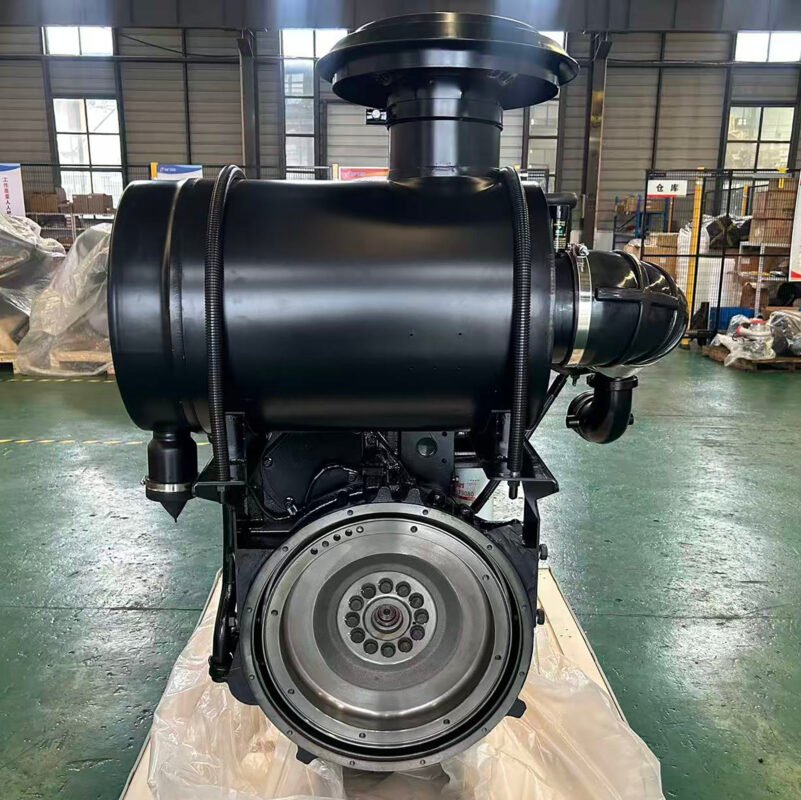
Fuel consumption remains the primary operational cost for continuous-load industrial diesel engines. The QSZ13 mitigates this major expense through its high-pressure XPI fuel system. This technology enables millisecond-level precise fuel injection under rapidly changing physical load conditions.
Superior fuel atomization leads to highly complete combustion and fewer unburned exhaust particulates. This internal efficiency directly reduces the strain on external exhaust aftertreatment hardware. Machines utilizing this specific engine easily adapt to stringent environmental regulations like Stage V.
A highly calibrated injection mapping curve also improves sudden mechanical load acceptance. The engine recovers rpm quickly when heavy machinery suddenly engages large hydraulic pumps. This dynamic throttle responsiveness is critical for maintaining rigid project timelines on construction sites.
QSZ13 vs. QSM11: Evaluating Heavy-Duty Platforms
Engineers frequently evaluate the 13-liter block against the legacy 11-liter QSM11 platform. Both systems share a heavy-duty design philosophy but their peak output limits differ significantly. The 13-liter model offers superior power reserves and massive torque capacities for heavier workloads.
For continuous applications exceeding 350 kW, the larger displacement provides noticeably better thermal stability. Smaller blocks forced to run constantly at maximum load suffer from accelerated internal component wear. Sizing up lowers the average operational stress on main bearings and forged pistons.
The electronic management on the newer Z-series platform outpaces older system architecture. Advanced engine sensors integrate flawlessly with modern CAN bus networks on new equipment. This deep connectivity simplifies remote fleet monitoring and predictive maintenance scheduling for operators.
High-Demand Applications: 500kW Power Generation to Mining
Different industrial environments demand very specific performance profiles from the exact same engine block. Utilizing a customized QSZ13 500kW engine for generator set applications requires absolute frequency stability to protect sensitive facility electronics. Grid synchronization remains seamless when the electronic governor maintains a strict 1500 rpm threshold.
Cooling efficiency dictates total performance during prime power generation in extreme global climates. Forced liquid cooling with independent radiators prevents overheating when ambient temperatures reach 55°C. Cold start capabilities remain equally robust down to -40°C in remote winter mining camps.
When evaluating prime movers and construction machinery engines, heavy equipment relies heavily on massive low-speed torque for daily lifting operations. The 2650 N·m torque output provides the exact pulling capability necessary for large excavators and rotary drilling rigs. Specialized oil pans and customized cooling packages allow these machines to handle extreme dust levels seamlessly.
Sourcing a QSZ13: Cost Drivers & OEM Procurement Logic
Procurement professionals must look far beyond the base unit price when sourcing B2B engines. Integration elements like specialized mounting brackets and custom ECU wiring harnesses add hidden capital costs. Ensuring your supplier provides a comprehensive assembly kit minimizes severe installation delays.
As outlined in standard industry analyses and diesel engine price guides for construction and industrial costs, local emission standards act as the most significant variable in final power unit pricing. Upgrading from older non-regulated configurations to Tier 4 Final compliance requires complex aftertreatment systems. Adding DPF and SCR hardware often increases the overall purchase cost substantially.
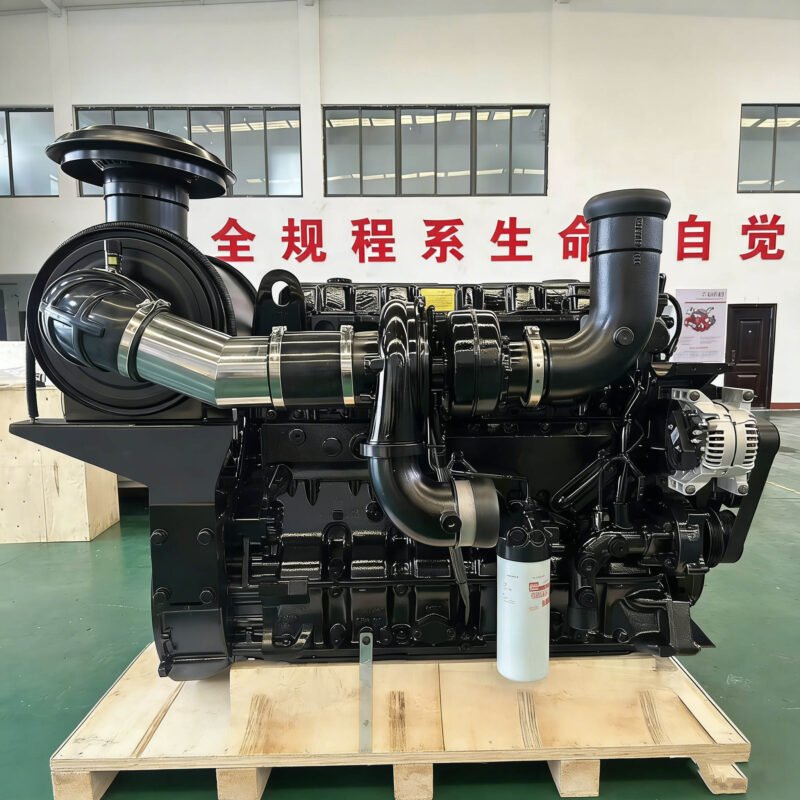
Working with an experienced global supplier like Kangjin Power streamlines this entire procurement workflow. They offer highly flexible OEM customization services to match very specific machinery flywheel requirements. Buyers can initiate risk-free pilot projects with a minimum order quantity of just one unit.
FAQ
Q: What is the MOQ for a customized QSZ13 diesel engine?
A: Professional suppliers typically allow a Minimum Order Quantity (MOQ) of 1 unit. This enables OEM manufacturers to conduct prototype fitment testing before committing to large-volume factory production.
Q: What warranty coverage applies to these industrial power units?
A: Standard industrial warranties cover 6 months for all main internal engine components. Failures resulting from improper field operation or neglected consumable parts are strictly excluded from this coverage.
Q: How do emission regulations affect the final procurement price?
A: Meeting stringent standards like EPA Tier 4 Final requires adding specialized exhaust aftertreatment systems. Integrating Selective Catalytic Reduction (SCR) hardware can raise the base cost by 20 to 35 percent.
Q: Are factory performance tests conducted before export shipment?
A: Yes. Every completed power unit undergoes rigorous load and performance testing prior to shipment. Reputable suppliers provide detailed electronic data and test videos to verify rated output specifications.
Reference Sources
- ISO 3046-1:2002 – Reciprocating internal combustion engines — Performance and Standard Reference Conditions.
- EPA.gov – Nonroad Compression-Ignition Engines: Exhaust Emission Standards and Compliance.
- Kangjin Power Official Data – QSZ13 Diesel Engine Technical Specifications & Customization Guidelines.
- ASTM D975 – Standard Specification for Diesel Fuel Oils in Heavy-Duty Applications.
- Association of Equipment Manufacturers (AEM) – Industrial Powertrain Procurement and Integration Guidelines.

