
QSL8.9 Diesel Engine Specifications: OEM Procurement Guide

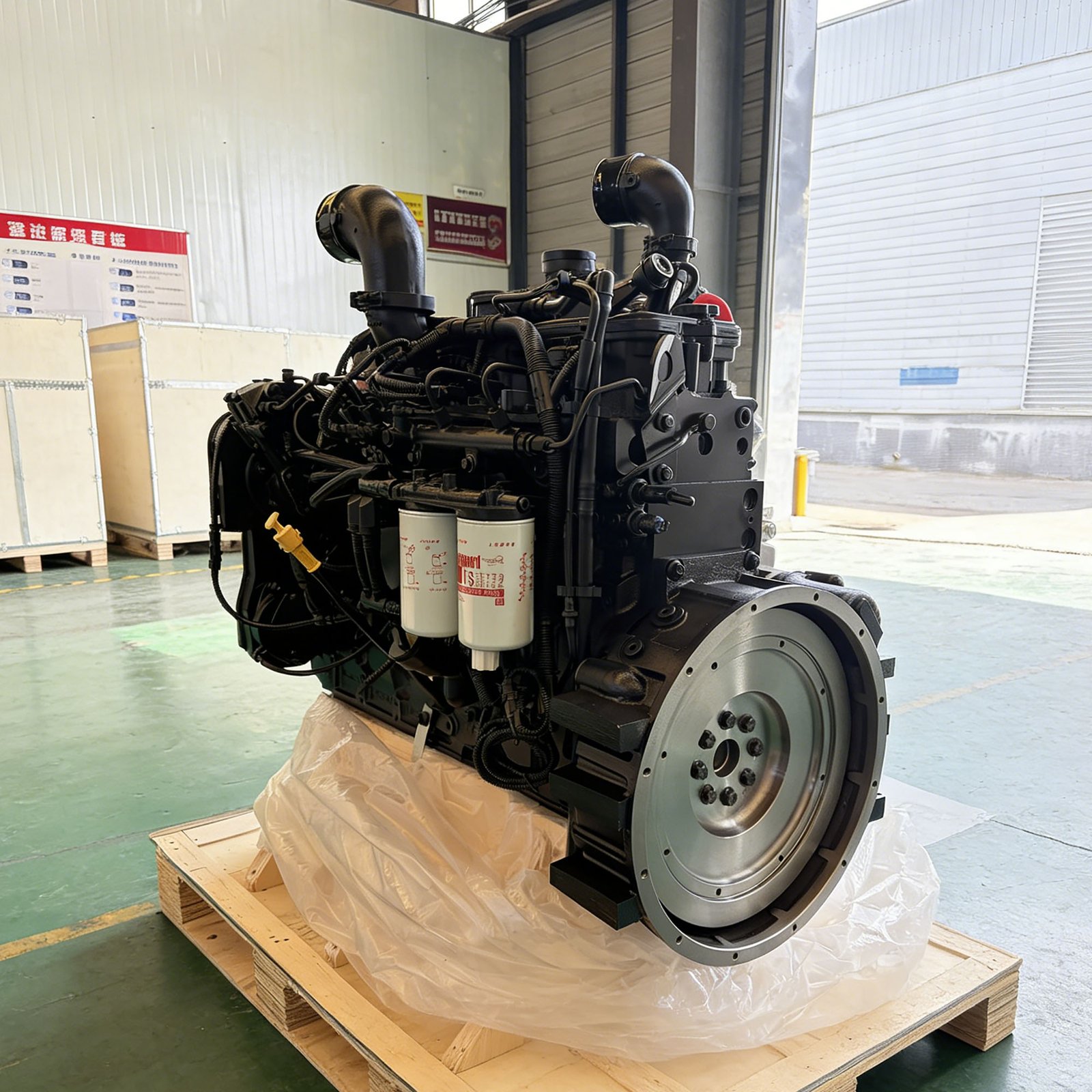
The core QSL8.9 diesel engine specifications feature an 8.9-liter displacement, a 6-cylinder in-line configuration, and a rated power output between 350 and 480 hp (257-353 kW). It generates a maximum torque of 980 to 1500 N·m at 1500 rpm. This power is managed by a high-pressure common rail fuel system, liquid cooling, and a turbocharged air-to-air aftercooled design. For OEM project managers and equipment buyers, evaluating the QSL8.9 diesel engine means looking at both these exact technical numbers and the factory’s ability to customize it for your specific machinery.
Engineers need reliable data to build heavy excavators, mining trucks, and rock crushers. This guide breaks down the core engine data, structural features, and the step-by-step procurement workflow for B2B buyers.
Core Technical Parameters
Accurate specifications are critical for matching the engine to your equipment’s hydraulic system. The 8.9-liter footprint provides excellent power density. Its inline design also makes routine maintenance much easier inside tight machinery compartments.
- High-pressure common rail (HPCR) injection ensures clean, efficient fuel burn.
- The turbocharged setup provides quick throttle response under sudden heavy loads.
- A modular design means repair parts are easy to source and replace.
- Liquid cooling keeps temperatures stable during continuous 24-hour shifts.
| Parameter | Technical Specification |
| Configuration | 6-cylinder in-line, four-stroke |
| Displacement | 8.9 liters |
| Bore × Stroke | 114 mm × 145 mm |
| Aspiration | Turbocharged + Air-to-Air Aftercooled |
| Fuel System | High-pressure common rail (HPCR) |
| Rated Power | 350-480 hp (257-353 kW) |
| Max Torque | 980-1500 N·m @ 1500 rpm |
| Rated Speed | Up to 3000 rpm |
| Cooling System | Liquid-cooled |
Matching Power to Heavy Equipment
Picking the right engine setup depends on what your machine actually does. A 480-hp setup is tuned very differently than a 350-hp baseline model. You must match the engine’s torque curve to your hydraulic pump limits.
When sourcing construction machinery engines, application is everything. Rock crushers need immediate power to push through sudden jams. Large excavators rely on strong low-speed torque for digging and lifting. The electronic control unit (ECU) manages fuel delivery to prevent stalling during these heavy tasks.
Automotive environments usually require strict on-road emissions controls. In contrast, off-highway construction equipment needs durable, simple emission systems that handle high dust and vibration. This engine is built specifically for off-highway use. It performs well in high altitudes and extreme heat without losing much power.
Structural Durability in the Field
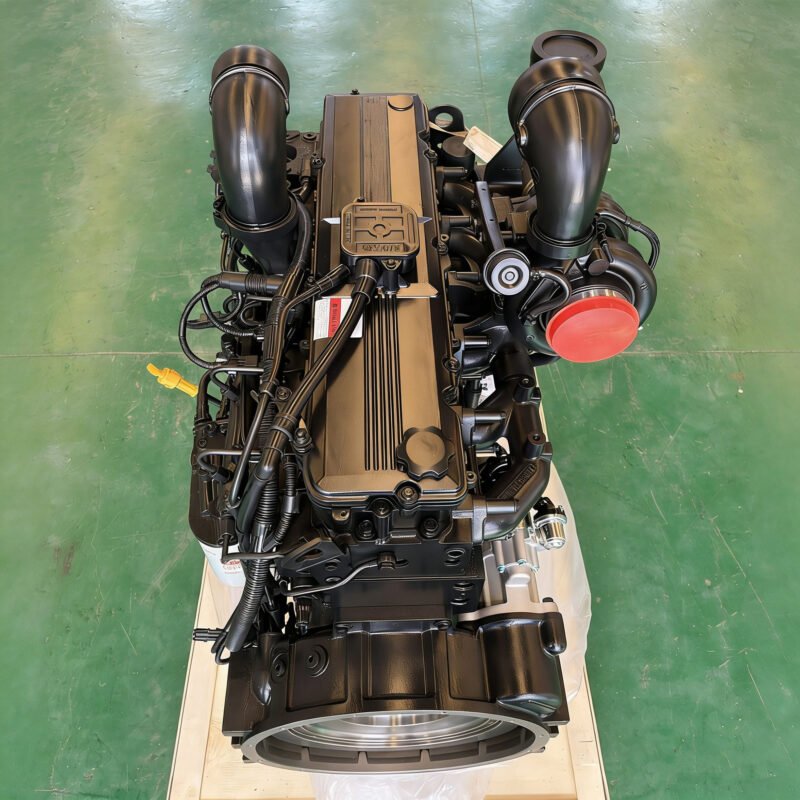
Industrial B2B engines must survive terrible conditions. The materials used inside the engine determine how long it lasts before needing an overhaul. The QSL8.9 uses a heavy-duty cast iron block.
High-vibration work can quickly destroy weak engine mounts and internal parts. The rigid cast iron block stops the engine from twisting under high pressure. This simple structural stability stops bearings from wearing out too fast.
Inside, the forged steel crankshaft handles the massive 1500 N·m torque loads. Forged steel is much stronger than cheaper cast metal. It prevents tiny cracks from forming when a machine stops and starts aggressively all day. Stronger pistons and reinforced cylinder liners also prevent wear from dirty, harsh environments.
OEM Sourcing Workflow and Delivery Setup
Buying industrial engines requires a clear supply chain process. Partnering with a dedicated manufacturer gives you access to custom power settings and exact speed configurations. To start the process, contact us directly with your specific equipment type and power needs.
A proper Request for Quotation (RFQ) should list your exact application. Without clear details upfront, project managers often face sampling delays because the factory must guess the correct ECU tuning.
- Minimum Order Quantity (MOQ): You can start with an MOQ of just 1 unit. This lets you run a low-risk prototype test before signing a bulk order.
- Testing and Quality: Every engine is tested on a factory dynamometer before shipping. We provide diagnostic data and testing videos to verify performance.
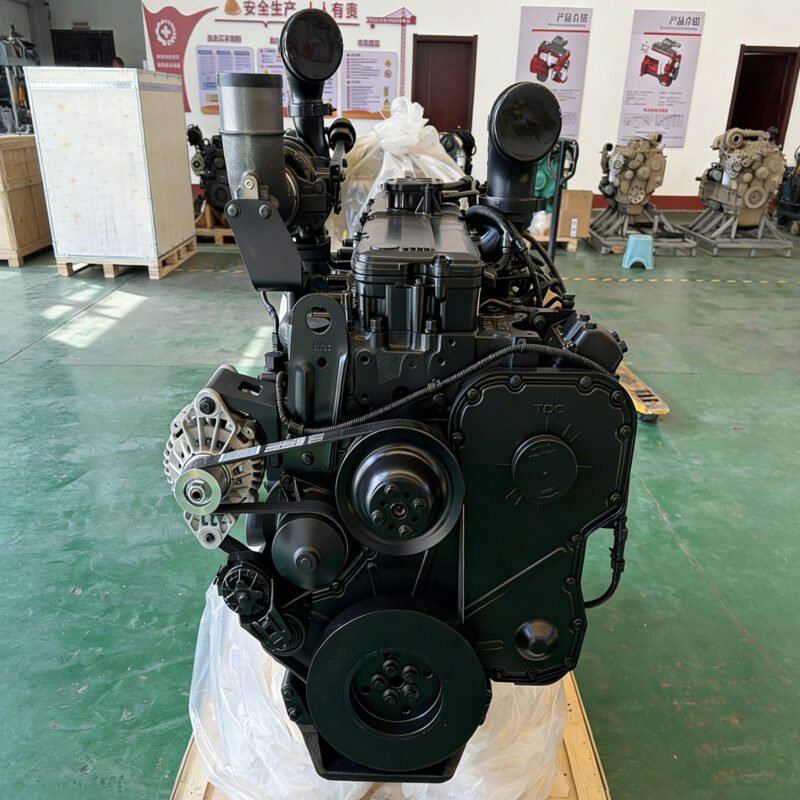
- Shipping Methods: Engines are packed in export-grade wooden boxes. Delivery terms are flexible, including EXW, FOB, CFR, CIF, DDU, and DDP.
- Warranty Support: We provide a 6-month warranty on main engine components. Keep in mind that failures from poor maintenance, like running with clogged air filters, are not covered.
FAQ
What is the minimum order quantity (MOQ) for a custom engine?
The MOQ is one single unit. This allows engineering teams to install and test a prototype in their machinery before committing to mass production.
How does the factory prove the engine works before shipping?
Each unit goes through strict dynamometer testing at the factory. Buyers receive video proof and electronic performance data before the wooden crate is sealed for export.
How long does it take to get a QSL8.9 engine delivered?
Lead times vary based on your customization needs and order size. A single prototype unit ships much faster, while bulk orders require a scheduled factory production run.
Does the warranty cover mining equipment use?
The 6-month warranty covers manufacturer defects on main internal parts. However, damage caused by bad field maintenance—such as failing to clean air filters in dusty mines—is excluded.
Can this engine run at high altitudes without losing power?
Yes. The factory can adjust the ECU tuning and turbocharger settings. This customization ensures the engine maintains strong power even in low-oxygen mountain environments.
Reference Sources
- ISO 3046-1:2002 Reciprocating internal combustion engines — Performance.
- Official OEM Manufacturing Data & Testing Protocols from Xiangyang Kangjin Power Technology Co., Ltd.
- ASTM D975-21 Standard Specification for Diesel Fuel Oils.

