
QSC8.3 Diesel Engine: Specs, Applications & OEM Sourcing

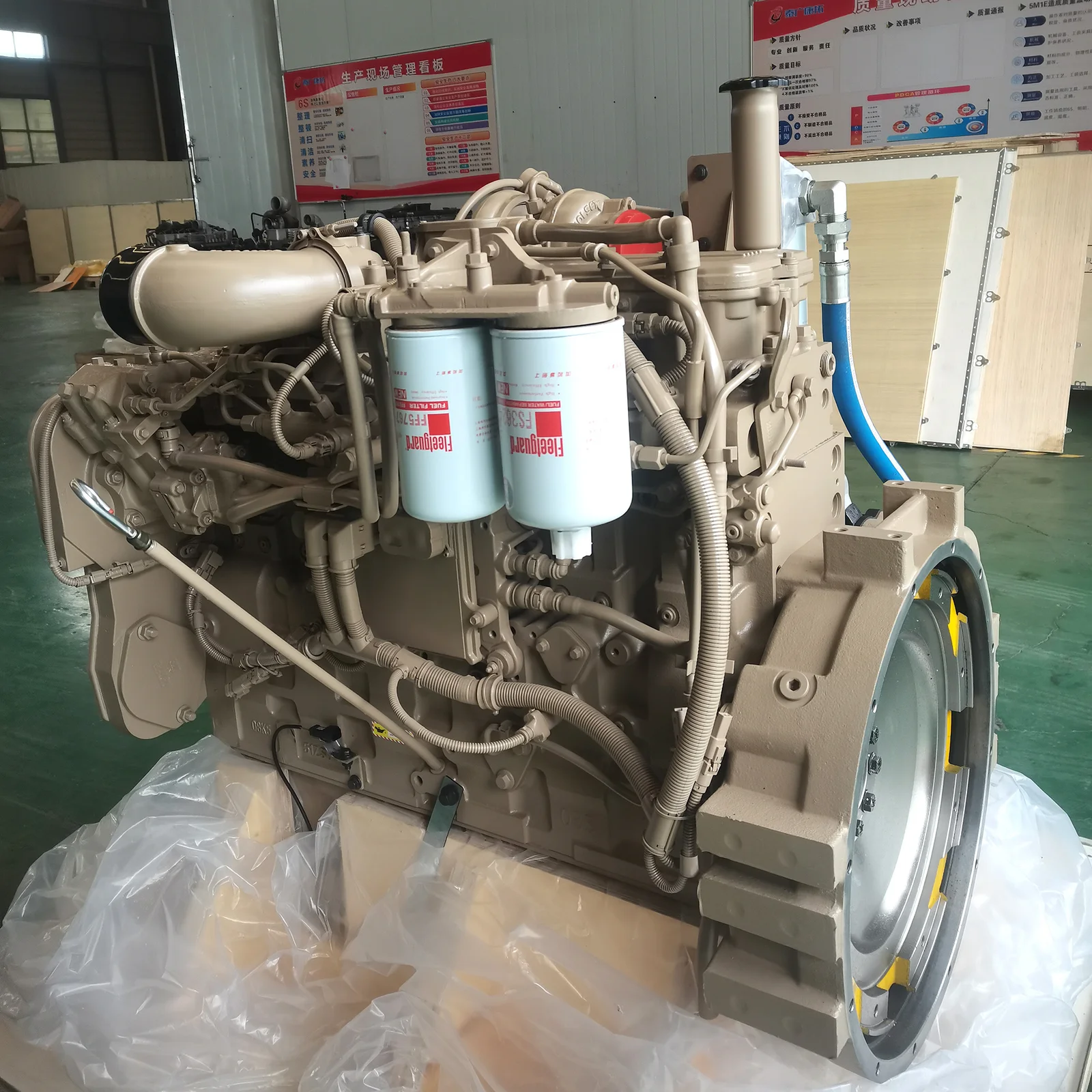
The QSC8.3 operates as a high-performance 8.3-liter power core engineered for heavy-duty industrial environments. Equipment manufacturers rely on this robust engine series to drive large-tonnage construction machinery globally. Procurement teams evaluate this specific model for its exceptional power density and reliable structural longevity. Sourcing a dependable industrial diesel engine requires navigating complex technical specifications and assessing true supplier capabilities. This guide details the critical engineering parameters, application matching logic, and essential RFQ workflows for acquiring customized units.
Why the QSC8.3 Engine Dominates Heavy Construction
Industrial operations demand engines that maintain stable output under continuous heavy strain. The QSC8.3 achieves this through an advanced high-pressure common rail electronic fuel injection system. This architecture ensures precise fuel atomization inside the cylinder. Optimized combustion dynamics directly reduce overall fuel consumption during heavy-load operational cycles.
A specialized turbocharged setup paired with air-to-air aftercooling maximizes engine volumetric efficiency. Dense, cool intake air significantly boosts the overall power density of the block. These integrated thermal systems work together to deliver massive low-speed torque output. Extreme torque at low RPM remains critical for overcoming initial static inertia in high-tonnage machinery.
The electronic control module supports adaptive full-load regulation. This allows the engine to instantly adjust fuel delivery based on sudden hydraulic resistance. Such rapid responsiveness prevents equipment stalling during complex job site conditions.
Technical Specifications of the QSC8.3 Power Core
Understanding baseline engine parameters is essential for accurate chassis integration. Project engineers must verify these dimensions against their target machinery footprint.
Core Technical Parameters
| Specification | Technical Value |
| Engine Configuration | 6-cylinder in-line, four-stroke |
| Total Displacement | 8.3 liters |
| Bore × Stroke | 114 mm × 135 mm |
| Aspiration Method | Turbocharged + air-to-air aftercooled |
| Fuel Delivery System | High-pressure common rail electronic injection |
| Rated Power Range | 160–194 kW (218–264 hp) |
| Rated Operating Speed | 2200–2500 rpm |
| Peak Torque Output | 950–1135 N·m @ 1350 rpm |
| Cooling Architecture | Liquid-cooled system |
| Lubrication Protocol | High-pressure continuous lubrication |
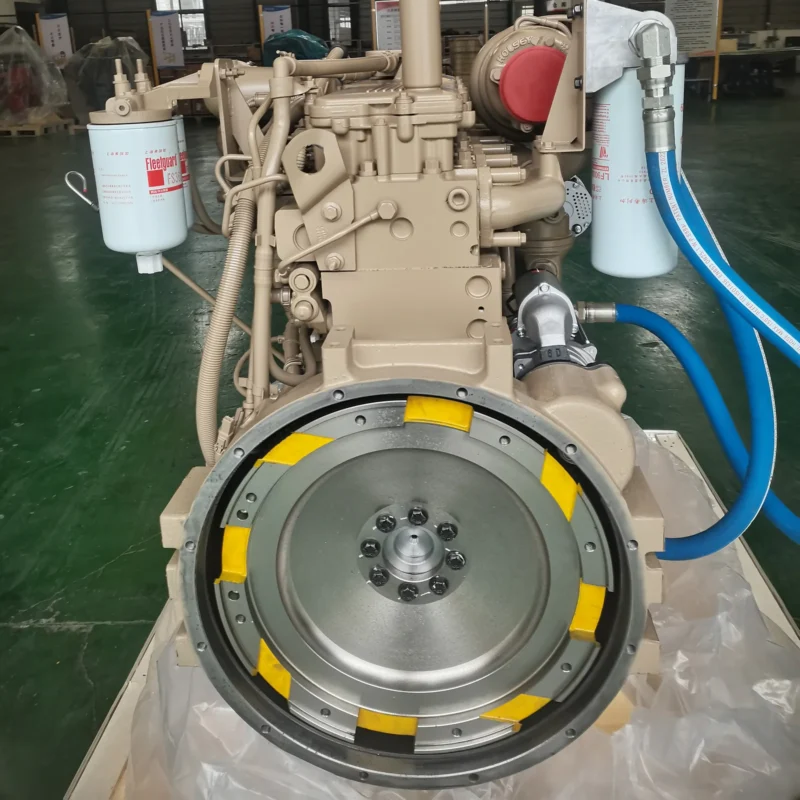
Engineers utilize these precise metrics to calculate hydraulic pump matching and drivetrain ratios. Proper specification alignment prevents premature component wear across the entire powertrain.
Real-World Applications in High-Tonnage Machinery
OEM project managers match the QSC8.3 to specific equipment categories based on expected duty cycles. Different industrial machines subject the engine block to entirely distinct mechanical stresses.
Large wheel loaders require aggressive and immediate hydraulic responsiveness. The engine supplies continuous rotational force to the main hydraulic pumps. This direct power transfer maximizes bucket breakout force in heavy aggregate materials.
Concrete pump trucks subject diesel engines to relentless, high-RPM duty cycles. The liquid-cooled thermal management system prevents internal overheating during these stationary, high-stress pumping tasks. Sustained RPM stability ensures consistent concrete flow at extreme vertical heights.
Truck cranes rely heavily on stable power delivery for precise hoisting control. Adaptive full-load regulation prevents dangerous RPM drops when lifting maximum rated capacities. Mining machinery operates in abrasive, high-vibration quarry environments. The QSC8.3’s forged components resist these continuous environmental impacts.
Structural Durability and Thermal Management Logic
Heavy-duty block metallurgy dictates total engine lifecycle under commercial loads. The QSC8.3 block utilizes a highly reinforced, high-strength cast iron alloy. This specific material selection successfully dampens severe operational vibrations across the chassis.
Inside the heavy-duty block, a precision-forged steel crankshaft withstands extreme torsional loads. This critical component absorbs the brutal impact forces generated during sudden heavy-load starts.
Lubrication logic plays a fundamental role in lifecycle extension and overhaul intervals. The pressure lubrication system directly targets main block bearings and utilizes specialized piston cooling nozzles. This continuous, high-pressure oil flow minimizes friction-induced thermal wear. Heavy-duty structural reinforcements directly result in extended operational uptime and lower lifecycle costs.
QSC8.3 Procurement Guide: OEM Customization and RFQ Workflow
Navigating the B2B procurement funnel requires accurate and systematic supplier evaluation. Standard off-the-shelf industrial engines rarely fit specialized OEM chassis without dedicated engineering modifications. Procurement consultants must carefully assess a supplier’s internal engineering adaptation capability.
A professional RFQ must outline highly specific operational parameters. Buyers must define target rated power, expected daily duty cycles, and exact environmental constraints. Engineers must also detail their required engine room physical layout. Custom intake routing and modified cooling packages ensure proper physical fitment within tight enclosures.
MOQ requirements often dictate supplier selection for specialty machinery builds. Strategic buyers seek manufacturers offering single-unit MOQs for custom configurations. Low minimum order quantities allow for rigorous physical prototype testing before committing to high-volume manufacturing.
Connecting with Factory Production Capabilities
Xiangyang Kangjin Power Technology Co., Ltd. operates as a specialized B2B supplier of customized QSC8.3 diesel engines. Their engineering operations focus heavily on custom modification, specialized assembly, and rigorous testing for heavy industry. OEM project managers leverage their highly adaptable production systems to match specific chassis requirements.
Available factory modifications include tailored power configurations, specialized speed calibrations, and customized exhaust layouts. Every single engine undergoes a comprehensive performance test before factory dispatch. B2B clients receive detailed electronic testing data alongside strict verification videos.
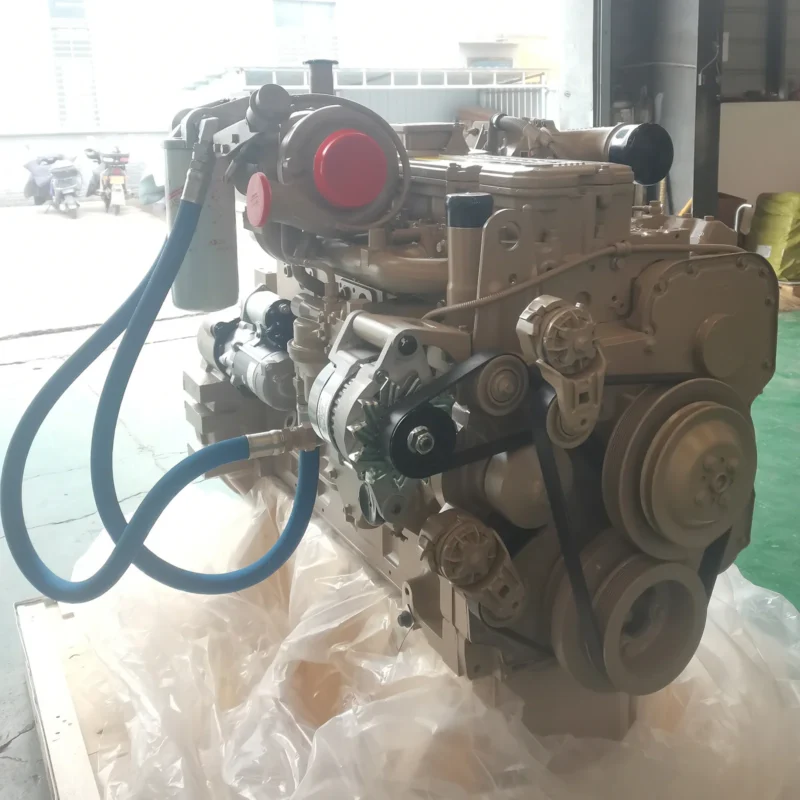
Commercial procurement parameters are entirely optimized for global industrial trade. The manufacturing facility supports a highly flexible MOQ of just 1 unit for bespoke engine configurations. Standard international packaging utilizes export-grade wooden crates to prevent complex transit damage.
Kangjin Power supports diverse and flexible shipping terms, including EXW, FOB, CFR, CIF, DDU, and DDP. For exact volume pricing, production lead times, and detailed export support, buyers can submit operational parameters through the QSC8.3 Diesel Engine product page. Procurement teams can also initiate direct communication with technical sales via the Contact Us portal.
FAQ
What is the standard MOQ for customized QSC8.3 diesel engines?
Professional B2B suppliers like Kangjin Power require a Minimum Order Quantity of just 1 unit for customized engine configurations. This low threshold allows OEM engineers to effectively validate physical prototypes.
How do manufacturers verify engine performance before export shipment?
Every completed unit undergoes comprehensive factory testing under simulated real-world load conditions. Buyers receive detailed electronic test data and operational verification videos before physical export.
What specific details are required to submit an accurate engine RFQ?
An effective Request for Quotation must include the specific engine model, required rated power, target RPM, and the intended machinery application. This technical data ensures accurate thermal and mechanical matching.
What warranty coverage applies to industrial B2B engine procurement?
Standard industrial OEM warranties typically cover main internal engine components for 6 months. Mechanical failures resulting from improper field operation or consumable wear are strictly excluded from coverage.
What are the standard packaging methods for international engine transport?
Export-standard heavy wooden box packaging is mandatory to secure the block during ocean or air transit. Delivery terms can be tailored to the buyer’s logistics network, including EXW, FOB, and DDP.
Reference Sources
- ISO 8528-1: Reciprocating internal combustion engine driven alternating current generating sets.
- ISO 3046-1: Reciprocating internal combustion engines — Performance standards and declarations.
- Official Kangjin Power Technical Specifications & Export Documentation for the QSC8.3 Engine Series.

