
Marine Diesel Engine for Sale: Technical Sourcing & Selection Guide

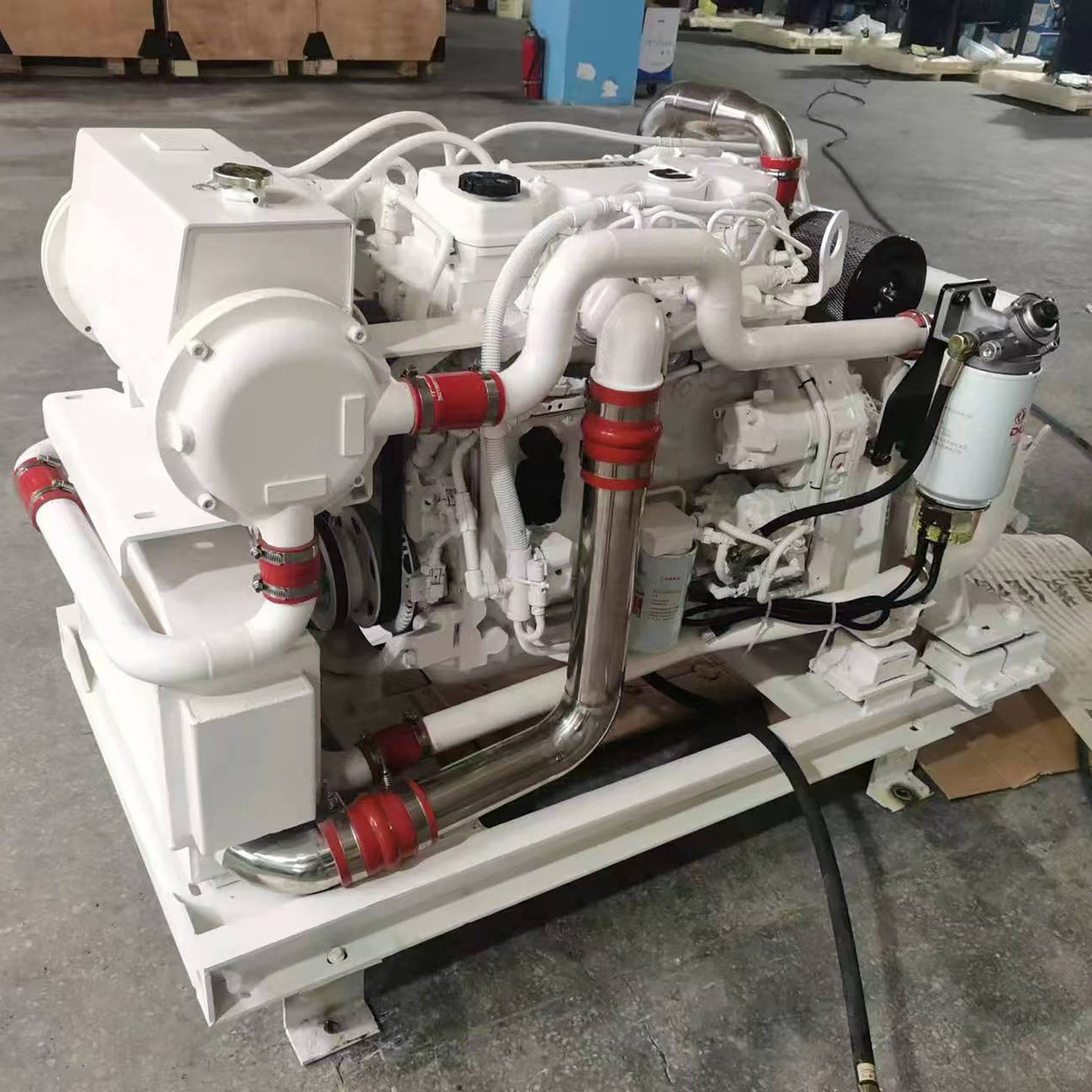
Selecting a marine diesel engine is a capital-intensive decision where the stakes extend far beyond the initial purchase price. In a maritime environment, the engine is not merely a component; it is the lifeblood of the vessel’s operational safety and economic viability. Whether you are repowering an existing tugboat or specifying a propulsion system for a new fishing fleet, understanding the nuances of power-to-weight ratios, fuel consumption curves, and emission compliance is critical.
When browsing a marine diesel engine for sale, the primary challenge is not finding an engine, but finding the right engine for a specific duty cycle. This guide provides the technical framework necessary for engineers, fleet managers, and OEM procurement specialists to make an informed investment.
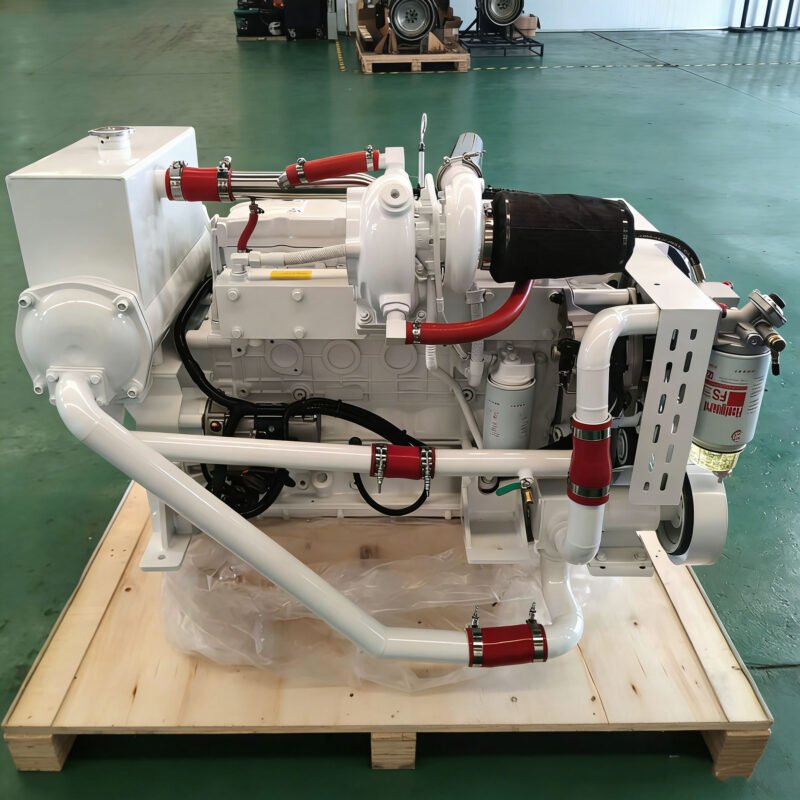
Understanding Duty Cycles: The Foundation of Engine Longevity
In the marine industry, engines are rated based on their intended usage patterns, commonly referred to as “Duty Cycles.” This is the first technical metric a buyer must evaluate.
- Continuous Duty (Rating A): Designed for vessels operating at constant load for 24 hours a day, 365 days a year. Examples include large ocean-going tankers or long-haul cargo ships.
- Heavy Duty (Rating B): For vessels like trawlers or tugboats that operate with high load factors but variable speeds.
- Intermittent Duty (Rating C/D): Common in ferries or offshore supply boats where the engine reaches full throttle for limited periods.
- Light Duty/Leisure (Rating E): High power-to-weight ratios for yachts or patrol boats where the engine runs at max RPM for only a small fraction of its operational life.
Purchasing a light-duty engine for a continuous-duty application is a common mistake that leads to premature mechanical failure, voided warranties, and catastrophic downtime.
Key Performance Indicators (KPIs) in Marine Propulsion
When evaluating a marine diesel engine for sale, look beyond the horsepower (HP) or Kilowatt (kW) rating. Professional buyers focus on the following technical specifications:
1. Brake Specific Fuel Consumption (BSFC)
Fuel typically accounts for 50-70% of a vessel’s operating costs. Compare the BSFC (measured in g/kWh) across the engine’s entire RPM range, not just at peak power. High-efficiency engines from brands like Cummins or Weichai often utilize advanced common-rail fuel injection to optimize combustion, significantly reducing the Total Cost of Ownership (TCO).
2. Displacement and Aspiration
Naturally aspirated engines are known for simplicity and reliability, but turbocharged and aftercooled (TTA) engines offer superior power density. For commercial vessels where engine room space is a premium, high-displacement turbocharged engines provide the necessary torque without the excessive weight of older, larger blocks.
3. Cooling Systems: Keel vs. Heat Exchanger
The choice of cooling system is dictated by the operating environment.
- Heat Exchanger Cooling: Uses a sea-water pump and an internal heat exchanger. It is compact but requires regular maintenance of the raw water circuit.
- Keel Cooling: Circulates coolant through tubes mounted outside the hull. This is the preferred choice for vessels operating in shallow, sandy, or debris-heavy waters where raw water intakes would easily clog.
Comparison of Popular Marine Diesel Engine Configurations
| Feature | Inline 6-Cylinder | V-Type (V8/V12) | High-Speed Diesel | Medium-Speed Diesel |
| Best For | Medium Trawlers/Tugs | Large Commercial Ships | Patrol/Pilot Boats | Heavy Industrial/Cargo |
| Maintenance | High accessibility | Complex/Requires Space | Frequent Overhauls | Long TBO Intervals |
| Torque Profile | Stable/Consistent | High Peak Torque | Dynamic Response | High Sustained Torque |
| Vibration | Lower (Inherent Balance) | Moderate | Moderate | High |
Regulatory Compliance: IMO Tier II and Tier III
Navigating the regulatory landscape is non-negotiable. The International Maritime Organization (IMO) sets strict limits on Nitrogen Oxide (NOx) emissions.
Most modern marine diesel engines for sale are built to IMO Tier II standards, which are suitable for many international waters. However, if your vessel operates within Emission Control Areas (ECAs)—such as the North American or North Sea coasts—you may require IMO Tier III compliant engines, which often involve Selective Catalytic Reduction (SCR) after-treatment systems. Always verify that the engine’s “Birth Certificate” (EIAPP certificate) matches your operational geography.
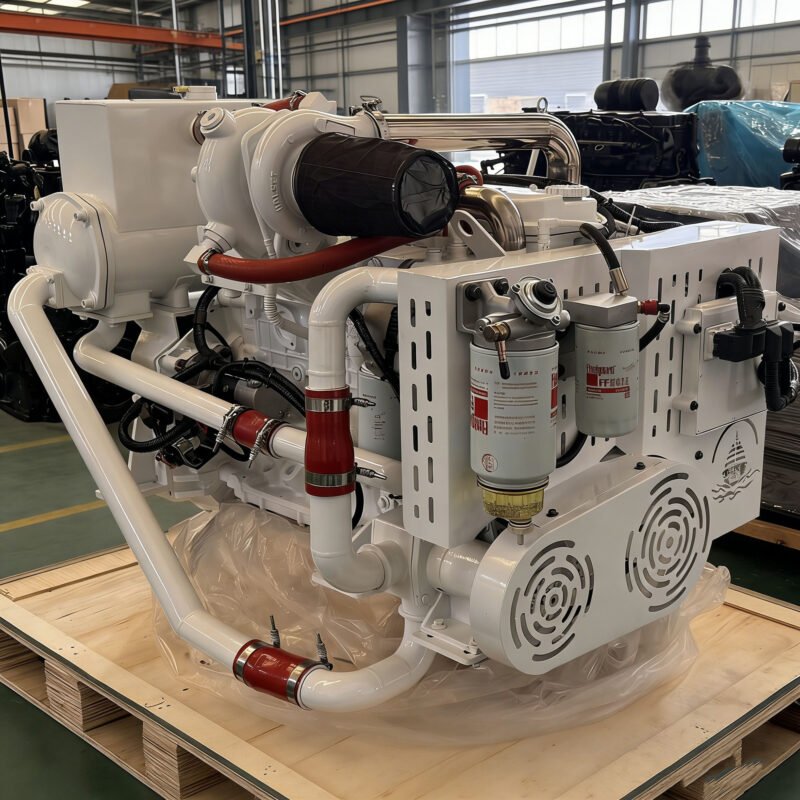
Sourcing Quality: Why OEM Partnerships Matter
For professional buyers, sourcing an engine is a relationship, not a transaction. AtKangjin Power’s Marine Engine Division, the focus is on providing integrated propulsion solutions rather than just “iron.”
When evaluating a supplier, verify their capability to provide:
- Customized PTO (Power Take-Off): Does the engine support the hydraulic pumps needed for winches or thrusters?
- Classification Society Certification: Can the engine be certified by CCS, BV, ABS, or DNV? This is often a requirement for insurance and commercial registration.
- Standardized Mounting: For repower projects, the ability to match existing engine beds can save thousands in shipyard fabrication costs.
The Procurement Workflow: From RFQ to Commissioning
If you are currently looking for a marine diesel engine for sale, follow this professional procurement sequence:
- Technical Definition: Define your required RPM, desired cruising speed, and propeller pitch.
- Compatibility Check: Ensure the engine’s flywheel housing (e.g., SAE 0, SAE 1) matches your existing or intended gearbox.
- Ancillary Assessment: Determine if the purchase includes the instrument panel, wiring harnesses, and vibration isolators.
- Factory Acceptance Test (FAT): For large orders, request a witnessed test run at the manufacturer’s facility to verify fuel consumption and vibration levels.
- Logistics and Commissioning: Marine engines are heavy-lift cargo. Ensure your supplier manages the protective coating for sea freight and provides on-site commissioning support to validate the warranty.
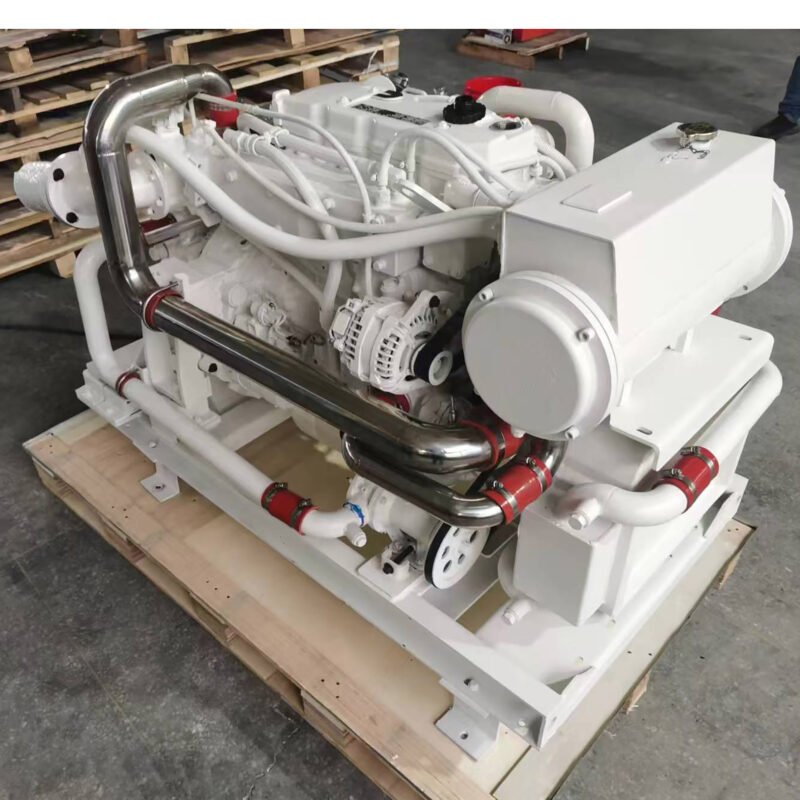
FAQ: Buying a Marine Diesel Engine
Q: What is the average lifespan (TBO) of a commercial marine diesel engine?
A: Time Between Overhaul (TBO) varies significantly by duty cycle. A high-speed engine might require a top-end overhaul at 5,000–10,000 hours, while a medium-speed, continuous-duty engine can often run for 20,000–30,000 hours before major intervention is needed, provided strict maintenance protocols are followed.
Q: Can I use a truck engine for a marine application?
A: Technically, the base blocks may be similar, but “marinization” is extensive. Marine engines require water-cooled manifolds (to keep engine room temperatures safe), corrosion-resistant components, specialized oil pans to handle vessel pitch and roll, and different fuel mapping for constant-load profiles. Using a non-marinized engine is a safety risk and usually illegal for commercial use.
Q: What are the lead times for custom marine engines?
A: Standard configurations may be available in 4–8 weeks. However, engines requiring specific classification certifications (like ABS or Lloyd’s) or custom PTO configurations can have lead times of 12–20 weeks. Planning your shipyard haul-out schedule around these lead times is critical.
Q: How do I choose between a mechanical or electronic fuel system?
A: Mechanical engines are favored in remote regions for their “fix-it-anywhere” simplicity and resistance to electrical failures. Electronic engines (Common Rail) offer significantly better fuel economy, lower smoke levels, and diagnostic data that can prevent catastrophic failures through early warning sensors.
Reference Sources:
- International Maritime Organization (IMO) – Nitrogen Oxides (NOx) – Regulation 13
- American Bureau of Shipping (ABS) – Rules for Building and Classing Marine Vessels
- ISO 3046-1:2002 – Reciprocating internal combustion engines — Performance

