
Diesel Water Pump Engine Price: B2B Cost & Procurement Guide

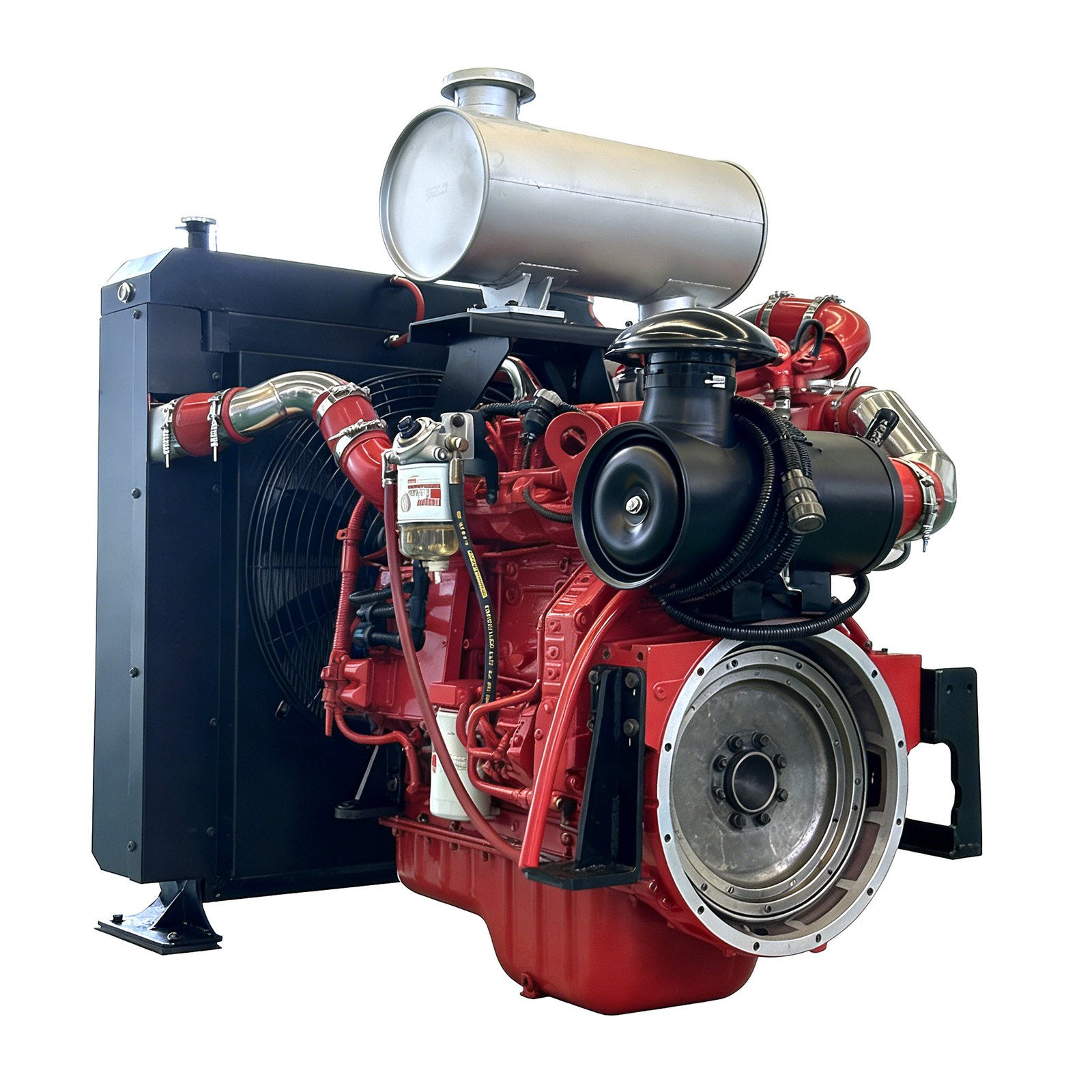
The acquisition of a diesel engine for water pumping applications is rarely a straightforward purchase based on a single sticker price. For engineers, OEM project managers, and procurement consultants, the “diesel water pump engine price” is a complex variable influenced by duty cycles, cooling architecture, and long-term thermal efficiency. Whether you are sourcing for agricultural irrigation, municipal drainage, or high-pressure firefighting systems, understanding the technical drivers behind the cost is essential for optimizing your Return on Investment (ROI).
This guide analyzes the current market pricing landscape, the engineering factors that dictate cost fluctuations, and the Total Cost of Ownership (TCO) considerations that separate entry-level units from industrial-grade power plants.
1. Primary Technical Drivers of Diesel Engine Pricing
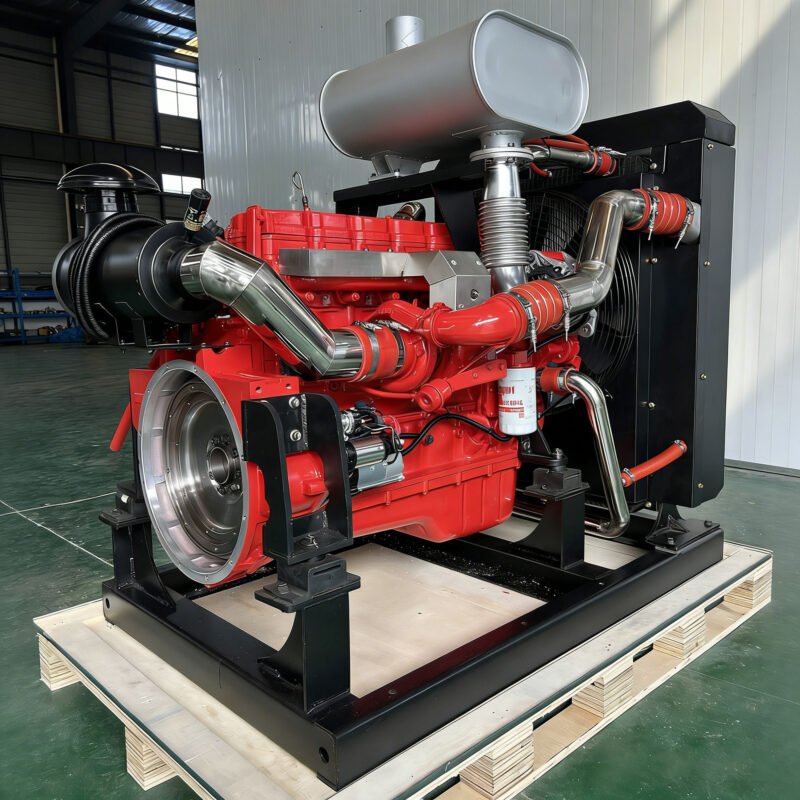
The price of a diesel water pump engine is fundamentally tied to its mechanical complexity and power density. Unlike standard automotive engines, industrial pump engines must maintain high torque at constant RPMs, often in harsh environmental conditions.
Displacement and Power Output
Naturally, horsepower (HP) or kilowatt (kW) ratings are the primary price determinants. However, the type of power delivery matters. A single-cylinder engine (typically 3HP to 15HP) is significantly more affordable, often ranging from $400 to $1,200 depending on the build quality. These are suitable for small-scale portable pumps.
Once you move into multi-cylinder territory (20HP to 500HP+), the price scales non-linearly. High-displacement engines require reinforced engine blocks, sophisticated fuel injection systems, and heavy-duty crankshafts to handle the continuous load of water displacement.
Cooling Systems: Air-Cooled vs. Water-Cooled
The cooling architecture is a major cost bifurcation point:
- Air-Cooled Engines: Generally more compact and less expensive. These are ideal for intermittent use or mobile units. However, they have stricter thermal limits which may affect longevity in tropical climates.
- Water-Cooled Engines: These represent a higher upfront investment but offer superior thermal stability. For continuous-duty applications—such as 24/7 mine dewatering—a water-cooled engine is mandatory to prevent premature component failure. The inclusion of radiators, water pumps, and thermostats adds to the initial diesel water pump engine price but extends the engine’s service life by thousands of hours.
2. Comparative Cost Analysis: Industrial Specifications
To provide a clear perspective for procurement teams, the following table outlines the expected price ranges based on typical industrial configurations.
| Engine Category | Typical Power Range | Cooling Type | Estimated Price Range (USD) | Primary Application |
| Small Portable | 4 – 12 HP | Air-Cooled | $350 – $950 | Small-scale irrigation, DIY |
| Mid-Range Industrial | 20 – 60 HP | Water-Cooled | $1,800 – $4,500 | Construction dewatering, AG |
| Heavy-Duty Pump | 80 – 150 HP | Water-Cooled | $5,000 – $9,500 | Municipal drainage, Firefighting |
| High-Capacity | 200+ HP | Turbocharged | $12,000+ | Large-scale flood control, Mining |
Note: Prices vary based on emission compliance (e.g., Tier 3 vs. Tier 4 Final) and regional logistics.
3. The Impact of Emission Standards on Procurement Costs
In the modern regulatory landscape, the “price” of an engine is heavily dictated by its emission certificate.
- Stage II / Tier 2 Engines: These are mechanically governed and generally the most cost-effective options for markets with relaxed emission laws. They are valued for their simplicity and ease of maintenance in remote areas.
- Stage V / Tier 4 Final Engines: These require Electronic Control Units (ECUs), Diesel Particulate Filters (DPF), and sometimes Selective Catalytic Reduction (SCR). These technologies can increase the base engine price by 30% to 50% compared to non-regulated models. For B2B buyers, it is crucial to match the engine’s emission level to the destination country’s legal requirements to avoid costly customs or operational blocks.
4. Why “Cheap” Engines Often Cost More: The TCO Perspective
For an OEM project manager, the purchase price is only roughly 20% of the engine’s lifetime cost. When evaluating the diesel water pump engine price, the following “hidden” factors must be calculated:
- Fuel Consumption Rates: A slightly more expensive engine with a high-efficiency Bosch-type fuel injection system can save thousands of liters of diesel over its lifespan. In continuous pumping, a 5% difference in fuel efficiency can pay back the engine’s initial cost within two years.
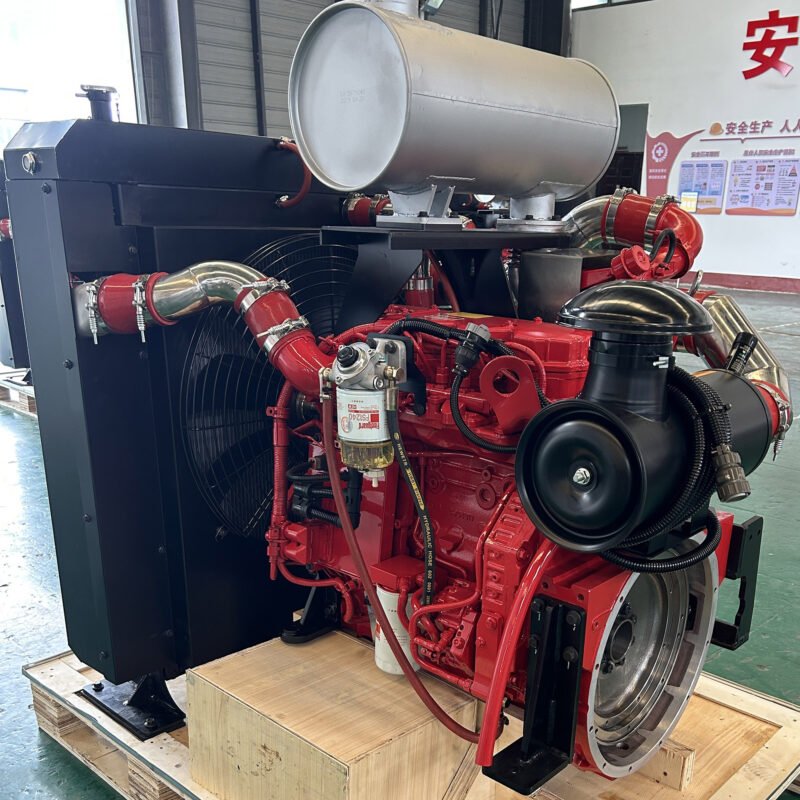
- Maintenance Intervals: Industrial engines designed with larger oil sumps and high-quality filtration systems (like those found in Kangjin Power’s engine lineup) allow for longer intervals between servicing, reducing labor costs and downtime.
- Vibration and Harmonic Balance: High-vibration engines lead to premature seal failure in the water pump itself. Investing in a well-balanced multi-cylinder engine protects the entire pump assembly, reducing secondary repair costs.
5. Application-Specific Pricing Considerations
The environment in which the pump operates will dictate necessary “add-ons” that influence the final quote:
- Emergency Firefighting: These engines often require UL/FM certification and redundant start systems (electric + manual/hydraulic). This compliance adds a significant premium to the engine price.
- Agricultural Irrigation: Priority is placed on fuel economy and the ability to run on lower-quality diesel. Reliability is key, but the extreme precision of firefighting engines is often not required, allowing for more competitive pricing.
- Mining & Slurry: Due to the abrasive environment, engines may need specialized air intake pre-filters and heavy-duty alternators, which adds to the bill of materials.
6. Selecting a Strategic Manufacturing Partner
When sourcing diesel water pump engines, the choice of supplier is as critical as the technical specs. High-tier manufacturers like Kangjin Power provide a balance between rigorous engineering standards and commercial viability.
For B2B buyers, look for partners who offer:
- Customization (OEM/ODM): The ability to adjust PTO (Power Take-Off) configurations to match specific pump impellers.
- Technical Documentation: Providing clear torque curves and fuel maps is a sign of engineering transparency.
- Support Ecosystem: Availability of wear parts (gaskets, injectors, filters) ensures the engine doesn’t become an expensive paperweight after its first service.
FAQ: Professional Procurement Insights
Q: Why is there such a large price gap between air-cooled and water-cooled diesel engines for pumps?
A: Air-cooled engines have fewer moving parts (no radiator, water pump, or coolant jackets), making them cheaper to manufacture. However, water-cooled engines are built for higher duty cycles and “enclosed” environments where airflow is limited. The price difference reflects the water-cooled engine’s ability to operate continuously without thermal derating.
Q: Can I use a stationary power generation diesel engine for a water pump?
A: While possible, it is not always cost-effective. Pump engines often require a different governor setup to handle variable loads and sudden head-pressure changes. Using a dedicated water pump engine ensures the torque curve matches the pump’s requirements, preventing engine “stalling” or excessive fuel consumption.
Q: How do I evaluate the price of Chinese-manufactured diesel engines vs. Western brands?
A: Modern Chinese industrial engines from reputable manufacturers now offer comparable reliability at a 30-50% lower price point. The key is to verify the core components (e.g., fuel pumps, bearings, and casting quality). Professional B2B suppliers will provide ISO certifications and detailed specification sheets to prove their build quality.
Q: What is the typical MOQ for OEM diesel water pump engines?
A: This varies by manufacturer, but for industrial-grade engines, MOQs often start as low as 1–5 units for standard configurations. For custom-engineered OEM projects involving specific mounting frames or specialized cooling systems, MOQs may be higher.
Reference Sources:
- International Organization for Standardization (ISO 8528-1:2018) – Reciprocating internal combustion engine driven alternating current generating sets.
- Engine Manufacturers Association (EMA) – Technical reports on industrial diesel performance and emissions.
- DieselNet – Technical information on diesel engine emissions and fuel systems.

