
Marine Diesel Engine for Sale: RFQ Guide & Service Rules

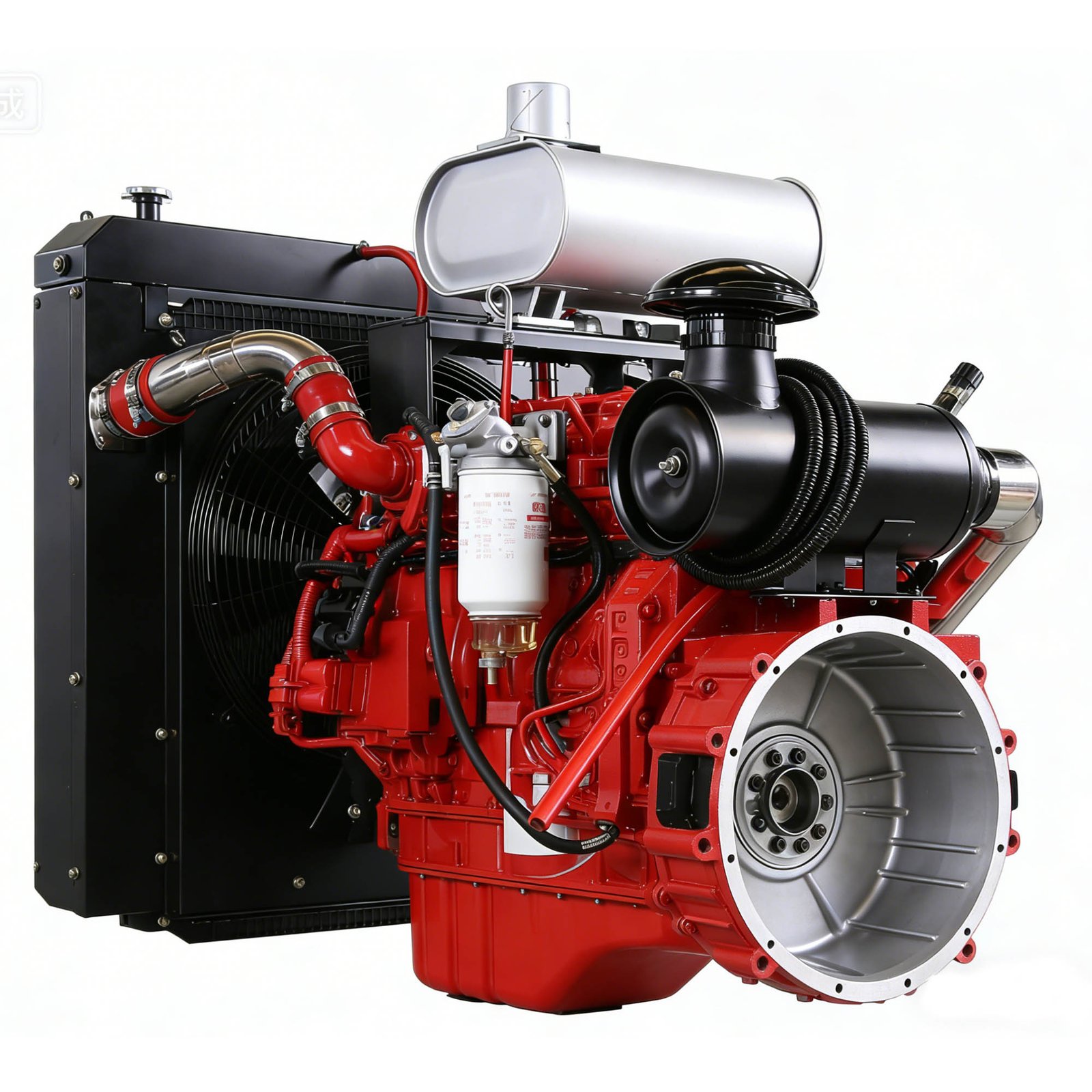
Finding a commercial marine diesel engine for sale requires strict technical evaluation. B2B buyers must prioritize long-term reliability and supplier capacity. A simple purchase order is never enough for complex marine propulsion systems. You need a complete procurement strategy.
Purchasing heavy machinery involves high capital risk. You must secure a reliable factory partner from the very beginning. This guide outlines the exact workflow for sourcing industrial marine engines.
Evaluating a Marine Diesel Engine for Sale in China
Chinese factories offer massive production capacity and cost advantages. However, buying a heavy-duty engine demands a thorough factory audit. You must verify the supplier’s quality control systems. Do they use proper testing dynamometers?
A reliable manufacturer will gladly share their compliance certificates. Look for factories with ISO 9001 certification. They should also meet international maritime standards. Genuine OEM factories always welcome third-party inspections.
Real manufacturers conduct strict dynamometer testing. They run the engine at full load to check temperatures. You should demand a printed test report for your specific serial number.
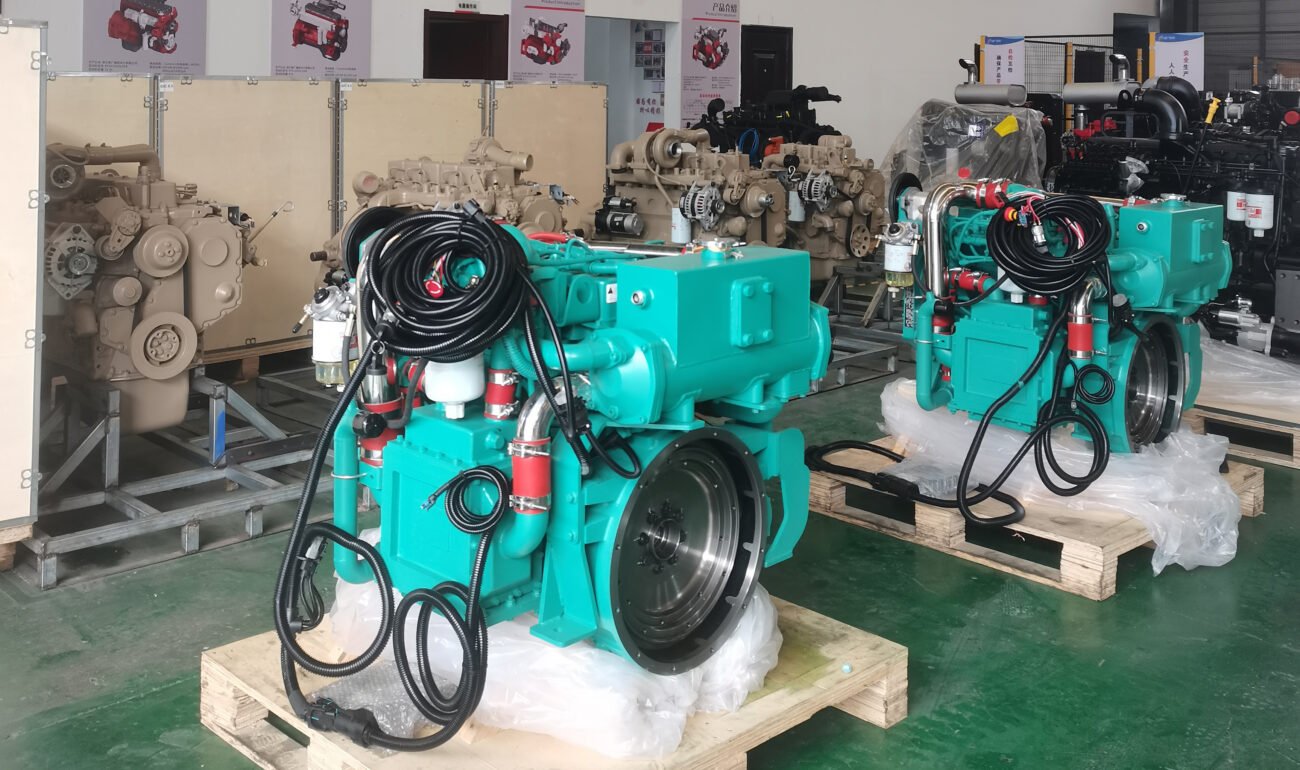
Packaging is another critical detail for ocean freight. Heavy engines must be secured in solid wooden crates. The crates should have moisture barrier bags inside. This prevents rust during long transit times across the ocean.
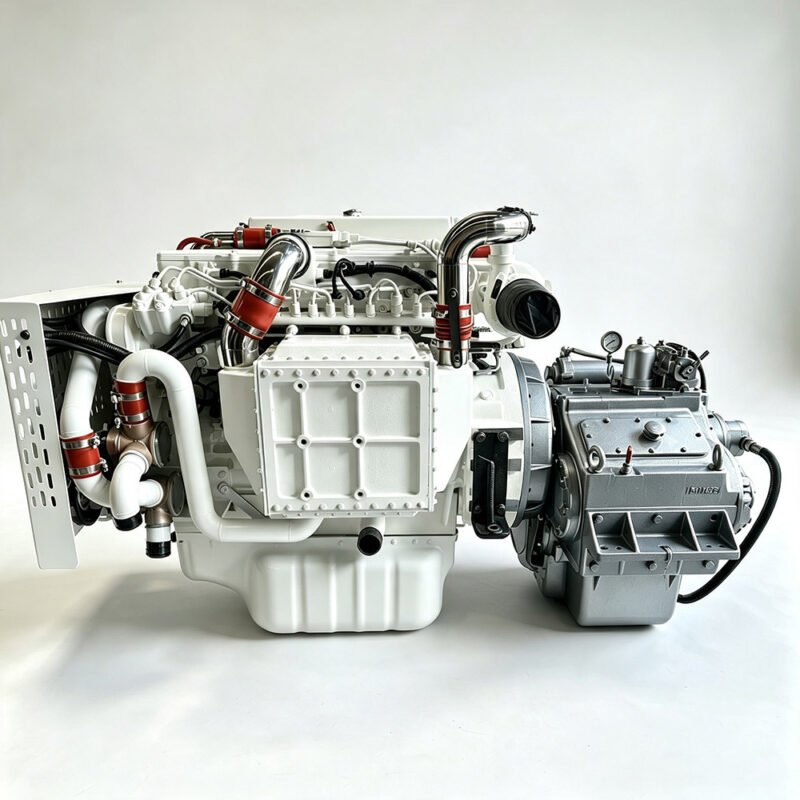
Which Vessels Require Custom Marine Propulsion?
Different commercial vessels have unique power demands. You cannot use a generic engine for every boat. Engineers must match the continuous power rating to the hull design.
Commercial Fishing Boats
These boats operate in harsh saltwater conditions. They require highly durable engine blocks. Easy access to spare parts is also critical at sea. Space inside the engine room is often quite limited.
Tugboats and Barges
Towing requires maximum torque at low speeds. These vessels rely on heavy-duty continuous ratings. The engines must run at full load without overheating. Robust cooling systems are absolutely vital here.
Passenger Ferries
Ferries need smooth and quiet operation. Strict emission compliance is usually mandatory near coastal cities. Customized exhaust systems are often necessary to meet local regulations.
Offshore Supply Vessels
These ships support remote oil rigs and platforms. They require dual-engine setups for safety redundancy. Reliability is the ultimate priority in these offshore environments.
How to Manage the RFQ Workflow
Sending a broad inquiry will get you inaccurate quotes. You must build a highly detailed Request for Quote (RFQ). This prevents costly mistakes during production.
Always specify your exact technical requirements upfront. A good RFQ filters out unqualified trading companies. It helps you connect directly with capable manufacturers.
Include these technical details in your RFQ:
- Required continuous horsepower (HP) or Kilowatts (kW).
- Desired engine RPM limits and gear ratios.
- Heat exchanger or keel cooling preferences.
- Emission standard requirements (IMO Tier III or EPA Tier 3).
- Classification society approvals (CCS, ABS, or DNV).
Be specific about your power take-off (PTO) needs. Let the factory know if you plan to run heavy hydraulic pumps. The engine flywheel must match your chosen marine gearbox exactly.
You should also define your electrical system voltage. Most commercial vessels run on 24-volt systems. Ensure the factory provides the correct starter motor and alternator.
Most Chinese marine engine factories have a Minimum Order Quantity (MOQ) of one unit. Lead times usually run between 60 and 120 days. Custom ODM projects will take significantly longer.
Planning Your Diesel Engine Service Intervals
Maintenance is a major factor in total ownership costs. You must follow strict diesel engine service intervals. This protects your investment and ensures crew safety.
Skipping regular service leads to sudden breakdowns. It will also void the manufacturer’s warranty. Every procurement manager should secure a long-term spare parts agreement.
Standard service schedule for commercial engines:
| Operating Hours | Required Maintenance Action |
| Daily | Inspect oil levels, coolant, and check for leaks. |
| 250 Hours | Replace standard engine oil and oil filters. |
| 500 Hours | Change primary fuel filters and drain water separators. |
| 1,500 Hours | Check and adjust engine valve clearances. |
| 3,000 Hours | Flush cooling systems and clean heat exchangers. |
Always ask the factory for the exact maintenance manual. High-volume buyers often keep extra filters and belts on board. Environmental factors can also change these schedules. Engines running in dirty water need more frequent cooling checks.
Vibration levels should be monitored weekly. Excessive vibration often points to engine mount failures or shaft misalignment. Catching this early prevents severe internal engine damage.
Partnering with Kangjin Power for OEM Solutions
Finding a factory with true customization capabilities is rare. You need a partner who understands marine engineering. They must offer robust export support and transparent technical data.
Xiangyang Kangjin Power Technology Co., Ltd. is a prime example of a reliable OEM manufacturer. They specialize in building durable diesel engines for commercial use. They supply popular models like the 6LTAA9.5, QSB3.9, and QSL9.5 directly to global buyers.
Their factory provides full OEM and ODM customization services. You can evaluate their production capacity and explore their marine diesel engine for sale options online. Partnering with a proven factory ensures your vessel operates safely and efficiently.
FAQ
What is the standard MOQ for commercial marine engines?
The Minimum Order Quantity (MOQ) for heavy-duty marine engines is typically one unit. Some factories may require larger volume orders for highly customized ODM parts.
How do I verify a Chinese marine engine supplier?
You should request their ISO 9001 certificates and export licenses. Ask for videos of engine dynamometer testing. Hiring a local third-party inspector is also a smart strategy.
What are the average production lead times?
Standard engine builds take between 60 and 90 days. Fully customized engines can take up to 120 days. Ocean freight will add another 30 to 45 days.
Do these engines meet global maritime emission rules?
Top Chinese manufacturers can build engines to meet IMO Tier III standards. You must specify your required emission tier during the RFQ phase.
How do I manage spare parts for my engine?
Discuss aftermarket support before placing your order. Request a two-year spare parts package with your initial purchase. This guarantees you have the right components for upcoming maintenance.
Reference Sources
- International Maritime Organization (IMO): MARPOL Annex VI – Regulations for the Prevention of Air Pollution from Ships.
- ISO 9001:2015: Quality management systems — Requirements for manufacturing facilities.
- China Classification Society (CCS): Rules for Classification of Sea-going Steel Ships.
- ASTM D975-21: Standard Specification for Diesel Fuel Oils.

