
Best Diesel Engine for Generator: A Technical Selection Guide

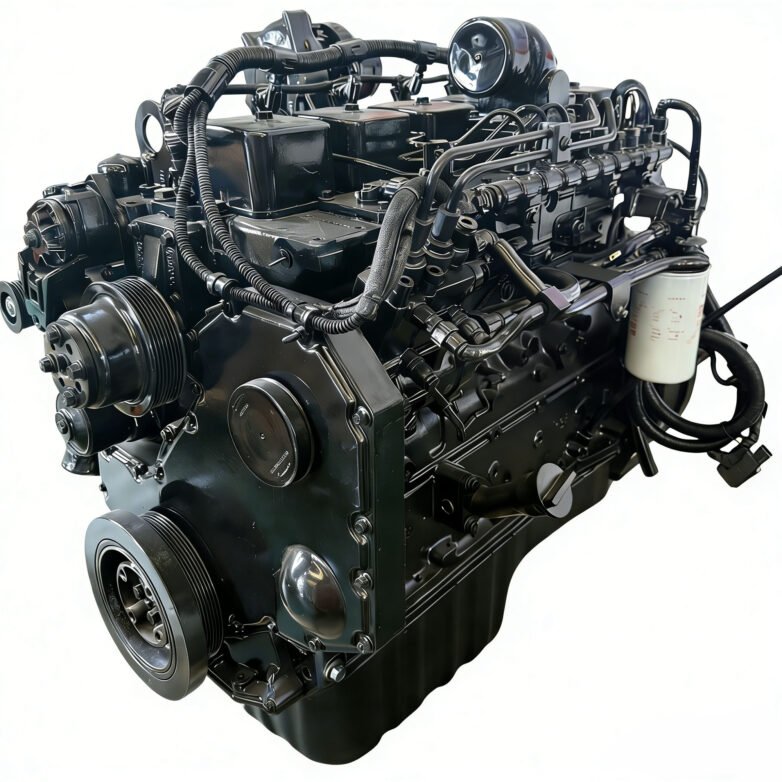
When engineering a power generation system, selecting the best diesel engine for generator applications determines overall reliability. The engine accounts for a significant portion of the total genset cost. Therefore, technical compatibility is the highest priority for original equipment manufacturers (OEMs).
Project managers must evaluate load-step acceptance, thermal stability, and long-term fuel consumption. This guide explores the engineering criteria needed to evaluate heavy-duty diesel engines. We will analyze governor types, operational classifications, and crucial procurement factors.
What Defines the Best Diesel Engine for Generator Applications?
Selecting a superior engine goes beyond looking at raw horsepower. The best diesel engine for generator sets must comply with stringent power stability standards. ISO 8528 classifies electrical performance into distinct categories like G1, G2, G3, and G4.
These categories dictate the required voltage and frequency stability during operation. To meet these strict standards, engineers evaluate specific mechanical performance attributes. First, transient response is absolutely critical for maintaining reliable electrical output.
This metric defines how quickly the engine recovers its rated speed after a sudden block load. High-performance engines utilize optimized turbochargers to prevent stalling during these extreme power transitions. Fuel efficiency is another defining technical characteristic for continuous operations.
Industrial diesel engines are evaluated based on their specific fuel consumption. This metric is typically measured in grams per kilowatt-hour (g/kWh). Lower consumption directly translates to improved return on investment for high-capacity power plants.
Engine power density determines the kilowatt output relative to overall block displacement. A higher power density allows OEMs to design highly compact, containerized genset packages. This footprint reduction is vital for mobile generator configurations and constrained facility spaces.
Regional emission compliance directly impacts the procurement of generator engines. Tier 4 Final or Stage V engines utilize complex aftertreatment systems like DPF and SCR. These advanced emission systems reduce particulate matter but add significant manufacturing costs.
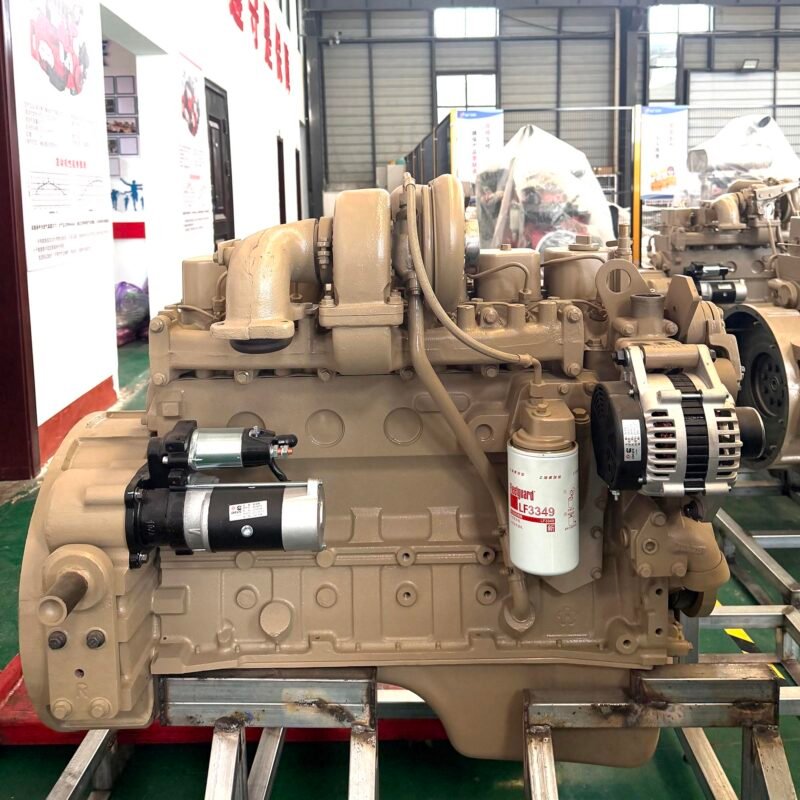
Prime Power vs. Standby Generation Environments
The physical demands placed on a diesel engine change drastically depending on the operational environment. You must classify the application accurately before selecting an engine block. Failure to do so can result in system failures and voided warranties.
In standby generation scenarios, engines remain dormant for extended periods of time. However, they must start instantly and accept full load within seconds during a grid failure. Standby engines prioritize rapid cold-start capabilities over continuous long-term fuel efficiency.
Block heaters and high-capacity starter motors are mandatory for these critical backup configurations. Conversely, prime power applications require continuous and reliable daily operation. These engines run indefinitely at variable loads in areas without grid access.
Prime power engines serve as the primary power source for remote mining or construction sites. They prioritize thermal durability and significantly extended operational maintenance intervals. Components like heavy-duty cooling systems and robust oil filtration mechanisms are strictly required.
For continuous power systems, the engine operates at a constant 100% capacity load. In large-volume production, OEMs match these engines with oversized alternators to prevent thermal degradation. Automotive environments typically require different tuning compared to stationary generator applications.
Prime power engines consume massive quantities of fuel over their operational lifespan. Therefore, OEMs must design secondary bulk fuel storage systems for these continuous units. Extended runtime capacities heavily influence the overall physical footprint of the genset package.
Mechanical vs. Electronic Governors: Technical Tradeoffs
Engine speed control is vital for generating a stable AC electrical frequency. Generators must maintain a strict 50Hz or 60Hz output to prevent damage to connected equipment. The governor mechanism regulates fuel delivery based on real-time electrical load demands.
Mechanical governors use internal centrifugal flyweights to physically adjust the fuel throttle. These traditional systems are highly durable and perform exceptionally well in harsh environments. However, they typically exhibit a frequency droop of 3% to 5% during load changes.
This mechanical variance is acceptable for basic construction machinery and simple lighting towers. Yet, it remains completely unsuitable for powering sensitive electronics or critical medical infrastructure. Electronic governors provide superior isochronous speed control for demanding generator applications.
These modern systems utilize magnetic pickup sensors to monitor flywheel RPM with extreme precision. The electronic control module (ECM) adjusts the engine fuel injection instantaneously. This precise digital control maintains frequency deviation securely below 0.25 percent.
Electronic stability makes these engines ideal for telecommunications and data center backup systems. While electronic systems offer better performance, they require specialized diagnostic computer tools. Mechanical engines still remain popular in remote regions where advanced technical support is unavailable.
Here is a quick technical comparison of standard governor types:
| Feature | Mechanical Governor | Electronic Governor |
| Speed Control | Centrifugal flyweights | Magnetic pickup & ECM |
| Frequency Droop | 3% to 5% | Under 0.25% |
| Application Fit | Construction machinery | Data centers, telecom |
| Maintenance | Basic hand tools | Specialized diagnostic software |
Electronic engines benefit greatly from routine load bank testing procedures. This artificial electrical load prevents carbon buildup inside the engine combustion chamber. Regular load banking verifies that the ECM responds accurately to simulated power failures.
Selecting the Best Diesel Engine for Generator Sets Based on Output
The structural relationship between engine displacement and alternator capacity dictates overall system stability. An undersized engine will inevitably stall under heavy transient load spikes. Conversely, an oversized engine operating below 30% capacity will experience harmful wet stacking.
Wet stacking causes unburned diesel fuel to accumulate dangerously inside the exhaust system. For mid-range generators operating between 50kW and 150kW, 3.9L to 5.9L displacements are standard. Models like the Cummins 4BTA3.9 and 6BT5.9 series provide excellent and reliable torque response.
These proven platforms utilize simplified inline-pump fuel systems for maximum operational lifespan. Their mechanical reliability makes them highly preferred for rental fleets and commercial standby units. For heavy-duty industrial applications exceeding 200kW, much larger engine displacements are strictly necessary.
Platforms like the 6CTA8.3 and the 6LTAA8.9 are engineered for high-demand commercial sectors. These robust platforms feature advanced air-to-air charge cooling to maximize internal combustion efficiency. When evaluating reliable sourcing options, specialized OEM platforms provide proven industrial power solutions.
Xiangyang Kangjin Power Technology supplies robust models engineered for heavy-duty applications. They offer the 6LTAA9.5 diesel engine, which is designed specifically for 300KW generator sets. Partnering with a specialized supplier ensures the engine configuration perfectly matches the required alternator.
The physical mating of the engine and alternator requires standard SAE flywheel dimensions. Mismatched components cause severe torsional vibration, which destroys internal engine bearings over time. Engineers must calculate the precise coupling tolerances before approving a new prototype build.
OEM Supplier Evaluation and Procurement Workflow
Procuring engines for mass genset production requires a strict and documented supplier validation process. Industrial B2B buyers must prioritize manufacturers that provide comprehensive technical testing documentation. Consistent manufacturing production capacity is also vital for maintaining stable assembly line operations.
The RFQ workflow should clearly define the required environmental emission standards upfront. Depending on the destination market, engines must comply with specific regional environmental regulations. Tier 4 Final or EU Stage V compliances are mandatory for highly regulated markets.
Non-regulated engines are typically restricted to emerging markets or specific off-road industrial applications. OEM procurement teams must also evaluate the supplier’s detailed customization capabilities. Can the manufacturer integrate specific tropical cooling packages or custom SAE flywheel housings?
Production lead times are equally critical when planning a bulk generator manufacturing schedule. Standard engine blocks generally require a typical lead time of 30 to 45 days. However, highly customized power configurations often take significantly longer to engineer and test.
Engineering teams must verify the supplier’s warranty policies and global spare parts availability. A reliable factory partner will provide distinct testing certificates before initiating international shipments. They should also offer transparent MOQ requirements for initial prototype testing and trial orders.
Quality inspection protocols must be established tightly before mass production begins. Engine blocks should undergo rigorous dynamometer testing to verify their continuous kilowatt rating. Factory acceptance tests (FAT) guarantee that each manufactured unit meets the OEM baseline specifications.
Here are the key factors for evaluating a B2B engine supplier:
- Availability of ISO 8528 compliant performance testing data.
- Capacity for custom radiator and housing modifications.
- Transparency in international warranty terms and spare parts supply.
- Clear minimum order quantities (MOQ) for new OEM projects.
FAQ
What is the typical lead time for bulk industrial generator engines?
Standard engine models typically require 30 to 45 days for manufacturing. Customized units with specific cooling packages or non-standard flywheels may extend this timeline. Sampling delays may occur when specialized third-party testing is mandated by the buyer.
How does a sudden block load affect diesel engine transient response?
A sudden block load causes an immediate drop in electrical frequency and engine RPM. The transient response measures exactly how fast the engine regains its target rotational speed. High-quality engines use highly responsive turbochargers to recover seamlessly without stalling.
What is the standard MOQ for customizing OEM generator engine builds?
Most industrial engine suppliers require an MOQ of 1 to 5 units for initial trial orders. Bulk financial discounts and custom engineering support usually apply to larger ongoing procurement contracts. It is recommended to start with a prototype validation order.
Can a prime power diesel engine be used in a standby generator set?
Yes, but it is typically not cost-effective for the genset manufacturer. Prime engines feature oversized cooling and oil systems designed specifically for constant use. Standby applications require rapid-start components instead of heavy-duty continuous-run upgrades.
Reference Sources
- Xiangyang Kangjin Power Technology Co., Ltd. – Official Power Generation Engine Products.
- ISO 8528-1:2018 – Reciprocating internal combustion engine driven alternating current generating sets.
- EPA Nonroad Compression-Ignition Engines: Exhaust Emission Standards.
- IEEE Standard 115-2019 – Guide for Test Procedures for Synchronous Machines.

