
How to Identify a Cummins Engine Model Before Replacement

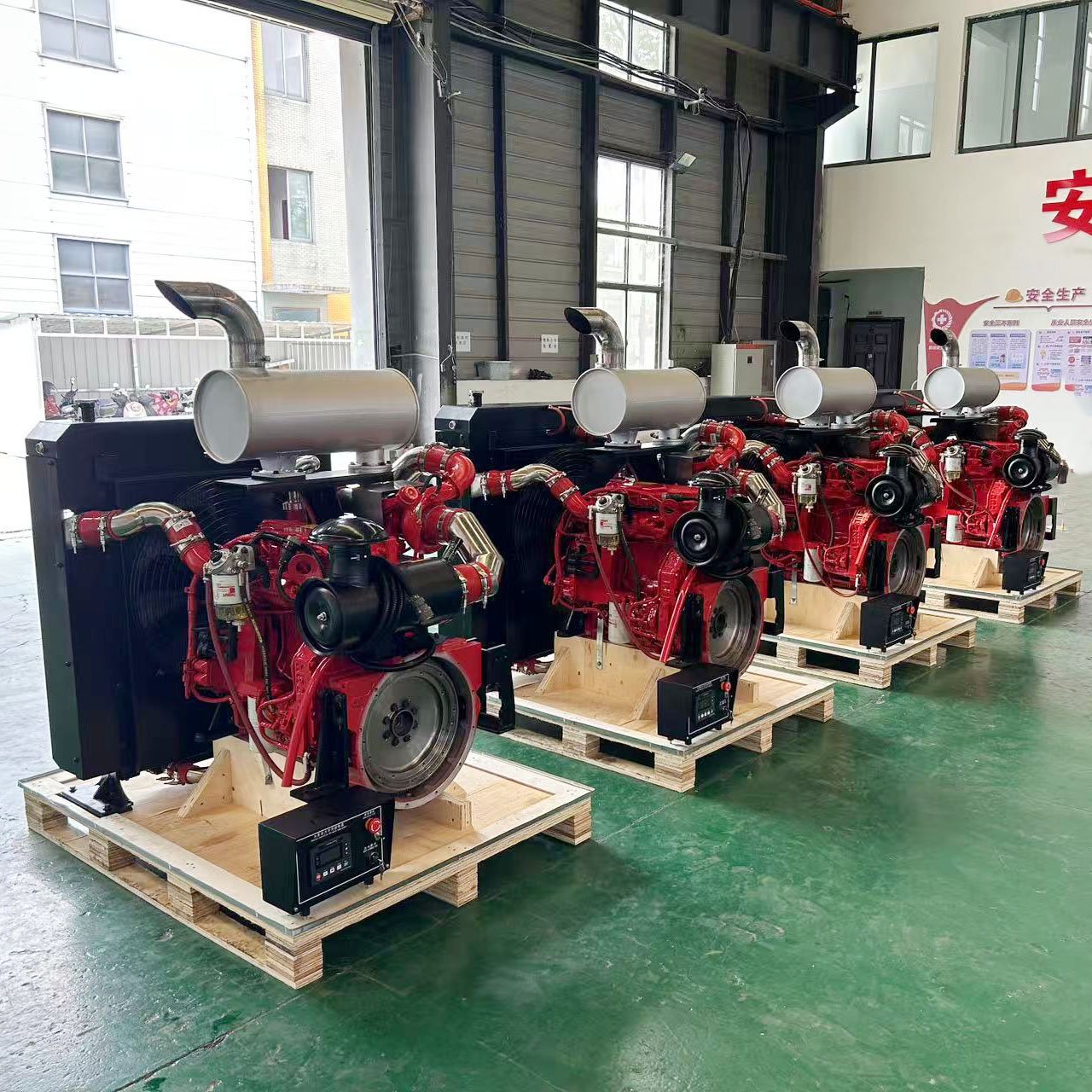
To identify a Cummins engine model before ordering a replacement, locate the engine dataplate and record the complete model name, Engine Serial Number (ESN), Control Parts List (CPL), and rated horsepower and RPM. These details help establish the engine’s original configuration and identify the correct replacement specification. If the dataplate is missing or unreadable, check the engine block for its stamped serial number and use Cummins’ official service resources to retrieve the associated records.
Identifying an engine by displacement alone is not sufficient. Two Cummins engines with the same displacement can have different fuel systems, power ratings, cooling arrangements, emissions equipment, and mounting interfaces.
For equipment owners, maintenance teams, and replacement-engine buyers, the goal is to identify the exact configuration—not merely recognize the engine family.
Start with the Cummins Engine Dataplate
The engine dataplate is usually the most useful starting point. It contains identification information specific to the engine, although its appearance and location vary by model and manufacturing plant.
Depending on the engine generation, the plate may be attached to the rocker cover, gear housing, or another designated area.
Cummins documentation identifies several important fields that help technicians retrieve the correct service information.
| Dataplate Information | What It Tells You |
|---|---|
| Engine Serial Number (ESN) | Identifies the individual engine |
| Engine model | Identifies the engine’s model designation |
| Control Parts List (CPL) | Identifies a particular component configuration |
| Rated horsepower and RPM | Shows the published power rating and speed |
| Emissions information | Helps establish the applicable emissions configuration |
| Build information | May include production or factory details |
The ESN is especially important because it connects the physical engine to its manufacturer records. Cummins ESNs commonly consist of eight digits, but the number should be transcribed exactly as shown rather than inferred from a model name.
Before cleaning or removing a dataplate, photograph it clearly. Record every legible field, including any suffixes or additional configuration codes.
How to Find the ESN if the Dataplate Is Missing
A missing dataplate does not necessarily mean the engine cannot be identified.
Cummins provides model-specific instructions for locating the ESN on the engine block. The location varies, so there is no single position that applies to every Cummins engine.
For example, certain QSB4.5 service documentation identifies the engine block marking near the top of the lubricating oil cooler housing as an alternative identification location. Other engine families may use different locations.
Use the following approach:
- Identify the approximate engine family. Note the cylinder count, general layout, and visible model markings.
- Consult the correct engine manual. Open the engine-identification section for that specific family.
- Inspect the specified block location. Look for stamped characters on the machined surface, not ordinary casting numbers.
- Photograph the marking. Clean the area carefully without grinding, sanding, or damaging the stamped characters.
- Verify the number through Cummins records. Use the ESN to retrieve the engine’s identification and parts information.
Casting numbers and component part numbers can help with investigation, but they should not be mistaken for the engine serial number.
If the number is damaged, altered, or cannot be read confidently, consult an authorized Cummins service location rather than guessing.
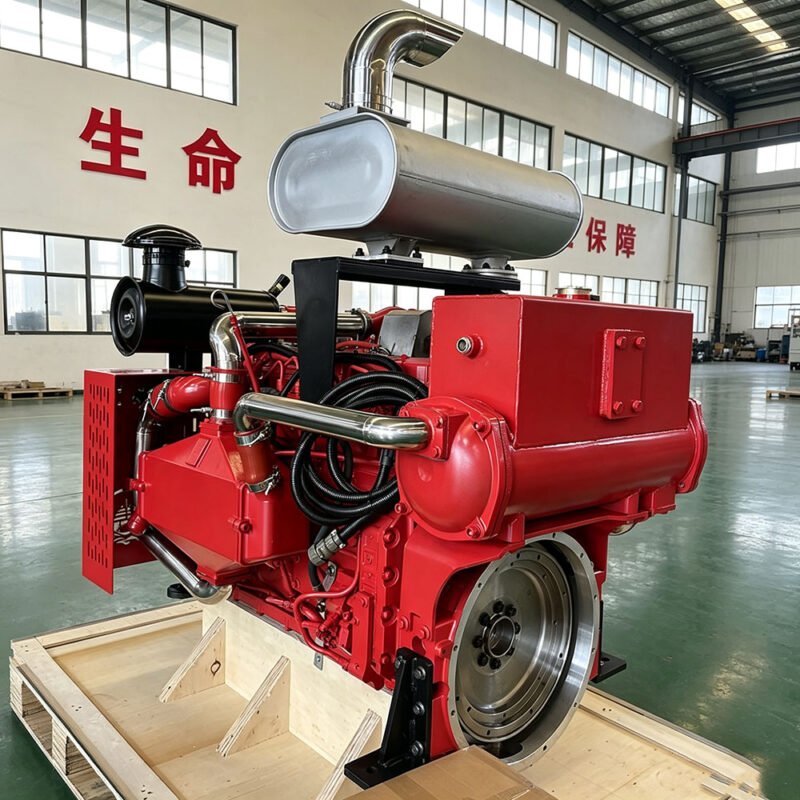
Why the ESN and CPL Matter More Than Displacement
Engine model names provide a useful starting point, but they do not always identify every detail needed for a replacement.
The ESN identifies the individual engine. The CPL identifies a particular component configuration and helps technicians determine which parts and specifications apply.
This distinction matters because engines within one family may have different turbochargers, fuel pumps, injectors, oil pans, flywheel housings, or emissions systems.
Consider the Cummins B Series:
- 6BT5.9: A 5.9-liter engine family associated with traditional mechanical fuel-injection configurations.
- QSB4.5: A 4.5-liter electronically controlled engine family used in industrial applications.
- QSB6.7: A 6.7-liter electronically controlled family with multiple industrial ratings.
Kangjin Power’s Cummins engine models guide explains the relationships between these engine families.
However, identifying an engine as a 6BT5.9 or QSB6.7 is only the beginning. The complete model designation, ESN, and applicable CPL are needed to narrow down the original configuration.
Verify the Engine Model Through Cummins QuickServe Online
Once the ESN has been recorded, use Cummins’ official technical resources to verify the engine information.
Cummins QuickServe Online provides engine-specific service information, parts catalogs, and dataplate records. Access to certain information may require registration.
A practical verification process is:
- Open Cummins QuickServe Online.
- Enter the engine serial number using the available engine-identification or lookup functions.
- Review the engine dataplate information and model designation.
- Locate the applicable parts catalog and service documentation.
- Confirm the original configuration and relevant part numbers.
- Check whether the records indicate an updated or superseded component.
Do not rely solely on a generic internet search for the model name. Official engine-specific records provide a more reliable basis for determining which parts and service procedures apply.
If the ESN does not return an expected result, check the transcription and consult a Cummins service representative if necessary.
Match the Replacement Engine to the Original Equipment
Identifying the engine correctly does not automatically establish that another engine will fit.
A replacement must satisfy the equipment’s mechanical, performance, control, and regulatory requirements.
| Compatibility Check | Information to Confirm |
|---|---|
| Engine rating | Horsepower, torque, and rated RPM |
| Physical dimensions | Length, width, height, and service clearances |
| Mounting | Bracket positions and engine support arrangement |
| Flywheel housing | SAE size and mounting interface |
| Flywheel and coupling | Drive pattern, engagement, and torque capacity |
| Cooling system | Radiator, fan, charge-air cooler, and connections |
| Fuel system | Mechanical or electronic configuration |
| Electrical controls | ECM, wiring harness, sensors, and machine interfaces |
| Emissions | Applicable certification and aftertreatment equipment |
For instance, replacing a traditional 6BT with a QSB6.7 may provide a different power range, but the change can require modifications to mounting, wiring, cooling, and exhaust systems.
The engine must also match the driven equipment’s torque requirements and working speed.
Kangjin Power’s guide to Cummins engine fitment for construction equipment discusses these compatibility checks in more detail.
Common Identification Mistakes That Lead to Incorrect Orders
Several recurring mistakes can cause an engine to be identified incorrectly.
Using displacement as the only identifier. A 6.7-liter engine designation does not establish the exact power rating, emissions configuration, or mounting arrangement.
Confusing the ESN with a casting number. Casting marks identify components or castings and may appear on multiple engines. They are not substitutes for the ESN.
Ignoring model suffixes. Suffixes and configuration codes can distinguish engines with different ratings, applications, or accessories.
Ordering by horsepower alone. Two engines with the same rated horsepower may have different torque curves, rated speeds, flywheel housings, and control systems.
Assuming every component is interchangeable within a family. Shared displacement or engine architecture does not guarantee that fuel-system parts, turbochargers, or installation components are identical.
Overlooking emissions requirements. An older engine may not meet the requirements for a newer machine or destination market, even if it can be installed mechanically.
When sourcing replacement components, the same identification discipline applies to individual parts. Kangjin Power’s article on choosing Cummins engine spare parts explains why accurate engine identification is important when checking component compatibility.

Frequently Asked Questions
Where is the Cummins engine model number located?
It is usually shown on the engine dataplate. Depending on the engine family, the plate may be mounted on the rocker cover, gear housing, or another specified location.
Can I identify a Cummins engine using only the serial number?
The ESN is one of the most reliable identifiers because it can be used to retrieve engine-specific records. For replacement work, also verify the model, CPL, rated power, RPM, and installation requirements.
What is the difference between ESN and CPL?
The ESN identifies the individual engine. The CPL identifies a particular component configuration and helps determine which parts and specifications apply.
What should I do if the dataplate is missing?
Consult the correct engine manual for the physical ESN location. If the number is stamped on the block, record it carefully and verify it through Cummins’ official service resources.
Is the same Cummins engine model always interchangeable?
No. Engines sharing a family name or displacement may differ in power rating, emissions equipment, accessories, and mounting interfaces. Compatibility must be checked against the original engine and equipment specifications.
What information should I provide when requesting a replacement engine?
Provide the ESN, full engine model, CPL, rated horsepower and RPM, application, and photographs of the dataplate and mounting interfaces. If the ESN is unavailable, provide all legible markings and consult a qualified service specialist before confirming the configuration.
Summary
Identifying a Cummins engine correctly starts with the dataplate and Engine Serial Number. The model designation, CPL, rated horsepower, RPM, and emissions information help establish which configuration was originally built.
For replacement work, these records should be combined with physical measurements and equipment requirements. Checking the flywheel housing, mounting positions, cooling system, fuel controls, and emissions configuration helps prevent ordering an engine that appears similar but requires costly modifications.
The safest approach is to verify the ESN through Cummins’ official technical resources and match the resulting specifications to the equipment before confirming a replacement

