
How to Extend Your Heavy Equipment Diesel Engine Life

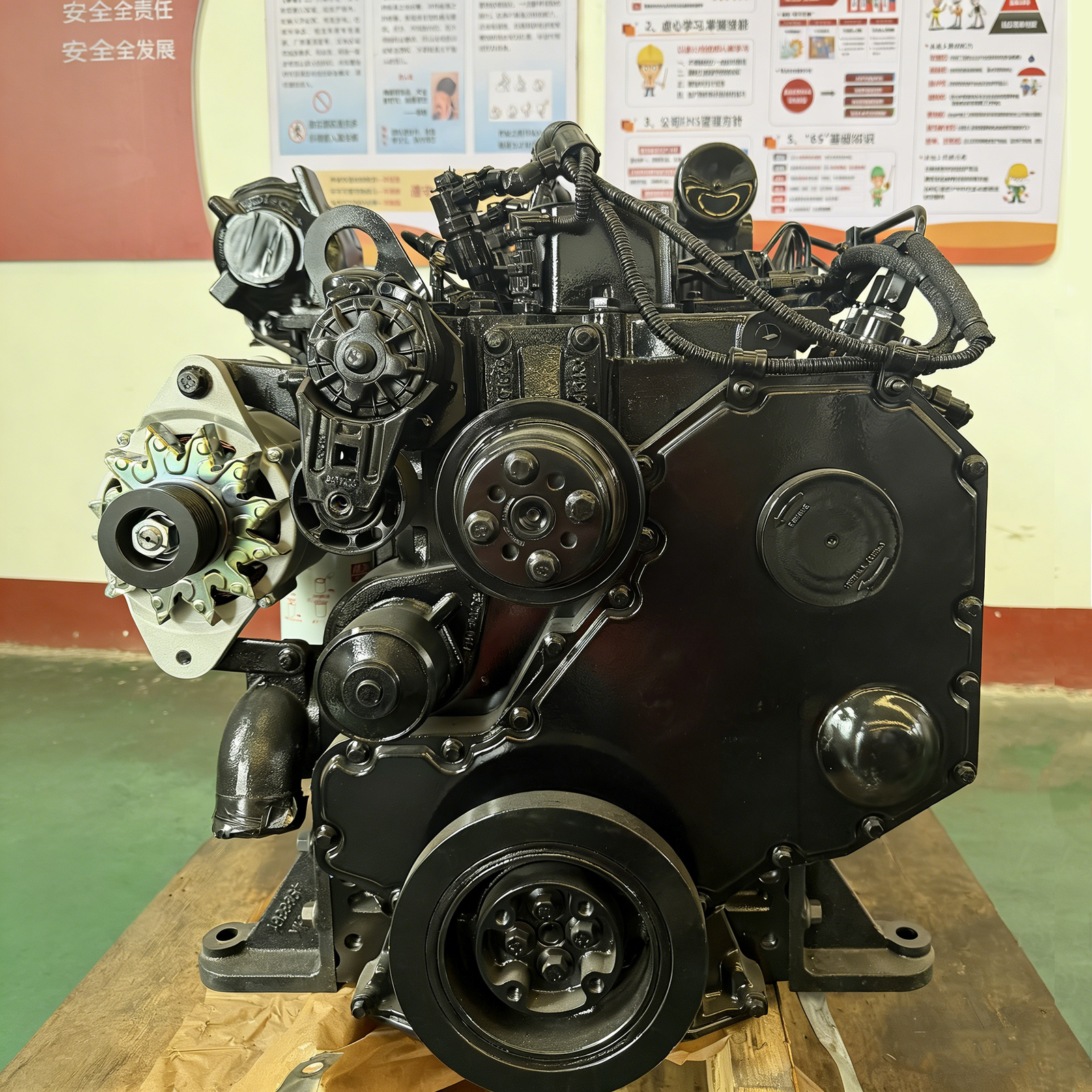
Maintaining heavy machinery in 2026 requires a strategic approach to mechanical care. High-performance diesel engines serve as the heart of construction and mining operations. These powerplants face extreme stress and dusty environments every day. To extend diesel engine life in heavy equipment, owners must move beyond reactive repairs. A proactive mindset prevents catastrophic failures and protects your financial investment.
Proper maintenance directly impacts the total cost of ownership. Engine replacements can cost tens of thousands of dollars. Routine care costs only a fraction of that amount. By implementing strict service protocols, you ensure your fleet remains operational. This guide explores the scientific steps to maximize engine longevity.
Effective management starts with understanding diesel combustion demands. These engines rely on high compression and precise fuel delivery. Even minor contaminants can disrupt these delicate systems. Consistent monitoring and high-quality components are the foundation of a long-lasting engine.
Why is Preventive Maintenance Critical for Heavy Equipment?
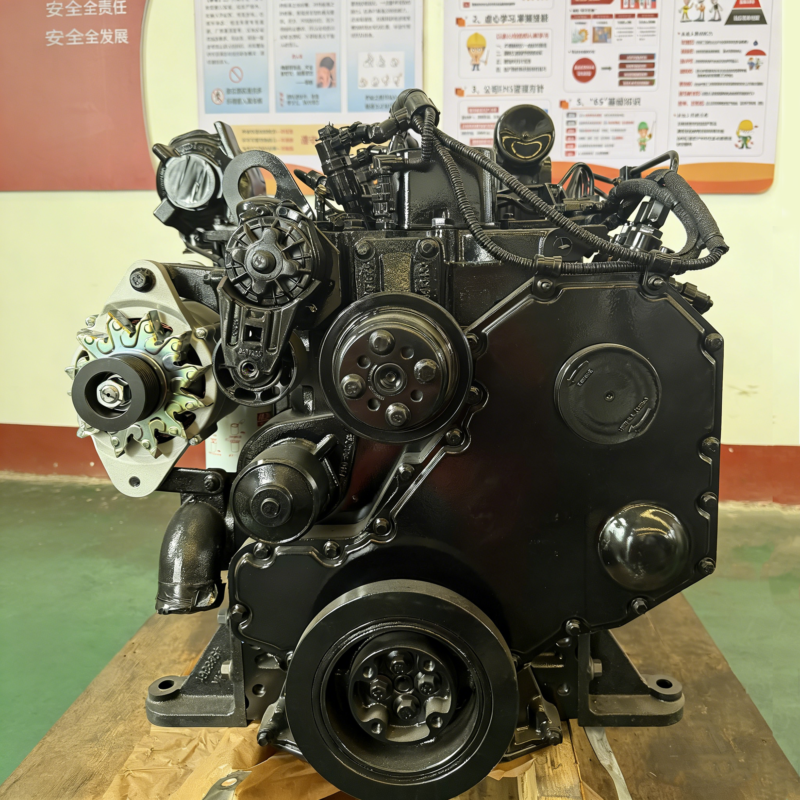
Preventive maintenance is the most effective way to protect your machinery. It involves scheduled inspections based on operating hours rather than failure. Regular oil changes every 250 to 500 hours remain the industry standard. Fresh oil maintains the necessary viscosity to protect moving parts. It also carries away soot and acidic byproducts of combustion.
Fluid analysis provides a medical-grade checkup for your machinery. By analyzing used oil, technicians detect microscopic metal shavings. These shavings indicate specific component wear before a visible break occurs. Consistent oil sampling can increase an engine’s life by 30% through early intervention. It helps identify air intake leaks or fuel dilution issues.
Monitoring Fluid Health and Oil Quality
Oil serves as the lifeblood of any heavy-duty diesel engine. It lubricates moving parts and dissipates internal heat. Over time, the chemical additives in the oil begin to break down. This degradation reduces the oil’s ability to prevent metal-on-metal contact. Using the correct oil grade for 2026 environments ensures optimal film strength.
Contaminants like water or glycol can destroy an engine quickly. Water reduces the oil’s load-carrying capacity and causes corrosion. Glycol suggests a leak in the cooling system. Both issues require immediate attention to prevent engine seizure. Regular testing identifies these hidden threats before they cause damage.
Managing Air Filtration Systems
Air filtration is the primary defense against the outside world. Heavy equipment often works in clouds of silica-rich dust. Replacing air filters when restriction gauges indicate blockage is mandatory. Dust acting as an abrasive can destroy cylinder walls in hours. High-quality filters trap 99.9% of harmful particles.
Never attempt to clean a filter with compressed air. This practice can create micro-tears in the filter media. These tears allow dust to bypass the filter and enter the engine. Replacing filters according to 2026 manufacturer specifications prevents abrasive wear. Clean air ensures efficient combustion and lower exhaust temperatures.
Key Strategies to Extend Diesel Engine Life in Heavy Equipment?
The cooling system requires more than just topping off water levels. Diesel engines need a mix of antifreeze and supplemental coolant additives. These additives create a protective film on the cylinder liners. This film prevents “pitting” caused by tiny bubbles collapsing. Maintaining the correct chemical concentration prevents liner perforation and engine destruction.
| Factor | Impact on Engine Life | Recommended Action |
| Lubrication | Reduces friction by up to 50% | Perform regular oil sampling |
| Cooling | Prevents 40% of major failures | Check coolant pH levels monthly |
| Air Intake | Stops 90% of abrasive wear | Inspect filters every 250 hours |
| Fuel Quality | Protects HPCR injectors | Use high-micron water separators |
The Role of Cooling Systems in Engine Longevity
Cooling system failures cause approximately 40% of all engine breakdowns. If the coolant cannot dissipate heat, the cylinder head may warp. This leads to blown head gaskets and internal leaks. Flushing the cooling system every 2,000 hours removes scale and rust. Scale acts as an insulator and causes localized hotspots.
Thermostats play a critical role in temperature regulation. A stuck thermostat can cause the engine to run too cold or too hot. Running cold leads to sludge buildup and poor fuel economy. Running hot leads to catastrophic metal fatigue. Replacing thermostats every two years ensures the engine stays in the optimal range.
Optimizing Fuel Management and Injector Health
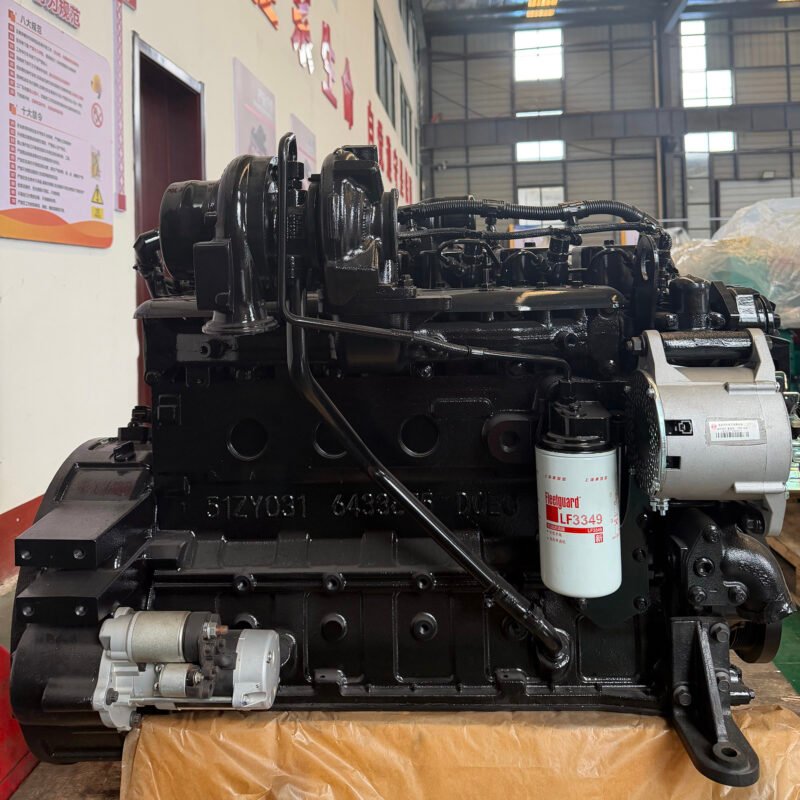
Fuel quality is essential for modern diesel engine health. High-pressure common rail systems are extremely sensitive to contaminants. These systems operate at pressures exceeding 30,000 psi. Tiny particles or water can erode injector tips quickly. Clean fuel ensures optimal atomization and prevents carbon buildup on valves.
Water separators must be drained daily to protect the fuel system. Water causes rust in the injectors and promotes microbial growth. This biological growth clogs filters and reduces fuel flow. Using high-quality fuel filters in 2026 provides the necessary protection level. Efficient fuel delivery reduces the mechanical strain on the entire engine.
How Operational Habits Impact Engine Durability?
Operator behavior is as important as mechanical maintenance. Many operators make the mistake of “hot shutdowns.” This occurs when an engine is turned off after heavy work. Idle the engine for three minutes before shutting it down to stabilize heat. This practice protects the turbocharger from oil carbonization.
Excessive idling is a hidden enemy of diesel longevity. Idling prevents the engine from reaching optimal operating temperatures. This leads to incomplete combustion and excessive soot buildup. Soot contaminates the oil and causes premature wear on the valve train. Modern engines with specialized filters are prone to idling damage.
Correct Warm-up and Cool-down Procedures
Proper warm-up procedures are essential in cold climates. Cold oil is thick and does not flow easily. Give the engine five minutes to warm up before applying loads. This ensures the turbocharger and cylinder head receive adequate lubrication. Skipping this step leads to rapid metal-on-metal wear.
The cool-down period is equally important for the turbocharger’s health. Turbochargers spin at incredibly high speeds during operation. Stopping the engine suddenly cuts off the oil supply. The heat from the housing can bake the remaining oil. This creates hard carbon deposits that ruin the bearings.
Avoiding Excessive Idling and Engine Lugging
Lugging the engine is harmful to its long-term health. Lugging happens when the engine works at high loads and low RPMs. This creates extreme pressure in the combustion chamber. It can lead to cracked pistons and stressed crankshafts. Operating within the recommended RPM range ensures mechanical safety.
In 2026, many machines feature auto-idle shutdown systems. These systems help prevent unnecessary engine wear and fuel waste. If your machine lacks this, operators must be trained. Reducing idle time by 10% can extend engine life by hundreds of hours. It also keeps the exhaust after-treatment system cleaner.
Criteria for Choosing High-Performance Replacement Engines?
When an engine reaches its limit, choosing a replacement is vital. You must judge the condition of the core structure before deciding. If the block is damaged, a simple repair will not suffice. Selecting a reliable partner for your engine needs involves checking expertise. High-quality components ensure the engine maintains its original performance.
It is helpful to explore the various construction machinery engines designed for durability. These powerplants are engineered to withstand the rigors of modern job sites. Choosing the right engine model ensures compatibility with your hydraulic systems. This match reduces vibration and extends the life of all components.
Reliable engines from established brands provide a foundation for success. You should prioritize suppliers that provide detailed technical data for their units. This allows you to verify that power output meets your needs. Investing in a high-quality engine from a reputable source is a wise step. It ensures long-term equipment uptime and better project margins.
Summary
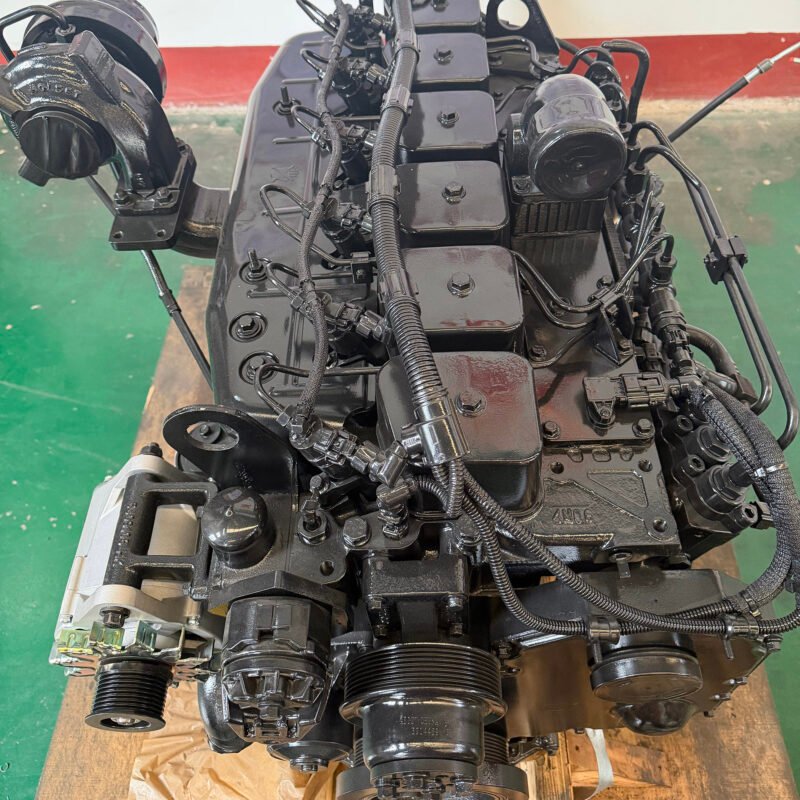
To extend diesel engine life in heavy equipment in 2026, prioritize fluid health. Focus on strict filtration and proper operator habits to prevent early wear. Data shows that proactive care prevents 40% of cooling failures. High-quality parts and consistent maintenance ensure your machinery delivers maximum value for years.
FAQ
1. How often should I perform oil analysis on my heavy equipment?
You should perform oil analysis at every scheduled oil change, typically every 250 to 500 hours. This provides a consistent history of the engine’s internal health. It helps you detect wear patterns before they lead to failure.
2. Why is idling bad for a diesel engine’s lifespan?
Excessive idling causes the engine temperature to drop, leading to incomplete fuel combustion. This creates soot that contaminates the oil and causes carbon buildup. In 2026, idling remains a leading cause of after-treatment system clogging.
3. What is the most common cause of diesel engine failure in construction?
Cooling system neglect is the most common cause of engine failure. Issues like cavitation, liner pitting, and scale buildup lead to internal damage. This accounts for nearly 40% of all major engine breakdowns.
4. Does fuel quality really affect how long an engine lasts?
Yes, modern diesel engines use high-pressure fuel systems that are sensitive to dirt. Contaminated fuel can erode injector tips and damage fuel pumps. This leads to poor performance and very expensive mechanical repairs.
5. How long should I let my engine cool down before turning it off?
You should let the engine idle for three to five minutes after heavy use. This allows the turbocharger to cool down safely. It prevents the oil from baking onto the hot turbine shaft bearings.
Reference Sources
Association of Equipment Management Professionals (AEMP).
Cummins Inc. Service and Support Knowledge.

