
Diesel Engine Loss of Power Causes: A Full Guide

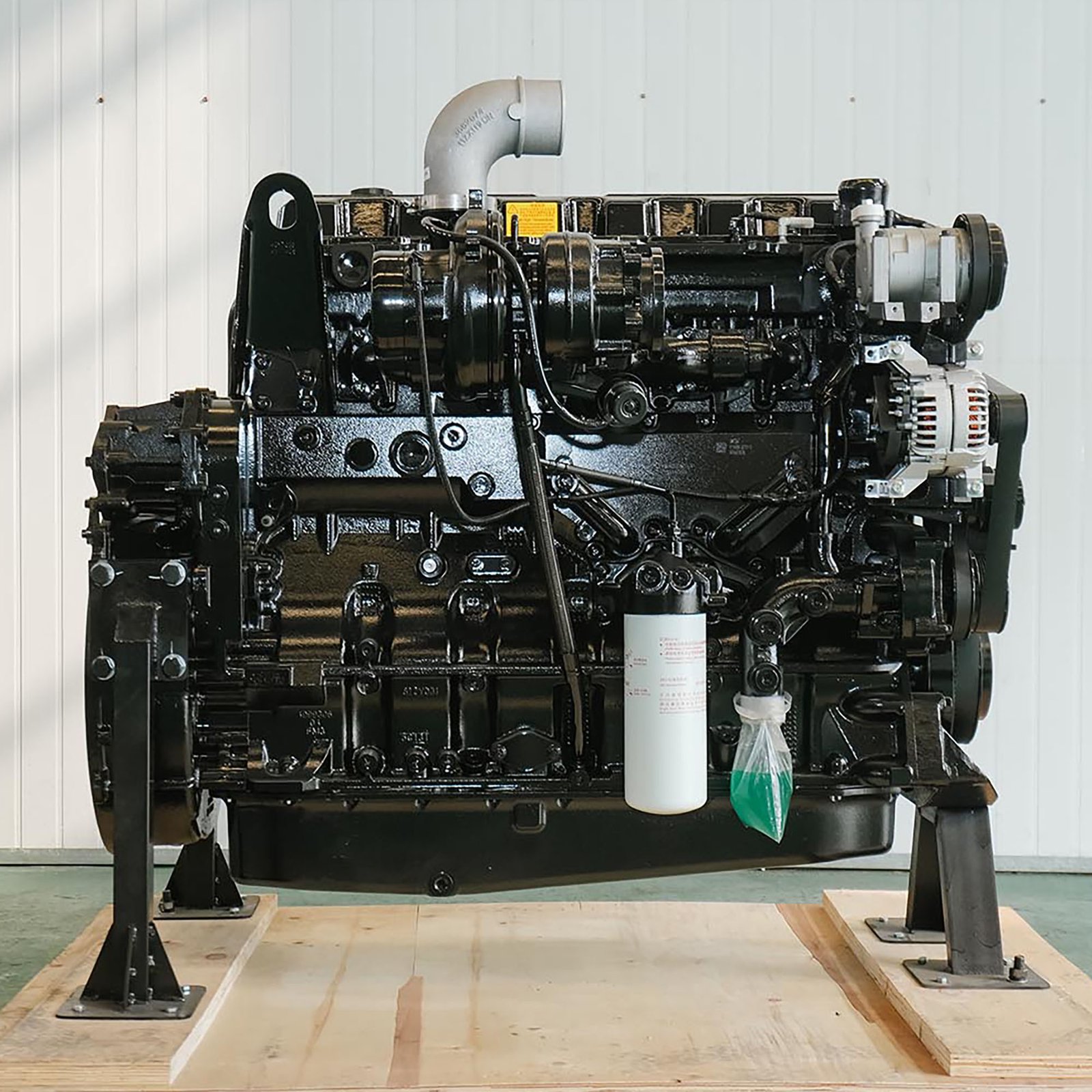
Experiencing a sudden or gradual drop in performance can be frustrating for any operator in 2026. Diesel engine loss of power causes are often complex and multi-faceted. These issues can lead to increased downtime and expensive repairs for heavy machinery. Understanding the underlying mechanics is essential for maintaining equipment health. This guide explores why these engines lose their “pulling power” in modern applications.
Modern diesel systems rely on high-precision components and tight tolerances. Any disruption in fuel delivery or airflow can immediately impact torque. A common cause of performance loss is restricted fuel flow. When an engine cannot get enough fuel, it cannot generate heat. This leads to sluggish acceleration and poor hill-climbing ability. Maintaining peak efficiency requires a constant balance of air and fuel.
If one of these pillars fails, the entire system suffers. For industrial and construction machinery, the environment adds another layer of difficulty. Dust and heavy loads accelerate wear on critical parts. Professional diagnostics are often needed to find the root cause. Let’s dive into the technical factors that cause these power drops.
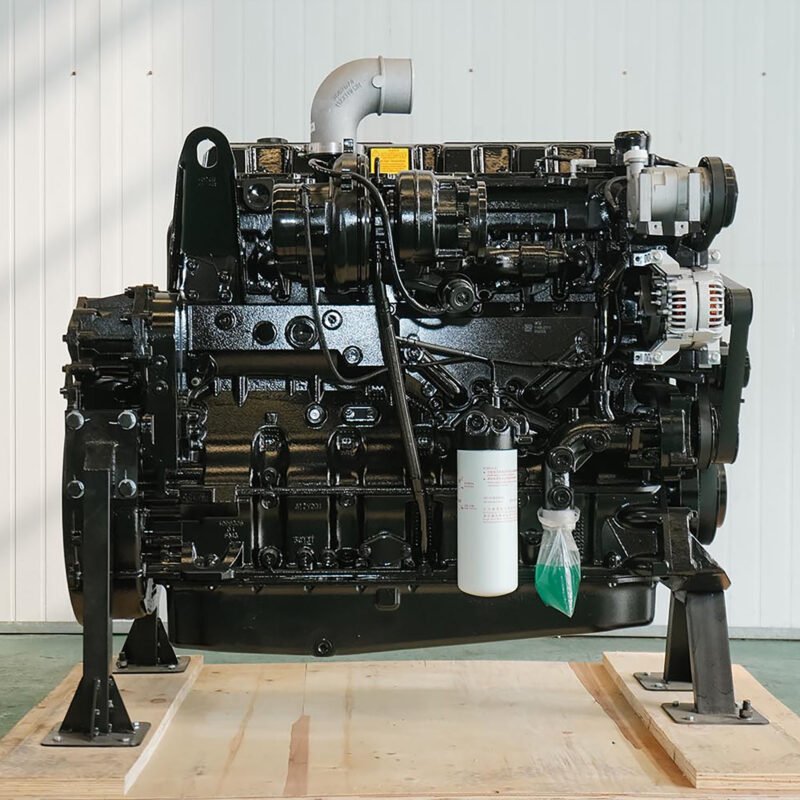
What Are the Primary Diesel Engine Loss of Power Causes?
Fuel system issues are the most frequent culprits behind a weak engine. Clogged fuel filters are the primary reason for reduced diesel power. Over time, contaminants like rust, dirt, and water collect in the media. These impurities restrict the volume of fuel reaching the high-pressure pump. A restricted filter forces the pump to work much harder.
Fuel injectors are equally vital to performance in 2026 engines. Carbon buildup on fuel injectors disrupts the precise spray pattern. Modern common-rail systems operate at pressures up to 30,000 psi. Even a tiny amount of soot can block a nozzle. This leads to poor atomization and incomplete burning of fuel. Consequently, the engine loses its ability to generate maximum torque.
Weak fuel pumps also contribute to power loss over time. If the pump cannot maintain rail pressure, the engine feels starved. You might notice the engine stalling under heavy load. In many cases, replacing a worn pump can restore 20% of lost power. Consistent fuel quality is the best way to prevent failures. Using high-quality fuel additives can also help maintain system cleanliness.
Understanding Fuel System Pressure Drops
Precision is everything in a 2026 diesel fuel system. A pressure drop of just 10% can reduce horsepower significantly. High-pressure pumps must deliver fuel at exactly the right micro-second. If the timing is off, the combustion cycle is interrupted. This results in wasted energy and increased heat.
Air in the fuel lines is another hidden power killer. Even small bubbles can cause the engine to sputter or miss. This often happens after a filter change or fuel line repair. Properly priming the system is a critical maintenance step. Ensuring all connections are airtight prevents these annoying performance issues.
Fuel Quality and Its Impact on Output
Low-quality diesel fuel often contains high levels of paraffin or sulfur. In cold weather, these substances can gel and block the lines. This creates a massive restriction in the fuel delivery system. Poor fuel quality is a major factor in diesel engine loss of power causes. Always use fuel that meets the latest 2026 industry standards.
Water contamination is also a severe threat to modern engines. Water causes corrosion inside the fuel injectors and the pump. This damage is often irreversible and leads to total power failure. Installing a high-efficiency water separator is a smart preventive measure. Regularly draining the water trap keeps the fuel system healthy.
Analyzing Air Intake and Turbocharger Performance
A diesel engine is essentially a large, high-pressure air pump. It requires a massive volume of clean oxygen to burn fuel. A dirty air filter is a major contributor to power loss. When airflow is restricted, the air-fuel ratio becomes too rich. This results in excessive black smoke and wasted energy.
The turbocharger is the heart of a diesel’s performance output. Turbocharger boost leaks can cause a 15% reduction in horsepower. These leaks often occur at intercooler boots or gaskets. Even a small hole in the intake piping drops power. In this scenario, the turbo must spin faster to compensate. This leads to over-speeding and eventual mechanical failure.
Turbocharger wear also limits the amount of air entering the cylinders. Worn bearings or damaged wheels reduce overall boost efficiency. You may notice increased “turbo lag” during acceleration phases. If the engine lacks its usual kick, the turbo needs inspection. Ensuring all connections are airtight is a critical maintenance step.
The Role of the Intercooler in Power Density
The intercooler cools the hot air coming from the turbocharger. Cooler air is denser and contains more oxygen for combustion. If the intercooler is clogged with debris, temperatures will rise. High intake temperatures lead to a noticeable drop in performance. Cleaning the exterior of the intercooler is a simple way to restore power.
Internal leaks in the intercooler are also a common problem. These leaks allow pressurized air to escape before reaching the engine. Technicians often use a smoke machine to find these hidden leaks. Repairing a leaky intercooler can instantly improve throttle response. This is a key part of 2026 engine troubleshooting.
Variable Geometry Turbocharger (VGT) Failures
Many modern engines use VGT technology to reduce lag. These turbos have moving vanes that adjust to engine speed. If these vanes get stuck due to soot, power suffers. A seized VGT is one of the complex diesel engine loss of power causes. Regular high-load operation helps burn off these carbon deposits.
VGT failures often trigger a check engine light or limp mode. The engine’s computer limits power to protect the internal components. Cleaning the turbo housing can sometimes resolve the sticking issue. However, severe wear usually requires a full turbocharger replacement. Keeping the exhaust clean is the best way to protect a VGT.
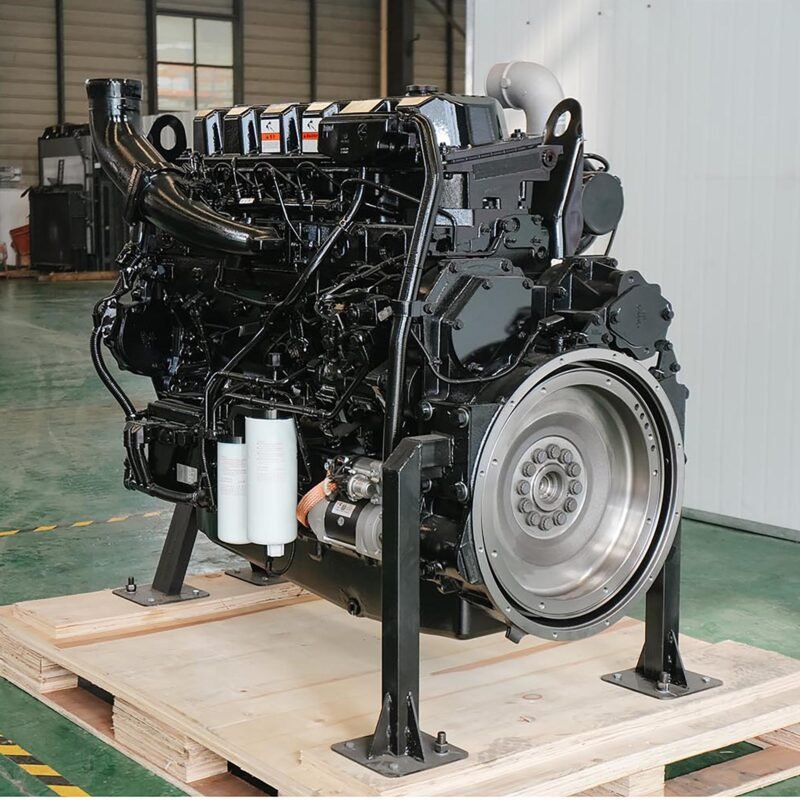
How Do Emission Systems Affect Engine Efficiency?
Modern diesel engines use advanced controls like the Diesel Particulate Filter. These filters trap soot to keep the 2026 environment clean. However, a clogged DPF creates backpressure that chokes the engine. This backpressure prevents exhaust gases from exiting the cylinders efficiently. As a result, the engine cannot take in fresh air.
The Exhaust Gas Recirculation valve is another common failure point. If the valve gets stuck, it allows too much exhaust into the intake. This dilutes the oxygen levels and lowers the combustion temperature. A faulty EGR valve leads to rough idling and reduced torque. Regular cleaning is necessary to prevent carbon buildup from seizing the valve.
Exhaust restrictions act like a plug in the entire system. Beyond the DPF, damaged catalytic converters also limit total output. Higher exhaust gas temperatures are a sign of restricted flow. Monitoring these temperatures can help you identify a problem early. Effective exhaust management is key to sustained high-load performance.
Technical Comparison of Power Loss Factors
| Component | Common Issue | Potential Power Loss | 2026 Status |
| Fuel Filter | Contamination | 15% – 25% | High Impact |
| Turbocharger | Boost Leak | 10% – 20% | Medium Impact |
| DPF System | Soot Loading | 20% – 30% | Critical Issue |
| Air Filter | Dust Clogging | 5% – 10% | Maintenance |
| Fuel Injector | Carbon Build-up | 10% – 15% | High Precision |
The Impact of Selective Catalytic Reduction (SCR)
The SCR system uses Diesel Exhaust Fluid to reduce nitrogen oxides. If the SCR system fails, the engine usually enters a derate mode. This purposefully limits engine speed to force a repair. SCR system issues are modern diesel engine loss of power causes. Maintaining the fluid level and quality is vital for operation.
Sensors in the SCR system can also provide false readings. A bad NOx sensor might tell the computer the system is failing. This results in an unnecessary loss of power and productivity. Technicians must use specialized software to diagnose these electrical faults. Proper sensor maintenance ensures the engine runs at full capacity.
Why Does Mechanical Wear Lead to Gradual Power Loss?
Over thousands of hours, internal engine components begin to wear down. Low cylinder compression is a primary cause of permanent power loss. This happens when piston rings or cylinder walls become worn. Without a tight seal, the pressure of combustion escapes the chamber. This energy is lost rather than being turned into mechanical work.
Valvetrain issues also play a significant role in engine performance. If the valves do not open fully, airflow is restricted. Worn camshaft lobes can change the timing of the valve events. This disrupts the intake and exhaust strokes of the engine cycle. Regular valve adjustments are part of 2026 preventative maintenance.
A worn timing chain or belt can also retard engine timing. If the timing is off by even a few degrees, power drops. The engine may sound different or vibrate more than usual. Replacing these components at the recommended interval is essential. Mechanical health is the foundation of all diesel performance.
Monitoring Engine Blow-By
Blow-by occurs when combustion gases leak past the piston rings. You can often see this as smoke coming from the crankcase vent. High levels of blow-by indicate that the engine is losing compression. This is a clear sign that a major overhaul may be needed soon. Measuring blow-by is a standard diagnostic test for older machines.
Excessive blow-by also contaminates the engine oil with soot. This soot acts as an abrasive, speeding up the wear of other parts. Keeping the rings clean with high-quality oil is vital for long life. Once compression drops, the only real solution is a rebuild. Early detection can save you thousands in repair costs.
The Importance of Cooling System Health
An overheating engine will naturally lose power as tolerances change. The computer may also reduce fuel delivery to prevent a meltdown. A failing water pump or clogged radiator leads to thermal inefficiency. Heat causes the metal components to expand beyond their design limits. This increases friction and reduces the overall horsepower output.
Maintaining the correct coolant chemistry prevents internal corrosion. Corrosion can block the small passages in the cylinder head. This leads to “hot spots” that can crack the engine block. A healthy cooling system ensures the engine stays in its optimal range. This is especially important for 2026 high-performance diesel units.
How to Select Reliable Components for Your Equipment?
Selecting the correct replacement parts is vital for restoring original power. When your heavy equipment begins to fail, evaluate the engine quality. For machines like excavators or loaders, engines must handle extreme cycles. High-quality construction machinery engines ensure long-term reliability and torque. These units are designed to withstand the rigors of 2026 job sites.
You should look for engines that meet specific OEM standards for your brand. Components like fuel pumps should be matched to the engine’s displacement. If you are replacing a unit, consider the site environmental conditions. Dusty or high-altitude sites require robust filtration and cooling systems. Choosing the right core technology is the first step toward efficiency.
For those managing a fleet, having a reliable source for components is essential. Professionals can find specialized solutions for heavy-duty applications by choosing reputable construction machinery engines from trusted suppliers. Investing in proven technology reduces the risk of recurring power loss. High-performance parts keep your machines running at their rated capacity for years.
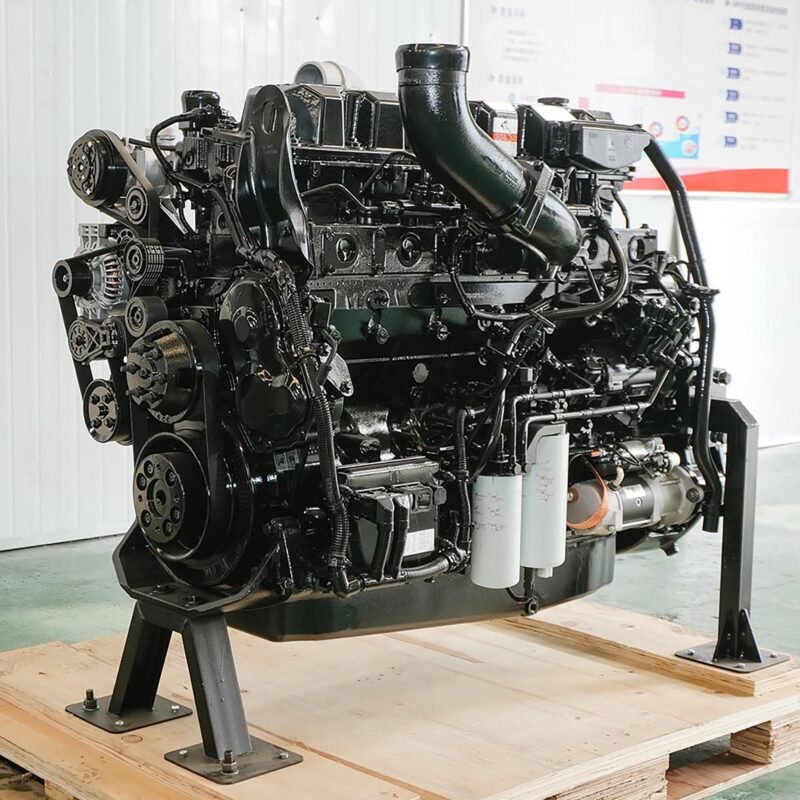
Summary
The most common diesel engine loss of power causes include fuel restrictions, air leaks, and exhaust blockages. Maintaining clean filters and inspecting the turbocharger are the best ways to restore performance. For heavy machinery, using high-quality components ensures the engine can handle 2026 workloads. Proactive maintenance remains the most effective strategy for preventing sudden power drops and expensive repairs.
FAQ
1. What is the most common reason for a diesel engine to lose power?
The most common cause is a clogged fuel filter. This restriction prevents the engine from receiving the necessary fuel volume to maintain its rated horsepower and torque.
2. Can a leaking turbocharger hose cause black smoke?
Yes, a leaking hose allows pressurized air to escape before it reaches the cylinders. This creates an over-fueling condition where the engine burns too much fuel and not enough oxygen.
3. How do I know if my DPF is causing power loss?
You will often see a warning light on the dashboard or an “engine derate” message. High exhaust backpressure will also cause the engine to feel sluggish and unresponsive under load.
4. Why does my engine lose power only when it gets hot?
This is often caused by a failing fuel injector or a cooling system issue. Some components lose their ability to maintain pressure or timing as the metal expands with heat.
5. Is it safe to continue operating an engine with low power?
It is not recommended because the underlying cause could lead to a catastrophic failure. For example, a boost leak causes the turbo to over-spin, which can destroy the engine.
Reference Sources
CarParts Reasons Why Your Diesel Engine Loses Power
Pure Diesel Power How Boost Leaks Affect Your Power and Economy
Car From Japan 7 Causes of Diesel Engine Car Losing Power
Goldfarb & Associates Diesel Fuel Injectors Types and Lifespan

