
2026 Expert Guide: Buying a Diesel Engine for Sale

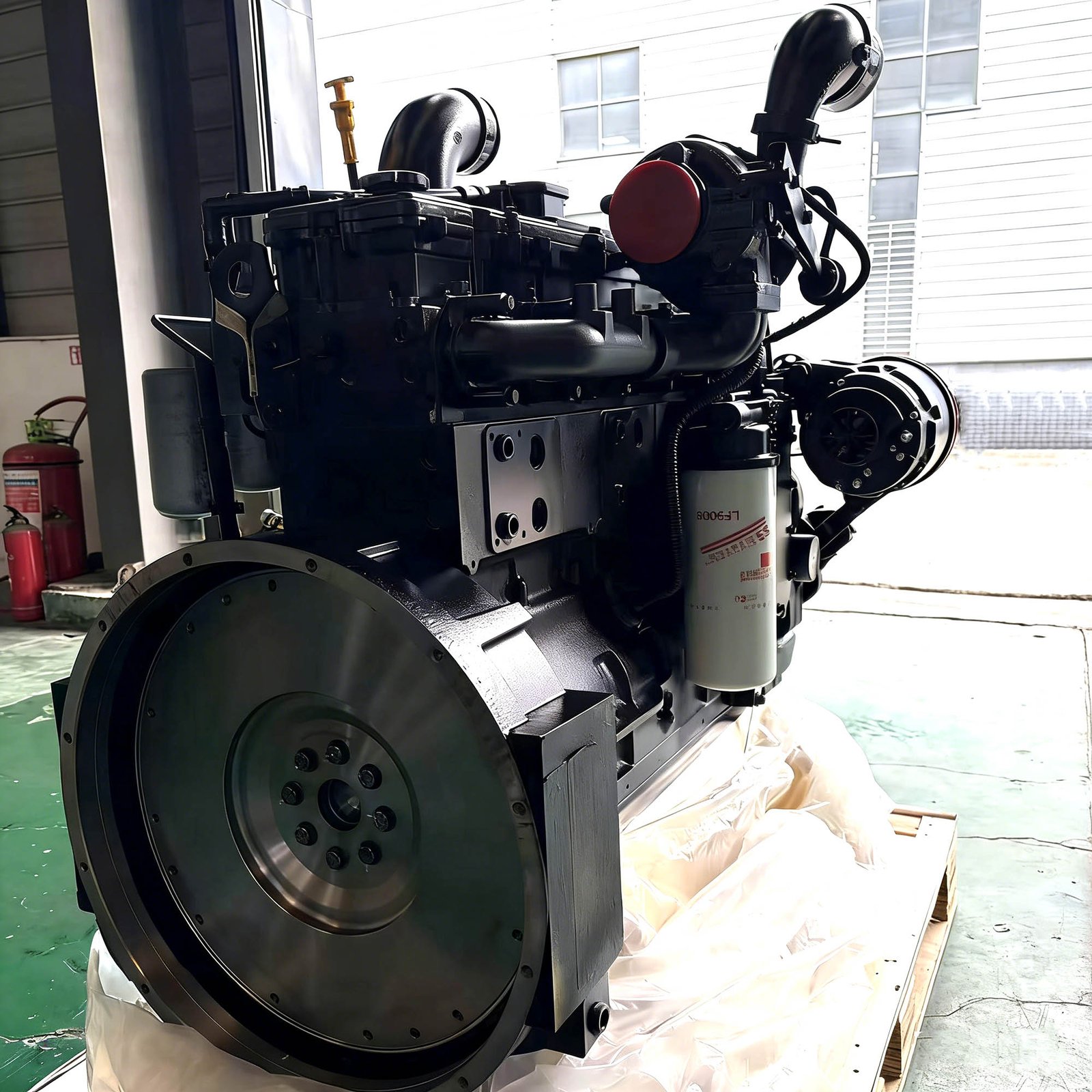
The industrial power landscape in 2026 is defined by a shift toward high-density performance and stringent environmental compliance. For procurement managers and engineers, sourcing a diesel engine for sale now requires a sophisticated understanding of how electronic integration and alternative fuels like HVO (Hydrotreated Vegetable Oil) impact long-term operational viability.
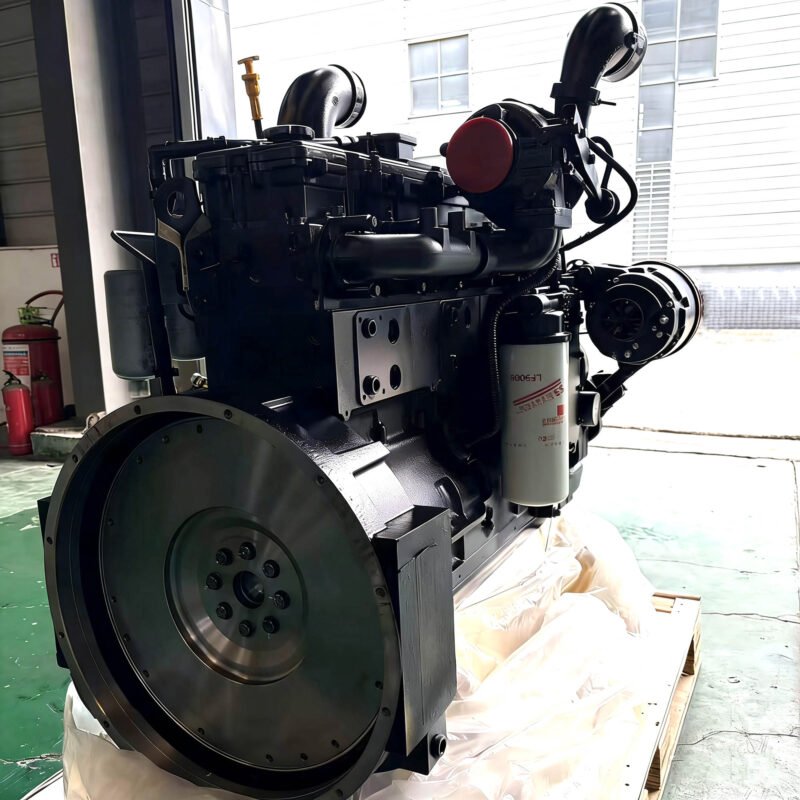
Technical Specifications for 2026 Procurement
When evaluating a diesel engine for sale, the focus must move beyond simple displacement. Modern construction and industrial applications demand high power density, where smaller, turbocharged units deliver the torque once reserved for much larger blocks.
BMEP (Brake Mean Extreme Pressure): A critical indicator of how efficiently an engine utilizes its displacement to generate power.
Transient Response: This determines how quickly the engine recovers RPM under sudden hydraulic loads, essential for excavators and cranes.
Ambient Derating: Verification that the cooling package maintains performance at high altitudes or in extreme thermal environments.
Emission Compliance and Regulatory Standards
In 2026, the regulatory environment for any diesel engine for sale is bifurcated between highly regulated regions and emerging markets. For operators in the US and EU, Stage V and Tier 4 Final compliance is the baseline requirement.
DPF (Diesel Particulate Filter): Essential for trapping particulate matter; check for “service-free” intervals.
SCR (Selective Catalytic Reduction): Uses Diesel Exhaust Fluid (DEF) to neutralize NOx emissions.
EGR (Exhaust Gas Recirculation): Lowers combustion temperatures to prevent the formation of nitrogen oxides.
Comparing Top Diesel Engine Brands for Sale
The choice of manufacturer dictates your long-term maintenance ecosystem. Based on current reliability data for construction machinery, the following brands represent the 2026 market leaders:
| Brand | Typical Application | Strength | Maintenance Profile |
| Isuzu | Excavators (6-35T) | Exceptional fuel economy; high reliability in hydraulic integration. | Moderate; requires genuine filters for DPF longevity. |
| Cummins | Loaders, Cranes, Drills | Global parts network; robust electronic controls (CM series). | Low; widely understood by technicians globally. |
| Deutz | Compactors, Man-lifts | Excellent power-to-weight ratio; air-cooled and liquid-cooled options. | Specialized; requires specific diagnostic tools. |
| Perkins | Generators, Backhoes | Versatile mounting options; strong low-end torque. | High; widely available aftermarket support. |
For specialized construction equipment, sourcing through a technical partner like Kangjin Power ensures that the engine is correctly mapped to your specific hydraulic requirements.
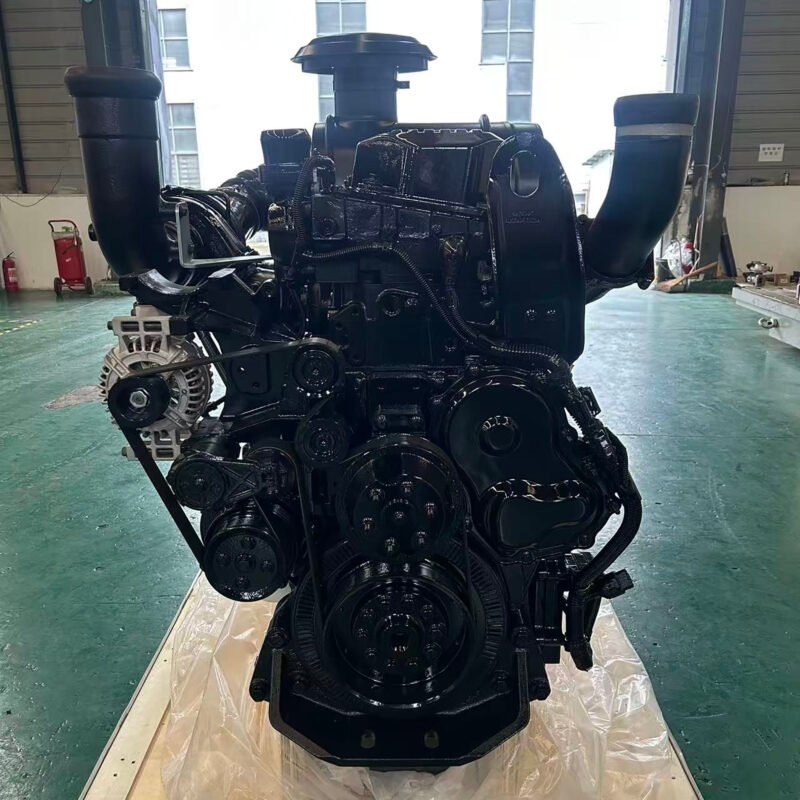
Evaluating Total Cost of Ownership (TCO)
The purchase price of a diesel engine for sale is merely the entry cost. A professional procurement strategy analyzes the TCO over a 5,000-hour or 10,000-hour lifecycle.
Fuel Consumption Maps: Analyze the Brake Specific Fuel Consumption (BSFC) to find the engine’s efficiency “sweet spot.”
Oil Exchange Intervals: Modern units reaching 500+ hour intervals significantly reduce annual downtime.
Overhaul Lifecycle: Determine if the engine block is designed for multiple rebuilds or if it is a “disposable” short-block design.
Telematics Integration: Ensure the ECU supports J1939 CAN bus communication for predictive maintenance.
New vs. Remanufactured vs. Surplus Options?
Deciding which type of diesel engine for sale to purchase depends on your project timeline and budget constraints:
New OEM Units: Best for new machinery where a full manufacturer warranty is required for project financing.
Remanufactured (Reman): Offers a “zero-hour” specification at a 30-40% discount, utilizing a recycled core with new internal components.
Surplus/Low-Hour: High-value units often sourced from cancelled OEM projects; requires borescope validation.
Engineering Compatibility Checklist
Before finalizing the acquisition of a diesel engine for sale, your technical team must confirm the interface specifications to avoid costly field modifications.
Flywheel and Housing: Confirm SAE #1, #2, or #3 compatibility with your existing transmission.
Cooling Package: Verify if the radiator and charge air cooler (CAC) are sized for the engine’s heat rejection rate.
Electrical System: Standardize on 12V or 24V systems to match the machine’s existing wiring harness.
Fuel Compatibility: Confirm the injection system (typically Common Rail) is rated for B20 or HVO fuels.
Summary
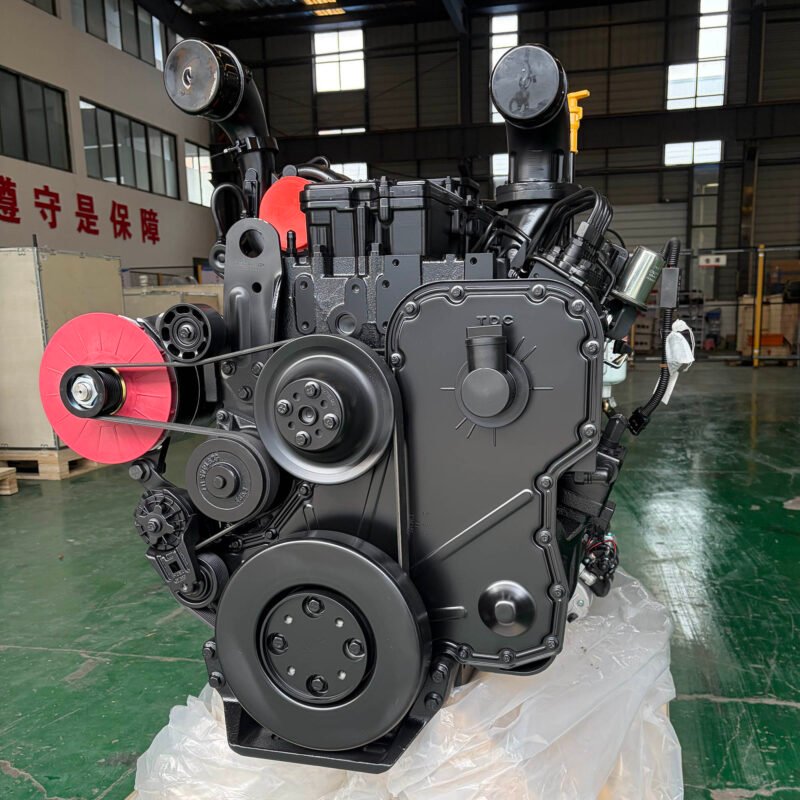
Procuring a diesel engine for sale in 2026 is a balance of technical precision and regulatory foresight. By focusing on power density, emission compliance, and long-term TCO, fleet managers can ensure their equipment remains productive and compliant throughout its operational life.
FAQ
1. Can I replace a Tier 3 engine with a Tier 4 Final engine?
Mechanically, the transition is difficult due to the larger “space envelope” required for aftertreatment systems like DPF and SCR. You must also upgrade the machine’s electronic control architecture to handle the complex data provided by a Tier 4 ECU.
2. What is the typical lead time for a diesel engine for sale in 2026?
Standard industrial engines generally have a lead time of 12 to 16 weeks. However, “ready-to-ship” surplus units or remanufactured engines from specialized distributors can often be delivered within 2 to 4 weeks.
3. Is HVO fuel compatible with all modern diesel engines?
Most Tier 4 Final and Stage V engines from brands like Isuzu and Cummins are fully compatible with HVO. Using HVO can reduce CO2 emissions by up to 90%, though you should always verify with the manufacturer to ensure warranty compliance.
Reference Sources
ISO 8178 standards for non-road engine emission measurements.

