
What Affects Diesel Engine Price? 7 Key Cost Drivers

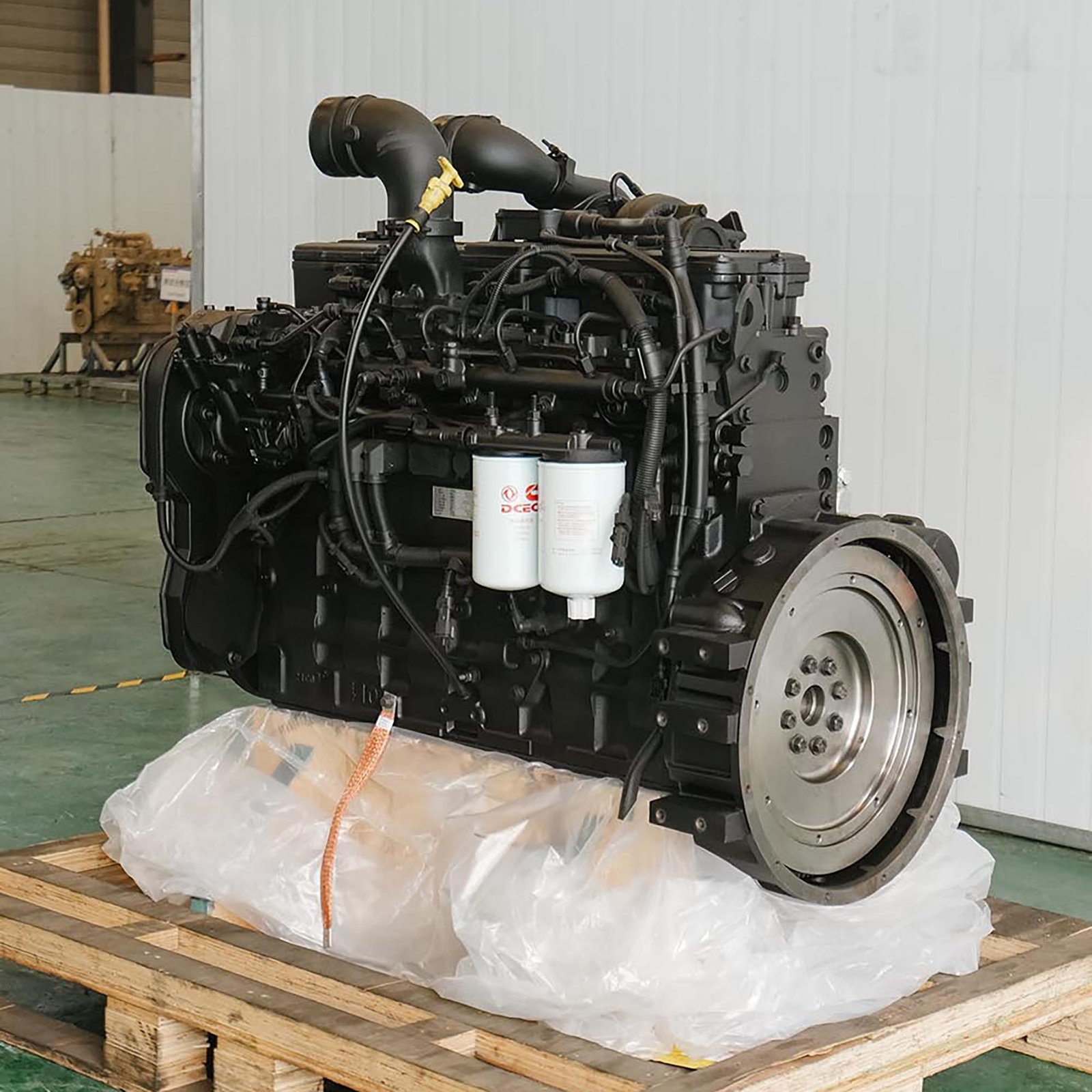
The price of an industrial diesel engine is rarely a static figure. For procurement managers and OEM engineers, the “sticker price” represents a complex convergence of material science, regulatory compliance, and mechanical engineering.
Understanding specific diesel engine price factors allows professionals to balance upfront capital expenditure with long-term operational efficiency.
Displacement and Power Density Metrics
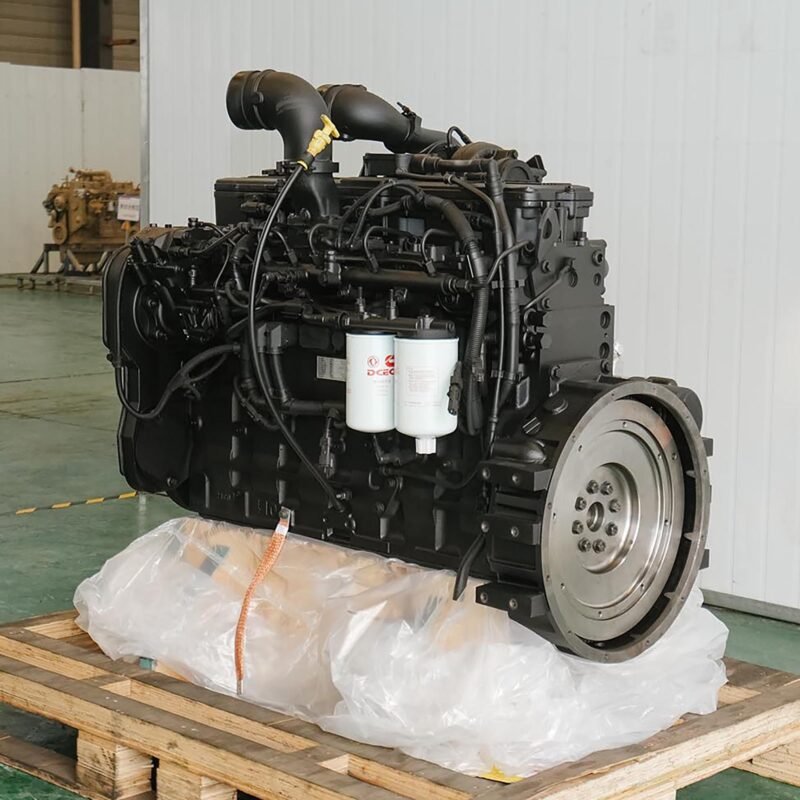
The most immediate driver of cost is the physical size and output capability of the engine. Modern pricing is increasingly dictated by power density—the ability to extract maximum horsepower from a smaller footprint.
- Displacement (Liters): Larger engines require more raw material (high-grade cast iron) and complex casting processes.
- Horsepower (HP) vs. Kilowatts (kW): Pricing scales with output. Engines engineered for high torque require reinforced crankshafts.
- Turbocharging: Naturally aspirated engines are cheaper but less efficient than those with variable geometry turbochargers.
Emission Standards and Compliance Engineering
Regulatory environment is a significant factor. The cost of an engine compliant with EPA Tier 4 Final or EU Stage V standards can be double that of a Tier 2 engine.
Compliance requires sophisticated after-treatment systems, including:
- Diesel Particulate Filters (DPF): Capture soot and require thermal management.
- Selective Catalytic Reduction (SCR): Requires urea injection and specialized catalysts.
- Exhaust Gas Recirculation (EGR): Lowers NOx emissions but adds mechanical complexity.
Engineers at Kangjin Power’s construction machinery division note that after-treatment hardware can account for 20% to 30% of the total cost in regulated regions.
Fuel Injection Technology
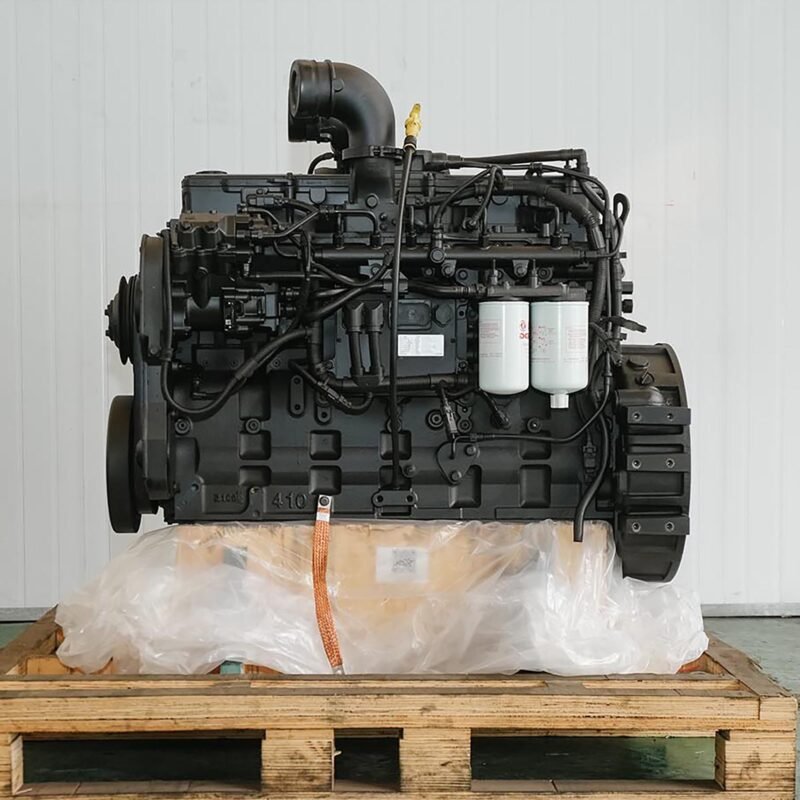
The shift from mechanical fuel injection to High-Pressure Common Rail (HPCR) systems has revolutionized efficiency but increased the bill of materials.
- Precision Engineering: HPCR systems operate at pressures exceeding 2,000 bar, requiring microscopic tolerances.
- Electronic Control Units (ECU): Modern engines use “smart” ECUs to manage injection timing, contributing to the premium pricing.
Component Metallurgy and Build Quality
The durability of an engine is a direct result of the materials used in its construction.
- Cylinder Liners: Wet-sleeve liners allow for easier rebuilding but are more expensive than parent-bore designs.
- Piston Design: Forged steel pistons offer better heat resistance than aluminum but at a higher price point.
- Valvetrain: Specialized coatings like Diamond-Like Carbon add incremental costs to ensure longevity.
Application-Specific Customization
An engine designed for a generator set is not identical to one destined for an excavator, even if the base block is the same.
Cooling Packages: Construction engines require radiators designed for high-vibration environments.
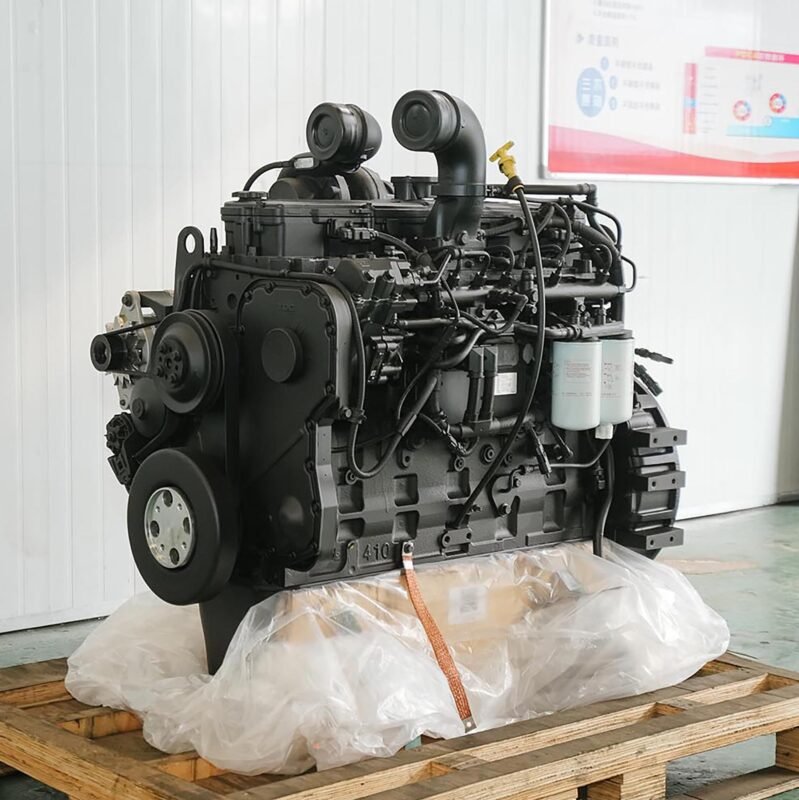
Flywheels: SAE housing sizes must match the transmission or hydraulic pump drive.
Filtration: Dual-stage fuel filtration is essential for “yellow metal” applications.
Summary
| Factor | Low-Cost Configuration | High-End Configuration | Price Impact |
| Emission Level | Tier 2 / Stage II | Tier 4F / Stage V | High (+50-100%) |
| Fuel System | Mechanical Pump | HPCR (Common Rail) | Medium (+15-25%) |
| Aspiration | Naturally Aspirated | VGT Turbocharged | Medium (+10-20%) |
| Material | Standard Grey Iron | Compacted Graphite Iron | Low-Medium |
| Control | Mechanical Governor | Full Digital ECU | Medium |
FAQ
1. Why are Stage V engines so much more expensive?
Stage V engines require complex after-treatment systems like DPF and SCR. The hardware and sensors needed to monitor these emissions account for the majority of the price increase.
2. Does a higher horsepower engine always cost more?
Generally yes, but displacement is a larger factor. A high-tuned 4-liter engine might produce the same HP as a 6-liter engine, but the 6-liter unit is often more expensive due to material volume.
3. How does the duty cycle affect the price?
Standby applications use less expensive engines with lower cooling requirements. Prime power engines need heavy-duty metallurgy and superior cooling, resulting in higher costs.
4. Can I save money by buying an engine without an ECU?
Only if local regulations allow. Mechanical engines are cheaper to maintain but cannot meet modern emission standards like Tier 3 or Tier 4.
5. What is the price difference in cooling systems?
Air-cooled engines are simpler and cheaper for small applications. Water-cooled engines are necessary for temperature stability in heavy machinery, which increases the price.
Reference Sources
EPA Nonroad Diesel Engine Emission Standards
DieselNet Technical Information on Exhaust Emissions

