
Diesel Engine for Mining Machines: Key Engineering Needs

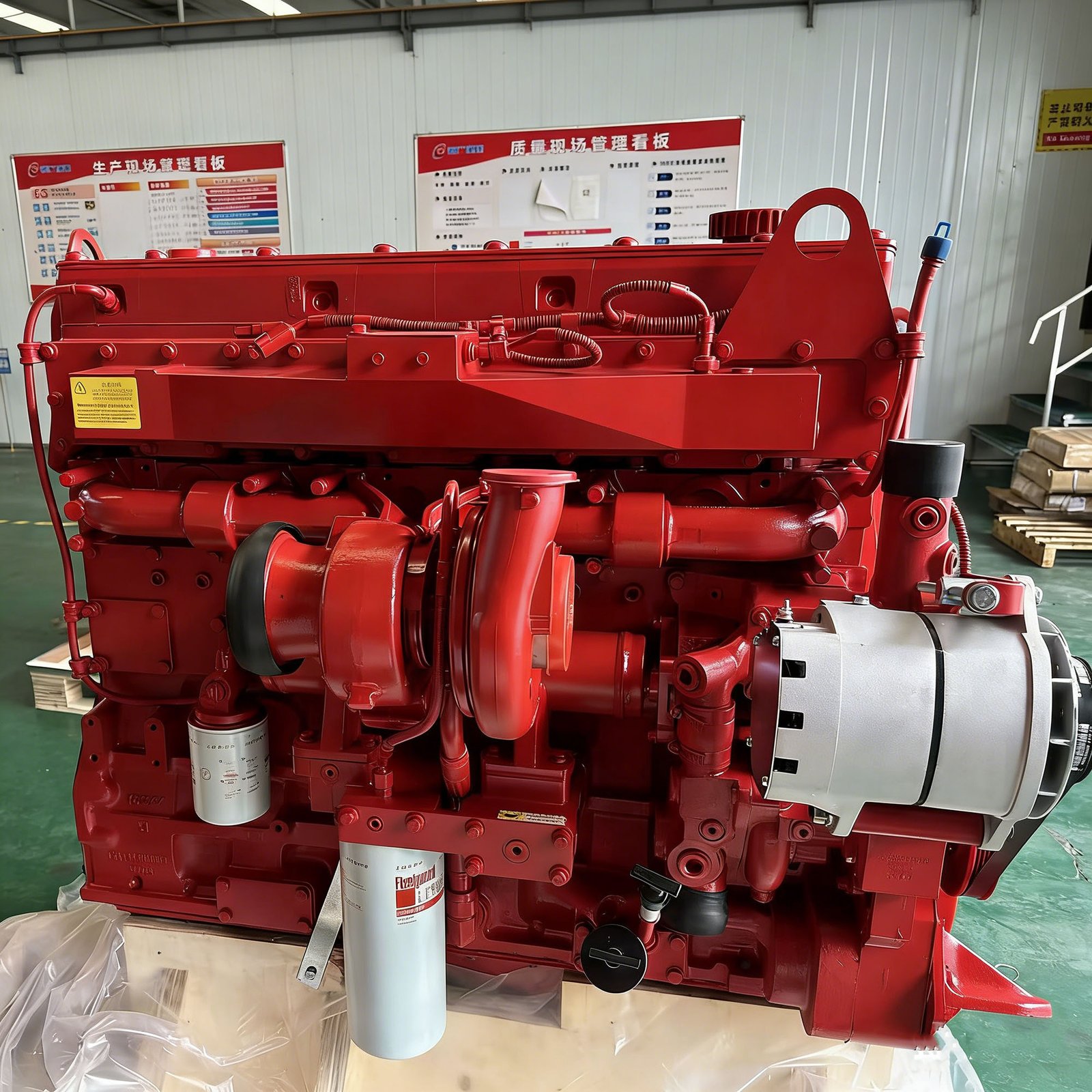
Mining operations present some of the most brutal operating environments on earth. Heavy extraction machinery requires power units that can handle relentless shock loads, airborne abrasive dust, extreme ambient temperatures, and continuous duty cycles. Selecting the right diesel engine for mining machines requires a detailed understanding of duty-cycle demands, mechanical resilience, thermal management, and strict emissions compliance.
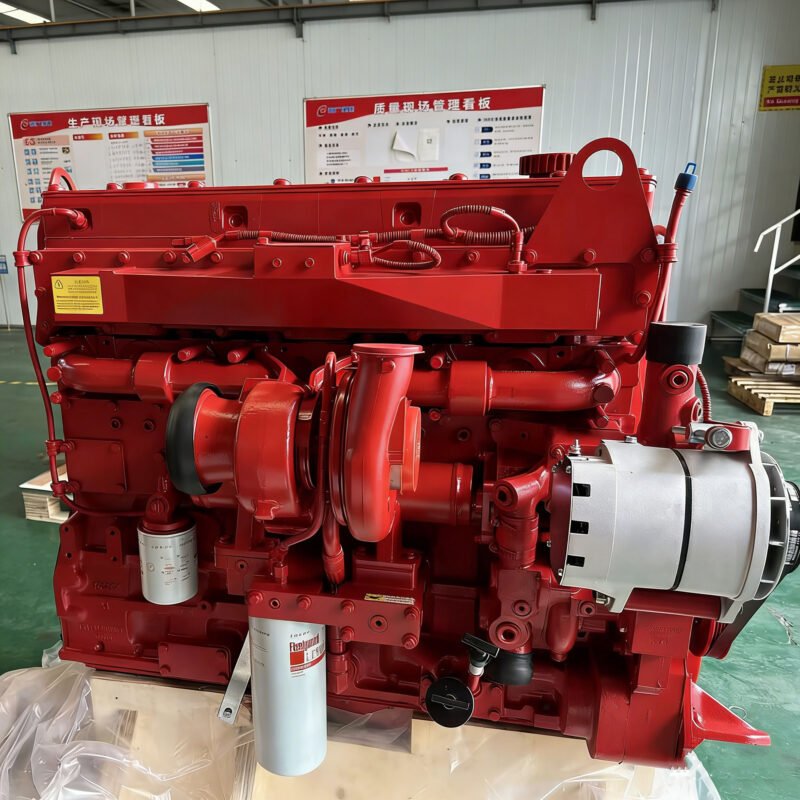
Why Mining Machinery Demands Specialized Heavy-Duty Diesel Engines
Mining equipment operates under severe duty cycles that differ fundamentally from standard construction profiles. Machines such as hydraulic excavators, continuous miners, underground load-haul-dump (LHD) loaders, and haul trucks demand high torque rise at low engine speeds. This sustained low-end torque is essential to overcome heavy breakout resistance and steep haul-road grades.
Standard industrial engines often struggle under continuous high-load factors. Mining power plants must feature reinforced structural components, including heavy-ribbed cast iron blocks, forged steel crankshafts, and wet-type cylinder liners. These elements resist cyclic torsional stress and mechanical fatigue caused by hydraulic pressure spikes.
A specialized diesel engine for mining machines must also deliver rapid transient response. When an excavator bucket hits compacted strata, the engine encounters an instantaneous step-load. Advanced electronic control units (ECUs) and matched turbochargers ensure immediate boost pressure to prevent engine stalling during sudden resistance surges.
Surface vs. Underground Mining: Specific Duty-Cycle Requirements
Operating conditions dictate vastly different mechanical and regulatory specifications depending on whether the machine works on the surface or deep underground.
| Engineering Parameter | Surface Mining (Open-Pit) | Underground Hard Rock / Coal Mining |
| Primary Equipment | Haul trucks, large shovels, rotary drills | LHD loaders, scalers, low-profile haulers |
| Key Environmental Factor | Extreme ambient dust, wide temperature swings | Confined spaces, restricted ventilation pathways |
| Explosion-Proof Needs | Standard industrial electrical safety | Flameproof and explosion-proof certified |
| Surface Temperature Limit | Standard engine thermal insulation | Maximum 150°C (302°F) statutory limit |
| Aftertreatment Focus | Tier 4 Final / Stage V (DOC, DPF, SCR) | DPF with flame arrestors and water scrubbers |
Surface Open-Pit Operations
Surface mines expose machinery to massive ambient temperature swings, from sub-zero winter freezes to summer heat exceeding 45°C. Haul trucks and blast-hole drills run high average load factors, often between 60% and 75%, over 24-hour shift schedules.
Engines in this category require large oil sumps to extend service intervals. They also need high-capacity cooling packages and heavy-duty auxiliary power take-offs (PTO) to drive large hydraulic pumps continuously.
Underground Confined Environments
Underground extraction places severe physical and atmospheric constraints on diesel powertrains. Confined tunnels limit ambient heat dissipation, while unventilated exhaust gases present severe health hazards to underground personnel.
Engines engineered for underground use must meet stringent explosion-proof design standards. Component surface temperatures cannot exceed statutory thresholds to prevent the ignition of ambient coal dust or methane gas mixtures. This requires:
- Water-jacketed exhaust manifolds and wet exhaust pipe sections.
- Heavy-duty flame arrestors on intake and exhaust paths.
- Automatic intake air shutoff valves to prevent engine overspeed in combustible atmospheres.
- Low-emission combustion tuning coupled with specialized underground diesel particulate filters.
High-Altitude Derating and Thermal Management in Harsh Mine Sites
Many large open-pit copper, gold, and lithium operations operate at elevations between 2,500 and 4,500 meters above sea level. Thinner air at high altitudes reduces ambient oxygen density, directly affecting air-fuel ratios, combustion efficiency, and turbocharger performance.
| Elevation (Meters) | Air Density Ratio | Standard Power Output | High-Altitude Matched Turbo System |
| 0 m (Sea Level) | 100% | 100% (Rated Power Output) | Standard Factory Performance Curve |
| 2,000 m | ~78% | 90% – 93% (Naturally Derated) | Altitude-Compensated Fuel Map |
| 3,500 m | ~65% | 78% – 82% (Naturally Derated) | Dual-Stage / Variable Geometry Turbo |
Operating standard engines at altitude without proper calibration causes unburned fuel, excessive exhaust gas temperatures, and accelerated thermal fatigue of exhaust valves. Modern mining engine configurations utilize altitude-compensating fuel maps and matched turbochargers to maintain rated power up to high elevations.
Cooling packages must also account for reduced air density, which impairs radiator heat rejection. Heavy-duty mining cooling modules utilize bar-and-plate aluminum or copper-brass cores. These systems feature wide fin pitch spacing to prevent clogging from damp mineral dust and slurry spray.
Air Filtration and Fluid Protection Under Severe Dust Ingestion
Abrasive airborne particulates like silica, iron ore dust, and quartz particles represent the most common cause of premature engine failure. Ingesting fine dust particles causes rapid abrasion of piston rings, cylinder liners, and turbocharger compressor wheels.
To maintain acceptable engine lifespan in dusty extraction zones, powertrain integration requires multi-stage filtration:
- Centrifugal Pre-Cleaners: Dynamic swirl vanes eject up to 85% of coarse airborne dust before it reaches the main filter media.
- Dual-Stage Dry Air Cleaners: High-efficiency primary elements trap medium particles, backed by internal safety elements that protect the intake if the main element fails.
- Scavenge Exhaust Systems: Venturi tubes integrated into the exhaust stream create suction to eject separated dust from the pre-cleaner automatically.
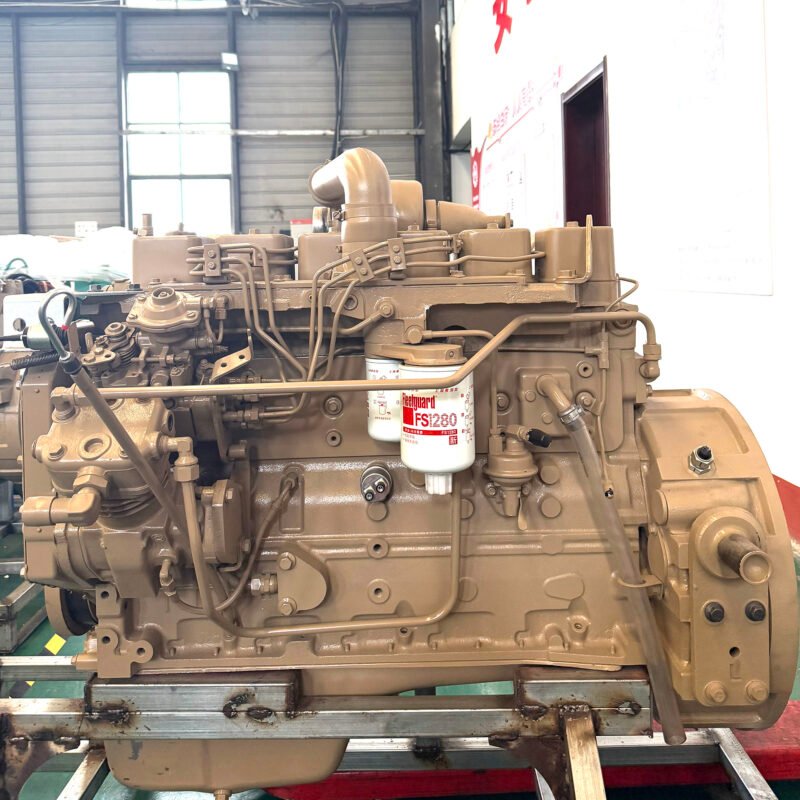
Fuel and lubricant filtration demands equal attention. Mining diesel engines running high-pressure common rail (HPCR) systems operate at injection pressures exceeding 2,000 bar. Sub-micron fuel-water separators and secondary fuel filters are mandatory to prevent premature erosion of injector control valves from contaminated bulk fuel storage.
Emissions Standards and Underground Safety Regulations
Global regulatory bodies enforce strict exhaust limits to protect atmospheric quality and mine worker health. Compliance requires integrated electronic engine management and robust exhaust aftertreatment modules.
| Regulation Standard | Key Technical Focus | Target Mining Machinery |
| MSHA 30 CFR Part 7 / 36 | Diesel Particulate Matter (DPM) and Safety Limits | Underground mining vehicles |
| EPA Tier 4 Final | Severe NOx and Particulate Matter (PM) Reductions | Surface extraction equipment |
| EU Stage V | Particle Number (PN) and Mass Thresholds | Global surface and underground machinery |
For surface operations, meeting EPA Tier 4 Final or EU Stage V mandates the integration of Diesel Oxidation Catalysts (DOC), Diesel Particulate Filters (DPF), and Selective Catalytic Reduction (SCR). In mining machinery, aftertreatment canisters must be heavily insulated and vibration-isolated against harsh chassis shaking.
For underground applications, the U.S. Mine Safety and Health Administration (MSHA) enforces strict limits on particulate matter and toxic gaseous emissions. Engines must pass rigorous laboratory certification to prove they maintain permissible exhaust dilution rates within restricted ventilation pathways.
When evaluating powertrain configurations for new equipment or fleet overhauls, engineers can review standard heavy-duty platforms via industrial engine product catalogs to evaluate displacement, torque curves, and installation dimensions tailored to severe off-highway duty cycles.
FAQ
What causes power loss in mining machine diesel engines at high altitudes?
Reduced atmospheric pressure at high elevations lowers intake air density, providing less oxygen for fuel combustion. Without specialized altitude compensation or variable geometry turbocharging, engines suffer from incomplete combustion, higher exhaust gas temperatures, and automated electronic derating.
How does an underground mining diesel engine prevent fire and explosion risks?
Underground engines use explosion-proof packaging, including water-jacketed exhaust manifolds to limit surface temperatures below 150°C. They also incorporate intake and exhaust flame arrestors, spark arrestors, anti-static belts, and automatic intake air shutoff valves to prevent the ignition of surrounding combustible gases.
Why is low-end torque more important than peak horsepower in mining machinery?
Mining machines encounter immediate high-resistance loads during digging, ripping, and ramp hauling. High low-end torque provides the breakout force needed to drive heavy hydraulic systems without stalling the engine or requiring frequent transmission downshifts.
What maintenance intervals are standard for heavy mining diesel engines?
Standard preventive maintenance intervals typically occur every 250 to 500 operating hours for engine oil and filter changes. However, severe dust conditions, high-sulfur fuel, or extreme load factors often require oil sampling and air cleaner servicing every 100 to 250 hours.
Reference Sources
- Mine Safety and Health Administration (MSHA)
30 CFR Part 7 & Part 36 — Testing and Approval of Mining Products: Diesel Engines and Power Packages - United States Environmental Protection Agency (EPA)
Nonroad Compression-Ignition Engines: Exhaust Emission Standards (Tier 4 Final) - International Organization for Standardization (ISO)
ISO 8178: Reciprocating Internal Combustion Engines — Exhaust Emission Measurement - Society of Automotive Engineers (SAE International)
SAE J1349: Engine Power Test Code — Spark Ignition and Compression Ignition

