
Choosing a Custom Diesel Engine Manufacturer for Industrial Use

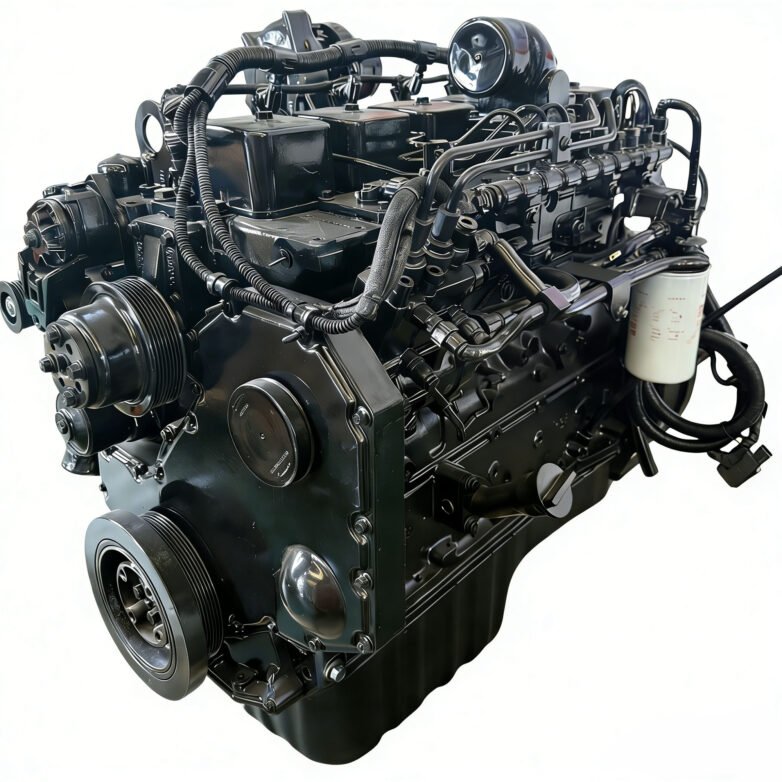
Selecting a custom diesel engine manufacturer is a pivotal decision that impacts the lifecycle cost and operational reliability of industrial machinery. For OEM project managers and lead engineers, an off-the-shelf engine rarely meets the precise thermal, spatial, or electronic integration requirements of specialized equipment. Whether the application involves high-altitude mining, precision irrigation, or emergency standby power, the “custom” aspect of the engine determines how well the system handles transient loads and environmental stressors.
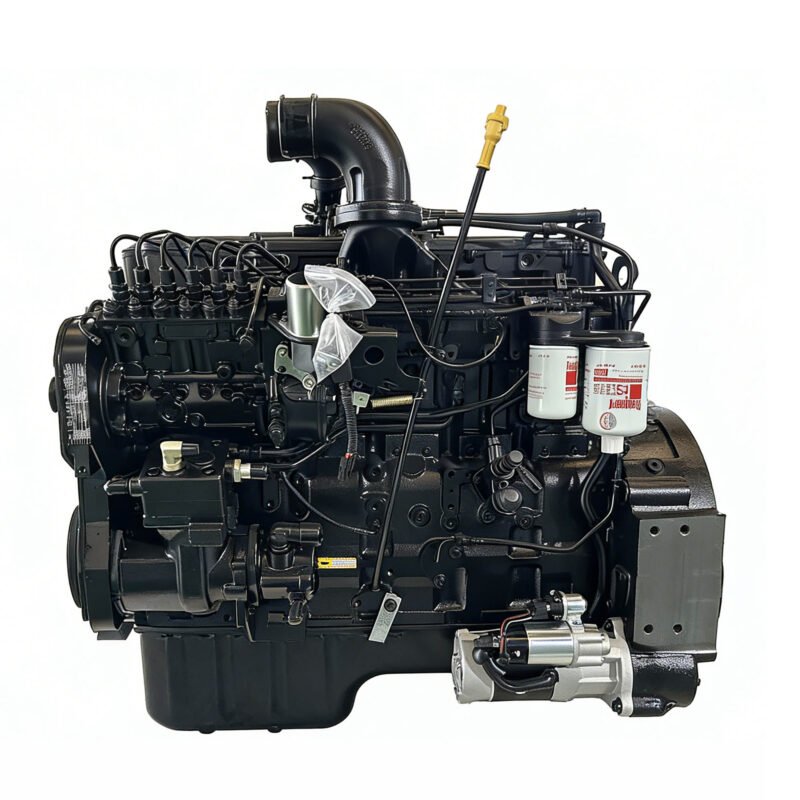
Why Standard Engines Often Fail in Specialized Industrial Contexts
Standardized diesel engines are designed for “average” conditions. However, industrial environments are rarely average. A custom diesel engine manufacturer addresses the specific variables that standard units ignore, such as parasitic loads from hydraulic pumps or restricted airflow in compact enclosures.
When an engine is not tailored to its application, several technical issues typically arise:
- Thermal Imbalance: Standard cooling packages may be insufficient for high-ambient temperature environments, leading to frequent derating.
- Integration Friction: Mismatched SAE housing sizes or flywheel configurations can lead to excessive vibration and premature bearing failure.
- Electronic Incompatibility: Off-the-shelf ECUs (Engine Control Units) might not communicate effectively with proprietary industrial CAN bus systems.
By partnering with a manufacturer capable of custom engineering, industrial operators ensure that the power plant is an integrated component rather than a bolted-on afterthought.
Key Technical Criteria for Evaluating Custom Engine Manufacturers
A high-tier custom diesel engine manufacturer must offer more than just assembly. They must provide engineering validation. When vetting a potential partner, industrial buyers should focus on three primary technical pillars.
1. Engineering and Integration Depth
Can the manufacturer modify the core architecture? Industrial use often requires specific mounting points, different oil pan geometries for high-inclination work, or specialized front-end accessory drives (FEAD). A manufacturer likeKangjin Powerdemonstrates this capability by offering a diverse range of configurations—from water-cooled units for stationary pumps to high-torque engines for heavy construction.
2. Emission Compliance and Mapping
Global industrial projects require adherence to varying emission standards, such as EPA Tier 4 Final, EU Stage V, or localized Tier 2/Tier 3 standards for less regulated markets. A competent manufacturer provides custom ECU mapping to balance fuel efficiency with emission output based on the specific duty cycle of the machine.
3. Testing and Validation Protocols
Industrial engines must endure rigorous duty cycles. Inquire about the manufacturer’s testing facilities. Do they perform full-load bench testing? Is there a protocol for Noise, Vibration, and Harshness (NVH) testing? Reliable manufacturers provide dynamometer reports that prove the engine meets the torque curve required for your specific industrial load.
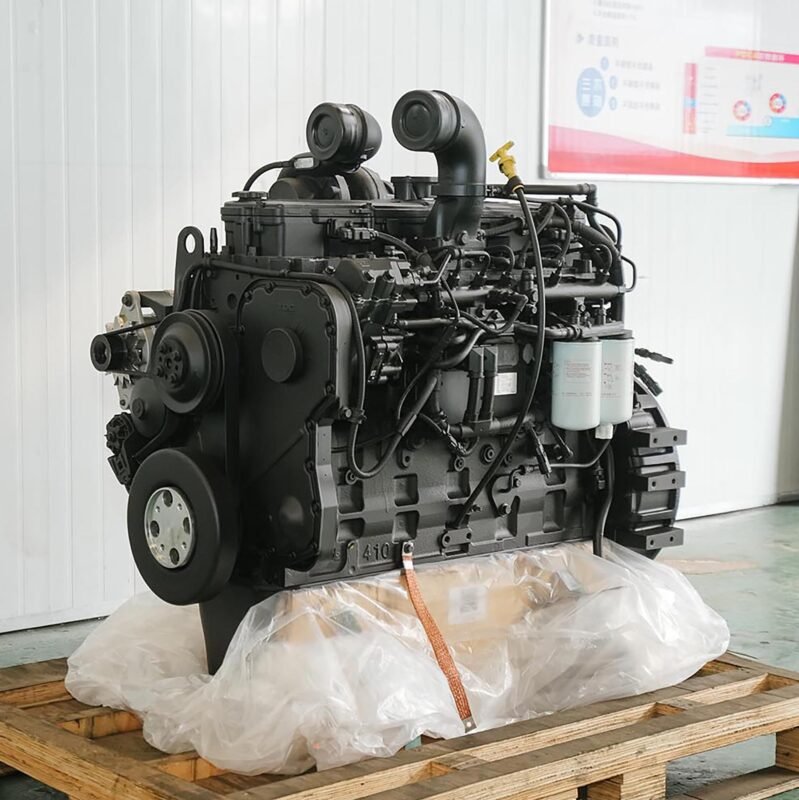
Comparison: Standard vs. Custom Diesel Engine Manufacturing
| Feature | Standard “Off-the-Shelf” Engine | Custom Industrial Engine Solution |
| Mounting & Housing | Fixed SAE standards; limited flexibility. | Tailored brackets and specialized flywheel housings. |
| Cooling System | Generic radiator sized for 25°C – 35°C. | Oversized or remote cooling for extreme heat/altitudes. |
| Electronic Control | Fixed software parameters. | Custom CAN bus integration and telemetry options. |
| Maintenance Access | Designed for general vehicle use. | Points relocated for specific machine enclosures. |
| Duty Cycle Match | General purpose. | Optimized for continuous, intermittent, or standby power. |
Application-Specific Customization Requirements
The definition of a “custom” engine shifts depending on the industrial sector. A manufacturer’s versatility is often proven by their portfolio across these distinct environments.
Construction and Earthmoving
Engines in this sector require high torque rise at low RPMs to handle sudden hydraulic loads. Customization often involves reinforced oil pans to handle steep operating angles and heavy-duty air filtration systems for high-dust environments.
Marine and Industrial Pumping
For pumping applications, particularly in fire-fighting or irrigation, the engine must interface perfectly with the pump’s curve. Custom diesel engine manufacturers often provide specific governors to maintain constant speed despite varying head pressure.
Power Generation (Gensets)
In power generation, the focus shifts to transient response. When a large motor starts, the engine must recover its frequency (RPM) almost instantly. Customizing the flywheel inertia and the turbocharger matching is essential for meeting ISO 8528-5 G3 standards.
Navigating the Procurement Workflow for Custom Engines
Transitioning from a technical requirement to a physical engine involves a structured engineering workflow. For B2B buyers, understanding this process helps in managing lead times and ensuring quality.
- Technical Discovery: The manufacturer reviews the machine’s “Envelope Power Requirement,” including space constraints and peak load profiles.
- Prototype Development: A 3D CAD model of the engine is integrated into the client’s machine design to check for interferences.
- Application Review: Engineers from the manufacturer verify that the cooling airflow and exhaust backpressure are within safe limits.
- Field Trialing: Before mass production, a pilot unit is often installed in a prototype machine for real-world stress testing.
Kangjin Power’s product rangeserves as a baseline for this process, providing the foundational engine blocks—such as those derived from Cummins, Deutz, or Isuzu architectures—which are then adapted for specific industrial use cases.
The Role of Material Selection in Engine Longevity
Customization isn’t just about where the bolts go; it’s about what the engine is made of. In corrosive industrial environments, such as chemical processing or coastal salt-air locations, standard alloys may degrade.
An expert manufacturer will suggest:
- Corrosion-Resistant Coatings: Specialized paints or platings for external components.
- Material Upgrades: Using high-silicon cast iron for cylinder heads to better manage thermal expansion.
- Advanced Filtration: Custom fuel-water separators and secondary oil filters to extend service intervals in remote areas.
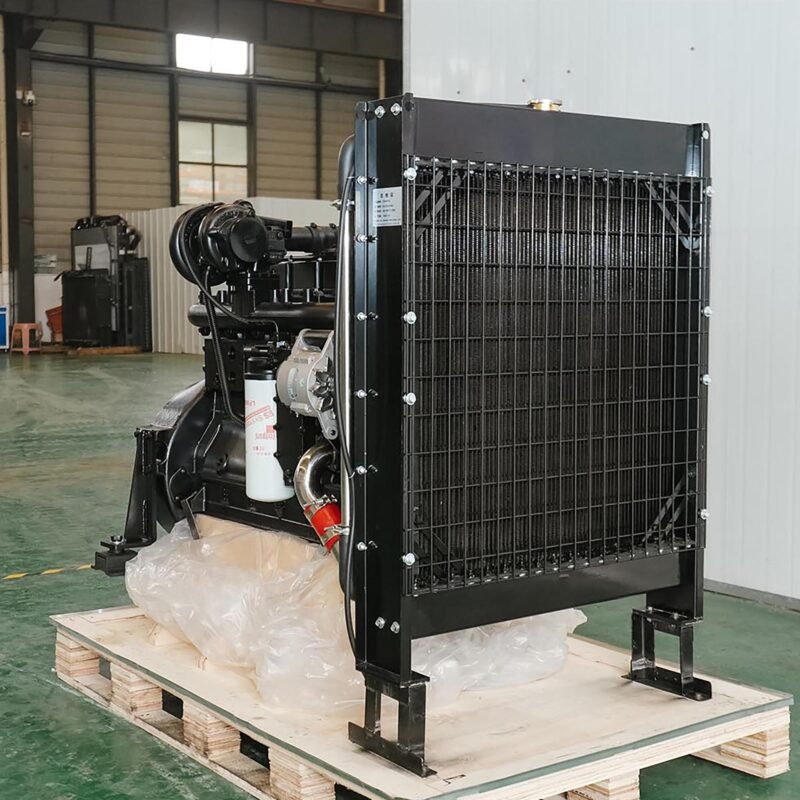
FAQ: Selecting a Custom Diesel Engine Manufacturer
What is the typical lead time for a custom industrial engine?
Lead times vary significantly based on the level of modification. A “configuration change” (e.g., different alternator or mounting) may take 4–8 weeks. A complete “re-engineering” (e.g., new cooling package or ECU mapping) can take 12–20 weeks depending on validation requirements.
Can a manufacturer provide engines for both Tier 2 and Stage V markets?
Yes. Professional manufacturers maintain multiple engine platforms to satisfy different regional emission laws. This allows OEMs to use a single engine “footprint” for their machines while swapping the internal components to meet local regulations.
How is the warranty handled for customized engines?
Warranty structures for custom engines are typically tiered. The base engine is covered by the primary block manufacturer, while the custom-engineered components (radiators, specialized controllers, frames) are covered by the custom manufacturer. Always clarify the “Single Point of Contact” for service before signing a contract.
What certifications should I look for?
At a minimum, look for ISO 9001:2015 for quality management. For specific industries, look for CE marking, EPA certification, or marine-specific certifications like CCS, BV, or ABS if the engine will be used in maritime industrial roles.
Reference Sources:
- ISO 8528: International standard for reciprocating internal combustion engine-driven alternating current generating sets.ISO.org
- CIMAC (International Council on Combustion Engines): Technical recommendations for industrial diesel engine maintenance and emissions. CIMAC.com
- EPA Diesel Emissions Standards: Guidelines for non-road diesel engines used in industrial applications. EPA.gov

