
Best OEM Diesel Engine Manufacturer in China: How to Source Quality

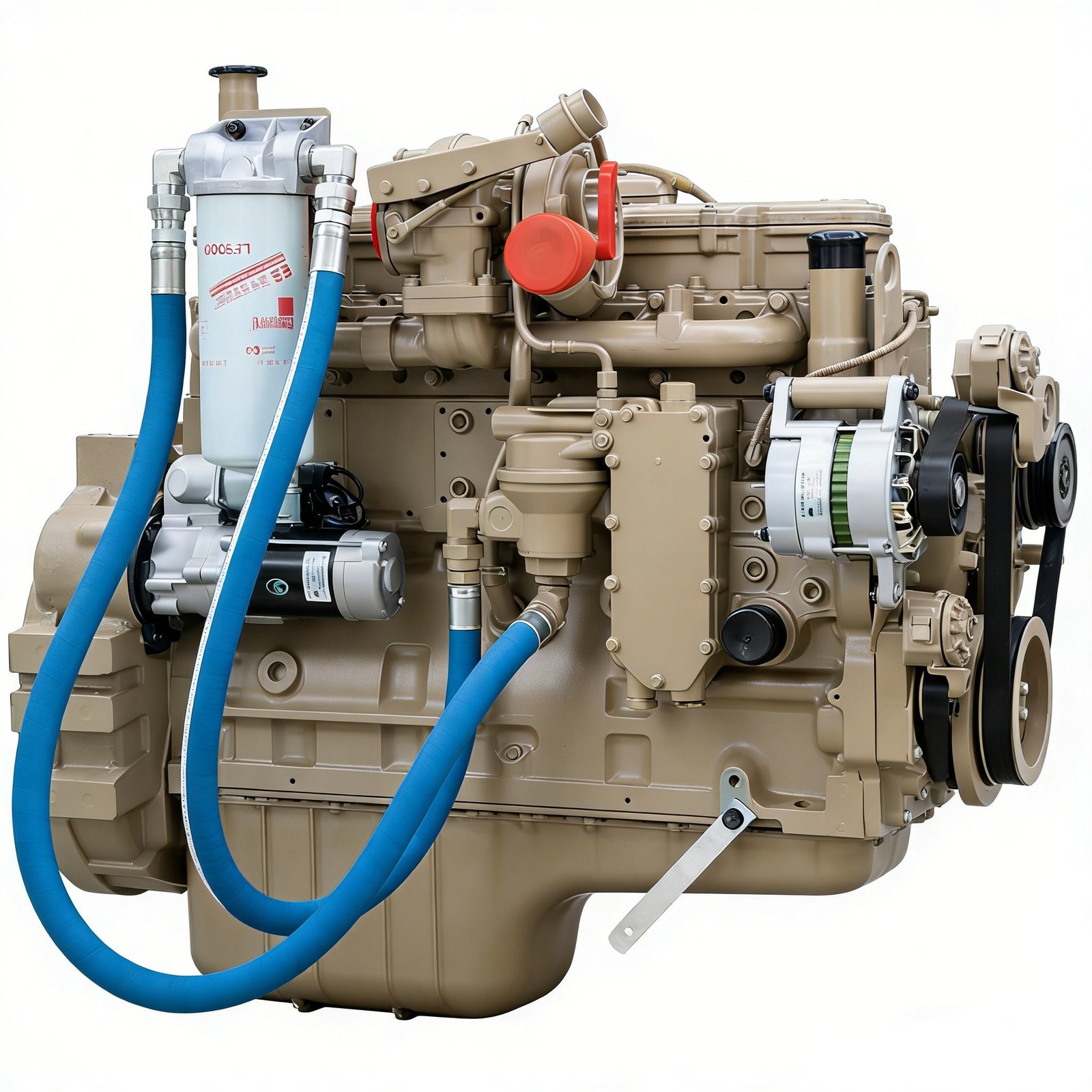
Navigating the Landscape of China’s OEM Diesel Engine Manufacturing
Sourcing heavy-duty power systems from an OEM diesel engine manufacturer in China requires more than a price comparison. For procurement managers and project engineers, the primary challenge lies in balancing initial capital expenditure (CAPEX) with long-term operational reliability and emission compliance. China’s internal combustion engine industry has matured from a cost-driven market into a sophisticated manufacturing hub capable of meeting Tier 4 Final and Stage V standards.
Choosing a partner involves evaluating technical depth, from metallurgy and casting quality to ECU calibration and fuel injection system integration. High-performance diesel engines are critical components in construction, marine, and power generation sectors where downtime represents significant financial risk.
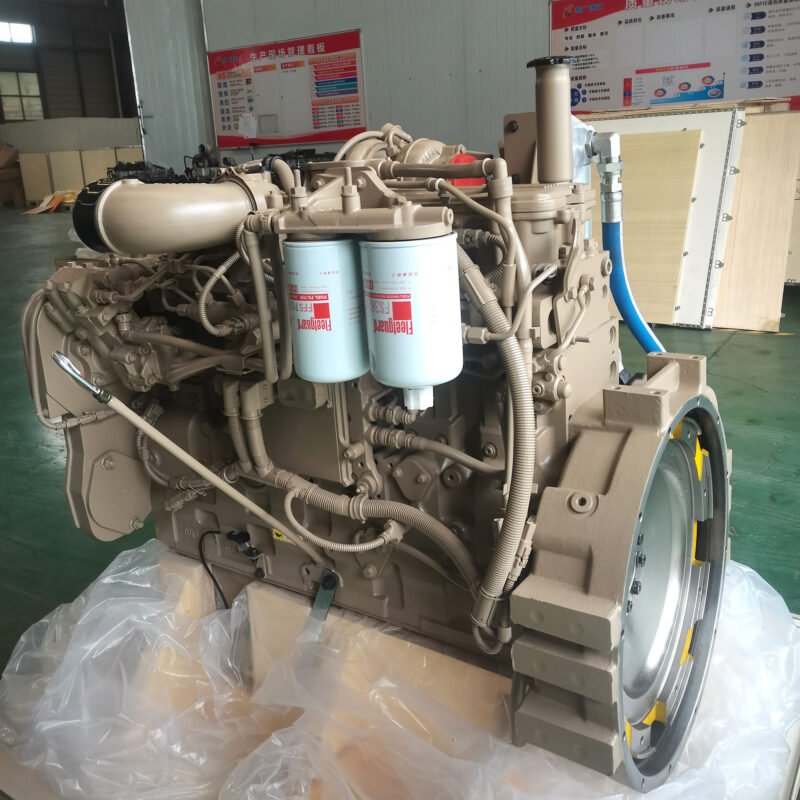
Technical Classification: Matching Engine Specs to Application
A professional OEM manufacturer must demonstrate proficiency across diverse application environments. Different duty cycles require specific torque curves and cooling configurations.
| Application Category | Key Technical Focus | Engine Requirements |
| Construction Machinery | High Torque at Low RPM | Dust filtration, vibration resistance, PTO integration. |
| Marine Propulsion | Corrosion Resistance | Heat exchanger cooling, IMO Tier II/III compliance. |
| Power Generation | Frequency Stability | Precise electronic governors, 1500/1800 RPM optimization. |
| Automotive (Truck/Bus) | Power Density | Euro VI compliance, lightweight alloys, NVH control. |
| Water Pump Systems | Continuous Load Duty | Reliable mechanical or electronic fuel systems. |
In industrial manufacturing, the “One-Size-Fits-All” approach often leads to premature engine failure. For example, a diesel engine designed for emergency standby power lacks the thermal management required for a continuous-duty marine propulsion system.
Engineering Standards and Quality Control Logic
Evaluating an OEM diesel engine manufacturer in China requires an audit of their quality management systems (QMS). Beyond ISO 9001, industry-specific certifications like IATF 16949 (for automotive) or CCS/DNV/LR (for marine) serve as benchmarks for engineering discipline.
Quality begins with the casting of the cylinder block and head. Premium manufacturers utilize high-strength alloy cast iron to ensure thermal stability and prevent warping under high peak cylinder pressures. Modern common rail fuel systems, often integrated from global leaders like Bosch or Delphi, require cleanroom assembly environments to prevent injector fouling.
Testing protocols are equally vital. A reliable supplier should provide dynamometer test reports for every unit. These reports must verify fuel consumption maps, torque delivery, and exhaust temperature limits under various load conditions.
Integration and Customization: The OEM Workflow
Successful OEM partnerships depend on the manufacturer’s ability to provide technical support during the integration phase. This involves more than delivering a crate engine.
Key integration services include:
- Cooling System Matching: Ensuring radiators or heat exchangers meet the specific ambient temperature requirements of the end-use location.
- Mounting and Vibration Isolation: Designing custom engine mounts to minimize harmonic resonance in the chassis or hull.
- Electrical System Configuration: Adapting the wiring harness for 12V or 24V systems and ensuring CAN-bus compatibility for remote monitoring.
- Emissions After-treatment: Selecting the appropriate DPF, SCR, or DOC systems to meet regional environmental regulations.
For specialized projects, such as marine or high-altitude construction, the ability to modify turbocharger geometry or adjust fuel maps is a critical differentiator.
Sourcing Strategic Power Solutions with Kangjin Power
For buyers seeking a diversified portfolio, Kangjin Power’s Product Rangerepresents the current capabilities of high-tier Chinese manufacturing. Their infrastructure supports a wide spectrum of industrial needs, including specialized automotive engines, construction machinery power units, and marine-grade diesel systems.
The advantage of working with a supplier like Kangjin lies in their technical breadth. They provide both complete engine assemblies and critical engine parts, which ensures long-term aftermarket support. This “full-lifecycle” capability is essential for international buyers who must guarantee parts availability for their end-users. Their portfolio covers:
- Industrial Power: Tailored solutions for water pumps and power generation.
- Heavy Equipment: Engines optimized for the high-impact cycles of construction machinery.
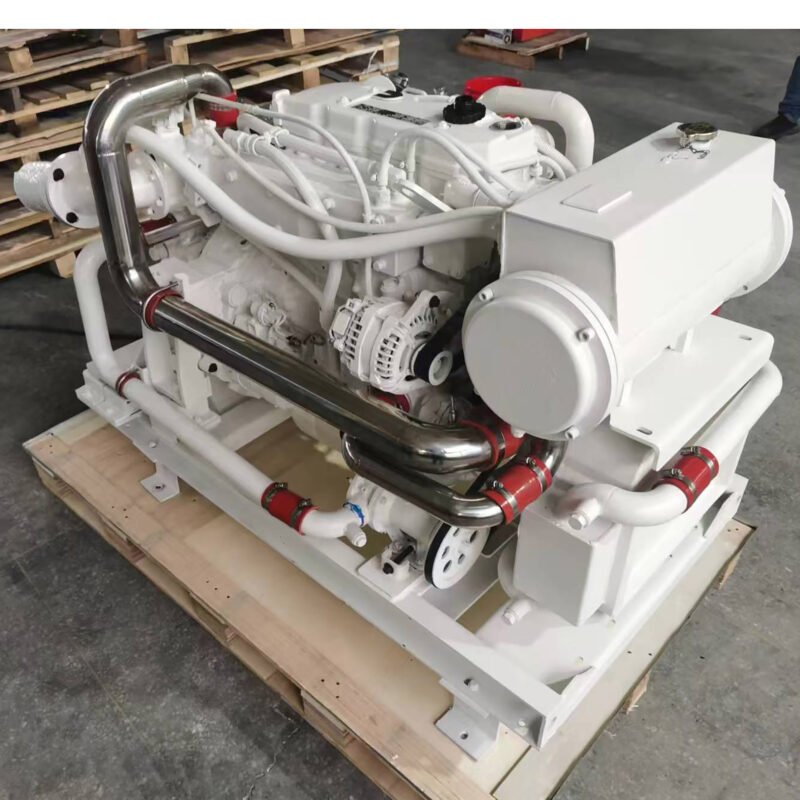
- Marine Power: Systems designed for the unique demands of the maritime environment.
By aligning with a manufacturer that understands both the assembly of the engine and the manufacturing of its components, procurement teams reduce the risk of supply chain fragmentation.
FAQ: Professional Sourcing Insights
Q: How do Chinese OEM engines compare to European or US brands in terms of longevity?
A: When using comparable fuel systems (like Bosch) and high-grade casting materials, modern Chinese OEM engines achieve similar TBO (Time Between Overhaul) intervals. The key is ensuring the manufacturer adheres to international metallurgy standards and provides genuine component support.
Q: What is the typical lead time for custom OEM diesel engine configurations?
A: Standard configurations usually have a lead time of 30 to 45 days. However, custom integrations involving specific emissions after-treatment or specialized PTO (Power Take-Off) requirements may extend to 60 or 90 days depending on the engineering complexity.
Q: Can Chinese manufacturers meet EPA Tier 4 Final or EU Stage V regulations?
A: Yes. Leading manufacturers now offer engines equipped with advanced SCR (Selective Catalytic Reduction) and DPF (Diesel Particulate Filter) technologies. Always request third-party emission certification (SGS, TUV, or CE) to verify compliance for your specific market.
Q: What is the Minimum Order Quantity (MOQ) for OEM Diesel Engines?
A: For standard industrial or marine engines, the MOQ can be as low as 1 to 5 units. For highly customized automotive or machinery projects requiring specific tooling, MOQs may increase to 10 or more units to offset engineering costs.
Q: How is technical support handled for international OEM buyers?
A: Tier-1 manufacturers provide comprehensive digital documentation, including 3D CAD models for integration, electrical schematics, and diagnostic software. Many also offer remote engineering consultation to assist during the initial prototype installation.
Reference Sources
- Internal Combustion Engine Association (ICEA): Technical reports on global diesel engine manufacturing trends.
- ISO 8178 Standards: International standards for exhaust emission measurement of non-road internal combustion engines.
- China Association of Automobile Manufacturers (CAAM): Data on diesel engine export quality and production capacity.
- SGS/TUV Certification Databases: Verification of manufacturing quality and environmental compliance for industrial engines.

