
Best Diesel Engine for Generator: A Technical Comparison for Industrial ROI

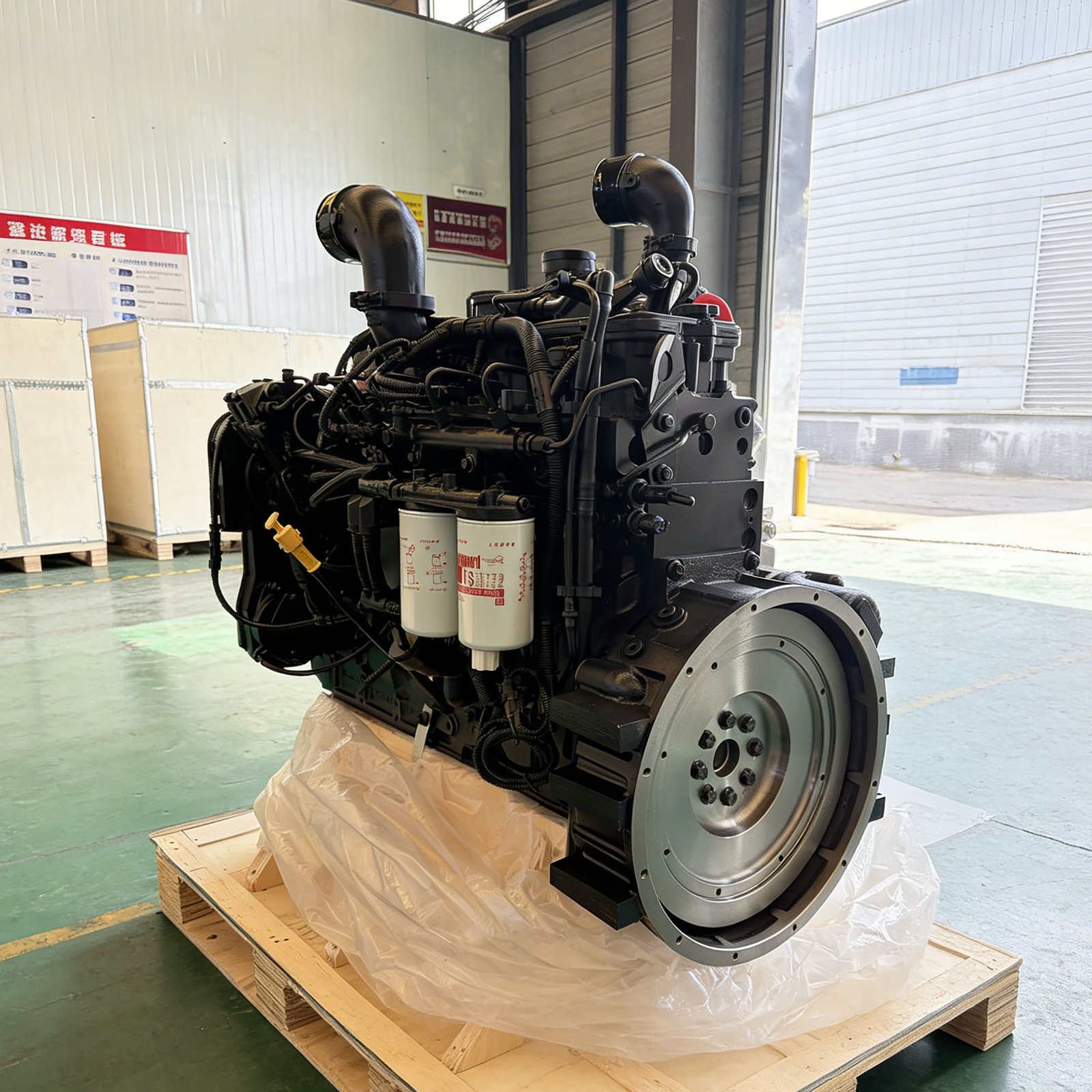
Identifying the best diesel engine for generator applications is not a matter of finding a single universal model, but rather matching a specific “G-Drive” power unit to the required duty cycle. In the power generation industry, an engine’s value is defined by its transient response, thermal stability, and long-term fuel consumption. For OEM project managers and backup power consultants, the engine typically accounts for 60% to 70% of the total generator set cost, making technical compatibility the highest priority for ROI.
Whether you are configuring a standby system for a data center or a prime power unit for a remote mining site, the choice of engine dictates the reliability of the entire electrical infrastructure.
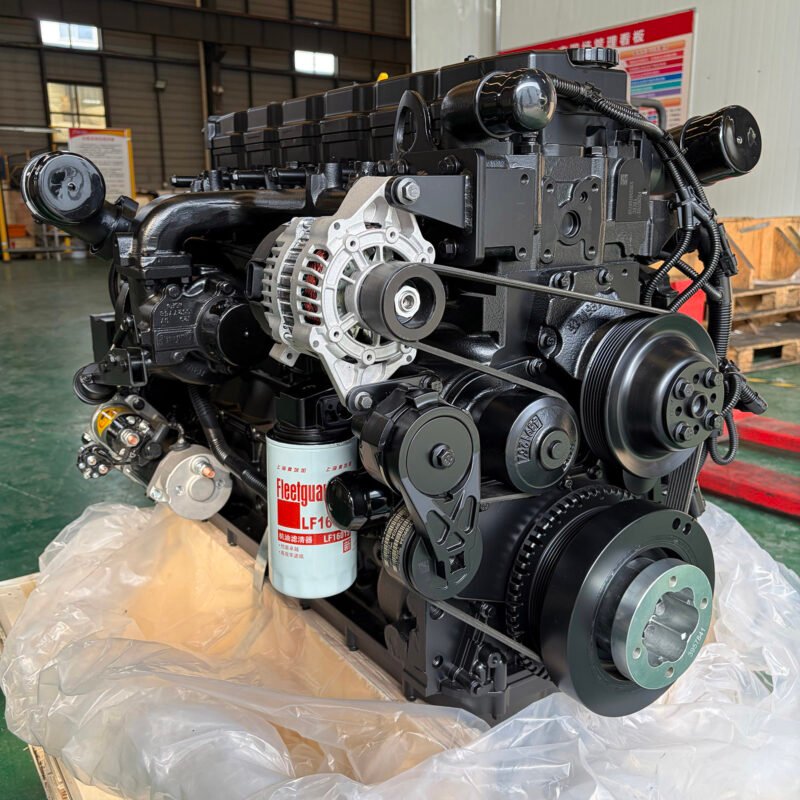
The Technical Benchmarks of a Top-Tier Generator Engine
In professional power generation, the “best” engine is selected based on ISO 8528 standards, which classify performance into G1, G2, G3, and G4 categories depending on the frequency and voltage stability required. When evaluating an engine, engineers prioritize the following mechanical attributes:
- Transient Response: This refers to the engine’s ability to recover its rated speed (frequency) after a sudden load step. High-performance engines utilize optimized turbocharging and electronic governors to handle block loads without stalling.
- Governor Type (Mechanical vs. Electronic): For sensitive electronics and telecommunications, the best engines utilize electronic governors to maintain an isochronous speed control, ensuring frequency deviation remains below 0.25%.
- Power Density: Modern engines aim for higher kW output per liter of displacement, which reduces the overall footprint and weight of the genset—a critical factor for mobile or containerized power solutions.
Top Picks for Industrial Generator Engines: Application Logic
Selecting an engine depends on the Search Funnel logic of the project: Standby, Prime, or Continuous power.
1. Standby Power (Emergency Backup)
Standby engines are designed to reach full load within 10 seconds of a utility failure. The focus here is on cold-start reliability and high power-to-weight ratios. Industrial value-tier engines often provide the best ROI for this application because the total operating hours are low, but reliability must be 100%.
2. Prime Power (Variable Load)
For sites without grid access, the engine must handle variable loads for unlimited hours per year. These engines require superior filtration systems and high-capacity oil sumps to extend service intervals.
3. Continuous Power (Base Load)
In base-load applications, such as co-generation, the “best” engine is the one with the lowest Specific Fuel Consumption (SFC). Even a 1% difference in fuel efficiency can translate into tens of thousands of dollars in annual savings.
Technical Comparison: Premium Brands vs. Strategic Industrial Picks
| Feature | Global Premium Tier (Cummins/Perkins) | High-Value G-Drive Tier (e.g., Kangjin Power) |
| Fuel System | High-Pressure Common Rail (HPCR) | Mechanical Pump or HPCR Options |
| Maintenance Cost | High (Proprietary software/parts) | Low (Open-architecture maintenance) |
| Transient Capability | ISO 8528-G3 Compliant | ISO 8528-G2/G3 Compliant |
| Customization | Low (Standardized configurations) | High (Radiator/Governor flexibility) |
| Best For | Mission-critical Tier IV Data Centers | Industrial/Construction/Mining OEM |
Strategic Sourcing: G-Drive Engines from Kangjin Power
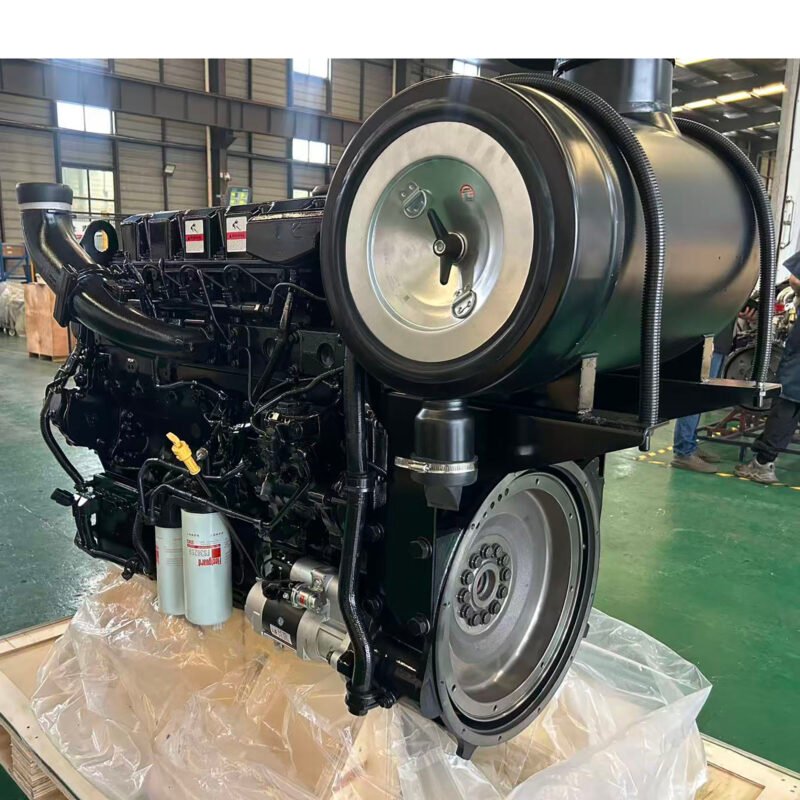
For procurement specialists and OEM assembly plants, sourcing thebest power generation enginesrequires a balance between technical compliance and supply chain agility. Kangjin Power specializes in G-Drive engines ranging from 10kVA to over 1000kVA, engineered specifically for the rigors of synchronous alternators.
Key manufacturing advantages observed in this tier include:
- Reinforced Cylinder Blocks: Designed to handle the torsional stress of 1500/1800 RPM synchronous speeds.
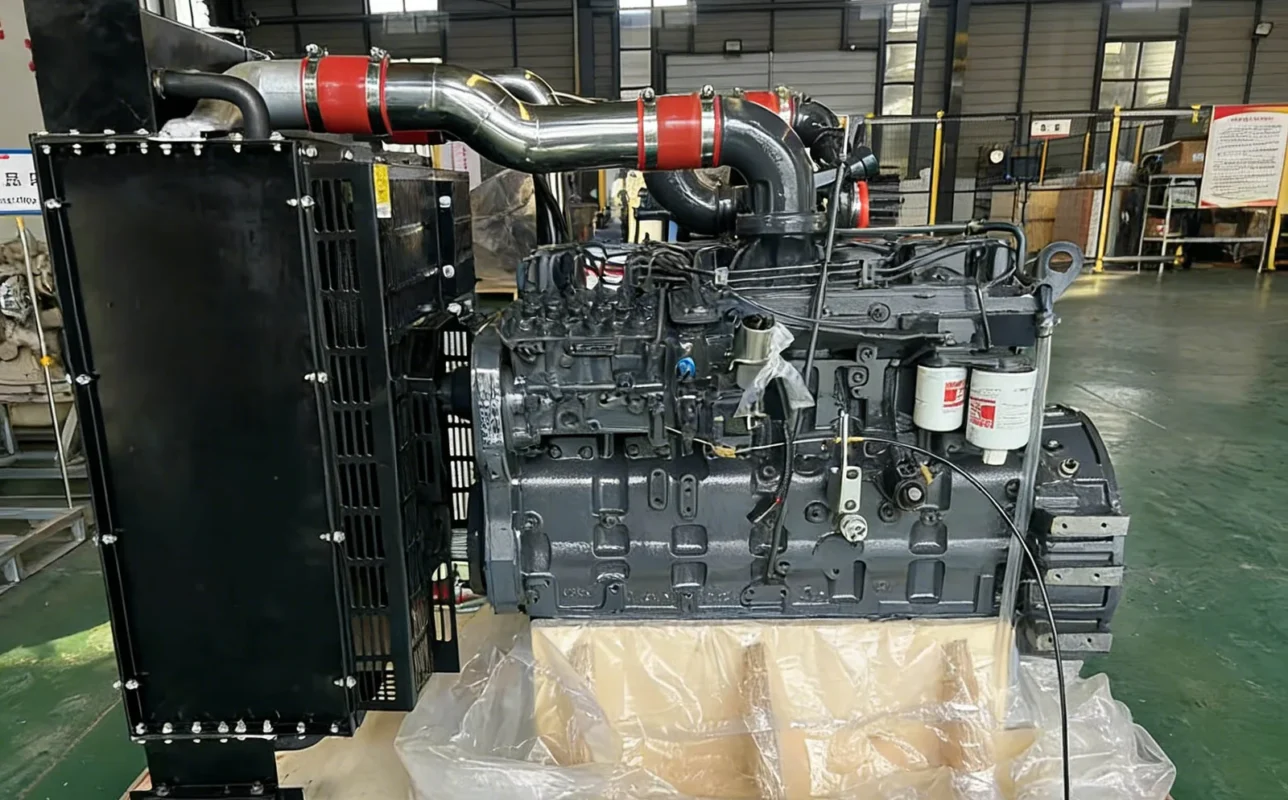
- Optimized Cooling Packages: Integrated radiators sized for 40°C or 50°C ambient temperatures to prevent derating in tropical environments.
- Compatibility: Standard SAE flywheel and housing dimensions for seamless integration with alternators like Stamford, Leroy Somer, or Mecc Alte.
Manufacturing Quality and Trustworthiness (EEAT)
When auditing a diesel engine for a generator, real-world manufacturing logic dictates a look beyond the datasheet. In large-volume production, consistency is verified through:
- Load Bank Testing: A reputable engine must undergo a hot-test on a dynamometer, simulating 25%, 50%, 75%, 100%, and 110% load steps to verify the fuel map and cooling efficiency.
- Material Metallurgy: High-silicon aluminum pistons and forged steel crankshafts are mandatory for engines intended for prime power to prevent fatigue failure under thermal cycling.
- Filtration Integrity: Engines operating in outdoor construction or automotive environments require multi-stage fuel-water separators to protect high-pressure injectors from low-quality fuel.
FAQ
What is the difference between a standby and a prime power engine?
A standby engine is rated for emergency use only, typically allowing for a 10% overload for 1 hour in 12. A prime power engine is designed for unlimited hours under variable load, usually at 70% average load factor. Choosing a standby engine for prime applications will lead to premature catastrophic failure.
How does altitude affect diesel generator engine selection?
Engines lose approximately 3% of their power for every 300 meters above sea level due to lower oxygen density. For high-altitude mining, the best engines are turbocharged and aftercooled to compensate for this loss and maintain kVA output.
What is the expected service life (TBO) of a high-quality generator engine?
A well-maintained industrial diesel engine should reach 10,000 to 20,000 hours before a major overhaul (TBO). This depends heavily on oil quality, cooling system maintenance, and adherence to load factors.
Are electronic governors necessary for all generators?
No. For simple construction lighting or resistive loads, mechanical governors are sufficient and easier to repair in remote areas. However, for UPS systems or data centers, electronic governors are required to prevent frequency “hunting” that can damage sensitive components.
What is the MOQ and lead time for OEM generator engines?
Lead times typically range from 4 to 8 weeks depending on the configuration (open vs. silent, cooling package). MOQs for industrial suppliers are often flexible, allowing for small-batch testing before large-scale OEM integration.
Reference Sources
- ISO 8528-1:2018: Reciprocating internal combustion engine driven alternating current generating sets.
- SAE J1349: Engine Power Test Code – Spark Ignition and Compression Ignition – Net Power Rating.
- DieselNet: Technical standards for non-road diesel engine emissions and fuel quality impacts.
- EGSA (Electrical Generating Systems Association): Best practices for on-site power generation maintenance and sizing.
- Kangjin Power Technical Documentation: Specifications for G-Drive engine torque and fuel maps for industrial alternators. (kangjinpower.com)

