
Common Rail Diesel Fuel Pressure Test: Rail Pressure & Diagnostic Methods

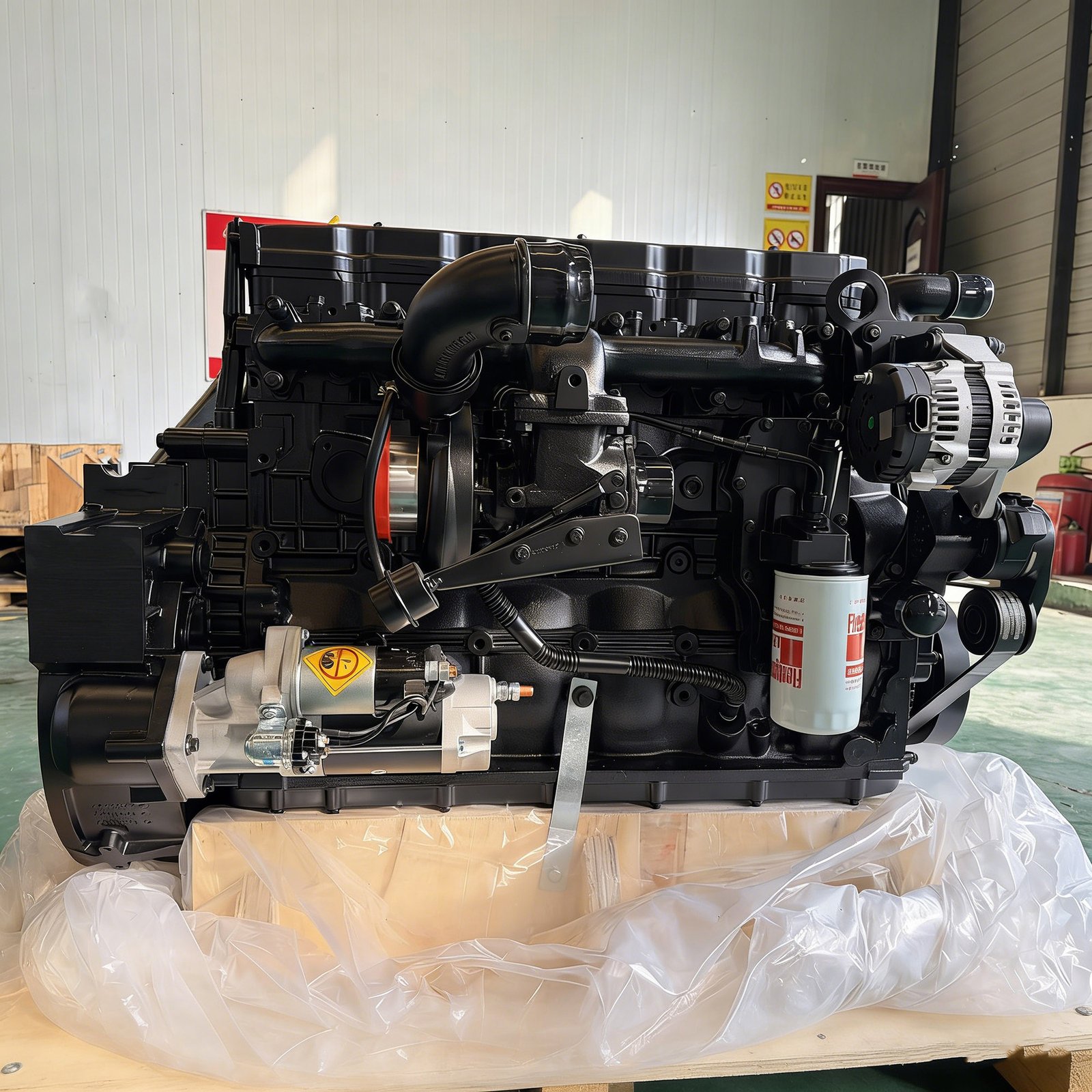
A common rail diesel fuel pressure test checks whether the fuel system generates and maintains the pressure commanded by the engine control module (ECM). Technicians use a compatible diagnostic tool to compare commanded and measured rail pressure during cranking, idle, and approved loaded operation. If the readings differ beyond the engine manufacturer’s limits, further tests can identify fuel supply restrictions, excessive injector return flow, pressure-control faults, or sensor problems.
Testing must distinguish low-pressure fuel supply from high-pressure rail operation. A normal reading at the supply pump does not guarantee correct rail pressure, and a low rail-pressure reading does not automatically mean the high-pressure pump has failed.
How Does Common Rail Diesel Fuel Pressure Work?
A common rail injection system separates fuel pressure generation from injection timing. The high-pressure pump supplies pressurized fuel to a shared rail, while electronically controlled injectors deliver fuel into individual cylinders.
The ECM regulates fuel pressure according to engine speed, load, temperature, and operating conditions. It uses pressure-sensor feedback to determine whether the system reaches its requested pressure.
The main components include:
- Fuel tank and supply lines.
- Lift pump or low-pressure supply pump.
- Primary and secondary fuel filters.
- High-pressure fuel pump.
- Fuel metering or pressure-control device.
- High-pressure accumulator rail.
- Rail pressure sensor.
- Electronically controlled injectors.
- Fuel return and pressure-relief circuits.
Bosch describes the high-pressure rail as an accumulator that stores compressed fuel and distributes it to the injectors. Its pressure sensor supplies feedback for precise fuel control.
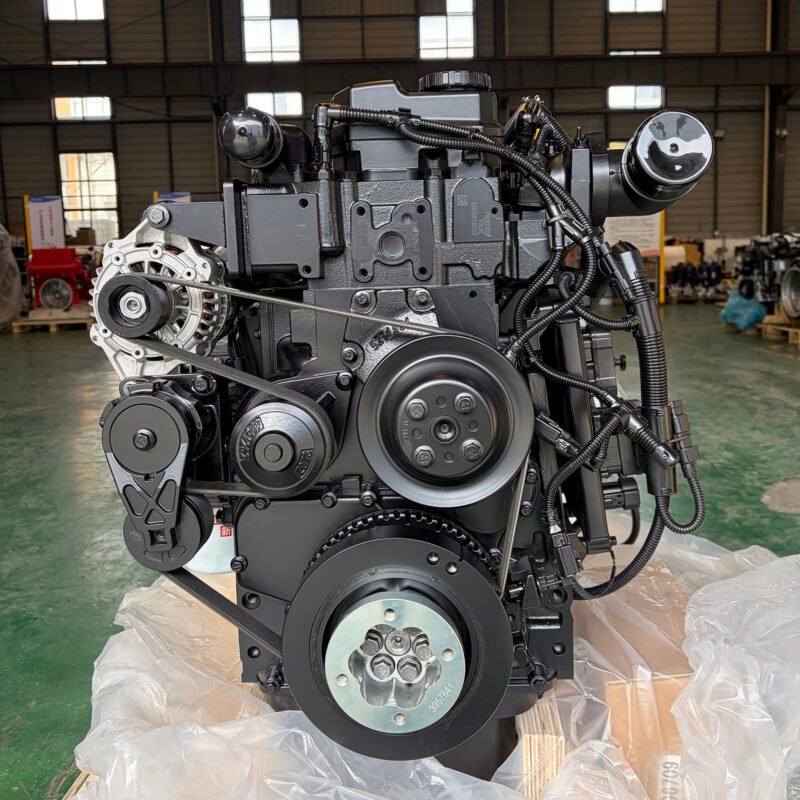
Low-Pressure Supply vs High-Pressure Rail
The two circuits perform different jobs and require different diagnostic methods.
| System | Main Function | Typical Diagnostic Approach |
|---|---|---|
| Low-pressure supply | Delivers filtered fuel to the high-pressure pump | Approved supply-pressure and flow tests |
| High-pressure pump | Compresses fuel for injection | ECM monitoring and approved pump tests |
| Common rail | Stores high-pressure fuel | Commanded versus measured pressure comparison |
| Injectors | Meter fuel into cylinders | ECM tests and approved return-flow measurements |
| Pressure sensor | Reports fuel rail pressure to the ECM | Fault codes, live data, and electrical checks |
This distinction matters during troubleshooting. A restricted fuel filter may starve the high-pressure pump, while excessive injector leakage can prevent the rail from maintaining pressure even when fuel supply is adequate.
How to Perform a Common Rail Diesel Fuel Pressure Test
The safest starting point is electronic diagnosis. On compatible Cummins engines, Cummins INSITE provides access to engine information, diagnostic faults, and supported fuel-system tests.
Before testing, identify the engine serial number, control system, and applicable service procedure. Rail-pressure targets and approved test functions vary by engine calibration.
Step 1: Review Fault Codes and Operating Conditions
Record active and inactive fault codes before clearing anything. Note whether the engine has difficulty starting, stalls under load, loses power, or enters a protective operating mode.
Also record fuel temperature, engine speed, coolant temperature, battery condition, and any available supply-pressure information.
Low cranking speed can affect pressure generation. Therefore, a slow-starting engine should not immediately be diagnosed as having a defective high-pressure pump.
Step 2: Compare Commanded and Actual Rail Pressure
Connect the manufacturer-approved diagnostic interface and locate the relevant rail-pressure parameters.
Depending on the ECM, the parameters may appear as commanded fuel rail pressure, desired rail pressure, measured rail pressure, or actual rail pressure.
Observe the readings during the operating conditions specified by the service manual:
- Key-on checks, where supported.
- Engine cranking.
- Stable idle.
- Controlled changes in engine speed.
- Approved load testing when required.
Compare the measured pressure with the commanded value. A short transient difference during acceleration may be normal, so the evaluation must consider response time and manufacturer tolerances.
Record the actual pressure values rather than simply marking the system as normal or abnormal.
Step 3: Evaluate Pressure Build-Up During Cranking
If the engine cranks but does not start, determine whether actual rail pressure rises toward the ECM’s starting requirement.
Insufficient pressure during cranking can result from low fuel supply, excessive return leakage, pressure-control problems, high-pressure pump faults, or inadequate cranking speed.
Use the exact engine manufacturer’s minimum starting-pressure specification. A generic threshold taken from another diesel model may lead to incorrect diagnosis.
Step 4: Check Low-Pressure Fuel Supply
Before condemning the high-pressure pump, inspect the upstream fuel circuit.
Possible problems include:
- Restricted primary or secondary fuel filters.
- Air entering the suction line.
- Insufficient lift-pump output.
- Blocked fuel pickup or tank vent.
- Contaminated fuel or water in the separator.
- Restricted return plumbing where applicable.
Use only the manufacturer-designated pressure ports and approved low-pressure measuring equipment. Confirm both pressure and flow when the service procedure requires them.
A supply pump may produce an acceptable static pressure but fail to maintain sufficient flow under demand.
Step 5: Run Supported Fuel-System Diagnostic Tests
Some Cummins ECM configurations support controlled fuel-system performance tests through INSITE. Available functions depend on the calibration and diagnostic software version.
Examples may include high-pressure pump performance checks, fuel-supply capacity tests, and high-pressure leakage tests.
These procedures should be performed by trained technicians using the correct service instructions. Do not improvise a pressure test by loosening an injector line or high-pressure rail fitting.
Common Rail Pressure Readings: What Do They Mean?
High-pressure common rail systems can operate at extremely high pressures. Bosch describes commercial-vehicle systems designed for pressure levels reaching 2,500 bar, although actual limits depend on the specific system.
These maximum design capabilities are not universal idle or starting-pressure specifications.
Useful pressure relationships include:
| Observed Result | Possible Explanation | Next Diagnostic Check |
|---|---|---|
| Measured pressure remains below commanded pressure | Supply restriction, leakage, or inadequate pump delivery | Verify supply pressure, flow, and approved leak tests |
| Pressure rises slowly during cranking | Insufficient pump delivery, excessive leakage, or slow cranking | Check battery, cranking speed, and fuel supply |
| Pressure fluctuates at steady speed | Pressure-control issue, sensor signal fault, or unstable supply | Review fault codes and pressure trend |
| Pressure exceeds commanded value | Possible control or sensing fault | Follow model-specific high-pressure control diagnostics |
| Reading appears implausible with engine stopped | Possible sensor, wiring, or data interpretation problem | Perform approved key-on sensor checks |
Why a Single Rail Pressure Number Is Not Enough
The same engine may request different rail pressures during starting, idle, acceleration, and full-load operation.
Therefore, a reading must be interpreted alongside the ECM’s commanded value and the engine’s operating state.
For example, a pressure reading that appears low during heavy acceleration may be entirely normal during idle. Likewise, a brief pressure deviation does not always indicate a failed component.
Technicians should compare pressure trends under repeatable conditions and follow the manufacturer’s fault-specific diagnostic sequence.
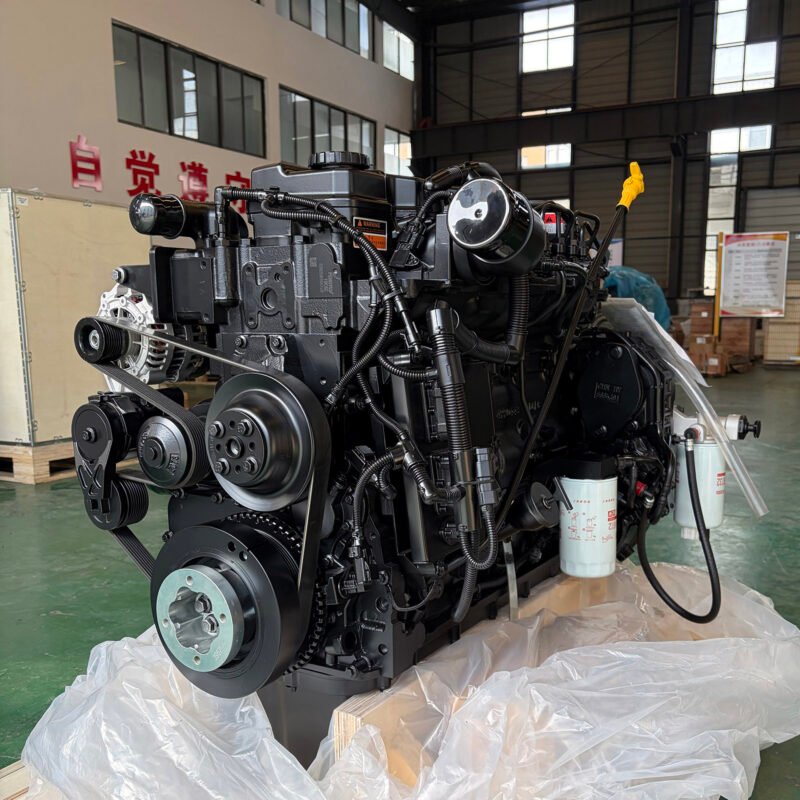
Diagnosing Low Rail Pressure and Fuel-System Leaks
Low rail pressure is a symptom rather than a diagnosis. Several components can prevent the system from reaching its target pressure.
Fuel Supply Restriction
Restricted filters, air leaks, or weak supply pumps may reduce the fuel reaching the high-pressure pump.
The problem often becomes more noticeable at higher loads because fuel demand increases.
Inspect the filtration system and supply lines before proceeding to more invasive checks.
Excessive Injector Return Flow
Common rail injectors return a controlled quantity of fuel through their internal leakage and control circuits.
Excessive return flow can reduce the fuel available to maintain rail pressure, particularly during cranking.
However, injector return-flow limits vary by engine and diagnostic test. Some procedures use an ECM-controlled test that changes rail pressure and requires specialized equipment.
Never perform an improvised high-pressure leakage test. Approved return-side measurements must follow the relevant service procedure.
Pressure-Control Valve or Metering Fault
A malfunctioning fuel metering actuator or pressure-control device can prevent the ECM from maintaining its target rail pressure.
Possible symptoms include unstable idle, pressure oscillation, low power, or fault codes related to fuel pressure regulation.
Check electrical connections and diagnostic results before replacing the actuator.
Rail Pressure Sensor and Wiring Problems
The ECM depends on pressure-sensor feedback to regulate fuel delivery.
Damaged wiring, poor connector contact, incorrect sensor installation, or sensor failure can produce misleading pressure readings.
A pressure-sensor fault may also cause the ECM to limit engine performance.
Use the manufacturer’s electrical checks and diagnostic procedures to distinguish sensor problems from genuine hydraulic pressure faults.
High-Pressure Pump Performance
High-pressure pump wear or internal leakage can reduce pressure generation.
However, the pump should be evaluated only after checking the low-pressure supply, relevant control components, and possible excessive return leakage.
When metallic fuel-system contamination is suspected, follow the OEM contamination inspection procedure. Replacing one component without addressing contamination can cause repeated failures.
Common Rail Pressure Testing in Cummins Industrial Engines
Several Cummins industrial engine families use electronically controlled high-pressure common rail injection. Their diagnostic procedures depend on the exact ECM and engine generation.
QSB4.5 Industrial Engine
The Cummins QSB4.5 diesel engine uses electronically controlled high-pressure common rail fuel injection.
It is used in construction, agricultural, and other industrial applications. When diagnosing poor starting or power loss, technicians should compare commanded and actual rail pressure using the correct engine calibration.
Fuel supply conditions and injector return leakage must also be evaluated before identifying a failed high-pressure component.
QSB6.7 Construction and Industrial Engine
The Cummins QSB6.7 diesel engine includes Bosch high-pressure common rail technology and electronic engine control.
Different configurations operate at different rated speeds and loads. Therefore, diagnostic results must be compared against the specifications for the individual engine rather than a generic QSB6.7 pressure value.
For example, a construction machine experiencing low power under heavy hydraulic demand may require both fuel-pressure and air-system checks.
QSB6.7 Fire Pump Engine
The Cummins QSB6.7 fire-pump engine also uses high-pressure common rail injection.
Because fire-pump installations have specialized starting, reliability, and operating requirements, testing should follow the engine’s approved service procedures and the equipment’s applicable safety requirements.
Do not conduct an unnecessary loaded fuel-system test that could interfere with the availability of an emergency fire-pump system.
Maintenance and Fuel Quality
Fuel cleanliness remains essential because common rail pumps and injectors contain precision hydraulic components.
Water, particulate contamination, and incorrect filter installation can contribute to fuel-system wear and unstable performance.
Kangjin Power’s diesel engine maintenance schedule guide provides additional guidance on planning fuel-filter and engine maintenance activities.
Always use the service intervals and fuel cleanliness requirements specified for the exact engine model and operating environment.
Safety Precautions During Common Rail Fuel Testing
Common rail fuel systems can retain hazardous pressure after the engine stops. High-pressure diesel fuel can penetrate skin and cause severe injury.
Before performing maintenance:
- Review the manufacturer-specific pressure-release procedure.
- Use an approved diagnostic tool and compatible test equipment.
- Never loosen high-pressure fuel lines while the engine operates.
- Do not search for leaks with your hands or fingers.
- Keep clear of high-pressure spray and hot fuel.
- Use the required personal protective equipment.
- Follow the engine manufacturer’s procedures before disconnecting fuel components.
If a fuel injection injury occurs, seek emergency medical treatment immediately, even if the visible wound appears small.
Electronic pressure monitoring is generally the preferred initial diagnostic method. Physical high-pressure testing requires dedicated equipment and trained personnel.
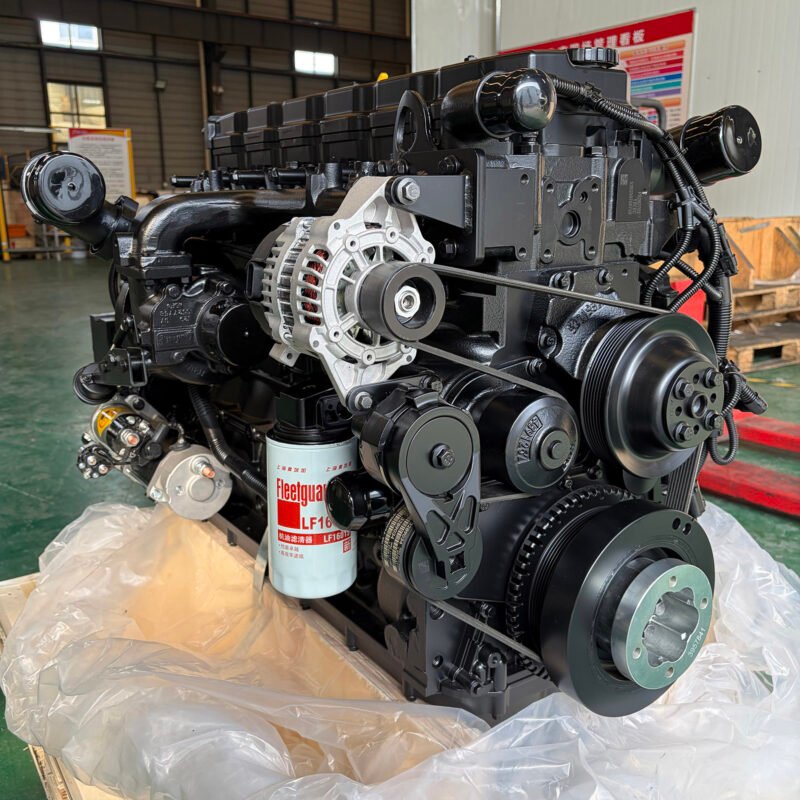
Conclusion
A common rail diesel fuel pressure test should begin with the ECM’s commanded and measured rail-pressure data. Technicians must evaluate the readings under the correct operating conditions rather than relying on a universal pressure threshold.
If the engine cannot build or maintain pressure, check the low-pressure supply before investigating excessive return leakage, pressure-control components, sensors, and high-pressure pump performance.
A structured diagnostic process helps identify the underlying problem while avoiding unnecessary component replacement. Above all, follow the manufacturer’s high-pressure fuel-system safety procedures.
Frequently Asked Questions
How do you test common rail diesel fuel pressure?
Connect a manufacturer-compatible diagnostic tool and compare commanded and measured rail pressure during the specified operating conditions. If the values differ beyond permitted limits, follow the approved fuel-system troubleshooting procedure.
What is the normal common rail diesel fuel pressure?
There is no universal normal value. Rail pressure changes with engine speed, load, temperature, and injection strategy. Use the exact engine manufacturer’s specifications for cranking, idle, and loaded operation.
What causes low fuel rail pressure in a diesel engine?
Possible causes include restricted fuel filters, inadequate supply-pump output, air entering the fuel system, excessive injector return flow, pressure-control faults, and high-pressure pump problems.
Can a bad rail pressure sensor cause low-power symptoms?
Yes. Incorrect sensor feedback can interfere with rail-pressure control and may trigger an engine protection strategy. Check the sensor circuit and relevant fault codes before replacing components.
Can I measure common rail pressure with a normal fuel pressure gauge?
No. Ordinary low-pressure fuel gauges are unsuitable for common rail high-pressure circuits. Use ECM diagnostic data or manufacturer-approved high-pressure test equipment operated by trained personnel.
Technical References
The following manufacturer resources explain common rail system operation and compatible electronic diagnostic methods:
- Bosch – High-Pressure Rail for Common Rail Systems – Rail construction, pressure monitoring, and fuel distribution.
- Bosch – Modular Common Rail Systems – High-pressure pump, rail, injector, and electronic control architecture.
- Cummins – INSITE Diagnostic Software – Electronic engine diagnostics, fault information, and supported troubleshooting functions.

