
Diesel Engine Air Intake Restriction Test: Filter Pressure Drop & Diagnosis

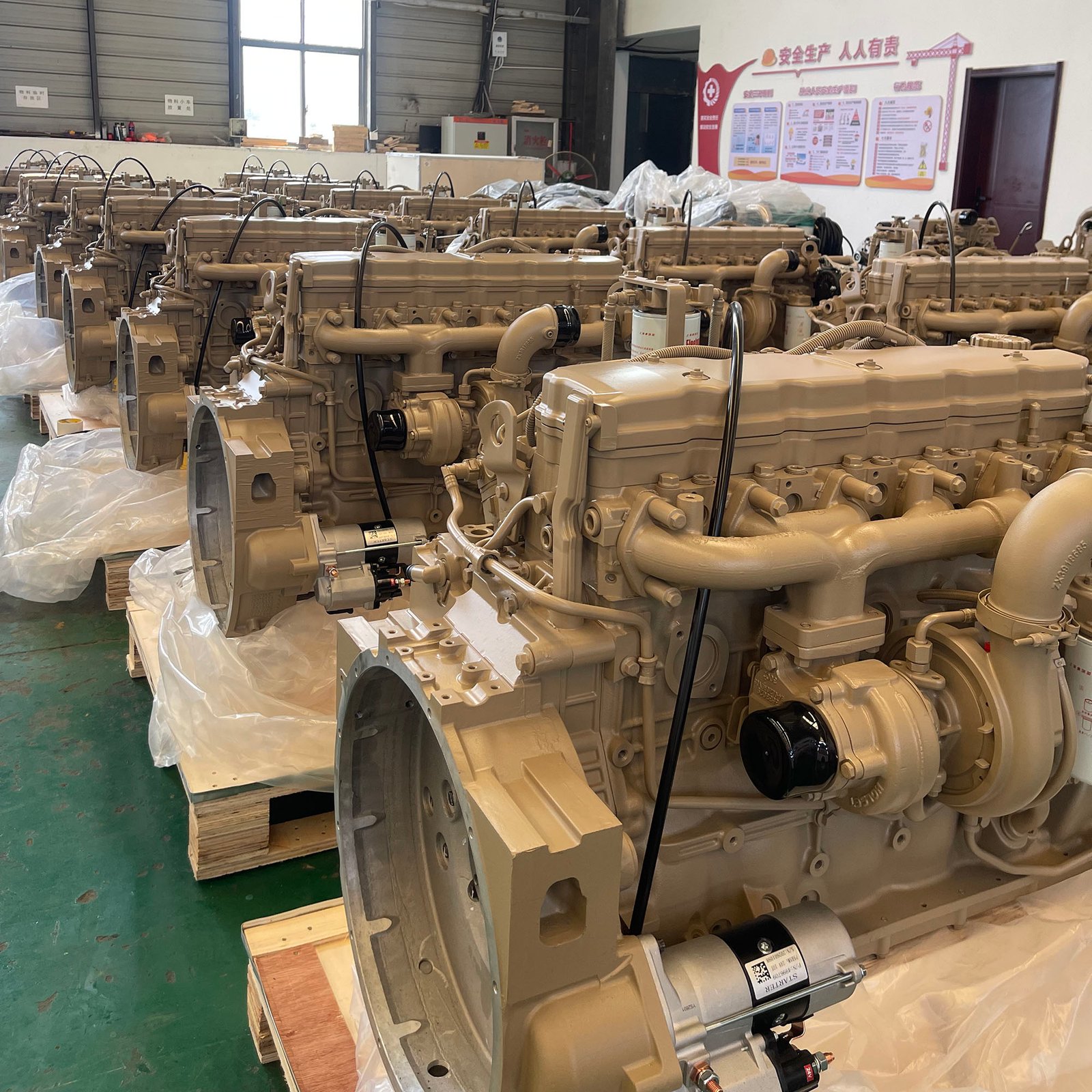
A diesel engine air intake restriction test measures the pressure loss caused by the air filter, intake housing, and ductwork as the engine draws in air. Technicians normally measure intake vacuum downstream of the air cleaner using a restriction gauge or manometer. Technicians then compare the reading with the engine manufacturer’s limit under the specified operating conditions. Excessive restriction can indicate a clogged filter, blocked inlet, collapsed hose, or undersized intake system.
The test is especially useful when a diesel engine develops low power, increased smoke, or abnormal turbocharger behavior. The reading also requires careful interpretation. On turbocharged engines, testing at idle may not reproduce the airflow demand encountered at rated power.
What Is Diesel Engine Air Intake Restriction?
Air intake restriction measures how much the intake system resists airflow into the engine. The air cleaner, inlet grille, pre-cleaner, hoses, bends, and duct connections all contribute to this resistance.
As airflow increases, pressure loss through these components generally increases. Dirt accumulation in the filter media can further raise the restriction.
For a turbocharged diesel engine, excessive restriction reduces the pressure available at the compressor inlet. This can affect the turbocharger’s operating conditions and the air mass delivered to the cylinders.
Depending on the engine control system and operating load, the result may include reduced power, increased smoke, or a protective fueling limitation.
Air Filter Pressure Drop vs Total Intake Restriction
These measurements are related, but they are not identical.
| Measurement | What It Measures | Typical Measurement Points |
|---|---|---|
| Air filter pressure drop | Pressure difference across the filter assembly or specified element | Upstream and downstream pressure taps |
| Total intake restriction | Combined vacuum caused by the intake path relative to ambient pressure | Clean-side intake duct before the turbocharger or engine inlet |
| Turbocharger boost pressure | Pressure delivered by the compressor | Specified downstream charge-air measurement point |
For example, a differential-pressure measurement across the air cleaner can help isolate filter-related losses. A clean-side restriction gauge also responds to losses elsewhere upstream of its measurement port.
Boost pressure is measured in a different part of the intake system. A low boost reading does not, by itself, establish that the air cleaner is restricted.
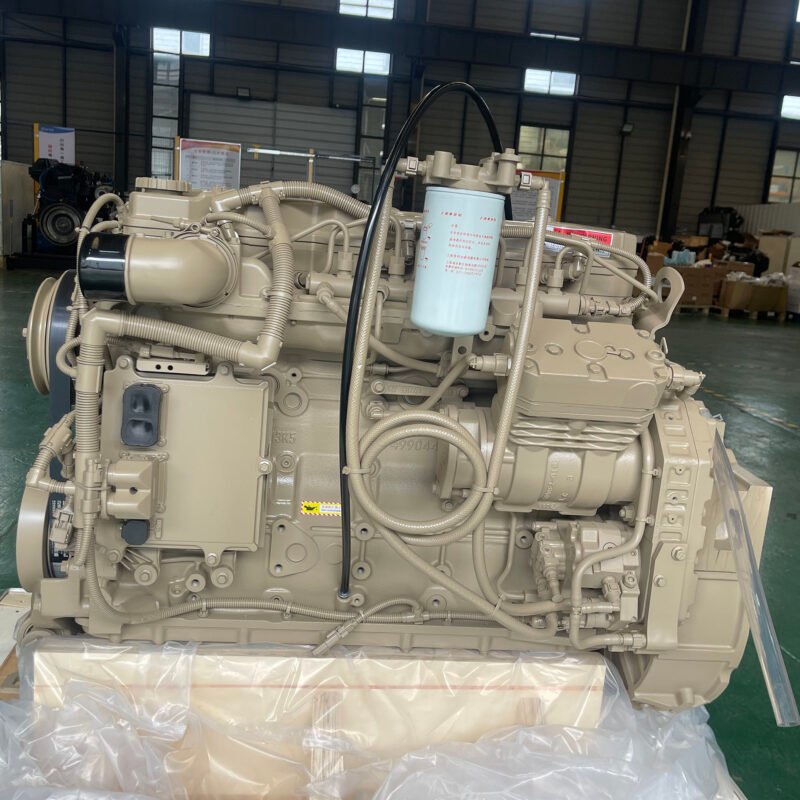
How to Perform a Diesel Engine Air Intake Restriction Test
The correct procedure depends on whether the engine is naturally aspirated or turbocharged, and whether the equipment can be tested under load.
Step 1: Identify the Engine and Its Restriction Limit
Record the engine model, serial number, rated speed, and application before testing.
Obtain the maximum allowable intake restriction from the relevant Cummins service manual or the engine manufacturer’s installation documentation.
The maximum permitted reading is not necessarily the same for every engine family or air cleaner configuration.
For example, certain Cummins CFP59 service documentation specifies a maximum restriction of 30 inches of water for its turbocharged engine configuration. This value is specific to that documentation and must not be applied automatically to other engines.
Step 2: Inspect the Intake System
With the engine stopped and secured, inspect the air intake assembly before connecting test equipment.
- Check the inlet grille for leaves, dust, packaging material, and other obstructions.
- Inspect the pre-cleaner or dust evacuator where fitted.
- Look for damaged, kinked, or collapsed intake hoses.
- Confirm that clamps and sealing connections are properly installed.
- Inspect the air cleaner housing for cracks and damaged seals.
- Check the condition and mounting of any existing restriction indicator.
Do not operate the engine with its air filter removed to compare performance. Unfiltered air can carry abrasive particles into the engine and damage internal components.
Step 3: Connect the Restriction Gauge
Use a suitable calibrated vacuum gauge, water manometer, or electronic pressure sensor at the manufacturer-designated restriction port.
For many dry-type air cleaner systems, the measurement point is located on the clean side of the air filter, before the turbocharger compressor inlet.
This position measures negative pressure relative to the surrounding atmosphere. Ensure the connection is sealed and the sensing hose cannot contact hot or moving components.
If the goal is to measure pressure drop across the filter alone, use the specified upstream and downstream pressure connections instead.
Step 4: Operate the Engine Under the Required Test Conditions
Start the engine and allow it to reach the operating condition specified by the manufacturer.
For many turbocharged engines, the maximum intake restriction is checked at rated engine speed and full load. This produces the airflow demand needed for a meaningful maximum restriction measurement.
Naturally aspirated engines may use a different procedure, including high idle without load for some configurations.
A diesel generator can often be tested using a suitable load bank when the connected electrical load is insufficient. Construction equipment may require a controlled dynamometer or manufacturer-approved load test.
Only qualified personnel should perform loaded testing. Follow equipment safety procedures and do not exceed the engine or driven equipment ratings.
Step 5: Record and Compare the Results
Record the restriction reading together with engine speed, load, ambient conditions, and filter condition.
Compare the measured value with the applicable limit.
A reading below the limit does not automatically mean every intake component is in good condition. Leaks, damaged seals, and incorrect filter installation can allow contamination while producing little restriction.
Conversely, a reading above the limit does not prove that the filter element alone is responsible. Inspect the entire intake path before replacing components.
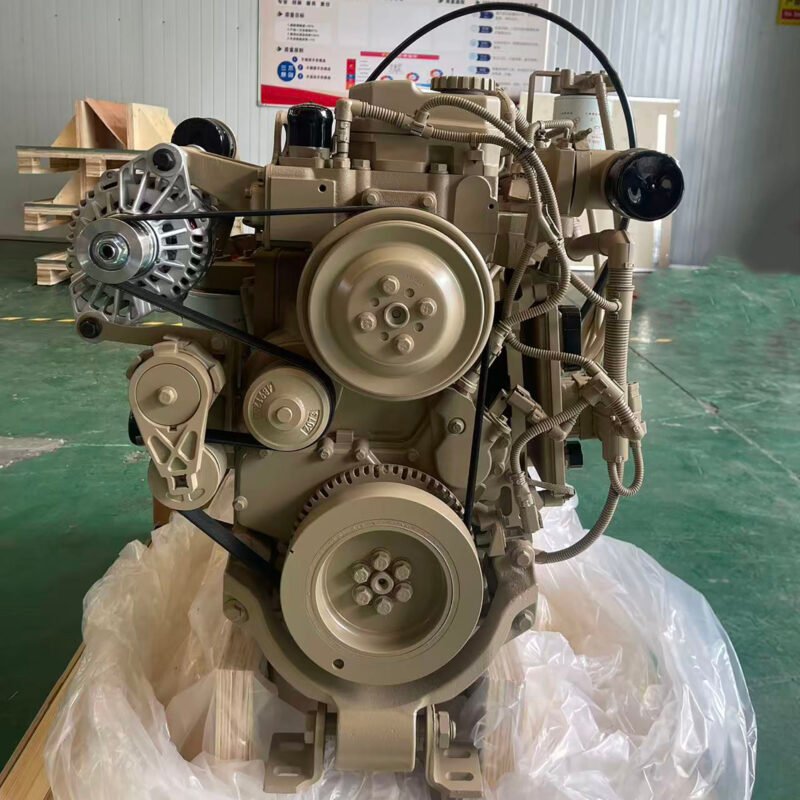
Understanding Air Filter Restriction Readings
Intake restriction is commonly expressed in inches of water column (inH2O), millimetres of water column, or kilopascals (kPa).
For approximate conversions:
- 1 inH2O = 0.249 kPa.
- 10 inH2O = 2.49 kPa.
- 20 inH2O = 4.98 kPa.
- 25 inH2O = 6.23 kPa.
- 30 inH2O = 7.47 kPa.
These are unit conversions, not recommended service limits.
Donaldson recommends selecting the maintenance threshold according to the engine manufacturer’s maximum permissible intake restriction.
Example: Interpreting a Restriction Gauge
Assume a particular engine has an approved maximum intake restriction of 25 inH2O at its specified rated-load condition.
| Measured Restriction | Interpretation | Suggested Action |
|---|---|---|
| 12 inH2O | Below the hypothetical 25 inH2O limit | Record and continue monitoring |
| 21 inH2O | Approaching the specified limit | Inspect trends and plan maintenance |
| 25 inH2O | At the specified limit | Service the intake system according to OEM instructions |
| 28 inH2O | Above the specified limit | Investigate excessive restriction before returning to normal service |
The 25 inH2O threshold in this example is hypothetical for the selected engine. It is not a universal diesel engine maintenance specification.
Readings should be compared under similar operating conditions. A measurement taken at low idle cannot be directly compared with a full-load maximum restriction specification.
Diagnosing High Restriction and Low Engine Power
When the restriction reading is excessive, diagnosis should begin with the air cleaner and work outward through the intake system.
Restricted Air Filter
Dust accumulation increases resistance through the filter media. This is normal during service, but the element should be replaced when the specified maintenance threshold is reached.
Donaldson recommends monitoring restriction rather than relying only on the filter’s appearance. A filter that looks dirty may still be within its useful operating range.
Frequent unnecessary filter removal can also introduce contamination or damage the sealing arrangement.
Blocked Inlet or Pre-Cleaner
High restriction may result from leaves, plastic sheeting, mud, or compacted debris around the air intake opening.
In dusty industrial environments, pre-cleaners and dust evacuation systems can accumulate material if they are not maintained correctly.
Check for obstruction before assuming the primary filter element has reached the end of its life.
Collapsed Intake Hose
A damaged flexible hose may appear normal when the engine is stopped but deform under high airflow demand.
This can produce a restriction problem that occurs only at high engine speed or load.
Inspect hose reinforcement, bend radius, internal lining, and the position of nearby components.
Air Leaks and Incorrect Filter Installation
An intake leak downstream of the filter can allow unfiltered air to enter the engine.
Such leaks may not produce a high restriction reading because air bypasses the filter media.
Inspect housing seals, clamps, mounting surfaces, and the clean-side duct carefully. Dust tracks inside the clean-air section can be evidence of a sealing problem.
Turbocharger or Fuel System Problems
Low power or excessive exhaust smoke does not always indicate an intake restriction fault.
If restriction is within specification, investigate other possible causes, including:
- Charge-air cooler leaks or damaged hoses.
- Turbocharger control or mechanical problems.
- Fuel supply restriction or injector faults.
- Incorrect boost pressure.
- Exhaust restrictions.
- Engine control fault codes or protective derating.
These conditions require separate measurements and diagnostic procedures. Intake restriction testing is one part of the overall troubleshooting process.
Air Intake Testing in Industrial Cummins Applications
Industrial engines operate in environments where air filtration must balance dust protection with acceptable airflow resistance.
Construction Equipment
Excavators, loaders, and drilling machines often operate in dusty environments. Their intake systems may include pre-cleaners, remote air cleaner housings, and long intake ducts.
For engines such as the Cummins QSB6.7 diesel engine, the correct test should follow the specific engine and equipment installation requirements.
Air cleaner sizing and intake restriction limits can differ between machine configurations, even when they use the same engine family.
Industrial Pumps and Generator Sets
Stationary diesel engines may operate for long periods at relatively steady speed. Their intake systems can still become restricted because of dust, insects, inadequate ventilation, or poorly positioned air inlets.
The Cummins 6CTA8.3 diesel engine is used in heavy-duty industrial applications where sustained airflow demand should be considered during installation and maintenance.
For generator installations, intake restriction should be evaluated alongside room ventilation and cooling airflow. These systems perform different functions and should not be confused.
Heavy-Duty Mining Equipment
Mining machinery frequently operates with heavy dust exposure and high engine loads.
On equipment using the Cummins QSM11 diesel engine, consistent restriction monitoring can help maintenance teams identify changes in filter loading before excessive restriction affects operation.
The maintenance schedule should reflect the equipment environment and actual restriction measurements rather than a single fixed replacement interval for every machine.
Kangjin Power’s diesel engine maintenance schedule guide provides additional context on maintenance planning under standard and severe-duty conditions.
When Should an Engine Air Filter Be Replaced?
The most useful replacement trigger is the restriction limit specified by the engine or equipment manufacturer, supported by any mandatory scheduled maintenance requirements.
For engines fitted with a mechanical restriction indicator, the indicator may retain the highest restriction reached during operation. This allows technicians to inspect the reading after shutdown.
A resettable indicator should be reset according to its instructions after the relevant maintenance work.
Replace damaged filters immediately when their integrity or sealing capability is compromised, even if restriction remains below the service limit.
After filter replacement, inspect the sealing surfaces and housing before returning the engine to service. Confirm that the indicator responds correctly and that the intake system remains properly sealed.
Conclusion
A diesel engine air intake restriction test provides a practical method for evaluating whether the intake system is restricting airflow beyond the manufacturer’s permitted limit.
The most reliable procedure uses the correct measurement point, a suitable restriction gauge, and the operating conditions specified for the particular engine.
High restriction readings should lead to a systematic inspection of the filter, air cleaner housing, inlet, and ductwork. When restriction is normal but engine performance remains poor, further turbocharger, charge-air, fuel-system, and engine-control diagnostics may be necessary.
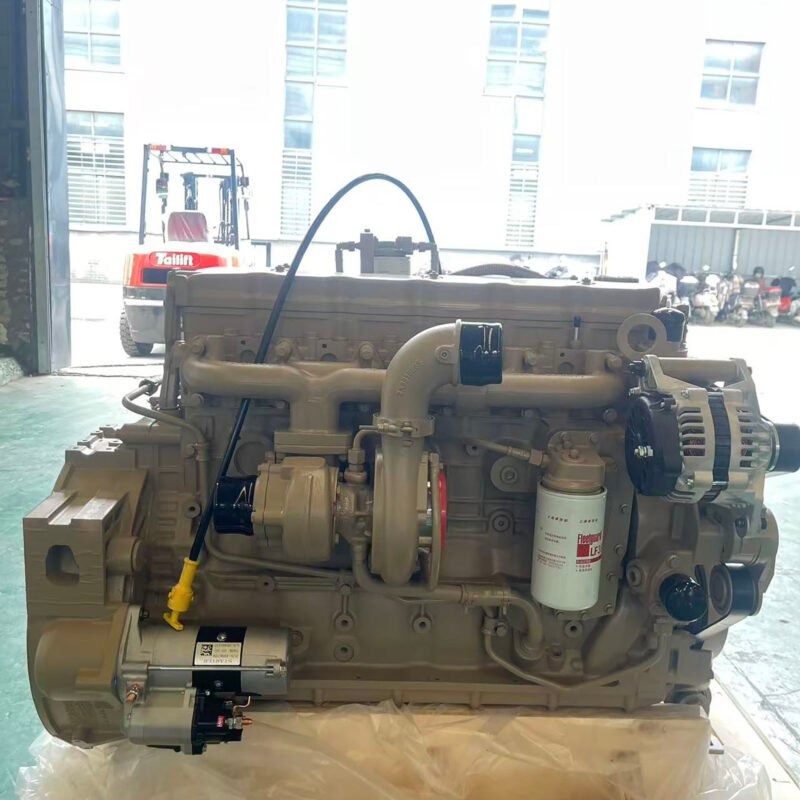
Frequently Asked Questions
How do you perform a diesel engine air intake restriction test?
Connect a suitable restriction gauge to the designated clean-side intake port, operate the engine under the specified test conditions, and compare the reading with the manufacturer’s maximum allowable restriction. Inspect the filter and intake ductwork if the measured value exceeds the limit.
What is the normal air intake restriction for a diesel engine?
There is no universal normal value for all diesel engines. The acceptable restriction depends on the engine model, intake configuration, and test conditions. Use the manufacturer-specific limit rather than a generic pressure value.
Can a clogged air filter cause low diesel engine power?
Yes. Excessive filter restriction can reduce the air available to the engine and affect turbocharger operation. Depending on the engine, this may contribute to reduced power, increased smoke, or protective derating.
What is the difference between filter pressure drop and intake restriction?
Filter pressure drop measures the pressure difference across the filter assembly or element. Total intake restriction measures the combined airflow resistance upstream of the selected measurement point, including the filter and other intake components.
Can intake restriction be tested at idle?
Idle readings can support preliminary checks, but they generally do not represent maximum restriction on turbocharged engines. The manufacturer’s rated-speed and load requirements should be followed for a valid maximum restriction test.

