
Diesel Engine Wet Stacking: Causes, Symptoms & Prevention

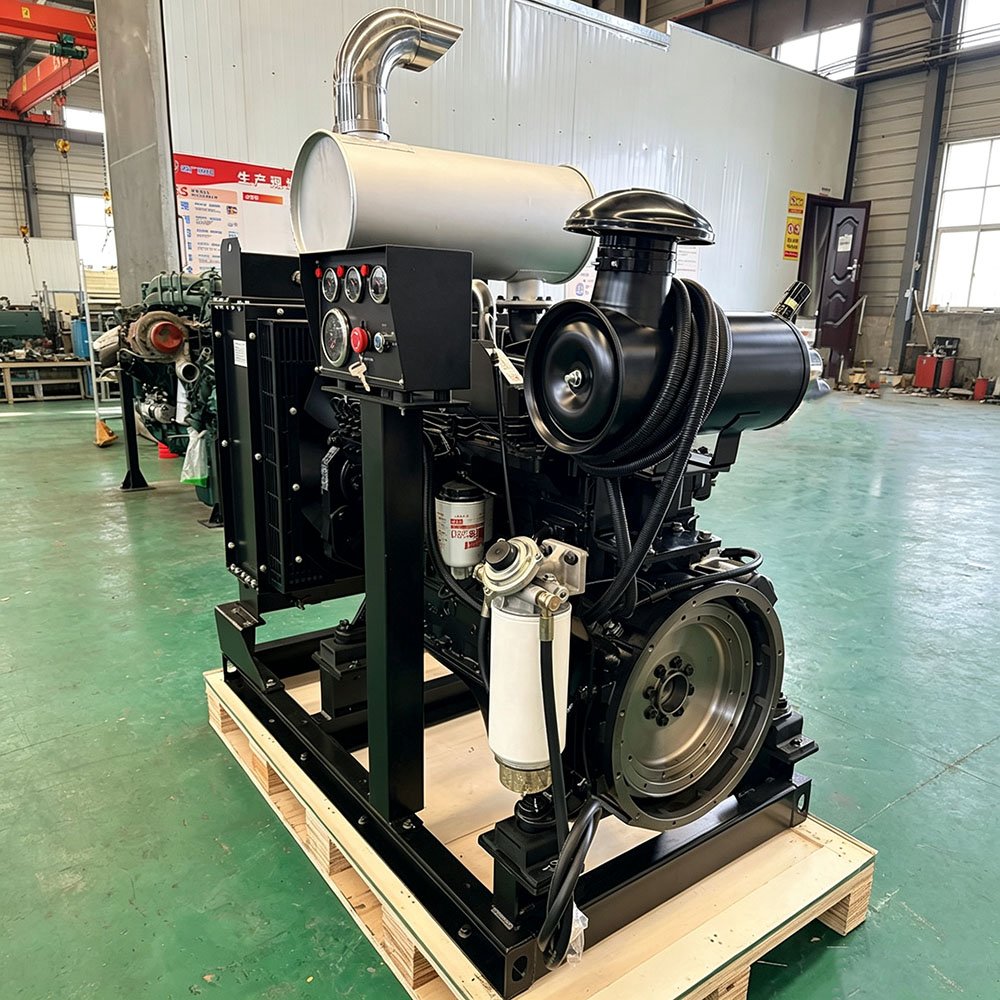
Diesel engine wet stacking is mainly caused by prolonged operation under light loads, when combustion temperatures may remain too low for complete fuel combustion. Unburned fuel, carbon particles, and other combustion residues can accumulate in the exhaust manifold, turbocharger, and exhaust piping. Common warning signs include black oily deposits around exhaust connections, excessive smoke, and persistent exhaust contamination.
The problem frequently occurs in standby generators that spend most of their operating hours supplying little electrical load. It can also affect industrial diesel engines used for pumps and machinery. Occasional light-load operation does not automatically indicate a fault, but repeated underloading deserves attention.
Why Does Diesel Engine Wet Stacking Occur?
A diesel engine needs sufficient combustion temperature, compressed air, and correctly metered fuel to burn efficiently.
When an engine operates under very light load for extended periods, cylinder and exhaust temperatures may remain below their normal working levels. Combustion can become less complete, allowing fuel residues and carbon deposits to accumulate.
The risk is influenced by several operating conditions.
Prolonged low-load operation: The engine receives relatively little fuel because the driven equipment demands little power. Exhaust temperatures may remain too low for normal operating conditions.
Oversized generator sets: A generator selected for peak emergency demand may operate at a very small percentage of its rated output during routine testing.
Extended idling: Long periods at idle produce limited engine heat and can contribute to incomplete combustion and exhaust deposits.
Cold operating environments: Low ambient temperatures can make it more difficult for lightly loaded engines to reach their intended operating temperature.
Engine condition: Faulty injectors, incorrect fuel delivery, restricted air intake, and other mechanical problems can make exhaust deposits worse.
Cummins identifies prolonged operation below approximately 30% of standby rating as a wet-stacking risk for applicable generator configurations. This is a manufacturer-specific reference, not a universal minimum load for every diesel engine.
Why Generator Underloading Is a Common Problem
Standby generators are usually selected to handle the facility’s required emergency electrical load.
However, the actual load during periodic testing may be much lower than the generator’s rated output.
Consider a 500 kW generator supplying only 50 kW during routine operation. Its load factor is just 10%.
If this operating pattern continues for extended periods, the engine may not reach the temperatures expected under its intended working conditions.
The problem is not necessarily that the generator is defective. Its capacity may simply be poorly matched to the load it regularly experiences.
What Are the Warning Signs of Wet Stacking?
Wet stacking is often first noticed around exhaust manifold joints, turbocharger connections, or exhaust piping.
The deposits may appear dark, oily, and mixed with carbon particles.
| Symptom | Possible Explanation |
|---|---|
| Black oily exhaust residue | Accumulated fuel and combustion deposits |
| Dark liquid around exhaust joints | Exhaust slobber associated with wet stacking |
| Excessive exhaust smoke | Incomplete combustion or another fuel-air problem |
| Heavy carbon deposits | Prolonged low-temperature combustion |
| Turbocharger contamination | Deposits accumulating on exhaust-side components |
| Rising engine oil level | Possible fuel dilution requiring investigation |
What Is Diesel Exhaust Slobber?
Exhaust slobber is the dark liquid or oily residue that can appear around diesel exhaust connections.
It may contain unburned fuel, carbon, condensed moisture, and traces of lubricating oil.
Its appearance alone cannot confirm wet stacking.
For example, oil leaking from a turbocharger or another engine component can produce similar contamination.
The operating history, location of the deposits, exhaust temperature, and engine condition should all be considered before identifying the cause.
Wet Stacking vs. Black Smoke
Black smoke and wet stacking are related but different symptoms.
Black smoke indicates excessive soot in the exhaust. It can result from restricted intake airflow, excessive fueling, faulty injectors, or turbocharger problems.
Wet stacking involves accumulated liquid and carbon deposits, commonly associated with prolonged light-load operation.
An engine can produce black smoke without having wet stacking. Likewise, wet stacking may develop gradually without obvious continuous black smoke.
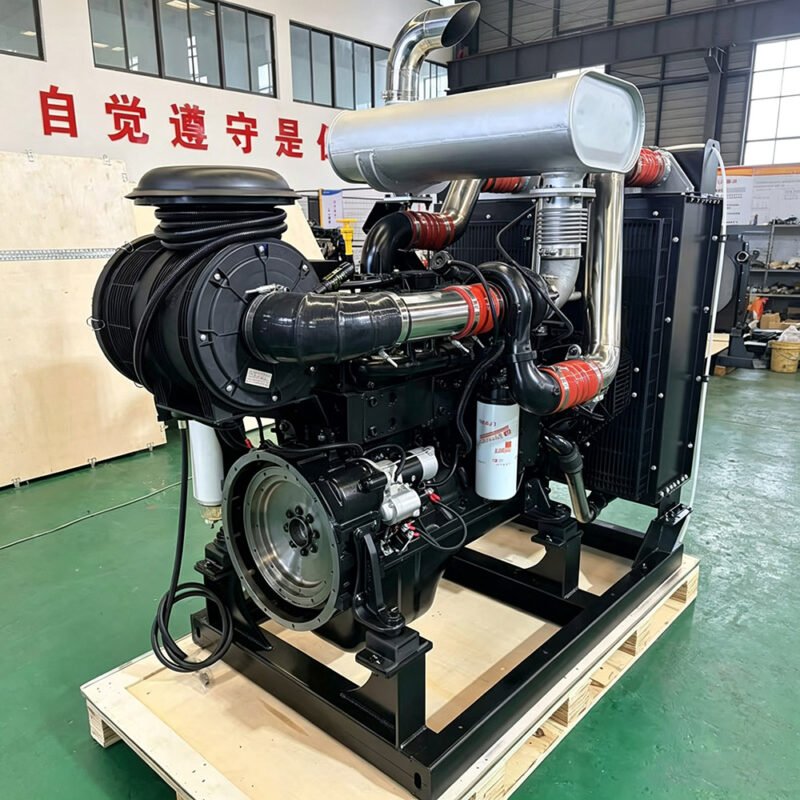
How Does Wet Stacking Affect Diesel Engine Performance?
The consequences depend on how long the engine operates under unsuitable conditions and how much contamination accumulates.
A small amount of exhaust residue does not automatically indicate serious internal engine damage. Persistent deposits, however, can create additional maintenance problems.
Exhaust system contamination
Unburned fuel and carbon can accumulate inside exhaust manifolds and pipes. Severe deposits may restrict exhaust flow and contribute to increased backpressure.
Turbocharger fouling
Carbon deposits on exhaust-side components can interfere with turbocharger operation. In severe cases, contamination may affect turbine efficiency and engine performance.
Fuel dilution of engine oil
Under certain operating conditions, unburned fuel can pass the piston rings and enter the crankcase.
Fuel dilution reduces oil viscosity and weakens the lubricating film protecting bearings and other moving components.
An increasing oil level or an unusual change in oil condition should therefore be investigated.
Higher maintenance requirements
Persistent wet stacking may require additional inspections of the exhaust system, injectors, turbocharger, and lubricating oil.
For standby generators, this is particularly important because the equipment must remain available when the main electrical supply fails.
How to Prevent Wet Stacking in Diesel Generators
The most effective approach is to operate the engine within its manufacturer’s recommended load range.
Avoid extended idle operation and repeated testing at loads that are too low for the specific generator configuration.
Maintain an Appropriate Generator Load
Generator selection should reflect both peak demand and typical operating conditions.
If a generator regularly operates at a very small fraction of its rated capacity, review whether its size is appropriate for the application.
Cummins identifies prolonged operation below approximately 30% of standby rating as a risk condition for certain generator engines. Always check the specific operator manual for the applicable minimum loading guidance.
Use a Load Bank When Facility Demand Is Low
A load bank provides an artificial electrical load, allowing a generator to operate under controlled conditions.
It is useful when routine generator testing does not provide enough electrical demand to exercise the engine properly.
Load-bank testing can help raise engine operating temperatures and reduce accumulated deposits in applicable engines.
The load should be increased according to the manufacturer’s procedure rather than applying maximum load immediately.
Cummins provides dedicated information on load-bank performance testing for generator maintenance and performance verification.
Avoid Unnecessary Extended Idling
A diesel generator should not be left idling for long periods without a specific operational reason.
Follow the manufacturer’s warm-up, loading, and shutdown instructions.
For equipment operating in cold climates, confirm that the cooling system and any installed temperature-management equipment are functioning correctly.
Keep the Fuel and Air Systems in Good Condition
Incomplete combustion is not always caused by low load alone.
Restricted air filters, faulty injectors, incorrect fuel delivery, and turbocharger problems can produce similar symptoms.
Regular inspections should include:
- Air filter condition and intake restrictions.
- Fuel filter condition and fuel cleanliness.
- Injector performance and fuel delivery.
- Turbocharger condition and boost performance.
- Exhaust leakage and abnormal backpressure.
- Engine oil level and condition.
If wet stacking continues after correcting the operating load, investigate the engine rather than repeatedly relying on load-bank operation.
Monitor Lubricating Oil Condition
Persistent low-load operation can increase the risk of fuel dilution under certain conditions.
Check the oil level and follow the manufacturer’s oil inspection and replacement requirements.
Oil analysis can help identify fuel contamination, abnormal wear metals, and changes in lubricant properties.
An unexplained increase in oil level should not be ignored.
Which Industrial Diesel Engines Need Proper Load Matching?
Wet stacking prevention begins before the engine enters service.
The selected engine must match the equipment’s normal load, expected operating hours, and rated output.
Diesel Generator Sets
Generator capacity should be evaluated against both emergency demand and typical operating load.
An oversized generator may spend most of its operating hours underloaded, particularly when facility demand is low.
A suitable rating helps the engine operate closer to its intended working conditions.
Industrial Water Pumps
Water-pump engines operate according to flow requirements, discharge head, and pump efficiency.
An engine should provide sufficient shaft power at the pump’s actual working speed.
Kangjin Power’s Cummins 6CTA8.3 diesel engine is an example of an engine family used in industrial applications.
Its specific rating should be matched to the pump’s operating requirements rather than selected solely by maximum horsepower.
Construction and Industrial Machinery
Excavators, loaders, and other machinery experience changing engine loads throughout their working cycles.
The engine rating, hydraulic power demand, and operating speed should be considered together.
For example, Kangjin Power’s Cummins QSB6.7 diesel engine is available in several industrial configurations.
Selecting the correct rating helps avoid an engine that is consistently oversized or unable to meet the machine’s required power.
The actual risk of wet stacking depends on the complete operating pattern, not just the engine family.
Frequently Asked Questions
What is the main cause of diesel engine wet stacking?
The main cause is prolonged operation under insufficient load. Low combustion temperatures can contribute to incomplete fuel combustion and allow carbon and fuel residues to accumulate in the exhaust system.
At what load does wet stacking usually occur?
Cummins identifies prolonged operation below approximately 30% of standby rating as a risk for applicable generator engines. The actual minimum recommended load varies by engine model and manufacturer.
Can wet stacking damage a diesel engine?
Persistent wet stacking can contribute to exhaust deposits, turbocharger contamination, fuel dilution, and increased maintenance requirements. A small amount of exhaust residue does not necessarily indicate serious engine damage.
How do you remove wet stacking from a diesel generator?
The appropriate response depends on the severity and underlying cause. Manufacturer-approved load-bank testing may help clear accumulated deposits in applicable engines. Severe contamination or suspected mechanical problems require professional inspection.
Does wet stacking occur in industrial diesel engines?
Yes. Industrial engines and generator sets can experience wet stacking when operated for extended periods below their recommended load range. The risk depends on the engine configuration and operating conditions.
Is black liquid from a diesel exhaust always wet stacking?
No. Similar deposits can result from oil leakage, incomplete combustion, or other exhaust problems. The engine’s operating history and mechanical condition should be investigated before identifying the cause.
Summary
Diesel engine wet stacking is primarily associated with prolonged low-load operation and incomplete combustion. It commonly appears as dark, oily deposits around exhaust connections and can become more serious when carbon accumulation and fuel dilution continue.
The most effective prevention is to match engine capacity to actual demand, avoid unnecessary extended idling, and follow the manufacturer’s loading and maintenance requirements.
For standby generators, controlled load-bank testing can help maintain suitable operating conditions when facility demand is insufficient. Identifying the cause early is more effective than treating exhaust residue as an isolated cleaning problem.

