Diesel Generator Engine Supplier Guide

Choosing a diesel generator engine supplier is a commercial and technical decision, not simply a request for the lowest engine price. Procurement teams should match the engine with the alternator, operating conditions, site environment, emissions requirements, service support, and documentation. This guide explains how to compare suppliers and prepare an RFQ while separating information publicly listed by Kangjin Power from items that still require manufacturer confirmation.
What Kangjin Power publicly lists
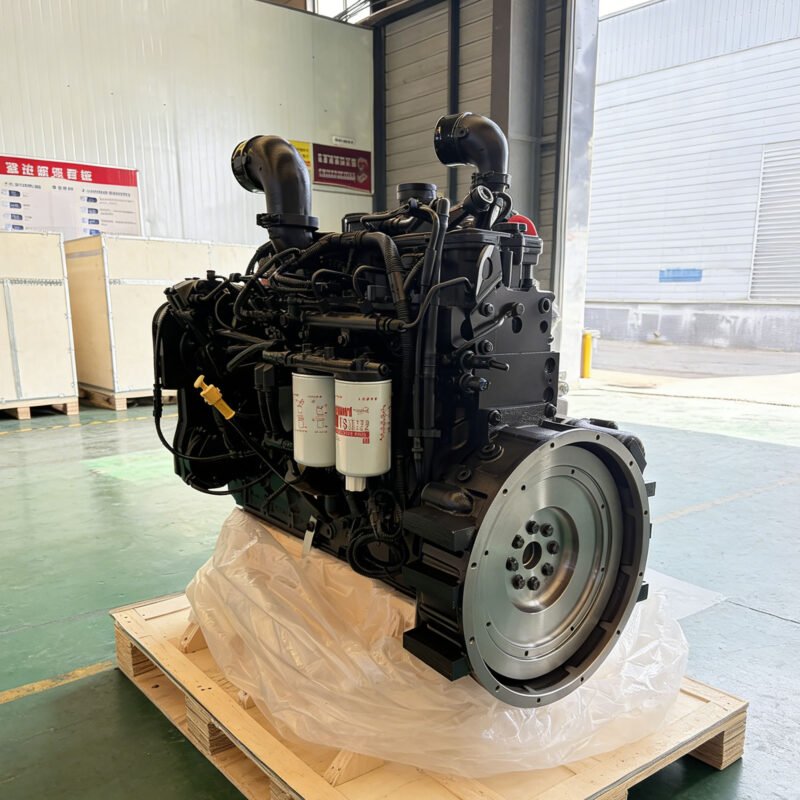
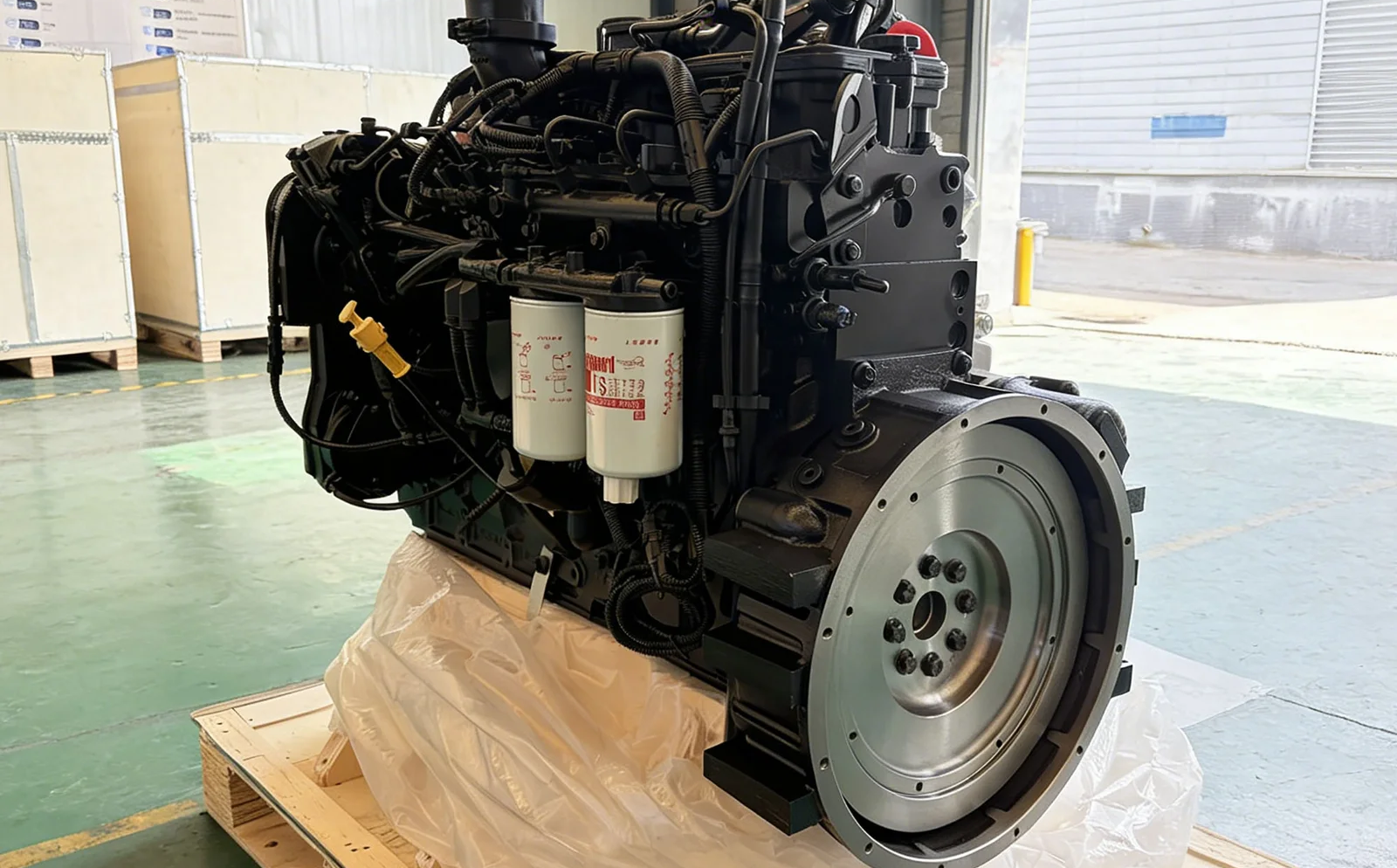
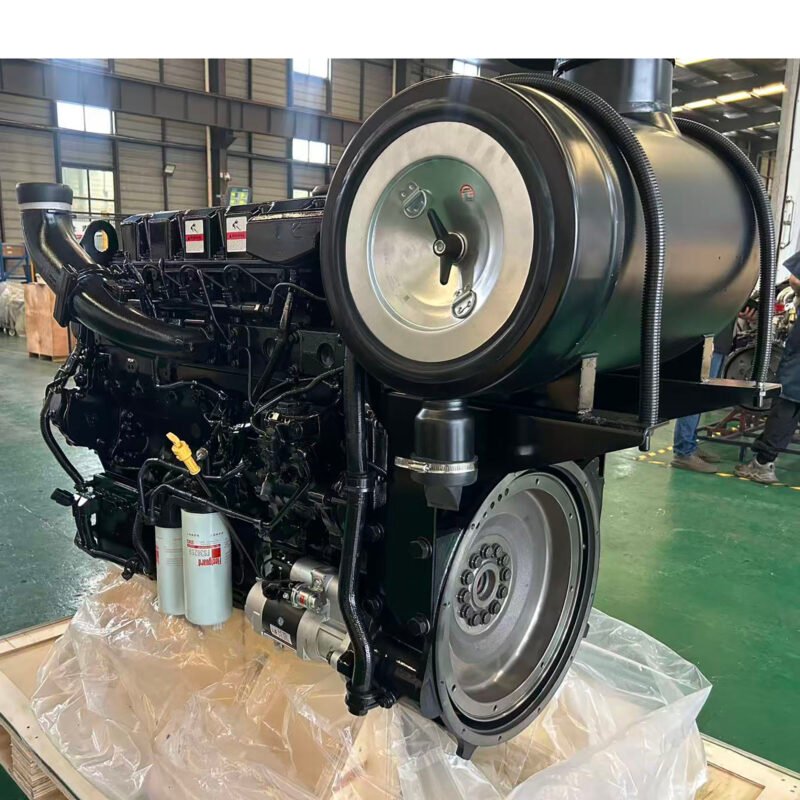
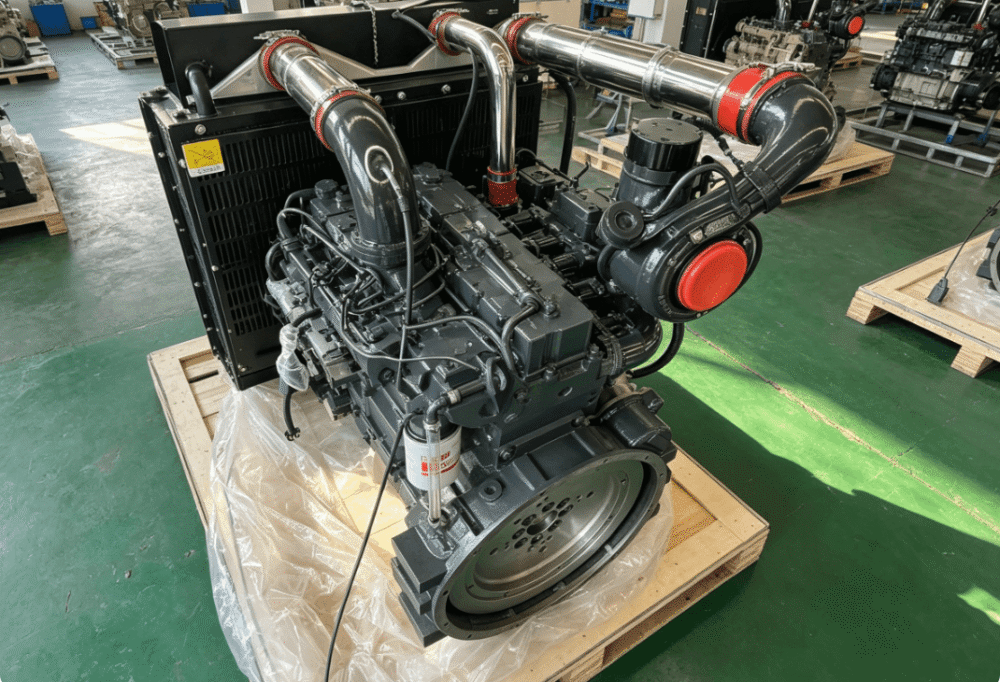
Kangjin Power’s construction machinery engine range lists multiple diesel engine models, including 4BTA3.9, 6BTA5.9, 6CTA8.3, 6CTAA8.3, 6LTAA8.9, QSB4.5, QSB5.9, QSB6.7, QSC8.3, QSL8.9, QSM11, and QSZ13. The page also states that Kangjin Power offers OEM/ODM customization services in its page title. These are the supplier-page facts that can be verified directly from the supplied category page.
The category page does not provide a complete specification table for every engine. It does not establish a particular standby or prime power rating, alternator compatibility, fuel-consumption curve, emissions certificate, test report, delivery time, warranty term, service coverage, or customer case for every listed model. Buyers should therefore confirm these items in the RFQ. not as assumed product capabilities. Buyers can also review the company’s supplier background and company information before requesting the technical package.
How to evaluate a diesel generator engine supplier
1. Match the duty profile before comparing models
Start with the electrical load profile: continuous running load, motor-starting loads, step-load changes, expected annual operating hours, altitude, ambient temperature, and required autonomy. A standby application may have a different rating basis from a prime-power application. The engine should be evaluated as part of the complete generating set, because the alternator, controls, cooling package, exhaust system, and installation all affect the delivered result.
Ask the supplier to state the rating standard, reference conditions, governing speed, acceptable transient response, and the exact test basis. Avoid comparing a maximum engine output with a guaranteed generator-set rating. If the supplier has not published the rating basis for a listed model, record it as a technical confirmation item.
2. Confirm mechanical and electrical integration
A suitable engine supplier should provide interface information for the intended genset configuration. The RFQ should request crankshaft or flywheel data, mounting details, coupling requirements, radiator and fan arrangement, exhaust back pressure limits, cooling-water requirements, starter and battery specifications, electronic-control interfaces, and the recommended alternator envelope. Buyers should also confirm whether the offered engine is new, remanufactured, or used, and whether the supplied configuration matches the application rather than only the model name.
Where the engine is intended for construction equipment rather than a stationary generator, the buyer must not assume that the same configuration is automatically approved for genset use. The application, controls, emissions category, and complete package documentation require confirmation from the manufacturer.
3. Treat emissions and fuel as project requirements
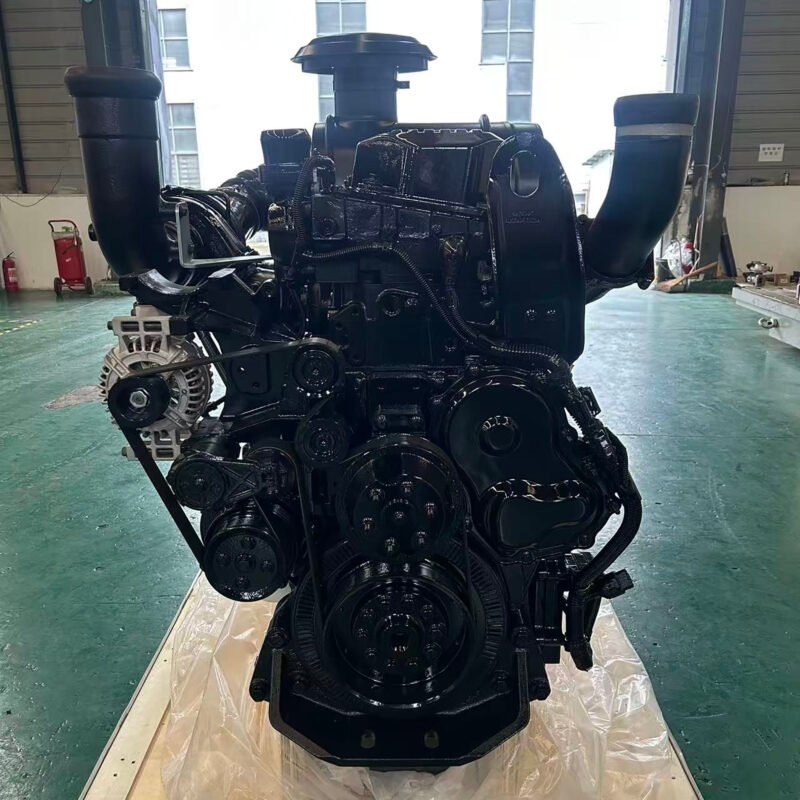
Emissions requirements depend on the engine category, location, duty, rated power, and applicable jurisdiction. The U.S. Environmental Protection Agency explains that nonroad compression-ignition engines include equipment such as construction machinery and generators, and that Tier 4 requirements use advanced emission-control technologies and lower-sulfur fuel controls [1]. This does not prove that any particular Kangjin Power listing satisfies a specific market requirement. Instead, the buyer should request the applicable emissions family, certificate or declaration, fuel specification, after-treatment requirements, and installation limitations for the exact engine configuration.
For international projects, the RFQ should identify the destination country and whether the engine will be used in a stationary, nonroad, rental, marine, mining, or other regulated application. Fuel quality, sulfur content, ambient conditions, and maintenance practices can affect the suitability of the emissions system. A supplier that cannot provide the correct compliance documents should not be treated as technically qualified until the gap is resolved.
Supplier comparison checklist
| Evaluation area | Questions for the supplier | Evidence to request |
|---|---|---|
| Application fit | Is the engine intended for the proposed genset duty and operating hours? | Application statement and rating basis |
| Integration | Will the engine match the alternator, controls, cooling and exhaust package? | Interface drawings and installation limits |
| Compliance | Which emissions rules apply to the exact destination and configuration? | Certificate, declaration or compliance pathway |
| Quality | How are incoming parts, assembly and final performance checked? | Inspection plan and test documentation |
| Commercial terms | What are the quotation validity, warranty, spares and service terms? | Formal quotation and warranty document |
RFQ checklist for procurement teams
A clear RFQ reduces quotation ambiguity. Include the required electrical output and voltage, frequency, phase, duty classification, load steps, starting loads, altitude, ambient temperature, fuel type, emissions jurisdiction, enclosure or skid requirements, controller protocol, cooling arrangement, exhaust limits, noise constraints, shipping destination, quantity, inspection requirements, spare-parts expectations, warranty, and after-sales support. Ask for a model-specific datasheet rather than a generic catalogue page.
Also request the serial-number policy, traceability documents, packing list, installation manual, operation and maintenance manual, recommended service intervals, troubleshooting procedure, and a list of consumables. If the buyer needs a complete generator set, the supplier should identify which party is responsible for the alternator, control panel, fuel system, radiator, base frame, testing, and commissioning.
Commercial questions that affect total cost
Purchase price is only one part of the commercial comparison. Evaluate fuel consumption at the actual load points, planned maintenance, filters and lubricants, spare-parts availability, technician travel, downtime risk, transport dimensions, import requirements, and the cost of adapting the engine to the local installation. A lower initial quotation may create higher lifecycle cost if documentation, commissioning support, or critical spares are excluded.
Ask whether the quoted engine is available for inspection, whether the configuration can be documented before shipment, and which changes require written approval. Do not treat a stated OEM/ODM capability as proof that a custom configuration, certificate, delivery date, or performance result is already available; each must be confirmed in the project quotation.
FAQs
What should I send to a diesel generator engine supplier first?
Send the required electrical rating and duty, voltage and frequency, load profile, starting loads, site conditions, emissions jurisdiction, quantity, delivery destination, and documentation requirements. A supplier can then identify the appropriate configuration instead of quoting only a nominal engine model.
Does a construction machinery engine automatically work in a generator set?
No. The engine’s application, governing system, flywheel housing, cooling package, emissions configuration, controls, and alternator interface must be checked for the intended genset. Treat compatibility as RFQ confirmation required unless supported by a model-specific integration document.
Which certifications should buyers request?
Request the documents required by the destination market and application, such as an applicable emissions certificate or declaration, test records, and quality or inspection documents. Buyers cannot determine the exact required documents from a category listing alone. the manufacturer should confirm them for the quoted configuration.
How can buyers compare two supplier quotations fairly?
Normalize the rating basis, load points, fuel conditions, included accessories, emissions equipment, testing, warranty, spares, shipping terms, and after-sales scope. Compare complete deliverables rather than engine model names or headline prices.
Conclusion: use the RFQ to close technical gaps
Kangjin Power’s category page provides a starting list of diesel engine models for commercial enquiry, but a responsible buyer should qualify the exact engine configuration, generator integration, emissions documents, testing, warranty, service support, and commercial scope before placing an order. A structured RFQ lets procurement and engineering teams separate published supplier information from items that still require confirmation. Contact the supplier with the completed checklist and request a model-specific technical and commercial proposal.
References
[1] U.S. Environmental Protection Agency, “Regulations for Emissions from Heavy Equipment with Compression-Ignition (Diesel) Engines,” https://www.epa.gov/regulations-emissions-vehicles-and-engines/regulations-emissions-heavy-equipment-compression, accessed August 17, 2026.
[2] U.S. Department of Energy, “Backup Power Sources for DOE Facilities,” DOE-STD-3003-2000, https://www.energy.gov/documents/doe-std-3003-2000pdf, accessed August 17, 2026.