
Best Marine Diesel Engine: High Speed Diesel Selection Guide

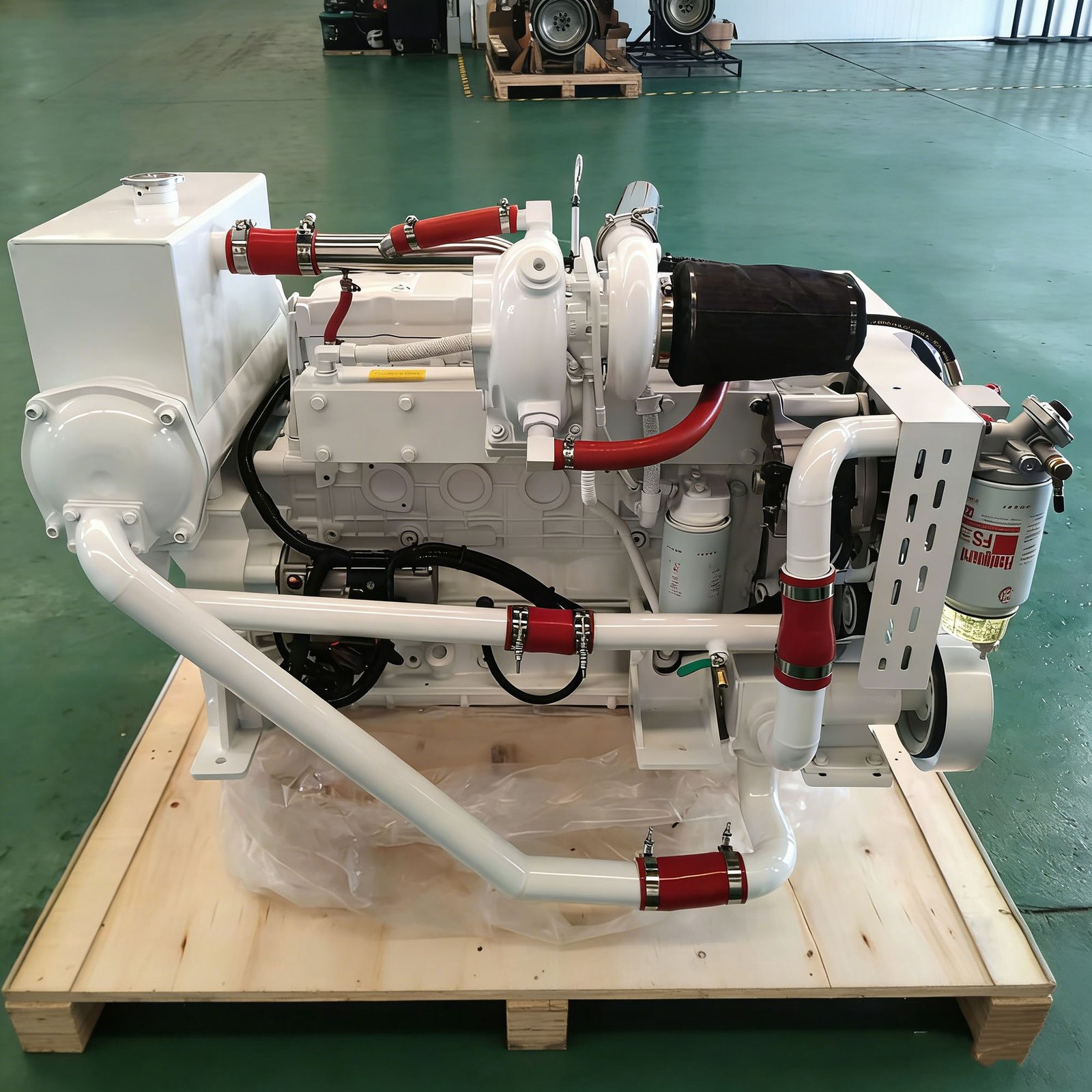
Evaluating the Best Marine Diesel Engine for Commercial Boats
Selecting the best marine diesel engine requires balancing power output and fuel efficiency. For commercial boats, the propulsion system directly dictates operational profitability. A high speed diesel provides the optimal power-to-weight ratio for space-constrained vessels.
Engineers must evaluate duty cycles and OEM customization capabilities before procurement. Sourcing the correct engine block prevents costly mid-lifecycle overhauls. This guide breaks down the critical engineering metrics for modern marine propulsion.
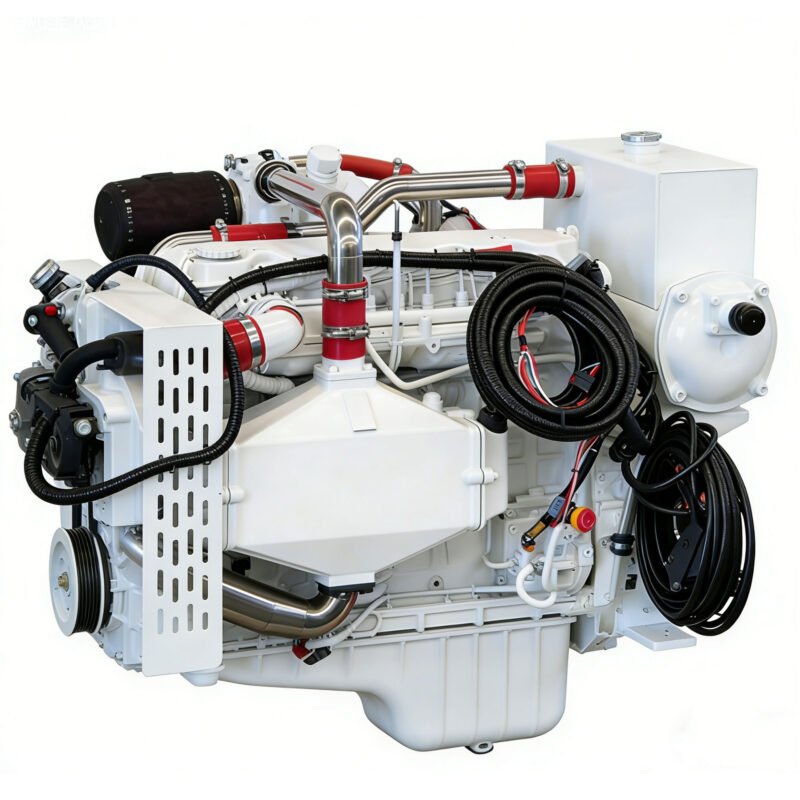
Why High Speed Diesel Engines Dominate Modern Workboats
Marine diesel engines fall into three categories based on crankshaft rotation speed. Low-speed engines operate below 300 RPM. Medium-speed engines run between 300 and 1000 RPM.
A high speed diesel operates well above 1000 RPM. These engines frequently reach rotational speeds of 1500 to 3000 RPM. For commercial boats, high-speed configurations offer specific engineering advantages.
The primary benefit is a superior physical power-to-weight ratio. Lighter engines reduce the overall vessel draft significantly. This reduced draft allows ships to safely navigate shallower coastal waters.
Additionally, a high-speed unit requires a much smaller installation footprint. Engine room space on ferries and patrol boats is strictly limited. A compact engine block allows shipbuilders to maximize onboard cargo capacity.
Core Performance Metrics: Displacement vs. Horsepower
Evaluating the best marine diesel engine goes beyond analyzing peak horsepower. Commercial vessel operators must prioritize continuous torque and long-term fuel efficiency. Engine displacement plays a major role in calculating these performance metrics.
Displacement refers to the total swept volume of the internal engine cylinders. A larger displacement operating at lower RPMs experiences less mechanical stress. This structural design naturally extends the mandatory engine overhaul intervals.
However, modern high speed diesel designs effectively offset smaller displacement limitations. Manufacturers utilize forged steel crankshafts and high-strength alloy engine blocks. These material upgrades ensure smaller engines withstand extreme commercial marine pressures.
High-pressure common-rail (HPCR) fuel injection systems maximize combustion chamber efficiency. These electronic technologies allow compact engines to produce massive low-end torque. They maintain system reliability without sacrificing necessary horsepower output.
Standard Marine Engine Duty Ratings Comparison
| Duty Rating | Operating Hours/Year | Full Power Limit | Typical Application |
| M1 (Continuous) | Unrestricted | 100% of time | Heavy Trawlers, Pushboats |
| M2 (Heavy Duty) | Up to 5,000 | 80% of time | Coastal Freighters, Towboats |
| M3 (Medium Duty) | Up to 3,000 | 50% of time | Passenger Ferries, Crew Boats |
| M4 (Light Duty) | Up to 1,000 | 10% of time | Customs Patrol, Rescue Boats |
Matching Engine Specs to Specific Marine Applications
Different marine operations demand distinct engine output characteristics. A standardized propulsion approach often leads to premature mechanical failure. Buyers must match the engine directly to the specific hull design.
For commercial tugboats and pushboats, massive low-end torque is absolutely mandatory. These vessels push heavy loads from a complete dead stop. M1 continuous duty ratings are strictly required for these heavy applications.
Passenger ferries require rapid acceleration and minimal structural vibration. A high speed diesel excels in this dynamic operational environment. The engine must safely handle frequent speed variations between scheduled port stops.
Commercial fishing boats operate in harsh and unpredictable weather environments. Consistent reliability supersedes the need for raw vessel speed. Mechanical fuel injection is sometimes preferred to prevent complex electronic faults.
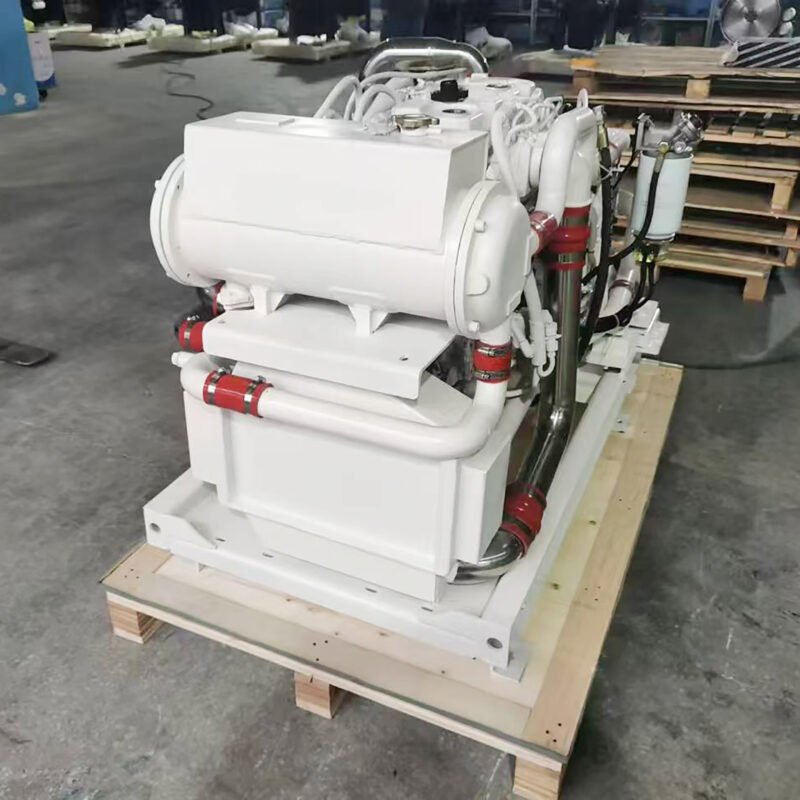
B2B OEM Engine Procurement Workflow
- Define the operational profile and primary engine duty cycle.
- Determine engine room spatial tolerances and maximum weight limits.
- Select the cooling system based on local seawater conditions.
- Verify emissions compliance for the designated operational region.
- Confirm OEM customization options for auxiliary power take-offs (PTO).
Installation, Emissions, and OEM Customization Constraints
OEM shipbuilding requires strict adherence to physical and environmental limits. Engine installation involves calculating complex geometric engineering tolerances. The propulsion system must integrate seamlessly with the existing vessel architecture.
Cooling system selection is a major manufacturing design consideration. Keel-cooled systems use a closed loop attached outside the hull bottom. This prevents abrasive marine seawater from entering the internal engine block.
Heat exchanger systems draw seawater directly into the vessel cooling circuit. They require robust corrosion-resistant materials like heavy cupronickel internal piping. Exchangers save external space but require regular internal marine growth maintenance.
Vibration isolation directly dictates the required engine mounting tolerances. Marine blocks generate significant torsional vibration under heavy commercial loads. Engineers must use specialized flexible mounts to protect the vessel hull.
Emissions compliance heavily influences the final commercial engine selection. Global maritime authorities enforce strict nitrogen oxide and particulate matter limits. Meeting IMO Tier III standards often requires bulky exhaust aftertreatment components.
Evaluating Proven Platforms: The Kangjin Power Marine Lineup
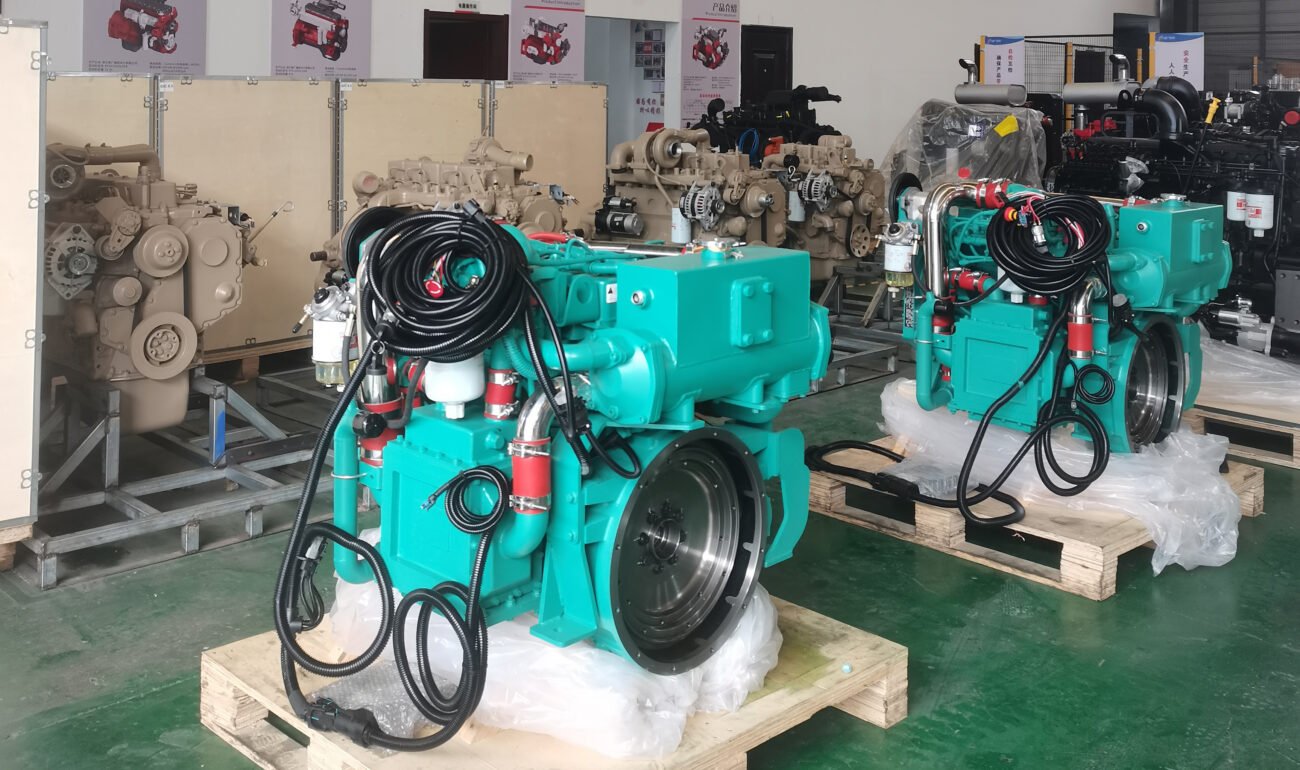
Procuring engines for shipbuilding requires a capable manufacturing OEM partner. The reliable supplier must offer consistent quality, certifications, and technical customization. Kangjin Powerprovides a comprehensive lineup tailored for demanding marine applications.
Their robust production portfolio includes the QSB3.9 and QSB4.5 marine engines. Buyers can also source the larger QSB6.7 and QSL9.5 engine models. The customized 6LTAA9.5 engine offers excellent displacement for rigorous commercial duty.
The QSB series is highly regarded for stable continuous commercial operations. These high speed diesel engines deliver exceptional power density and compact footprints. This specific ratio makes them ideal for modern patrol boats and ferries.
For dedicated ODM projects, Kangjin Powersupports extensive factory customization. Buyers can specify alternative marine alternators and specialized PTO shaft configurations. This manufacturing flexibility ensures the engine integrates perfectly with unique hull designs.
Global commercial procurement involves managing accurate factory lead times. Kangjin Power offers scalable trial orders to validate engine performance firsthand. They provide technical specifications and global export support within 24 hours.
FAQ
Q: What exactly defines a high-speed marine diesel engine?
A: A high-speed marine diesel engine operates at crankshaft speeds exceeding 1000 RPM. Commercial builders use them in workboats, ferries, and yachts to achieve an excellent power-to-weight ratio and a compact physical footprint.
Q: How do marine engine duty ratings impact my purchase?
A: Duty ratings define how long an engine can operate at absolute full throttle. An M1 rating allows unrestricted 24/7 full-power operation. Lower ratings like M4 only permit full power for brief intermittent intervals.
Q: Should I select a keel-cooled or heat exchanger marine engine?
A: Keel cooling works best for shallow, muddy, or debris-filled waters using a closed-loop system outside the hull. Heat exchangers suit deep, clean water, offering a compact internal installation that reduces exterior drag.
Q: What is the standard B2B lead time for custom OEM marine engines?
A: Manufacturing lead times vary based on specific customization complexity and factory capacity. Standard blocks often ship within weeks. Highly customized ODM projects requiring specific PTOs or classification certifications may take 60 to 90 days.
Q: Can a high speed diesel meet IMO Tier III emission regulations?
A: Yes, modern high-speed blocks can achieve IMO Tier III and EPA Tier 4 compliance. This usually requires integrating High-Pressure Common-Rail (HPCR) injection with external Selective Catalytic Reduction (SCR) exhaust aftertreatment systems.
Reference Sources
- International Maritime Organization (IMO): MARPOL Annex VI Regulations for Marine Diesel Engine Emissions.
- Environmental Protection Agency (EPA): Domestic Marine Diesel Engine Emission Standards and Certifications.
- American Bureau of Shipping (ABS): Rules for Building and Classing Steel Vessels (Machinery and Propulsion Systems).
- Society of Automotive Engineers (SAE): J1228 Marine Engine Rating Procedures and Performance Tolerances.

