
Diesel Generator Engine Price & Selection Guide for Pro Buyers

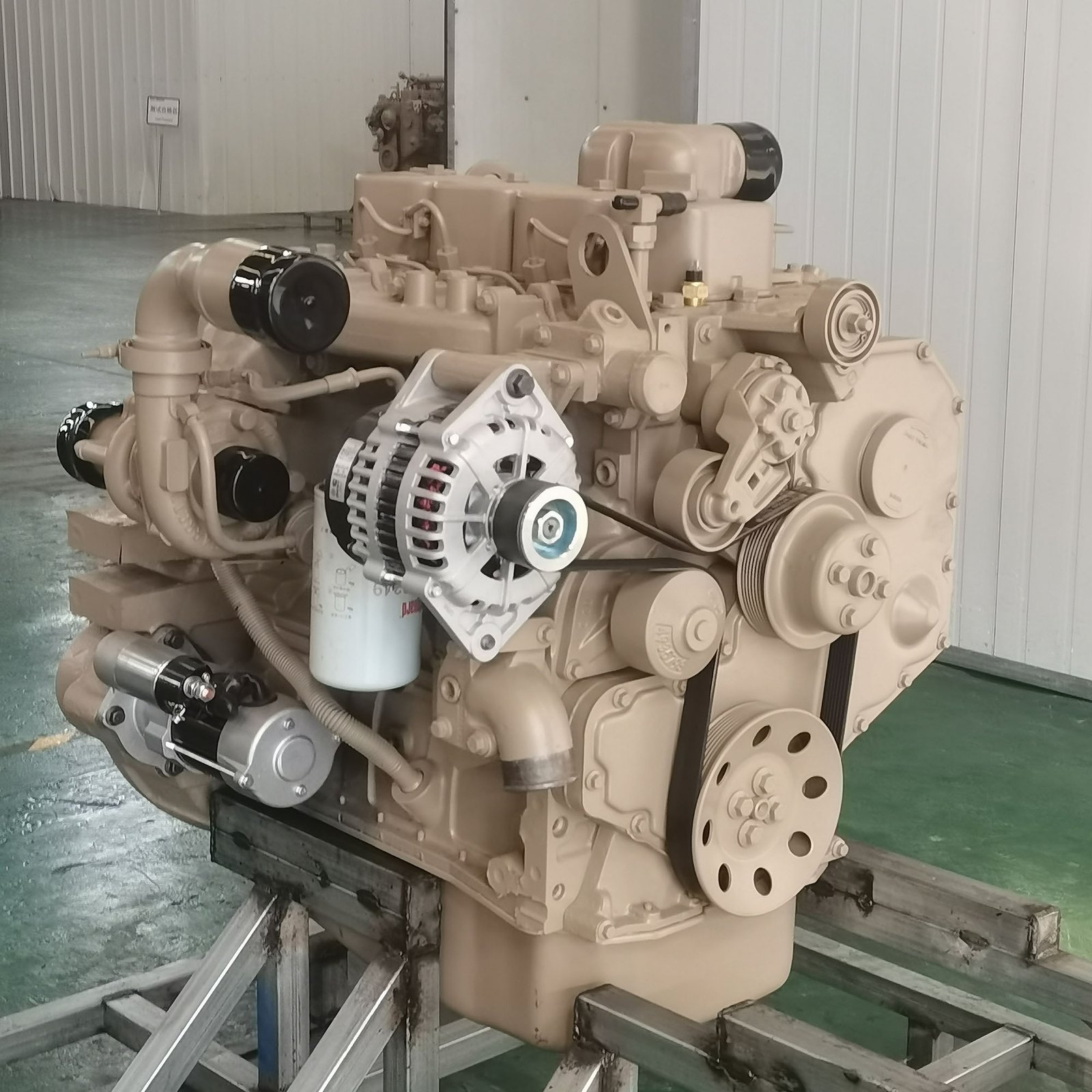
Industrial power generation is a high-stakes investment where the initial purchase price is often a deceptive metric. For engineers, facility managers, and OEM project leads, the “price” of a diesel generator engine is a multi-variable equation. It encompasses displacement, aspiration technology, electronic versus mechanical governing, and compliance with local emission regulations.
Understanding the market requires looking beyond the sticker price. A 500kW engine from a Tier 1 global manufacturer may carry a 40% premium over a domestic alternative. However, that premium often reflects superior transient response, lower fuel consumption per kilowatt-hour, and a robust global parts network.
Selecting the right engine involves balancing Capital Expenditure (CAPEX) with Operating Expenditure (OPEX). This guide analyzes the technical cost drivers and performance tradeoffs essential for making an informed procurement decision.
Key Factors Influencing Diesel Generator Engine Price
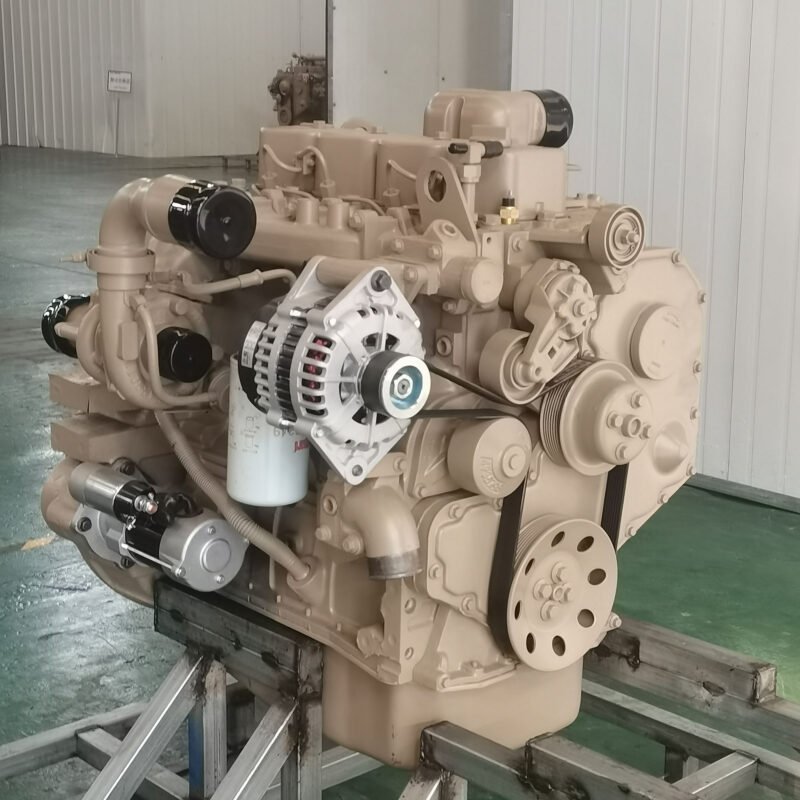
The cost of a diesel engine is primarily driven by its engineering complexity and material quality. Heavy-duty industrial engines are designed for longevity, often featuring replaceable wet-type cylinder liners and forged steel crankshafts, which increase cost but extend the engine’s lifecycle to 20,000+ hours.
Power Density and Displacement
The relationship between displacement (liters) and power output (kW/kVA) is a major price determinant. High-displacement engines running at lower RPMs (e.g., 1500 RPM for 50Hz) generally cost more due to the sheer volume of high-grade cast iron and steel used in construction. However, these engines typically offer better thermal management and longer service intervals.
Emission Standards (Tier Ratings)
Compliance with EPA Tier 4 Final or EU Stage V standards can double the price of an engine compared to a Tier 2 or “non-regulated” equivalent. These costs stem from complex after-treatment systems like Selective Catalytic Reduction (SCR), Diesel Particulate Filters (DPF), and sophisticated Electronic Control Units (ECUs) required to manage urea injection and exhaust gas recirculation.
Aspiration and Fuel Systems
Turbocharged and aftercooled (ATAAC) engines are more expensive than naturally aspirated models. They provide higher efficiency at altitude and better power-to-weight ratios. Similarly, High-Pressure Common Rail (HPCR) fuel systems increase the price but deliver significant savings in fuel consumption and noise reduction.
Comparative Overview: Engine Brands and Price Tiers
When evaluating the market, engines are typically categorized into three tiers based on brand heritage, reliability records, and support infrastructure.
| Engine Tier | Representative Brands | Typical Application | Price Profile |
| Tier 1 (Global) | Cummins, Perkins, MTU | Data Centers, Hospitals, Mining | Premium (Highest) |
| Tier 2 (Mid-Range) | Baudouin, Doosan, Weichai | Manufacturing, Construction | Competitive (Moderate) |
| Tier 3 (Value) | Ricardo-type, Yuchai | Standby, Agricultural, Small Business | Economy (Lowest) |
Tier 1 Engines like Cummins and Perkins are the gold standard for mission-critical applications. Their price reflects extensive R&D and the ability to handle 100% block loads. For instance, a Cummins QSK series engine is priced for its “Always-On” reliability.
Mid-Range Engines such as Baudouin or Weichai offer an excellent balance for prime power in industrial settings. These manufacturers often utilize European engineering heritage combined with optimized manufacturing processes to reduce costs without compromising structural integrity.
Value-Based Engines are ideal for light-duty standby applications where the engine might only run 50–100 hours per year. In these scenarios, paying a premium for a Tier 1 engine may not yield a justifiable Return on Investment (ROI).
Sizing and Duty Cycles: Impact on Procurement Costs
Miscalculating the duty cycle is the most common cause of budget overruns. The International Organization for Standardization (ISO 8528) defines four primary ratings that directly impact the diesel generator engine price.
- Emergency Standby Power (ESP): Designed for varying loads during a power outage. These are the most cost-effective per kW.
- Prime Rated Power (PRP): Intended for unlimited hours of use with a variable load. These engines require more robust cooling systems.
- Continuous Power (COP): Used for a constant 100% load for unlimited hours (e.g., remote mining). These are the most expensive due to heavy-duty cooling and lower BMEP (Brake Mean Effective Pressure) limits.
- Data Center Continuous (DCC): A specialized rating for high-uptime environments.
Choosing an ESP-rated engine for a PRP application will lead to premature failure and voided warranties. Conversely, over-specifying a COP engine for a standby facility results in unnecessary CAPEX.
Total Cost of Ownership (TCO) and ROI Analysis
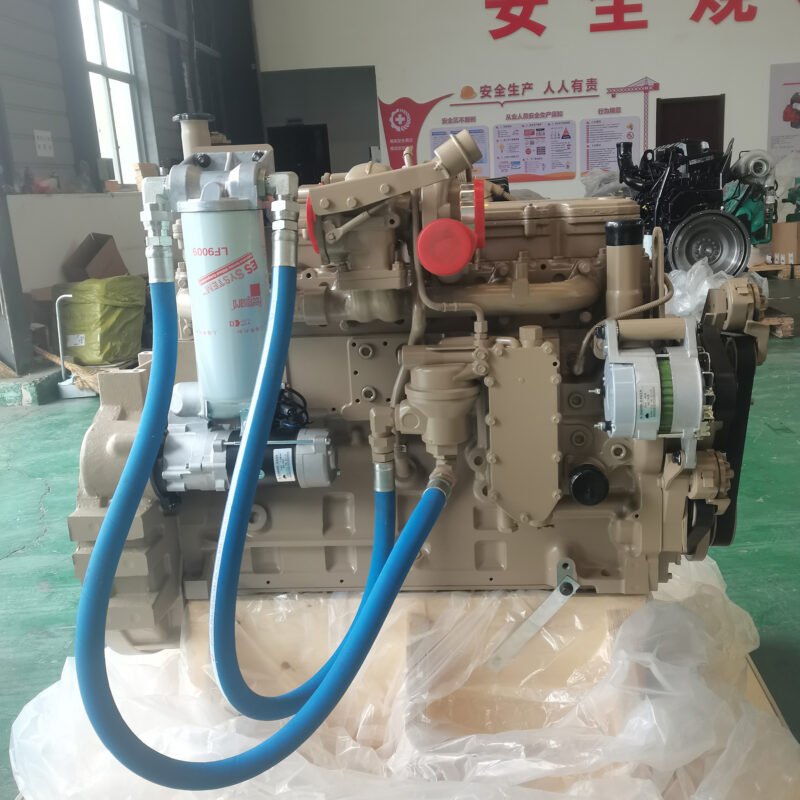
The purchase price of the engine usually represents only 20-30% of the total lifetime cost. A cheaper engine with high fuel consumption (Liters/Hour) can quickly become more expensive than a premium, fuel-efficient model.
Fuel Efficiency
Modern electronic engines can save between 5% and 12% in fuel costs. In a 500kVA setup running 1,000 hours a year, a 5% fuel saving can equate to thousands of dollars, effectively “paying back” the engine’s price premium within 24–36 months.
Maintenance and Parts Availability
Before finalizing a purchase, evaluate the “Serviceable Life.” Are filters and injectors readily available locally? Engines like the Perkins 1100 series or Cummins 6BTA have massive global parts footprints, reducing downtime costs. For proprietary or niche brands, a lower initial price might be offset by long lead times for critical components.
Electronic vs. Mechanical Governors
Mechanical governors are cheaper and easier to repair in remote areas. However, electronic governors provide precise frequency control (+/- 0.25%), which is mandatory for sensitive electronics, telecommunications, and synchronized multi-unit power plants.
Selecting the Right OEM Partner
For industrial buyers, the engine is part of a larger system. Working with a versatile supplier like Kangjin Power allows for a more tailored approach. Their product range covers the full spectrum of the market, from high-performanceCummins and Perkins engines to cost-optimized Weichai and Baudouin units.
A professional supplier doesn’t just sell an engine; they provide:
- Technical Matching: Ensuring the engine’s torque curve matches the alternator’s transient requirements.
- Customization: Radiator sizing for high-ambient temperatures or oversized alternators for non-linear loads.
- Compliance Support: Navigating local noise and emission ordinances.
When requesting a quote, specify the ambient temperature, altitude, and the nature of the load (e.g., motor starting vs. UPS charging). This transparency allows the engineer to recommend the most cost-effective engine that meets the technical threshold.
FAQ
Q: Why is there such a large price gap between a 100kW and 200kW engine?
The price jump isn’t linear. Moving from 100kW to 200kW often involves moving from a 4-cylinder to a 6-cylinder configuration, upgrading from mechanical to electronic fuel injection, and significantly larger cooling packages.
Q: Can I save money by using a “non-regulated” engine?
Only if your region and application allow it. Using a non-regulated (Tier 0/Tier 1) engine in a Tier 4 regulated zone can result in massive fines and forced decommissioning of the equipment. Always check local environmental regulations before purchasing.
Q: How does the cooling system affect the engine price?
Standard radiators are designed for 40°C or 50°C ambient temperatures. If your project is in a tropical or desert environment, you may need an “oversized” or “remote” radiator setup, which adds to the engine’s base cost but prevents thermal derating.
Q: Is a “reconditioned” engine a viable cost-saving measure?
For standby applications, a professionally remanufactured engine can save 30-50% on CAPEX. However, for prime power or mission-critical use, the lack of a full manufacturer warranty and unknown internal fatigue usually make new engines the safer investment.
Q: What is the impact of altitude on engine price?
At high altitudes, air is less dense, leading to power loss (derating). To achieve a specific output at 3,000 meters, you may need to purchase a larger, more expensive engine than you would at sea level to compensate for this loss.
Reference Sources:
- ISO 8528-1:2018: Reciprocating internal combustion engine driven alternating current generating sets.
- EPA Emissions Standards:Nonroad Compression-Ignition Engines: Exhaust Emission Standards.
- DieselNet: Technical information on diesel engine emissions and fuel systems.
- Caterpillar/Cummins Technical Whitepapers: Comparative analysis of Standby vs. Prime ratings.

